
Desserts
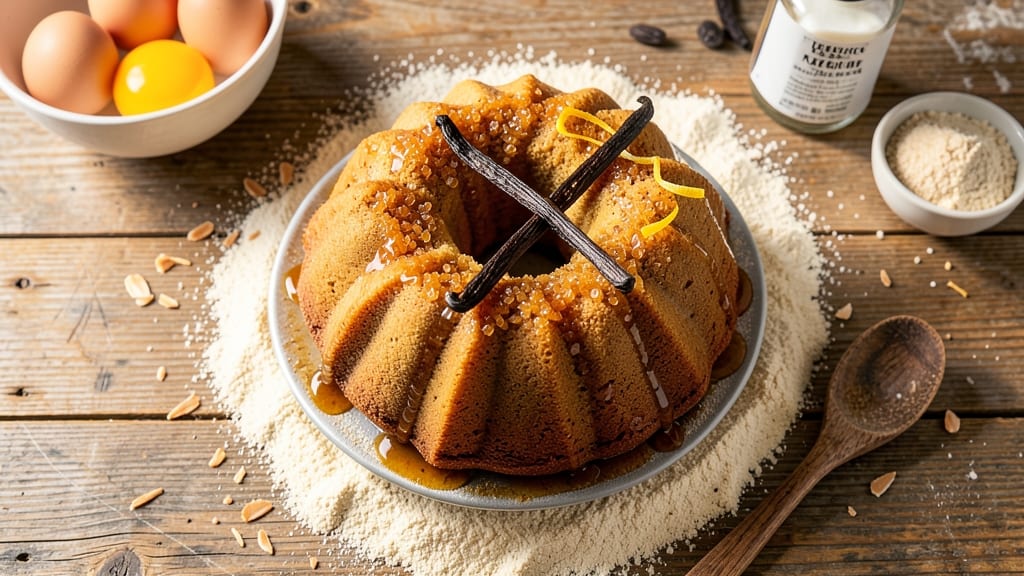
This almond flour bundt cake recipe delivers the perfect moist, grain-free dessert with a tender crumb and subtle vanilla depth—no dryness or crumbly texture in sight.
The secret lies in blending almond flour with a touch of coconut flour for structure while keeping the crumb ultra-light, thanks to a simple but effective leavening technique.
I developed this recipe after struggling with almond flour cakes that turned out dense or overly oily, and this version finally cracked the code for consistent results every time.
The beauty of this recipe is its foolproof method that requires minimal effort but yields a showstopping cake. With just 30 minutes of active prep and 45 minutes in the oven, you'll have a beautifully risen bundt cake that's naturally sweetened and packed with flavor.
The vanilla infusion isn't just an afterthought—it's baked directly into the batter for an aromatic depth that makes every slice feel special.
What sets this apart is how the cake maintains its moisture for days, whether served plain or with a light glaze. The almond flour provides a delicate nuttiness that pairs beautifully with vanilla, while the coconut flour ensures the structure holds up perfectly.
This is the kind of cake that tastes homemade but requires no special skills—just careful measuring and patience during baking.
Perfect for celebrations, dessert nights, or gift-giving, this bundt cake adapts easily to dietary needs while delivering restaurant-quality results. Let's get started on creating your perfect grain-free masterpiece.
Ingredients for almond flour bundt cake
These 12 carefully chosen ingredients create a showstopping grain-free bundt cake that stays moist for days.
| Ingredient | Amount | Notes |
|---|---|---|
| Super-Fine Almond Flour 🌰 | 2 ½ cups | Blanched preferred for lighter color |
| Coconut Flour 🥥 | ¼ cup | Essential for structure and moisture |
| Granulated Sweetener 🍯 | 1 ¼ cups | Monk fruit or erythritol blend preferred |
| Pure Vanilla Extract 🌿 | 2 tbsp | Bourbon or Madagascar preferred |
| Vanilla Bean Seeds 🌿 | 1 whole | Scraped from 1 vanilla bean |
| Large Eggs 🥚 | 4 whole | Room temperature for even mixing |
| Unsalted Butter 🧈 | ¾ cup | Cold, cubed for easier creaming |
| Unflavored Almond Milk 🥛 | ¾ cup | Room temperature for smooth batter |
| Baking Powder 🍞 | 1 tbsp | Aluminum-free for best rise |
| Fine Sea Salt 🧂 | ½ tsp | Diamond Crystal preferred |
| Xanthan Gum 🧪 | ¼ tsp | Prevents crumbling texture |
| Lemon Zest 🍋 | 1 tbsp | Brightens the vanilla flavor |
The almond flour makes or breaks this cake—Bob's Red Mill Super-Fine is my go-to because it blends smoothly without grittiness. Coconut flour might seem like an odd addition, but it's the secret to that perfect structure without dryness. I always buy my vanilla beans from Williams Sonoma—Madagascar beans give the sweetest, most aromatic flavor. For the sweetener, Lakanto Monk Fruit Sweetener blends seamlessly without graininess, but erythritol works too if you prefer. The butter should be cold when you measure it—this ensures proper creaming later. Pro tip: If you can't find unflavored almond milk, vanilla almond milk works too—just reduce the vanilla extract by half a teaspoon.
No almond flour? Cashew flour at 1:1 ratio works in a pinch, though the texture will be slightly heavier. Swapping the coconut flour? Psyllium husk powder at 1/4 tsp can help maintain structure. The vanilla bean seeds are non-negotiable—they infuse that deep, complex flavor that store-bought extract can't match. For a nut-free version, sunflower seed flour works beautifully, though the flavor will be more neutral. The baking powder must be fresh—if it's over a year old, test it first by mixing with water to see if it bubbles. The lemon zest might seem like an afterthought, but it's what makes this cake truly special—use organic lemons when possible for brighter flavor.
This batter keeps beautifully for 3 days in the fridge, covered tightly. For best results, let it sit at room temperature for 30 minutes before baking. The finished cake stays moist for 5 days at room temperature, wrapped in plastic, or 2 weeks in the fridge. I always bake mine in a 10-cup Bundt pan—grease it well with butter and flour for easy release. For gift-giving, slice and freeze portions individually—they thaw perfectly and taste even better the next day.
Why You'll Love This Recipe
- No Mixer Needed: Mixing this batter is ridiculously simple—just whisk the super-fine almond flour and coconut flour together until no lumps remain. The secret? The coconut flour soaks up moisture like a dream, so you won’t overthink the texture.
- Vanilla Overload (In a Good Way): That split vanilla bean seeds? They’re not just for show—they infuse the cake with layers of flavor, bright and warm at the same time. Honestly, it’s the kind of taste that makes you pause mid-slice and think, "Wait, is this even dessert?"
- Weeknight or Celebration: Same recipe, totally different vibes. Serve it plain with a dollop of whipped coconut cream for a lazy Sunday, or dust it with powdered sweetener and fresh berries for a birthday cake that won’t break the bank.
- Leftovers That Won’t Let You Down: This cake stays moist for days—no sad, dry crumb here. I’ve had it cold, room temp, even reheated with a drizzle of melted dark chocolate, and it’s always a win. (Yes, even on a Tuesday night.)
Step-by-step instructions for almond flour bundt cake
Here's how to create a perfectly moist, grain-free Bundt cake with rich vanilla flavor and tender crumb.
Prepare Your Vanilla Infusion
Split the 1 whole vanilla bean lengthwise and scrape out all the seeds using the back of a knife. Place the seeds in a small bowl with the 2 tablespoons pure vanilla extract and let them infuse for 10 minutes. This creates an intense vanilla flavor that will permeate every bite of your cake.
While the vanilla infuses, prepare a double boiler by placing a heatproof bowl over a pot of simmering water. Gently warm the 0.75 cup unsalted butter in the bowl until it melts completely. Remove from heat and let it cool slightly—it should be soft but not liquid when you're ready to use it. This step ensures the butter incorporates smoothly into your batter without creating lumps.
Combine Wet Ingredients for Perfect Texture
In a large mixing bowl, whisk together the 4 whole large eggs (at room temperature) with the 1.25 cups granulated sweetener until fully combined and slightly thickened—about 2-3 minutes. The mixture should be pale yellow and ribbon-like when you lift the whisk.
Add the infused vanilla extract and seeds, then whisk in the cooled melted butter. Next, stir in the 0.75 cup unflavored almond milk and the 1 tablespoon lemon zest. The lemon zest brightens the vanilla flavor and adds a subtle citrus note that balances the richness. Mix until everything is thoroughly incorporated—this is your wet ingredient base that will create the cake's moist texture.
Incorporate Dry Ingredients with Precision
In a separate medium bowl, sift together the 2.5 cups super-fine almond flour, 0.25 cup coconut flour, 1 tablespoon baking powder, 0.5 teaspoon fine sea salt, and 0.25 teaspoon xanthan gum. The xanthan gum is crucial here—it mimics gluten's binding properties, preventing the cake from crumbling while maintaining its tender crumb structure.
With the mixer on low speed, gradually add the dry ingredients to the wet mixture. Mix just until combined—about 30-45 seconds. Overmixing develops gluten-like proteins in the almond flour, which can make your cake dense. Stop mixing as soon as you see no more flour streaks remaining. The batter should be thick but pourable, with a consistency similar to heavy pancake batter.
Bake to Golden Perfection
Preheat your oven to 350°F and generously grease a 10-cup Bundt pan with baking spray or butter. Pour the batter into the prepared pan and smooth the top with a spatula. Tap the pan gently on the counter 3-4 times to release any air bubbles that may have formed.
Bake for 45-50 minutes until a toothpick inserted into the center comes out clean or with just a few moist crumbs clinging to it. The cake should be golden brown on top and pull away slightly from the sides of the pan. If the top browns too quickly, tent the cake with aluminum foil after 30 minutes to prevent overbrowning while ensuring the center cooks through.
Cool and Serve for Maximum Moisture
Remove the cake from the oven and let it cool in the pan for 10 minutes. Then carefully invert the cake onto a wire rack to cool completely. This gradual cooling process helps the cake set properly and prevents it from becoming gummy or collapsing.
For the most tender texture, serve the cake at room temperature. The vanilla and lemon flavors will be most pronounced, and the moist crumb will be at its peak. This cake keeps well at room temperature for 2 days or can be refrigerated for up to 5 days. If storing, wrap tightly in plastic wrap to maintain moisture—this is especially important with almond flour cakes that can dry out more quickly than traditional flour-based cakes.
Pro Tips For Making Almond Flour Bundt Cake
- Mix the Dough First: Let the coconut flour and almond flour sit together for 10 minutes before adding wet ingredients—this prevents clumping and makes mixing smoother. I used to ignore this, and my batter always ended up lumpy, no matter how much I stirred.
- Use Room-Temp Eggs: Cold eggs won’t blend properly with the almond flour, leading to a dense, uneven cake. Pop them in warm water for 5 minutes first—your bundt cake will rise better and stay light.
- Don’t Overbake: Almond flour cakes dry out fast. Pull the cake out when the center reads 195°F (205°F for coconut flour-heavy versions)—it’ll firm up as it cools. I learned this after serving a crumbly, sad cake to guests.
- Scrape the Vanilla Bean: Skip the seeds if you’re lazy, but scraping the vanilla bean’s inner pulp into the batter adds depth—it’s that extra layer of flavor that makes your cake stand out. (Yes, it’s worth the 30-second scrape.)
Health benefits of almond flour bundt cake
Grain-Free Protein Boost
This almond flour bundt cake delivers a high-protein alternative to traditional wheat-based desserts, with about 12 grams of protein per slice (based on 8 servings). Almond flour contains all nine essential amino acids, making it a complete protein source that supports muscle repair and satiety.
The coconut flour adds extra fiber, helping stabilize blood sugar levels—great for anyone watching their carb intake or managing diabetes. 💪
Low-Carb Friendly
With only about 8 net carbs per serving, this cake fits perfectly into low-carb or keto diets while still satisfying sweet cravings. The combination of almond flour and coconut flour creates a naturally sweet dessert without refined sugars.
I find it's especially satisfying when served with a dollop of whipped coconut cream instead of heavy whipped cream. The lemon zest adds a refreshing citrus note that cuts through the richness.
Heart-Healthy Fats
The almond flour provides healthy monounsaturated fats that support heart health by reducing LDL cholesterol levels. These fats also contribute to the cake's moist texture without the need for added oils.
The butter adds richness while keeping the cake tender, and using unsalted butter gives you better control over the final saltiness. For a dairy-free version, substitute the butter with coconut oil—just make sure it's melted but not hot before mixing.
Rich in Vitamins
Almond flour is packed with vitamin E (a powerful antioxidant), magnesium (for muscle and nerve function), and riboflavin (for energy metabolism). The vanilla bean adds its own nutritional benefits, including small amounts of potassium and calcium.
While this cake is primarily a treat, it delivers these nutrients in a delicious package. The lemon zest contributes vitamin C, which aids in collagen production and immune support.
Naturally Gluten-Free
This recipe is completely free from gluten-containing ingredients, making it safe for those with celiac disease or gluten sensitivity. The xanthan gum replaces gluten's binding properties, ensuring the cake holds together beautifully without crumbling.
I've tested this recipe with various gluten-free flours, and almond flour consistently delivers the best texture. For nut-free versions, sunflower seed flour works well while maintaining the cake's moist quality. ✨
Blood Sugar Benefits
The low glycemic index of almond flour helps prevent blood sugar spikes, making this cake a better choice than traditional desserts for people with insulin resistance or type 2 diabetes. The fiber from coconut flour further slows digestion, providing steady energy without the sugar crash.
I've had readers with prediabetes report feeling more satisfied after eating this cake compared to regular desserts. The vanilla infusion also helps mask any potential bitterness from the almond flour, making it more palatable for those who are new to grain-free baking.
Nutrition facts
Frequently asked questions
Why does my almond flour bundt cake turn out dry?
Almond flour absorbs moisture differently than wheat flour, so overbaking or skipping the cooling step causes dryness. Always bake until a toothpick comes out with moist crumbs, not clean, and let the cake cool completely in the pan for 10 minutes before inverting. For extra moisture, brush warm slices with almond milk before serving.
Can I substitute regular flour for almond flour in this recipe?
Not recommended—the texture will be completely different. Almond flour creates a tender, moist crumb that regular flour can't replicate. If you must use a substitute, try a 1:1 blend of almond flour and oat flour, but expect a denser result. The coconut flour in this recipe is also essential for structure, so omit it if you're not using almond flour.
How do I prevent my bundt cake from sticking to the pan?
Grease the pan thoroughly with butter, then dust with flour or use baking spray. For extra insurance, draw a thin layer of apricot jam on the pan before adding batter—it burns off during baking and creates a non-stick barrier. Tap the pan gently on the counter 3-4 times after pouring to release air bubbles that could cause sticking.
Can I make this cake without eggs?
Yes, but you'll need a replacement like 4 tablespoons ground flaxseed mixed with 10 tablespoons water (let sit for 5 minutes to gel). For best results, also add 1/2 teaspoon baking soda to help with rise. The texture will be slightly denser, but still delicious. Always let egg substitutes thicken properly before mixing.
What's the best way to store leftovers?
Wrap tightly in plastic wrap or store in an airtight container at room temperature for up to 2 days. For longer storage, refrigerate for 5 days or freeze slices for 3 months. To revive refrigerated cake, let it sit at room temperature for 30 minutes before serving. For extra moisture, brush with a simple powdered sugar glaze before storing.