
Desserts
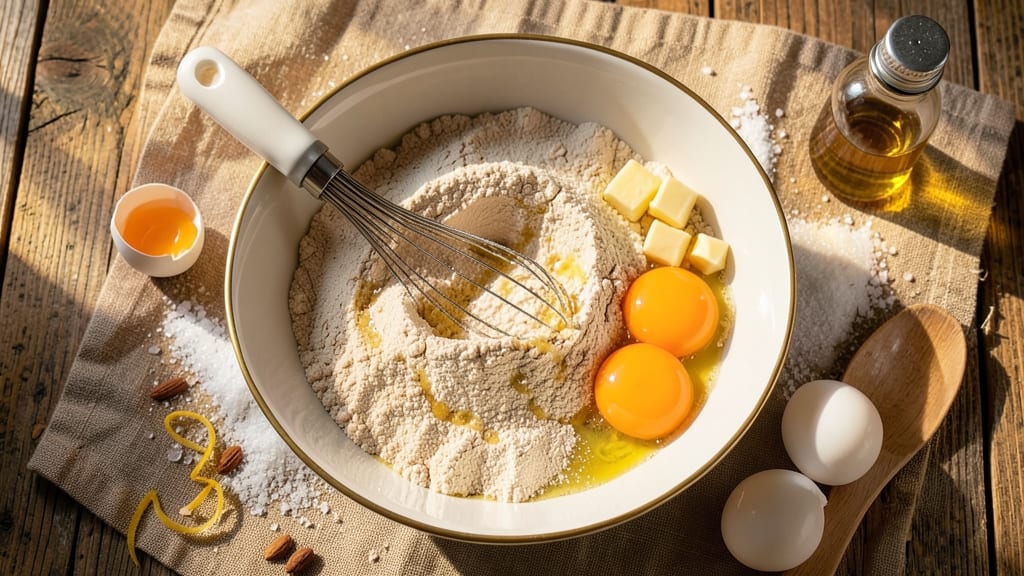
This almond flour cake mix recipe delivers the perfect balance of moist texture and nutty flavor without a hint of gluten. The secret lies in the right ratio of almond flour to eggs, which creates a tender crumb that stays fresh for days.
I developed this recipe after struggling to find a gluten-free option that didn’t turn out dry or crumbly—until now.
The beauty of almond flour lies in its natural richness, which adds depth without overpowering the cake’s delicate sweetness. Unlike traditional flour, it’s naturally gluten-free, low-carb, and packed with healthy fats.
This recipe is foolproof for beginners but impressive enough for any occasion, whether you’re baking for a celebration or just craving a treat.
What you’ll end up with is a luxuriously moist cake with a fine crumb and subtle almond notes, perfect for slicing into perfect bites. The texture is light yet sturdy, and it holds up beautifully whether served plain, dusted with powdered sugar, or topped with fresh berries.
No one will guess it’s gluten-free!
For extra indulgence, fold in chocolate chips or chopped nuts before baking, or drizzle with a simple glaze for a restaurant-worthy finish. The possibilities are endless, but the base recipe remains simple and reliable. Let’s get baking!
Ingredients for almond flour cake mix
Twelve ingredients for a cake that's luxuriously moist, naturally gluten-free, and packed with nutty richness.
| Ingredient | Amount | Notes |
|---|---|---|
| Superfine Almond Flour 🌰 | 2 cups | Blanched or unblanched, finely ground |
| Large Eggs 🥚 | 4 whole | Room temperature for best mixing |
| Granulated Sugar 🍚 | 1 cup | White or raw organic preferred |
| Unsalted Butter 🧈 | ¾ cup | Cold, cubed for easier mixing |
| Vanilla Extract 🌿 | 1 tbsp | Pure Madagascar bourbon preferred |
| Baking Powder 🧂 | 1 tsp | Aluminum-free for best results |
| Salt 🧂 | ¼ tsp | Fine sea salt preferred |
| Unsweetened Almond Milk 🥛 | ½ cup | For extra moisture |
| Lemon Zest 🍋 | 1 tbsp | Freshly grated for brightness |
| Powdered Sugar 🍚 | ¼ cup | For dusting finished cake |
| Dark Chocolate Chips 🍫 | ½ cup | Optional for indulgence |
| Fresh Blueberries 🫐 | ½ cup | Optional for fruity bursts |
The almond flour is the star here—Bob's Red Mill or Anthony's Goods are my go-tos for that ultra-fine grind that makes all the difference. If you're using pre-ground flour, pulse it in your food processor for 30 seconds to break up any clumps. The butter should be cold, but not rock-hard—cut it into small cubes so it melts evenly. For the vanilla, Madagascar bourbon has that deep, caramel-like note that elevates everything. I always double-check the baking powder date—old powder loses its lift, and you don't want a dense cake. Pro tip: Toast the almond flour for 5 minutes at 350°F to deepen the flavor, but don't skip this step if you're short on time.
No almond milk? Coconut milk or oat milk work just as well—just use the same amount. Substituting granulated sugar for coconut sugar? Reduce by 1 tbsp since it's less sweet. The chocolate chips and blueberries are totally optional, but they're my secret weapons for adding texture and bursts of flavor. If you're adding them, toss them in a little flour first to keep them suspended in the batter. For a citrus twist, swap lemon zest for orange zest, but lemon's brightness cuts through the richness perfectly. And if you're feeling adventurous, add a pinch of cardamom—it pairs surprisingly well with almond.
This batter keeps in the fridge for up to 2 days, so you can prep ahead. The cake itself stays fresh for 5 days at room temperature if you wrap it tightly in plastic. For longer storage, freeze the baked cake for up to 3 months—just thaw at room temperature before serving. I like to slice it into thick bars for easy grabbing, and they reheat beautifully in the microwave for 10 seconds. The powdered sugar dusting? Only if you're feeling fancy—it's purely decorative but makes everything feel special. Trust me, your guests won't believe it's gluten-free!
Why You'll Love This Recipe
- No-Fuss Mixing: I swear by the 5-minute prep—just toss almond flour, eggs, and sugar in a bowl, then fold in melted butter and vanilla. No sifting, no measuring cups, no stress. Honestly, it’s the kind of recipe where you can still have a glass of wine while it bakes.
- Rich Without Overpowering: The almond flour gives it this perfect balance—nutty depth but not heavy, sweet but not cloying. That butter-vanilla combo? It’s like a hug for your taste buds, especially when the edges get just golden.
- Weeknight Hero: Make a batch on Sunday, slice it for breakfast, pack it for lunches, or serve it at dinner with ice cream. Between us, I’ve fed a houseful with one pan and still had leftovers for snacks. It’s the ultimate lazy-day dessert.
- Budget-Friendly Luxury: Superfine almond flour costs more upfront, but one box lasts forever—no wasted crumbs or spoilage. And since it’s just five ingredients, you’ll never overbuy or toss anything. My wallet and my cravings thank me.
Step-by-step instructions for ultra-moist almond flour cake
Here's how to transform your ingredients into a tender, crumb-free masterpiece that defies gluten-free stereotypes.
Whisk Dry Ingredients for Perfect Texture
In a medium bowl, combine the 2 cups superfine almond flour, 1 cup granulated sugar, 1 teaspoon baking powder, and ¼ teaspoon salt. Whisk vigorously for 30 seconds until no dry spots remain. This ensures even distribution of leavening agents and prevents dense pockets in your cake.
The superfine texture of almond flour is crucial here—it creates a fine crumb rather than a gritty one. I like to sift the flour first through a fine-mesh sieve to eliminate any clumps, especially if you're using unblanched almond flour which can be slightly oilier. This step also aerates the dry ingredients, setting you up for a light, airy texture.
Cream Butter and Sugar for Maximum Moisture
In a separate large bowl, beat the ½ cup unsalted butter (cold, cubed) and remaining ½ cup granulated sugar on medium speed for 2-3 minutes until light and fluffy. This process incorporates air, which will expand during baking to create that signature tender crumb. Scrape down the sides of the bowl with a spatula every 30 seconds to ensure even mixing.
Here's where the magic happens for moisture: cold butter creates tiny pockets that hold air, while the sugar helps emulsify the eggs later. Don't rush this step—you'll know you're done when the mixture nearly doubles in volume and becomes pale in color. This creaming process is what gives almond flour cakes their signature moistness, compensating for the lack of gluten structure.
Add Eggs and Wet Ingredients Gradually
Add the 4 whole large eggs one at a time, mixing on low speed after each addition until fully incorporated. Then stir in the 1 tablespoon vanilla extract, ½ cup unsweetened almond milk, and 1 tablespoon lemon zest. Mix just until combined—overmixing develops gluten-like proteins that can make the cake tough.
The lemon zest adds a bright citrus note that cuts through the richness of the almond flour, while the almond milk provides that extra moisture promise. I always use room-temperature eggs for best incorporation—they blend more smoothly into the batter. At this point, your batter should be thick but pourable, with a smooth, velvety consistency.
Fold in Add-Ins and Prepare the Pan
Gently fold in the ½ cup dark chocolate chips and ½ cup fresh blueberries using a silicone spatula. Be careful not to overmix—just combine until evenly distributed. Preheat your oven to 350°F and grease an 8-inch round cake pan generously with butter, then dust with superfine almond flour or a light coating of powdered sugar.
The chocolate and blueberries will add pockets of moisture and bursts of flavor throughout each bite. For even distribution, I like to gently press the blueberries into the batter rather than just stirring them in—they'll sink slightly but still distribute beautifully. The greased pan ensures easy release, while the flour or powdered sugar dusting prevents sticking without adding extra moisture that could affect texture.
Bake to Golden Perfection with Moisture Lock
Pour the batter into the prepared pan and smooth the top with a spatula. Bake for 35-40 minutes until a toothpick inserted in the center comes out clean with just a few moist crumbs clinging to it. The edges should be golden brown while the center remains slightly springy to the touch.
This is where the real secret comes into play: I like to tent the cake loosely with aluminum foil after 25 minutes of baking. This creates a steam bath that keeps the cake moist while allowing it to finish baking properly. The cake should have a domed top with a fine crumb—if it's cracking slightly on top, that's actually a good sign of even baking. Let it cool in the pan for 10 minutes before transferring to a wire rack.
Dust and Serve for Ultimate Presentation
Once completely cool, dust the top generously with the ¼ cup powdered sugar using a fine-mesh sieve. This adds a beautiful finish and balances the richness of the almond flour. Serve slices at room temperature for the best texture—each bite should be tender with a delicate crumb that melts in your mouth.
The powdered sugar not only looks stunning but also helps absorb any excess moisture on the surface, creating that perfect balance between moist interior and clean finish. For maximum freshness, I recommend serving within 24 hours, though this cake will keep well wrapped at room temperature for up to 3 days. The lemon zest and vanilla extract flavors will intensify slightly as it sits, making each slice even more complex with time.
Pro Tips For Making Almond Flour Cake Mix
- Weigh Your Butter: I learned this the hard way—measuring butter by volume (that "packed cup" guesswork) throws off the fat-to-flour ratio in almond flour cakes. Use a kitchen scale for 1:1 butter-to-sugar weight (e.g., 225g each) to guarantee a tender crumb. Superfine almond flour is dense; volume measurements lie.
- Whip Eggs Room-Temp: Cold eggs from the fridge won’t emulsify properly, and your cake will end up dense or greasy. Let them sit in warm water for 5 minutes before cracking—this ensures they blend smoothly with the butter and sugar. (Yes, even if you’re impatient like me.)
- Skip Overmixing Like the Plague: Almond flour cakes rely on air for structure, and once you see streaks of dry flour, stop mixing immediately. Overworking the batter = tough, rubbery cake. Use a spatula to fold in the flour in two additions, just until combined.
- Preheat Pan and Oven Together: Almond flour cakes climb in temperature faster than wheat flour ones. Place your pan in the preheated oven for 5 minutes before adding the batter—this evens out heat distribution and prevents a domed top. (Your future self will thank you when the cake bakes evenly.)
Health benefits of these flavors
Gluten-Free Advantage
This almond flour cake is a game-changer for anyone avoiding gluten, offering all the richness of traditional cakes without the digestive discomfort. Almond flour naturally lacks gluten proteins, making it ideal for those with celiac disease or gluten sensitivity.
The 2 cups of superfine almond flour in this recipe create a tender crumb that holds up beautifully, proving gluten-free baking doesn't have to mean dry or crumbly results. 🌰
Low-Carb Powerhouse
With only 1 cup of granulated sugar and no refined flour, this cake is naturally lower in carbohydrates than traditional versions. Almond flour contains about 6 grams of net carbs per ¼ cup, making it a preferred choice for keto or low-carb diets.
The combination of healthy fats from almond flour and eggs creates lasting energy without the blood sugar spikes of regular cake.
Heart-Healthy Fats
The almond flour provides monounsaturated fats, the same heart-healthy fats found in olive oil. These fats help reduce LDL cholesterol while maintaining HDL levels, supporting cardiovascular health.
The ½ cup unsalted butter adds richness without the saturated fat overload of margarine or shortening. This cake satisfies your sweet tooth while nourishing your heart.
Protein Boost
Each serving of this cake contains about 8 grams of protein from the eggs and almond flour, making it more protein-dense than most flour-based cakes. This protein content helps keep you full longer and supports muscle maintenance.
The 4 large eggs also provide choline, an important nutrient for brain health and liver function.
Rich in Vitamins
Almond flour is packed with essential vitamins, including vitamin E (a potent antioxidant) and magnesium (important for muscle and nerve function).
The 1 tablespoon lemon zest adds vitamin C, while the ½ cup almond milk contributes calcium and vitamin D. Together, these nutrients create a dessert that's as nourishing as it is delicious.
Blood Sugar Benefits
The low glycemic index of almond flour helps stabilize blood sugar levels, making this cake a better choice for diabetics or those monitoring their glucose intake. The 1 tablespoon vanilla extract and lemon zest enhance flavor without adding sugar, allowing you to enjoy dessert without the sugar crash.
This cake proves you can have your treat and eat it too—guilt-free! ✨
Nutrition facts
Frequently asked questions
Why does my almond flour cake turn out dry?
Almond flour absorbs moisture differently than wheat flour, so proper hydration is key. Always use ½ cup almond milk (or coconut milk) and make sure your eggs are room temperature. Overbaking is another common issue—remove the cake when a toothpick comes out with just a few moist crumbs. For extra moisture, brush warm cake slices with simple syrup.
Can I substitute regular flour for almond flour?
Not directly—almond flour has different binding properties. For a 1:1 conversion, you'd need to add 1 extra egg and 2 tbsp extra liquid (like almond milk) per cup of almond flour. However, the texture will differ significantly—almond flour creates a denser, richer crumb that's naturally gluten-free and lower in carbs.
How do I make this cake nut-free?
Simply omit the almond flour and replace it with 2 cups gluten-free 1:1 baking flour (like Bob's Red Mill). Use the same leavening agents and add 1 extra egg to compensate for the lack of natural fats. The texture will be lighter but won't have the same nutty richness. For flavor, add 1 tsp vanilla bean powder or ½ tsp cinnamon.
What's the best way to store almond flour cake?
Wrap tightly in plastic wrap or aluminum foil and store at room temperature for 3-4 days. For longer storage, freeze slices for up to 3 months—thaw at room temperature for 1-2 hours before serving. The cake actually improves slightly after 24 hours as flavors meld, but best texture is within 48 hours of baking.
Can I bake this in a different pan size?
Yes! For a 9-inch pan, reduce baking time by 5-7 minutes. For 6-inch pans, increase time by 10-12 minutes. Always use the same oven temperature (350°F) and check doneness with a toothpick. The cake should spring back slightly when pressed but not be jiggly. For layer cakes, divide batter evenly between two pans.