
Desserts
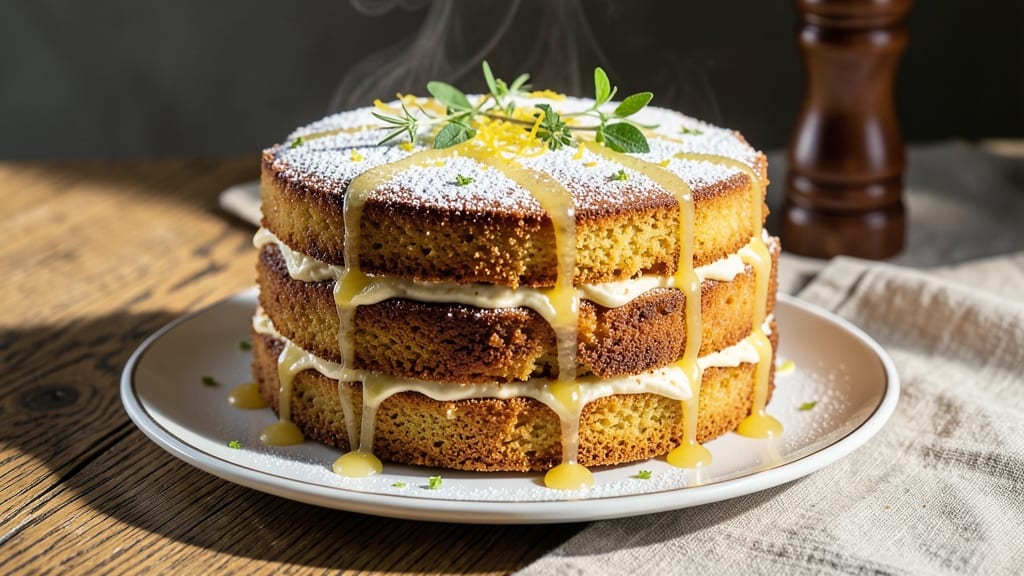
This almond flour lemon pound cake delivers a perfect balance of bright citrus and nutty richness—without the heaviness of traditional flour. The secret lies in almond flour’s natural moisture-retaining properties, which create a tender crumb that stays fresh for days.
I developed this recipe after years of experimenting with gluten-free baking, and the results are nothing short of restaurant-quality. What sets this cake apart is the lemon zest and juice, which infuse every layer with a zesty, aromatic punch.
The almond flour not only adds depth but also makes this cake naturally grain-free and lower in carbs. The recipe includes a simple lemon glaze to enhance the citrus notes, though powdered sugar works just as well for a classic finish.
By the time you pull this cake from the oven, you’ll have golden layers with a delicate crumb and a subtle nutty undertone. The lemon flavor shines through without overpowering, making it ideal for brunch, afternoon tea, or a light dessert.
It’s moist enough to satisfy cravings but light enough to feel indulgent. Perfect for dietary preferences or simply as a showstopper for any occasion, this cake proves that gluten-free baking can be both nutritious and utterly delicious. Let’s get baking!
Ingredients for almond flour lemon pound cake
Bright citrus and nutty richness meet in these simple, gluten-free ingredients.
| Ingredient | Amount | Notes |
|---|---|---|
| Almond Flour 🌰 | 2 ½ cups | Finely ground, unsweetened |
| Granulated Sugar 🍚 | 1 ½ cups | Light brown preferred |
| Unsalted Butter 🧈 | 1 cup | Cold, cubed, full-fat |
| Large Eggs 🥚 | 4 whole | Room temperature |
| Fresh Lemon Zest 🍋 | 2 tbsp | From 2 large lemons |
| Fresh Lemon Juice 🍋 | ½ cup | From 2 large lemons |
| Vanilla Extract 🌸 | 1 tbsp | Pure, high-quality |
| Baking Powder 🧂 | 1 ½ tsp | Aluminum-free preferred |
| Salt 🧂 | ½ tsp | Fine sea salt |
| Powdered Sugar 🍚 | 1 cup | For glaze |
| Heavy Cream 🥛 | ¼ cup | For glaze |
| Lemon Extract 🍋 | ½ tsp | Optional, for extra zing |
The almond flour is the star—Bob's Red Mill or Anthony's Goods are my go-tos for consistent texture. If you've got a food processor, grind your own for the freshest flavor (the bagged stuff works too, but it's pricier). For the butter, Plugrá or Land O'Lakes are reliable, but store-brand works if you're watching costs. The lemons? Organic if possible—the zest has more punch. I always grab extra lemons (the juice and zest are used separately), and I keep the zest in the freezer for future baking projects.
No almond flour? Oat flour or coconut flour can substitute, but the texture will differ—almond flour's moisture retention is key here. Running short on butter? Coconut oil works in a pinch, but it adds a slight coconut flavor. Fresh lemon juice not available? Bottled lemon juicePure, nothing imitation—it makes a difference. For the glaze, powdered sugar is a must, but if you want to skip the cream, a simple syrup (equal parts powdered sugar and water) works just as well.
Store the dry ingredients (almond flour, sugar, baking powder) in airtight containers for up to 6 months2 weeks of opening. Once baked, this cake stays moist for 4 days at room temperature or 7 days in the fridge. For longer storage, freeze the layers wrapped in plastic for up to 3 months. The glaze can be made ahead and reheated gently—just don't boil it, or it'll turn grainy.
Why You'll Love This Recipe
- No Mixer Needed: I swear by this recipe when my mixer’s on vacation—just whisk eggs and butter until fluffy, then fold in almond flour. The texture comes out tender without a single drop of sweat.
- Zesty Magic: That lemon zest? It’s the star. Bright, tangy, and just enough to make every bite feel like a little burst of sunshine—no artificial flavors, just real citrus magic in every slice.
- Weeknight Hero: Slice it fresh for breakfast or pack it for lunch—this cake holds up beautifully. Honestly, I’ve had it cold, room temp, and even reheated, and it’s always a win. (Yes, even on a Tuesday night.)
- Budget-Friendly Luxury: Almond flour might sound fancy, but it stretches further than regular flour, and the butter-egg combo makes it rich without breaking the bank. One batch feeds my family for days—minimal cost, maximum satisfaction.
Step-by-step instructions for almond flour lemon pound cake
Here's how to create a tender, citrus-kissed pound cake with perfect moisture and bright lemon flavor.
Cream Butter and Sugar for Maximum Fluffiness
In a stand mixer fitted with the paddle attachment, combine the 1 cup unsalted butter (cold and cubed) with the 1.5 cups granulated sugar. Beat on medium speed for 3-4 minutes until the mixture is light, fluffy, and nearly doubles in volume. You're looking for a pale, ribbon-like consistency that holds its shape when the beaters are lifted.
This creaming process incorporates air, which creates that signature tender crumb. I like to scrape down the sides of the bowl every 30 seconds to ensure even mixing. If your butter isn't cold enough, the mixture will turn greasy instead of fluffy—trust me, this step makes all the difference for that perfect texture.
Add Eggs and Citrus for Bright Flavor
Add the 4 whole large eggs one at a time, mixing on low speed after each addition until fully incorporated. Then stir in the 2 tablespoons fresh lemon zest, 0.5 cup fresh lemon juice, and 1 tablespoon vanilla extract. The mixture should be smooth and slightly thickened, with the vibrant color of fresh lemon.
I always use room-temperature eggs for even distribution. The lemon zest adds that beautiful citrus aroma while the juice keeps the cake moist. Here's the thing—don't skip the zest. It makes the difference between a good cake and one that truly sings with lemon flavor.
Combine Dry Ingredients Gently
In a separate bowl, whisk together the 2.5 cups almond flour, 1.5 teaspoons baking powder, and 0.5 teaspoon salt. Gradually add this dry mixture to the wet ingredients, mixing on low speed just until combined—you should still see some flour streaks. Overmixing develops gluten, which can make the cake dense.
Almond flour is different from regular flour because it doesn't contain gluten, so we need to be gentle. I like to use a silicone spatula to fold in the last bits by hand. The cake batter will be thick and smooth, almost like cookie dough, with a lovely golden hue from the lemon.
Bake Until Golden and Springy
Preheat your oven to 350°F and grease two 9-inch round cake pans or one 9x5-inch loaf pan (whichever you prefer). Divide the batter evenly between the prepared pans. Bake for 35-40 minutes (or 50-55 minutes for the loaf pan) until a toothpick inserted in the center comes out clean and the top springs back when pressed gently.
I press down gently on the center of the cake during the last 5 minutes of baking to prevent doming. The cake should be golden brown with a slightly domed top. If the edges brown too quickly, cover them loosely with aluminum foil. Let the cakes cool in the pans for 10 minutes before transferring to a wire rack to cool completely.
Make the Lemon Glaze for Extra Shine
While the cakes cool, whisk together the 1 cup powdered sugar, 0.25 cup heavy cream, and 0.5 teaspoon lemon extract (if using) until smooth. The glaze should be thick enough to coat the back of a spoon but still drizzle easily. If it's too thick, add 1-2 teaspoons water to loosen it.
Here's where it gets fun—drizzle the glaze over the completely cooled cake layers. I like to do this in a zigzag pattern for a decorative touch. The glaze adds that beautiful sheen and balances the nutty richness of the almond flour with a touch of sweet-tart lemon. Let the glaze set for 10 minutes before serving.
Pro Tips For Making Almond Flour Lemon Pound Cake
- Whisk Eggs Cold: Pull those eggs straight from the fridge and whisk them vigorously—no warm eggs here. I used to let them sit out, thinking it’d make the batter smoother, but the cake turned dense. Cold eggs incorporate better with the butter, and the texture stays light as a cloud.
- Sift That Almond Flour: Almond flour is clumpy, and clumps mean uneven baking. Sift it twice—once before mixing, once after—like you’re dusting for a snowstorm. I learned this the hard way when my first batch had dry pockets that refused to rise.
- Butter Must Be Room Temp: No guessing games—press your butter with a finger. If it leaves a dent, it’s ready. Cold butter won’t blend properly, and the cake will turn out greasy and heavy. I’ve ruined three batches by rushing this step—don’t be that person.
- Bake Until Slightly Under: The cake will look set before it actually is. Pull it out when the edges spring back but the center still jiggles like Jell-O. Almond flour cakes keep cooking off the heat, and overbaking turns them dry. A toothpick with moist crumbs is your goal.
Perfect pairings for this almond flour lemon pound cake
Citrus-Inspired Sides
Serve this lemon pound cake with a lemon curd tart on the side—its tangy filling complements the cake’s nutty base beautifully. I use Eggland’s Best eggs for the curd to ensure rich, creamy texture.
Alternatively, a strawberry shortcake with whipped cream adds a fruity contrast that brightens the almond flavor. 🍓
Creamy Complements
A scoop of lemon sorbet or vanilla bean ice cream cuts through the cake’s richness while enhancing its citrus notes. For a lighter option, try mascarpone cheese with a drizzle of honey—it adds a silky texture that pairs perfectly with the cake’s tender crumb.
I often serve it at room temperature for the best texture contrast.
Coffee & Tea Pairings
This cake’s delicate sweetness pairs wonderfully with Earl Grey tea—the bergamot notes echo the lemon’s brightness. For coffee lovers, a light roast with honey or cold brew balances the cake’s richness without overpowering it.
I’ve also enjoyed it with lavender latte, where the floral notes create a sophisticated flavor dance. ☕
Seasonal Garnishes
Top your cake with fresh berries like raspberries or blackberries for a pop of color and acidity. A sprinkle of toasted coconut flakes adds crunch and a tropical touch. For a festive look, I drizzle edible gold leaf or dust with citrus zest—it elevates the presentation instantly. 🌸
Wine & Spirits
A dry Riesling or Sauvignon Blanc enhances the cake’s citrus flavors with their crisp acidity. For a non-alcoholic option, sparkling lemonade with a mint garnish mirrors the cake’s zesty profile. If you prefer spirits, a gin-based lemon cocktail (like a Gin Fizz) complements the almond and citrus beautifully. 🍷
Nutrition facts
Frequently asked questions
Can I substitute almond flour in this recipe?
Yes, but the texture will change. For a grain-free option, try oat flour or coconut flour, though you may need to adjust liquid ratios. If you want a traditional texture, use all-purpose flour but reduce by 10% (2.25 cups instead of 2.5 cups) since almond flour is denser. The lemon flavor will still shine through!
Why does my almond flour cake turn out dry?
Almond flour absorbs moisture differently than wheat flour. To prevent dryness, make sure your butter is cold but not frozen and don't overbake—remove the cake when a toothpick comes out clean (not dry). For extra moisture, add 1-2 tablespoons lemon juice or 1 tablespoon almond milk to the batter.
Can I make this cake without eggs?
Replace the 4 eggs with a flax egg mixture: mix 4 tablespoons ground flaxseed with 10 tablespoons water, let sit for 5 minutes to thicken. For a vegan option, use 1/4 cup applesauce or 1/2 cup mashed banana per egg, but reduce other liquids slightly to maintain structure.
How do I store leftovers?
Keep the cake in an airtight container at room temperature for up to 3 days. For longer storage, refrigerate for 5-7 days or freeze slices wrapped tightly for 3 months. Thaw overnight in the fridge—never at room temperature. The glaze may soften when chilled, so let it sit at room temp for 10 minutes before serving.
What's the best way to layer this cake?
For a classic look, use two 9-inch round layers separated by lemon curd or whipped cream. If using a loaf pan, slice into 1-inch thick layers and stack with a lemon glaze between each. Press gently to create clean edges, then dust with powdered sugar or add fresh berries for garnish. The key is to keep layers level for an even presentation!