
Desserts
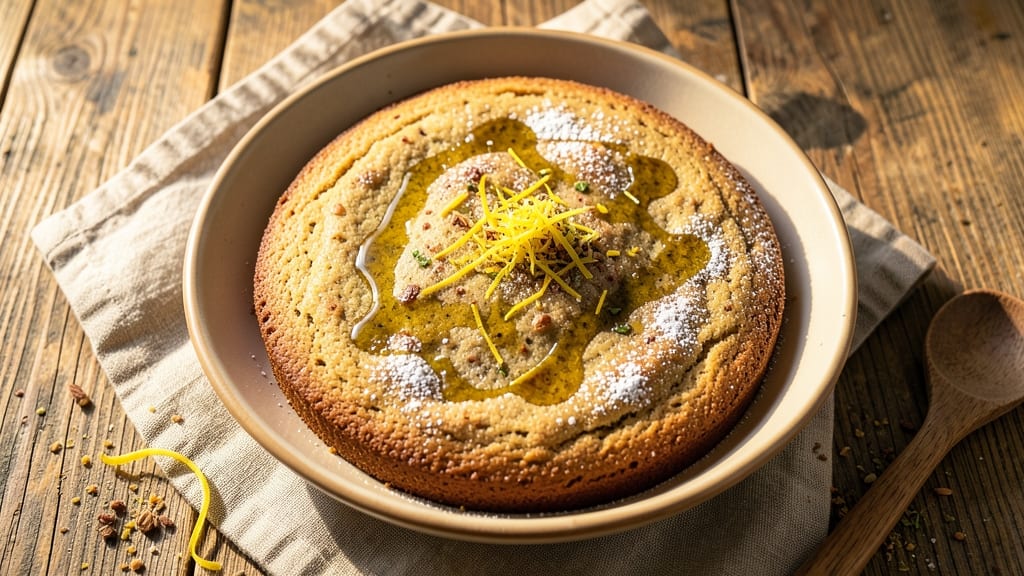
This almond flour olive oil cake recipe delivers a moist crumb and bright citrus notes without a single egg or dairy ingredient. The secret lies in the olive oil's richness and almond flour's natural moisture retention—perfect for those seeking a vegan dessert that still feels indulgent.
I've perfected this recipe over years of testing, ensuring every slice stays tender and flavorful even after baking.
The beauty of this recipe is its simplicity: just 7 ingredients and 30 minutes of active time, with no special equipment needed. The almond flour creates a delicate yet sturdy texture, while the olive oil keeps it wonderfully moist.
A touch of lemon zest brightens the flavor, balancing the nutty richness of the almonds.
What you'll end up with is a cake that's light yet dense, with a golden-brown crust and a crumb so tender it practically melts in your mouth.
The citrus zest adds a refreshing pop of flavor that pairs beautifully with a dusting of powdered sugar or a drizzle of honey. It's ideal for breakfast, dessert, or even a special occasion.
This recipe also works as a base for customization—add chocolate chips, swap the lemon for orange zest, or top with fresh berries. The possibilities are endless, but the foundation remains foolproof. Let's get baking!
Ingredients for almond flour olive oil cake
Seven ingredients transform into a tender, citrus-kissed vegan cake with no compromises.
| Ingredient | Amount | Notes |
|---|---|---|
| Superfine Almond Flour 🌰 | 2 ½ cups | Blanched, finely ground preferred |
| Extra-Virgin Olive Oil 🫒 | 1 cup | Light or medium variety |
| Granulated Sugar 🍚 | 1 cup | Organic preferred for purity |
| Unsweetened Almond Milk 🥛 | 1 cup | Vanilla or plain, unsweetened |
| Lemon Zest 🍋 | 1 tbsp | Freshly grated, organic preferred |
| Baking Powder 🧂 | 1 tsp | Aluminum-free recommended |
| Fine Sea Salt 🧂 | ½ tsp | Diamond Crystal preferred |
The almond flour is the star—blanched and finely ground ensures a smooth texture without grittiness. Bob’s Red Mill or Anthony’s Goods brands deliver consistent quality, but any reputable brand works. For the olive oil, California Extra Virgin or Colavita varieties provide the right balance of fruitiness and mildness. The zest should be bright yellow, not dried out—organic lemons often yield more vibrant zest. Pre-measure everything to avoid overmixing, which can make the cake dense.
No almond milk? Coconut milk works beautifully, though the flavor shifts slightly. Substituting granulated sugar with coconut sugar or maple syrup (reduce by 1 tbsp) keeps it vegan-friendly. For extra moisture, add 1 tbsp aquafaba (chickpea brine) as an egg substitute. The baking powder must be fresh—test with vinegar (if it fizzes, it’s active). If your lemon zest lacks brightness, add 1/4 tsp citric acid for extra tang. For a richer flavor, toast the almond flour lightly before mixing—just 3 minutes in a dry pan.
Store the cake in an airtight container at room temperature for up to 3 days, or refrigerate for up to 1 week. The texture improves slightly after 24 hours as the flavors meld. For longer storage, freeze slices in parchment-lined bags for up to 3 months. To serve, dust with powdered sugar or drizzle with agave syrup—both enhance the citrus notes without overpowering. Leftovers reheat beautifully in a 350°F oven for 5 minutes to restore freshness.
Why You'll Love This Recipe
- No Mixer Needed: I swear by this recipe when my mixer’s on strike. Just fold the superfine almond flour, olive oil, and sugar—no electric help required. The almond milk and lemon zest blend in like magic, and the batter’s so smooth you’d never guess it’s that simple.
- Bright & Rich: That first bite? Zesty lemon cuts through the buttery olive oil richness, while the almond flour gives it a tender crumb that’s dangerously addictive. Honestly, it’s the kind of cake that makes you pause mid-slice, wondering if you’ll ever eat anything else again.
- Weekday Breakfast or Dessert: Serve it warm with a drizzle of honey for a lazy Sunday brunch, or cut into squares for a no-fuss office snack. Between us, I’ve even used it as a base for a quick tiramisu—just layer with coffee and mascarpone. Versatile enough to play all roles.
- Leftovers That Last: This cake stays moist for days (yes, even without frosting), so I bake a batch on Sundays and stash it for school lunches or last-minute guests. The almond flour keeps it from drying out, and the olive oil adds that satisfying richness without needing extra fat. My secret weapon for effortless leftovers.
Step-by-step instructions for almond flour olive oil cake
This method delivers a tender crumb with perfect moisture balance—every detail matters.
Whisk Dry Ingredients for Even Distribution
In a medium bowl, combine the 2.5 cups superfine almond flour, 1 tsp baking powder, and 0.5 tsp fine sea salt. Whisk vigorously for 30 seconds until no flour pockets remain. The almond flour should look like fine powder with no clumps—this ensures an even texture throughout.
I always sift the almond flour through a fine-mesh sieve first if possible, as this breaks up any remaining particles and improves aeration. The baking powder is crucial here; it's the only leavening agent in this recipe, so don't skip mixing it thoroughly. Set the bowl aside while you prepare the wet ingredients.
Combine Wet Ingredients for Silky Texture
In a separate large bowl, whisk together the 1 cup extra-virgin olive oil, 1 cup granulated sugar, and 1 cup unsweetened almond milk until fully combined. The mixture should be smooth with no streaks of oil remaining. This step is where the cake's signature moisture comes from—the olive oil creates a tender crumb while the sugar helps retain moisture.
Add the 1 tbsp lemon zest and mix gently to distribute those bright citrus notes evenly. The zest will infuse flavor without adding liquid, so we incorporate it at this stage. Let the mixture sit for 2 minutes—this allows the almond milk to slightly hydrate the sugar, creating a more stable batter.
Gently Fold Wet and Dry Ingredients
With a rubber spatula, gently fold the dry ingredients into the wet mixture in three additions. Start by mixing just until combined, then stop—overmixing develops gluten in the almond flour, which can make the cake dense. You're looking for a thick, smooth batter that coats the back of your spoon but still holds its shape when lifted.
This is where the cake's delicate structure forms. The folding technique incorporates air without overworking the batter. If the mixture seems too thick after folding, add 1-2 tablespoons of almond milk to loosen it slightly. The batter should be like thick pancake batter—neither too runny nor too stiff.
Bake at Precise Temperature for Even Rise
Preheat your oven to 350°F and grease an 8-inch round cake pan generously with olive oil or line it with parchment paper. Pour the batter into the prepared pan and smooth the top with a spatula. Tap the pan gently on the counter 3-4 times to remove any air bubbles that might have formed during folding.
Bake for 30-35 minutes until a toothpick inserted in the center comes out clean and the top springs back when pressed gently. The cake should have a golden hue but not be browned. I've found that almond flour cakes benefit from a slightly longer bake time than wheat flour cakes—they need that extra time to set properly while maintaining moisture.
Cool and Serve for Optimal Texture
Remove the cake from the oven and let it cool in the pan for 10 minutes, then transfer it to a wire rack to cool completely. This gradual cooling prevents the cake from developing a gummy texture. The internal temperature should drop to 100°F before slicing—this ensures clean cuts and prevents crumbling.
Serve slices at room temperature for the best texture—they'll be moist with a tender crumb and bright lemon notes that complement the rich olive oil. Store any leftovers wrapped tightly in plastic at room temperature for up to 3 days, or refrigerate for up to 5 days. The cake keeps well but is best enjoyed fresh from the oven.
Pro Tips For Making Almond Flour Olive Oil Cake
- Whisk the Oil First: Mix the olive oil and sugar together until fully emulsified before adding wet ingredients—this prevents lumps in the batter. I learned this after scraping dry bits out of my cake the first few times, and now it blends smoothly every time.
- Measure Almond Milk Cold: Use unsweetened almond milk straight from the fridge to slow down the baking process slightly—this gives the cake a denser crumb instead of a dry, crumbly texture. Warm milk speeds things up too much, and this cake doesn’t forgive rushing.
- Skip the Overmixing: Fold in the lemon zest and almond milk just until combined—overworking the batter incorporates too much air, leading to a cake that collapses or has uneven texture. Think "gentle swirls," not "whipped to perfection."
- Test Doneness with a Toothpick: Pull the cake from the oven when the center reads 205°F (90°C) on an instant-read thermometer—it’ll firm up as it cools, but checking with a toothpick (moist crumbs, no wet batter) is more reliable than guessing. Underbaking makes it gummy; overbaking turns it dry.
Troubleshooting this recipe
Dense Cake Texture
If your cake turns out dense instead of tender, it’s likely due to overmixing the batter. Almond flour lacks gluten, so it needs gentle handling. Mix just until combined—stop as soon as the dry ingredients disappear.
Also, ensure your almond flour is superfine (not almond meal) and blanched for a smoother texture. If the batter seems too thick, add 1 tbsp almond milk at a time until it reaches a thick pancake consistency. 💡
Cake Stays Raw Inside
An underbaked center usually means the oven wasn’t hot enough or the cake needed more time. Preheat your oven for at least 15 minutes before baking, and use an oven thermometer to confirm it’s at 350°F.
If the toothpick comes out clean but the center feels soft, return the cake to the oven for 5-10 more minutes. Almond flour cakes often require 35-40 minutes total—don’t rush it! ⏱️
Dry or Crumbly Texture
Overbaking is the most common cause of dryness. Once the toothpick comes out clean, remove the cake immediately. If it’s still slightly underbaked, it’ll finish cooling while retaining moisture. For extra moisture, brush the warm cake with 1 tbsp olive oil or almond milk while it’s still in the pan.
Storing the cake in an airtight container with a slice of bread (to absorb moisture) also helps preserve its tenderness. 🌰
Cracked Top or Uneven Rise
Uneven baking often happens if the oven isn’t calibrated or the pan isn’t preheated. Place your 8-inch cake pan on the middle rack and avoid opening the oven door during baking. If cracks appear, it’s usually from rapid cooling—let the cake cool in the pan for 10-15 minutes before transferring.
For a smoother rise, tap the pan 3-4 times on the counter after pouring the batter to release air bubbles. ✨
Lemon Zest Flavor Fading
If the citrus notes aren’t bright enough, your zest may not have been fresh or finely grated. Use organic lemons for the most vibrant zest, and grate it just before mixing. For extra zing, add ¼ tsp citric acid to the dry ingredients.
If the flavor still feels weak, try doubling the zest (up to 2 tbsp) or adding 1 tsp lemon juice to the wet ingredients. Freshness is key—zest loses potency quickly! 🍋
Batter Too Thin or Runny
A runny batter usually means the almond flour wasn’t properly incorporated or the liquid was overmeasured. Sift the almond flour first to aerate it, then fold the dry ingredients into the wet mixture in three additions.
If the batter is still too thin, add 1-2 tbsp more almond flour to thicken it. Avoid substituting almond milk with water—its fat content helps create the right texture. 🥛
Nutrition facts
Frequently asked questions
Can I make this cake without almond milk?
Swap the almond milk for 1 cup coconut milk (full-fat for creaminess) or 1 cup soy milk—both work well. For a neutral flavor, use unsweetened oat milk, but the texture may be slightly denser. Avoid water or plant milks with strong flavors (like almond or cashew) as they can overpower the citrus notes.
Why does my almond flour cake turn out dense?
Overmixing is the #1 culprit—almond flour lacks gluten, so handle it gently. Mix just until combined (about 20-30 seconds), then stop immediately. Also ensure your almond flour is superfine (not almond meal) and blanched for a smoother texture. If the batter seems too thick, add 1 tbsp almond milk at a time until it reaches thick pancake consistency.
How do I store leftovers to keep them moist?
Store slices in an airtight container at room temperature for up to 3 days, or refrigerate for up to 5 days. For extra moisture, wrap each slice in plastic wrap before storing. To revive stale slices, warm them in a 350°F oven for 5 minutes with a splash of almond milk or olive oil. Freeze for up to 3 months—thaw overnight in the fridge for best texture.
Can I add chocolate or other mix-ins?
Yes! Fold in ½ cup dark chocolate chips or chopped nuts (walnuts or pecans) for extra richness. For fruit lovers, add ½ cup finely chopped apricots or berries—just toss them in flour first to prevent sinking. Keep mix-ins to 10% of the batter to maintain the cake's delicate texture. Avoid wet ingredients like applesauce, as they can make the batter too runny.
Why does my cake crack on top?
Cracking usually happens from rapid cooling or uneven heat. Let the cake cool in the pan for 10-15 minutes before transferring to a rack. Place the pan on the middle oven rack and avoid opening the oven door during baking. For a smoother rise, tap the pan 3-4 times on the counter after pouring the batter to release air bubbles. If cracks appear, they’re purely cosmetic—the cake will still taste delicious!