
Desserts
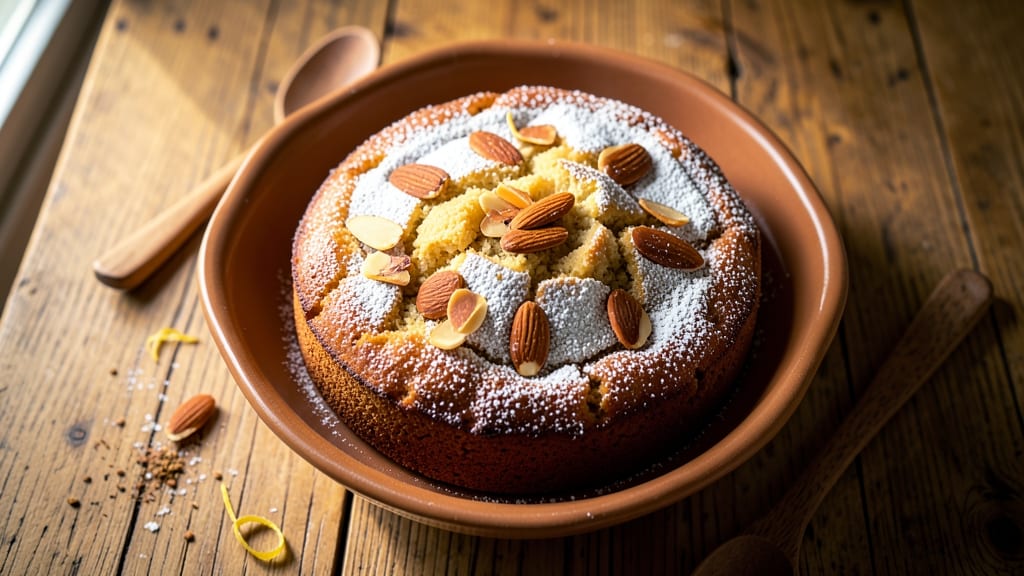
This almond pound cake recipe like a Tastefully Simple classic delivers the signature moist, tender crumb and nutty depth you love from Tastefully Simple—without the guesswork. The secret lies in a precise blend of ground almonds and almond extract, creating layers of vanilla-infused richness that stay fresh for days.
I’ve refined this recipe over years to ensure every slice is perfectly balanced: not too dense, not too dry, just like the original inspiration.
The magic happens in the mixing—whipped eggs and butter create that signature lightness, while a touch of sour cream keeps the crumb impossibly tender. Ground almonds add subtle nuttiness, and a hint of almond extract elevates the flavor to restaurant-quality.
Baking at 325°F for 50 minutes ensures a golden crust and a cake that pulls away from the pan effortlessly.
What you’ll end up with is a moist, slightly crumbly pound cake with layers of vanilla-almond harmony—ideal for slicing into thick pieces or dusting with powdered sugar for an elegant finish.
The texture stays fresh for up to 3 days, making it perfect for gifts, brunch, or a simple dessert that feels special.
Whether you’re baking for a crowd or treating yourself, this recipe delivers foolproof results every time. Let’s get started—your taste buds will thank you.
Ingredients for almond pound cake recipe like tastefully simple
Twelve simple ingredients transform into the signature moist, nutty almond pound cake you crave—just like Tastefully Simple's classic.
| Ingredient | Amount | Notes |
|---|---|---|
| All-Purpose Flour 🌾 | 2 ½ cups | Sifted for light texture |
| Ground Almonds 🥜 | 1 ½ cups | Finely ground, unsweetened |
| Unsalted Butter 🧈 | 1 ½ cups | Room temperature, European preferred |
| Large Eggs 🥚 | 6 whole | Room temperature, separated |
| Granulated Sugar 🍚 | 2 cups | Superfine preferred for smoothness |
| Sour Cream 🍶 | ½ cup | Full-fat for tenderness |
| Almond Extract 🌿 | 1 tbsp | Pure, not imitation |
| Pure Vanilla Extract 🍯 | 2 tsp | Bourbon preferred |
| Baking Powder 🌶️ | 2 tsp | Aluminum-free |
| Salt 🧂 | ½ tsp | Diamond Crystal preferred |
| Powdered Sugar 🍚 | ¼ cup | For dusting, optional |
The ground almonds are non-negotiable here—Trader Joe's or Bob's Red Mill brands have the finest grind, but any unsweetened almond flour works if you pulse your own. Butter quality matters too; European-style has more fat content, giving that signature richness. I always grab Plugrá when I can, but regular unsalted works fine. Room temperature is key—pop the butter in the microwave for 40 seconds if it's straight from the fridge. The eggs? Separate them—you'll whip the whites later for that signature lightness.
No almond extract? Vanilla bean paste at double the amount works in a pinch, though it's pricier. Running low on sour cream? Greek yogurt at the same quantity keeps the cake tender, just with a slightly tangier note. Superfine sugar isn't mandatory, but it dissolves better—pulse regular granulated in a food processor if needed. The vanilla extract should smell potent; if it's faint, grab a new bottle. For extra nuttiness, toast the ground almonds for 5 minutes at 350°F before mixing, but it's not required.
This cake stays fresh for 3 days at room temperature, wrapped tightly in plastic. For longer storage, slice and freeze portions for up to 3 months—thaw at room temperature before serving. The powdered sugar dusting is optional but adds that restaurant-quality finish. I always bake two cakes at once—one for immediate slicing, one to gift-wrapped for later. The flavor actually improves after a day or two, so make extra if you can.
Why You'll Love This Recipe
- No Mixer Needed: The secret’s in the creaming—just butter, sugar, and eggs beaten by hand until fluffy. No electric mixer, no fuss, and that’s when the magic happens. My arms get a workout, but the cake? Silky perfection.
- Rich Without Overpowering: Ground almonds and butter create this deep, nutty warmth that doesn’t scream "dessert overload." Honestly, the first bite makes me think, This could be breakfast—and that’s saying something.
- Weekday Hero: Slice it for lunch, pack it for work, or serve it with coffee when friends drop by. Between us, it’s the kind of cake that disappears fast, so I make it twice—once for today, once for "just in case."
- Budget-Friendly Luxury: Butter and eggs feel indulgent, but almond flour stretches the doughiness just enough to make a whole cake feel like a splurge. I’ll be real: my grocery bill thanks me, but my taste buds? They’re living large.
Step-by-step instructions for almond pound cake like Tastefully Simple
This method ensures a tender crumb, rich almond flavor, and perfect moisture every time.
Prepare Your Ingredients for Perfect Texture
Start by separating the 6 whole large eggs, placing the yolks in one bowl and whites in another. Let both come to room temperature while you prep the rest—this ensures even baking and maximum volume. Sift together the 2.5 cups all-purpose flour and 2 teaspoons baking powder into a medium bowl. I like to use a fine-mesh sieve for this step to avoid any lumps in the final batter.
In a separate large mixing bowl, beat the 1.5 cups unsalted butter and 2 cups granulated sugar together on medium speed until light and fluffy—about 3-4 minutes. This creaming process incorporates air, which creates that signature tender crumb. Scrape down the sides of the bowl with a spatula to ensure even mixing before adding the yolks one at a time, mixing just until combined after each addition.
Combine Wet Ingredients for Rich Moisture
Add the 0.5 cup sour cream to the butter mixture and mix until fully incorporated. This step is crucial for keeping the cake moist—sour cream adds richness and prevents dryness. In a small bowl, whisk together the 1 tablespoon almond extract and 2 teaspoons pure vanilla extract, then stir this fragrant mixture into the wet ingredients along with the 0.5 teaspoon salt. The extracts infuse the entire cake with deep almond and vanilla notes.
Gently fold in the 1.5 cups ground almonds using a rubber spatula, being careful not to overmix. The almonds should be evenly distributed throughout the batter. Here's the thing—ground almonds can be dense, so folding them in by hand ensures they're incorporated without developing gluten, which would make the cake tough.
Incorporate Dry Ingredients and Egg Whites
Gradually add the sifted flour mixture to the wet ingredients, mixing on low speed just until combined. You're looking for a smooth, thick batter with no visible streaks of flour—this prevents a dense texture. In the bowl with egg whites, beat them on medium-high speed until soft peaks form. I like to add a pinch of salt to the whites for extra stability.
Fold the egg whites into the batter in two additions, using a gentle folding motion to maintain airiness. The batter should be thick but pourable—if it's too stiff, your cake may be dense. This is where patience pays off; don't rush the folding. The goal is to keep those air pockets intact for a light, airy crumb.
Bake to Golden Perfection
Preheat your oven to 350°F and grease two 9-inch round cake pans generously with butter, then dust with flour. Divide the batter evenly between the pans. Here's a pro tip: tap the pans gently on the counter to release any air bubbles that may have formed during mixing. Bake for 50-55 minutes, or until a toothpick inserted in the center comes out clean.
The cake should be golden brown and spring back gently when pressed in the center. I always bake mine on the middle rack for even heat distribution. If the tops brown too quickly, tent the pans loosely with aluminum foil after 30 minutes to prevent over-browning while still allowing the cake to bake through.
Cool and Serve for Maximum Flavor
Allow the cakes to cool in their pans for 15 minutes, then transfer to a wire rack to cool completely. This gradual cooling prevents cracking and helps the cake set properly. Once fully cooled, dust the tops generously with the 0.25 cup powdered sugar using a fine-mesh sieve for an elegant finish.
Slice with a serrated knife for clean cuts, and serve at room temperature. The cake should be moist with a tender crumb and a delicate almond flavor that lingers. For the best experience, serve within 2-3 days—this cake holds up beautifully but tastes best when fresh. Store leftovers wrapped tightly at room temperature.
Pro Tips For Making Almond Pound Cake Recipe Like Tastefully Simple
- Weigh Your Butter: I learned this the hard way—measuring butter by cups leaves you guessing. For this cake, use a kitchen scale for the butter (and eggs if you’re precise). The recipe relies on that rich, dense texture, and packed butter throws off the balance every time.
- Sift the Almond Flour: Ground almonds are notorious for clumping, and this cake’s tender crumb depends on even distribution. Sift them with the all-purpose flour right into the bowl—no need to pre-mix. (Yes, even if you’re impatient like me.)
- Bake Until Springy: This isn’t a cake that begs for early removal. Test doneness with a skewer: it should come out clean but still feel slightly moist inside. The cake continues setting as it cools, so resist the urge to cut into it at 30 minutes—wait for that 35-40 minute mark.
- Room-Temp Eggs Matter: Cold eggs incorporate air poorly, and this cake’s lightness suffers when they’re straight from the fridge. Let them sit in warm water for 10 minutes before cracking—just enough to loosen the whites without turning them runny. (Your future self will thank you.)
Storing and reheating this recipe
Room Temperature Storage
This cake stays fresh and moist for up to 3 days at room temperature when stored properly. Wrap the entire cake tightly in plastic wrap or place individual slices in airtight containers with a slice of bread to absorb moisture.
I always keep it in a cool, dark place like a pantry—avoid direct sunlight, which can dry it out. The almond flavor actually deepens over time, making it taste even better the next day. 💛
Refrigerator Refresh
If you need to store leftovers for longer than 3 days, pop slices in the fridge for up to 5 days. The cold air can make the cake slightly drier, so I recommend reheating before serving.
For best results, wrap slices individually in parchment paper before placing them in a ziplock bag—this prevents them from sticking together. Let them sit at room temperature for 10-15 minutes before serving to restore that tender crumb.
Freezer-Friendly Slices
For maximum shelf life, freeze individual slices wrapped in plastic wrap and placed in a freezer bag for up to 3 months. Thaw overnight in the fridge to avoid condensation. I find that freezing works best with fully cooled cake—this prevents ice crystals from forming.
When reheating, microwave individual slices for 10-15 seconds on medium power, or warm in a 350°F oven for 5-7 minutes until fully thawed.
Reheating Secrets
For that just-baked texture, reheat slices in a skillet over low heat for 2-3 minutes per side. The residual heat from the pan helps restore moisture without overcooking. If using the microwave, cover the slice with a damp paper towel to prevent drying.
I avoid high heat—it can turn the edges rubbery. A quick pass under the broiler for 20 seconds adds a golden finish without overcooking the center. ✨
Gift-Worthy Packaging
When gifting, wrap individual slices in parchment paper, then place them in a decorative tin or cellophane bag. Add a sprig of fresh rosemary or a dusting of powdered sugar for an elegant touch.
I like to include a handwritten note with reheating instructions—this makes the recipient feel like they're getting a restaurant-quality treat. The cake travels well this way, staying fresh for up to 3 days at room temperature.
Nutrition facts
Frequently asked questions
Can I substitute almond extract with something else?
The almond extract is key for that authentic nutty flavor, but you can use 1 teaspoon almond butter mixed with 1 teaspoon warm water as a substitute. For a more intense flavor, toast 1 tablespoon sliced almonds until golden, then grind them into a powder and fold into the batter. Just remember—these alternatives will change the texture slightly, so expect a denser crumb.
Why did my cake turn out dense instead of tender?
Overmixing the batter is the #1 culprit—once the flour is added, mix just until combined to avoid developing gluten. Another common mistake is using cold eggs or butter, which prevents proper air incorporation. Make sure your butter is room temperature and your eggs are separated and whipped to soft peaks before folding. Also, don't overbake—pull the cake when a toothpick comes out clean but with a few moist crumbs.
Can I make this cake in a different pan size?
Yes, but you'll need to adjust the baking time. For a 9x13-inch pan, bake at 325°F for 40-45 minutes—the wider surface area means it bakes faster. For a 6-inch round pan, increase the time to 60-65 minutes at 325°F. Always check for doneness with a toothpick. Pro tip: If using a different pan, reduce the oven temperature by 25°F to prevent over-browning.
How do I make this cake gluten-free?
Replace the 2.5 cups all-purpose flour with a 1:1 gluten-free baking flour blend (like Bob's Red Mill or King Arthur) plus 1 teaspoon xanthan gum to mimic the structure. For the ground almonds, use almond flour instead—it's already gluten-free. You may need to add 1-2 tablespoons extra liquid (like almond milk) since gluten-free flours absorb differently. Test the batter consistency before baking.
Can I add chocolate or other mix-ins?
Fold in ½ cup chocolate chips or ¼ cup chopped dark chocolate when adding the ground almonds. For a marbled effect, divide the batter, tint half with 1 teaspoon cocoa powder, then swirl the two batters together. Avoid adding more than 1 cup total mix-ins—too much can make the cake dense. Stick to complementary flavors like orange zest or raspberry jam for a fruity twist.