
Desserts
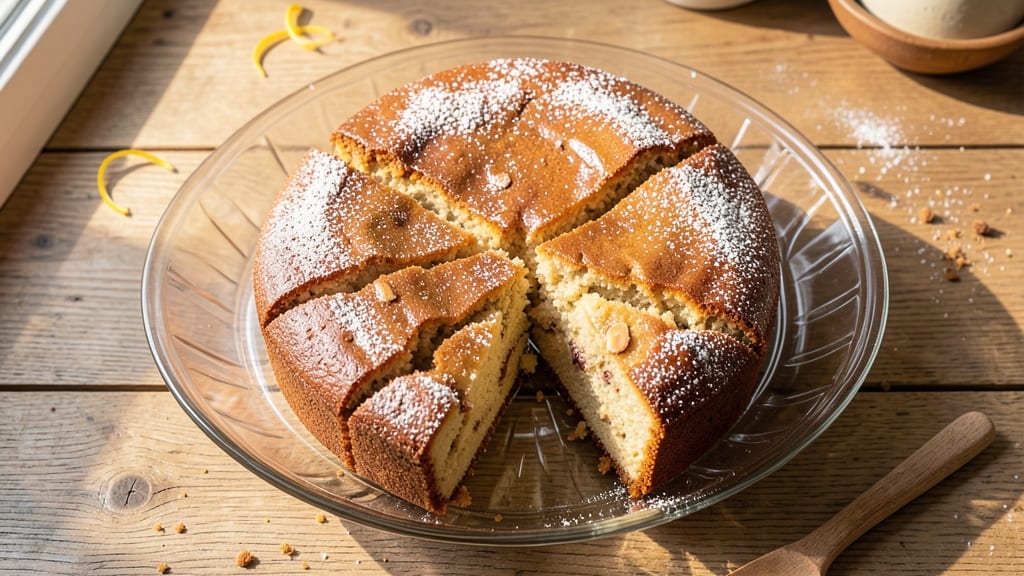
This almond sour cream pound cake delivers moist, tender layers with a buttery crust that's impossible to resist. The secret lies in almond flour for nutty depth and sour cream for that signature tender crumb—no dryness here.
I've perfected this recipe over years of baking, and it never fails to impress, whether served as a dessert or breakfast treat.
The magic happens in the mixing: creaming butter and sugar properly creates air pockets, while the almond flour adds richness without heaviness. Sour cream keeps the cake moist for days, and a simple glaze elevates it from homemade to bakery-worthy.
This version bakes at 325°F for about 60 minutes, yielding a cake that's perfectly golden with a crackly top.
What you'll end up with is a cake that's tender yet sturdy, with a delicate almond flavor that pairs beautifully with fruit compotes or whipped cream. The texture stays moist for up to 5 days when stored properly, making it ideal for meal prep or gifts.
Every slice reveals that perfect balance of buttery crust and velvety crumb.
Serve warm with vanilla ice cream or dusted with powdered sugar for an elegant finish. The almond flour gives it a sophisticated touch, while the sour cream ensures it stays moist longer than traditional pound cakes. Let's get baking—this one's a crowd-pleaser every time.
Ingredients for almond sour cream pound cake
Twelve ingredients transform into layers of nutty, buttery perfection—moist crumb meets crackly crust.
| Ingredient | Amount | Notes |
|---|---|---|
| Unsalted Butter 🧈 | 1 cup | Room temperature, softened |
| Granulated Sugar 🍚 | 2 cups | Superfine for smoother texture |
| Almond Flour 🌰 | 1 ½ cups | Finely ground, unsweetened |
| All-Purpose Flour 🌾 | 1 ½ cups | Sifted for lightness |
| Sour Cream 🥛 | 1 cup | Full-fat for moisture |
| Large Eggs 🥚 | 4 whole | Room temperature |
| Vanilla Extract 🌿 | 2 tsp | Pure, high-quality |
| Baking Powder 🧂 | 2 tsp | Aluminum-free preferred |
| Salt 🧂 | ½ tsp | Fine sea salt |
| Powdered Sugar 🍚 | 1 cup | For glaze, sifted |
| Milk 🥛 | ½ cup | Whole milk preferred |
| Almond Extract 🌰 | ½ tsp | Pure, not imitation |
The almond flour is non-negotiable here. Bob's Red Mill or Anthony's Goods brands deliver the finest grind—anything coarser will leave a gritty texture. Grab it in the baking aisle, not the health food section. The butter should be room temperature when you cream it with sugar; if it's too cold, the cake will be dense. I always buy Plugrá butter for its high fat content, but any good-quality unsalted butter works. For the sour cream, full-fat is essential—low-fat versions won't give that signature tender crumb.
No almond flour? Substitute with 1:1 almond meal, but pulse it extra-fine in a food processor. Short on vanilla? Vanilla bean paste works too. The glaze can be made with just powdered sugar and milk, but adding almond extract intensifies that nutty flavor. For a richer cake, replace half the milk with heavy cream. The eggs should be room temperature—cold eggs create air pockets that collapse during baking. If you're gluten-sensitive, swap the all-purpose flour for a 1:1 gluten-free blend.
This cake keeps beautifully—5 days in an airtight container at room temperature, or 2 weeks refrigerated. For longer storage, slice and freeze portions wrapped in plastic for up to 3 months. The glaze sets quickly, so assemble the cake just before serving. Wrap tightly in plastic wrap to maintain moisture. I always bake two pans at once—one for now, one for later. The second one actually tastes better the next day as flavors meld.
Why You'll Love This Recipe
- One-Bowl Wonder: I swear by this recipe when I’m too tired to measure a dozen ingredients. Just cream the butter and sugar, toss in the dry stuff, fold in that tangy sour cream—done. No extra bowls, no fuss, and zero cleanup beyond one mixer.
- Nutty Creamy Magic: That almond flour gives it a subtle richness without being heavy, while the sour cream keeps it moist and tender. Honestly, it’s the kind of cake that makes you close your eyes and sigh—like biting into a cloud with a hint of marzipan.
- Weeknight Hero: Slice it fresh for breakfast with coffee, pack it for lunch, or serve it at brunch—it’s that versatile. I’ve even used it as a base for trifles when I’m too lazy to bake from scratch. The sour cream’s acidity cuts through sweetness, so it works for dessert too.
- Leftovers That Beg: This cake doesn’t dry out fast, so I can bake it once and enjoy it for days. My kids actually ask for it over store-bought, and it’s cheaper than buying a fancy boxed cake. Plus, the butter and almond flour combo makes every slice feel like a treat.
Step-by-step instructions for almond sour cream pound cake
This method delivers a tender, nutty cake with a buttery crust every time.
Prepare the Dry and Wet Ingredients Separately
In a medium bowl, whisk together the 1.5 cups almond flour and 1.5 cups all-purpose flour until fully combined. Sift in the 2 tsp baking powder and 0.5 tsp salt, then whisk again to remove any lumps. Set aside—this dry mixture should be completely homogeneous before combining with wet ingredients.
In a separate large bowl, cream together the 1 cup softened unsalted butter and 2 cups granulated sugar using an electric mixer on medium speed until light and fluffy, about 3-4 minutes. The mixture should nearly double in volume and turn pale, indicating proper aeration. This step is critical for creating that signature tender crumb.
Combine Wet Ingredients and Incorporate Dry Mixture
Add the 4 whole large eggs, one at a time, mixing well after each addition. The batter will thicken slightly with each egg. Stir in the 1 cup sour cream, 2 tsp vanilla extract, and 0.5 tsp almond extract until fully incorporated. The almond extract adds depth, but don't overmix—just combine until smooth.
Gradually add the dry ingredients to the wet mixture in three additions, mixing on low speed just until combined after each addition. Scrape down the sides of the bowl as needed to ensure even distribution. Overmixing develops gluten, which can make the cake dense. Stop mixing as soon as all dry ingredients are incorporated.
Bake in a Prepared Pan for Even Cooking
Preheat your oven to 350°F. Generously grease a 10x4-inch loaf pan with butter or line it with parchment paper for easy removal. Pour the batter into the prepared pan and smooth the top with a spatula. Tap the pan gently on the counter to release any air bubbles trapped in the batter.
Bake for 50-60 minutes, or until a toothpick inserted in the center comes out clean. The cake should spring back slightly when pressed gently in the center. If the top browns too quickly, tent loosely with aluminum foil after 30 minutes to prevent over-browning while ensuring even cooking.
Prepare the Powdered Sugar Glaze and Cool
While the cake bakes, combine the 1 cup powdered sugar, 0.5 cup milk, and 0.5 tsp almond extract in a small bowl. Whisk until smooth and glossy, ensuring there are no lumps. The glaze should be thick enough to coat the back of a spoon but still pourable.
Remove the cake from the oven and let it cool in the pan for 10 minutes. Then transfer it to a wire rack to cool completely before glazing. Once fully cooled, drizzle the glaze evenly over the top and sides of the cake. Allow the glaze to set for 15 minutes before slicing to ensure clean cuts and prevent sticking.
Pro Tips For Making Almond Sour Cream Pound Cake
- WHISK BUTTER AND SUGAR UNTIL PALE: I learned this the hard way—skipping the full 3-5 minutes of whipping butter and sugar until it’s actual pale yellow means your cake will taste flat and dense. The air incorporated here is what makes pound cake light, not just the sour cream. Trust the timer, even if your arm starts to protest.
- SIFT ALMOND FLOUR FIRST: Almond flour is heavy and clumps like a stubborn guest who won’t leave. Sift it before mixing with the wet ingredients—this prevents lumps and ensures even distribution. Pro move: Use a fine-mesh sieve or food processor to break up any stubborn clods.
- DON’T OVERMIX THE BATTER: Once you fold in the dry ingredients, stop as soon as they’re just combined. Overmixing develops gluten, which turns your tender pound cake into a chewy brick. Two turns of a spatula is all it takes—your batter should have a few streaks of flour, not look like pancake batter.
- USE ROOM-TEMP SOUR CREAM: Cold sour cream won’t blend smoothly and can cause greasy pockets in your cake. Let it sit out for 30 minutes before measuring—this ensures it mixes into the butter-sugar base like a dream. (Yes, even if you’re impatient like me.)
Serving suggestions for leftovers
Classic Complements
Serve warm slices with a scoop of vanilla bean ice cream—the creamy contrast to the cake's nutty richness is unbeatable. I always keep a pint of Häagen-Dazs vanilla on hand for this purpose. The cold temperature also helps cut through the cake's buttery density, creating a perfect balance. 🥛
For a lighter option, try whipped cream lightly sweetened with a dusting of powdered sugar and a few drops of almond extract. This adds airiness that complements the cake's dense texture without overpowering it. A sprinkle of toasted sliced almonds on top adds crunch and visual appeal.
Fruit Pairings
Fresh strawberries or raspberries make an elegant pairing—their natural sweetness and acidity brighten the cake's richness. I recommend Seascape strawberries for their intense flavor and firm texture. Serve the fruit on the side or lightly macerated with a touch of honey and lemon zest for a quick compote.
For a more decadent option, warm caramelized apples with a pinch of cinnamon and a drizzle of dark chocolate create a sophisticated topping. The warmth of the apples contrasts beautifully with the cake's cool, creamy glaze. This combination feels especially cozy during fall gatherings.
Coffee & Tea
A cup of strong brewed coffee—I prefer a dark roast like Peet's Major Dickason's Blend—cuts through the cake's richness and enhances the almond flavor. The bitterness of the coffee balances the sweetness perfectly. Serve the coffee black or with a splash of heavy cream for extra indulgence.
For tea lovers, an Earl Grey or jasmine green tea with lemon adds a floral note that pairs wonderfully with the cake's nutty undertones. The tea's astringency helps cleanse the palate between bites. I often serve this pairing during afternoon tea gatherings for a refined touch.
Seasonal Twists
In summer, serve the cake chilled with a side of peach slices and a drizzle of honey. The juicy fruit adds freshness that contrasts with the cake's dense texture. For a festive touch, add fresh mint leaves for a pop of color and aroma.
During holiday seasons, dust the cake with powdered sugar and serve with cranberry sauce on the side. The tartness of the cranberries complements the cake's sweetness, creating a perfect balance for Thanksgiving or Christmas desserts. This combination feels especially festive and nostalgic.
Nutrition facts
Frequently asked questions
Why does almond flour make this pound cake different?
Almond flour adds a delicate nutty flavor and creates a lighter, more tender crumb compared to all-purpose flour. It also absorbs moisture differently, which is why the sour cream is essential—it keeps the cake moist without making it dense. The texture becomes almost velvety, with a subtle crunch from the toasted almonds in the flour.
Can I substitute almond flour with regular flour?
You can replace 1 cup almond flour with 1 cup all-purpose flour, but the texture and flavor will change. The cake will be less tender and lack that signature nutty depth. For best results, reduce the sour cream by 2 tablespoons since almond flour absorbs more liquid. The glaze will also need extra milk to compensate for the reduced moisture.
How do I know when the cake is fully baked?
The cake is done when a toothpick inserted in the center comes out clean or with just a few moist crumbs. It should also spring back slightly when pressed gently in the middle. If the top browns too quickly, tent with foil after 30 minutes to prevent over-browning while the center finishes cooking.
Why does my cake have a crackly top?
A crackly top is normal and actually desirable! It forms when the cake bakes at 350°F and the outer layer dries slightly faster than the inside. This creates a thin, crisp crust that contrasts beautifully with the tender interior. If you prefer a smoother top, cover the cake with foil after 20 minutes of baking.
Can I make this cake ahead of time?
This cake keeps well for 5 days at room temperature in an airtight container. For longer storage, refrigerate for up to 2 weeks or freeze slices for 3 months. The flavors actually improve over time as the almond and butter notes meld together. Bring to room temperature before serving for the best texture.