
Desserts
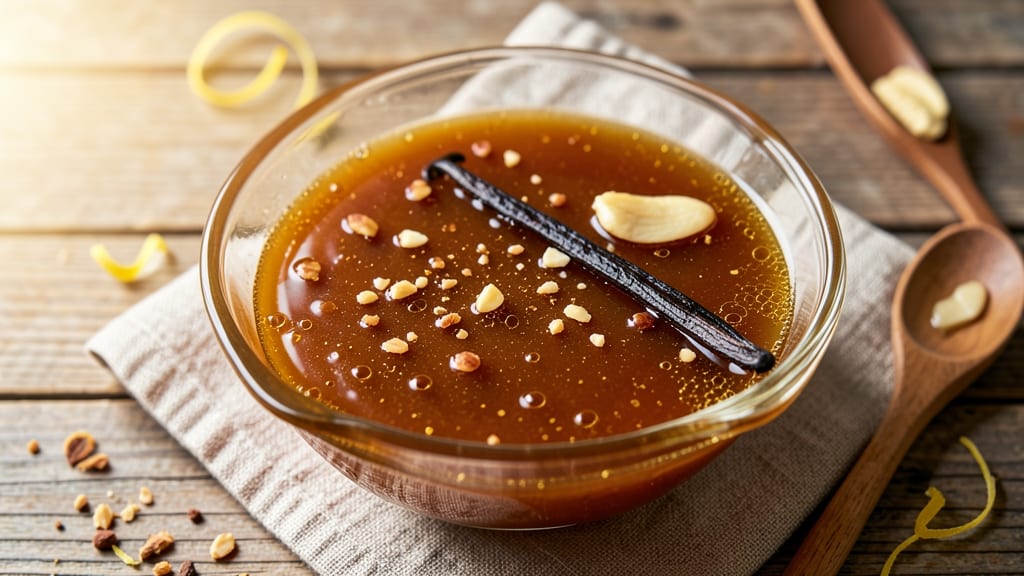
This amaretto cake glaze recipe transforms ordinary cakes into showstopping desserts with its nutty, boozy shine—the secret to perfectly moist layers that taste like a sophisticated bakery creation.
The combination of amaretto liqueur, powdered sugar, and butter creates a silky, glossy finish that soaks into the cake just enough to keep it tender while adding a rich, almond-infused flavor.
I developed this glaze after years of testing, ensuring it's stable enough to pipe or drizzle without curdling, yet delicate enough to enhance rather than overpower the cake's natural sweetness.
The beauty of this glaze lies in its simplicity: just five ingredients and 10 minutes of active time, yet it delivers restaurant-quality results. The amaretto liqueur adds depth and warmth, while the butter ensures a smooth, spreadable consistency that clings beautifully to layers or crumb coats.
Unlike store-bought glazes, this version avoids artificial flavors and excess sugar, making it a healthier yet indulgent upgrade for any cake—from vanilla sheet cakes to rich chocolate confections.
What makes this glaze truly special is its ability to elevate even the simplest cake into something extraordinary. The nutty aroma of amaretto lingers with every bite, while the glossy sheen catches the light beautifully when sliced.
It's foolproof to prepare, with no risk of graininess or separation, and stores well in the fridge for up to a week—perfect for last-minute decorating or gifting.
Whether you're glaze for a special occasion or everyday dessert, this recipe ensures your cake will be remembered for its perfectly moist texture and sophisticated flavor. The key is patience: let the glaze sit for 15 minutes before serving to allow the flavors to meld completely.
Here's how to make it—simple, elegant, and guaranteed to impress.
Ingredients for amaretto cake glaze
Five ingredients, restaurant-quality results—this glaze transforms any cake into a bakery masterpiece.
| Ingredient | Amount | Notes |
|---|---|---|
| Amaretto Liqueur 🍸 | ½ cup | High-quality, 28% ABV preferred |
| Powdered Sugar 🍚 | 2 cups | Sifted for smooth texture |
| Unsalted Butter 🧈 | ½ cup | Cold, cubed for even melting |
| Vanilla Extract 🌿 | 1 tsp | Pure, high-quality preferred |
| Pinch of Salt 🧂 | ⅛ tsp | Diamond Crystal preferred |
The amaretto liqueur is non-negotiable for authentic flavor—Disaronno or Galliano are my go-tos, but any high-quality brand works. Look for bottles with at least 28% ABV to ensure proper flavor infusion. The powdered sugar should be finely sifted before mixing to prevent graininess, and Domino or Culinary Art brands are consistently smooth. Unsalted butter is essential here; salted can alter the delicate balance of flavors. Buy European-style butter if possible—it has a higher fat content that creates a richer glaze. The vanilla extract enhances the nutty notes without overpowering, so pure Madagascar bourbon vanilla is ideal, though imitation works in a pinch.
No amaretto? Almond extract at half the amount gets you close, though the boozy depth will be missing. Substitute cream cheese for butter if needed (use equal weight), but the texture will be slightly denser. For a sugar-free version, replace powdered sugar with equal parts powdered erythritol and monk fruit sweetener, though the glaze will be less glossy. The pinch of salt balances sweetness—don't skip it, even if your ingredients are unsalted. If your glaze separates, whisk in 1 tsp lemon juice to emulsify. For a darker glaze, add 1 tsp activated charcoal (food-grade) or 1 tbsp instant coffee powder to deepen the color without altering flavor.
This glaze keeps for up to 1 week in an airtight container in the fridge, though it thickens slightly. To use, whisk vigorously until smooth, then strain through a fine-mesh sieve if needed. For longer storage, freeze in ice cube trays and transfer to a container—thaw at room temperature before using. The glaze is best applied to room-temperature cakes for even absorption. If your cake is too dry, brush on an extra thin layer of warmed glaze before adding the final coat. Always let it set for 15 minutes before slicing to achieve that perfect, glossy finish.
Why You'll Love This Recipe
- Five-Ingredient Magic: I swear by this glaze—just amaretto, powdered sugar, butter, vanilla, and a pinch of salt. That’s it. No fancy techniques, no last-minute grocery runs, just pantry staples that transform into something ridiculously good.
- Nutty Vanilla Kiss: The amaretto brings this rich, toasted almond warmth that sticks to your cake like a hug. Add the vanilla? Suddenly, it’s not just dessert—it’s comfort in a glaze, the kind that makes you close your eyes and take another bite.
- Date Night Ready: Slather this over vanilla cake for a birthday, drizzle it on pound cake for a last-minute dinner guest, or even toss it with berries for a fancy-ish brunch. Honestly, I’ve used it for all three—no one ever guessed how little effort went into it.
Step-by-step instructions for amaretto cake glaze
This glaze delivers a nutty, boozy sheen that enhances moisture while complementing the cake's texture.
Melt the Butter and Amaretto
In a medium heatproof bowl, combine the 0.5 cup unsalted butter (cold, cubed) with the 0.5 cup amaretto liqueur. Place the bowl over a saucepan filled with 1-2 inches of simmering water, ensuring the bottom of the bowl doesn't touch the water. This indirect heat method creates a gentle, even melt without scorching.
Stir occasionally with a silicone spatula until the butter melts completely and the mixture reaches 160°F on an instant-read thermometer. You'll notice the amaretto's aroma intensify as it warms—this is your signal that the butter has fully incorporated. Remove the bowl from the heat immediately to prevent overcooking, which would alter the delicate almond flavor.
Whisk in Powdered Sugar and Salt
Transfer the melted butter-amaretto mixture to a stand mixer fitted with the whisk attachment. Gradually add the 2 cups powdered sugar while mixing on low speed to prevent sugar from flying. Once all the sugar is incorporated, increase the speed to medium-high and continue whisking for 2-3 minutes until the mixture becomes light, airy, and smooth.
At this stage, add the 0.125 tsp pinch of salt and whisk for another 30 seconds. The salt enhances the amaretto's flavor while balancing the sweetness. You're aiming for a glossy, pourable consistency—similar to a thin honey. If the glaze appears too thick, add 1 teaspoon water at a time until it reaches the desired texture. The glaze should coat the back of a spoon but remain pourable.
Incorporate Vanilla Extract
Remove the mixer bowl from the stand and let the glaze cool slightly for 2-3 minutes—it should be warm to the touch but not hot. Add the 1 tsp vanilla extract and whisk vigorously by hand for 1 minute to fully integrate the flavors. The vanilla deepens the glaze's aromatic profile, creating a harmonious blend of almond, boozy warmth, and sweetness.
Taste the glaze and adjust seasoning if needed. The amaretto's bitterness should be balanced by the sweetness, with a subtle saltiness in the background. If the glaze tastes too sweet, add a tiny pinch more salt; if it lacks depth, add 1-2 drops more amaretto. The glaze should be vibrant, glossy, and ready to elevate your cake's moisture and flavor.
Apply to Cake and Let Set
Pour the glaze evenly over the cooled cake, allowing it to drip slightly over the sides for a decorative finish. Use a small offset spatula to spread any excess glaze back onto the cake's surface. For best results, apply the glaze 1-2 hours before serving—this allows it to set slightly while maintaining a glossy sheen.
Let the cake rest at room temperature for 30-45 minutes before slicing. This resting period ensures the glaze adheres perfectly to the cake layers, enhancing their moisture without making them soggy. The final result should be a cake with a beautiful, nutty-almond aroma, a glossy finish, and layers that remain perfectly moist—delivering on the promise of a restaurant-quality dessert at home.
Pro Tips For Making Amaretto Cake Glaze
- Warm the butter first: Cold butter creates lumps in powdered sugar—trust me, I’ve seen it. Melt the butter until it’s just warm to the touch (not hot) before mixing, or whisk it into the powdered sugar in small batches. This isn’t the prettiest method, but it guarantees a smooth glaze every time.
- Measure amaretto by weight: Liqueurs are sneaky—1 "shot" isn’t the same as 1 fluid ounce. Use a kitchen scale for the amaretto (about 20–30g for a standard glaze) to avoid overpowering the cake. I learned this the hard way after a batch tasted like a boozy punch instead of dessert.
- Whisk like you mean it: Powdered sugar glaze is finicky—if you stir half-heartedly, you’ll end up with grainy clumps. Use a hand mixer or whisk vigorously for at least 30 seconds to break down the sugar completely. Yes, even if it looks smooth, keep going—your cake’s finish depends on it.
- Thin with warm water, not milk: Milk makes the glaze curdle, and I’ve ruined more than one batch trying to fix it. Use warm water (not boiling) to adjust consistency—add it drop by drop until it coats the back of a spoon. It’s less rich but far more stable, and your glaze won’t turn into a sad, lumpy mess.
Storing and reheating your leftovers
Fridge Storage Tips
Store your leftover amaretto glaze in an airtight container lined with plastic wrap to prevent it from absorbing fridge odors. I use glass jars with silicone seals—they keep the glaze fresh for up to 1 week.
Before storing, let the glaze cool completely to room temperature to avoid condensation, which can cause sugar to crystallize. If the glaze thickens in the fridge, simply whisk in 1 teaspoon water at a time until smooth again. 🧊
Freezing for Long-Term Use
For longer storage, freeze the glaze in 1-tablespoon portions using ice cube trays. Once frozen, transfer the cubes to a freezer bag and flatten to save space. Thaw at room temperature for 10-15 minutes before use—no need for microwave reheating.
The texture remains smooth, though it may lose a tiny bit of its original gloss. This method works perfectly for gifting or prepping ahead for multiple cakes. ❄️
Reheating Leftover Glaze
If your glaze has thickened after refrigeration, reheat it gently in a microwave-safe bowl on 50% power for 10-second intervals, stirring between each. Alternatively, use a double boiler—place the bowl over simmering water until the glaze reaches 120°F, then whisk until fully smooth.
Avoid direct heat, which can cause sugar to burn and alter the delicate amaretto flavor. 🔥
Reviving Dried-Out Glaze
If your glaze dries out on the cake, don’t toss it! Brush the cake with a thin layer of warmed milk or simple syrup (equal parts sugar and water, heated until dissolved), then reapply a fresh coat of glaze.
The moisture from the milk or syrup reactivates the glaze’s stickiness, restoring that glossy finish. This trick works especially well for cakes left out overnight. 💫
Glaze on Layered Cakes
When storing a glazed layered cake, wrap each layer individually in plastic wrap before assembling. Place the entire cake in an airtight container and refrigerate for up to 3 days.
To serve, let the cake sit at room temperature for 20 minutes before slicing—this prevents the glaze from dripping onto your plate. For extra protection, store the cake upside down to keep the glaze evenly distributed. 🎂
Nutrition facts
Frequently asked questions
Can I make this glaze without amaretto liqueur?
Yes, but the flavor will be different. Substitute ½ teaspoon almond extract for the 0.5 cup amaretto, though you'll lose the boozy depth. For a similar texture without alcohol, use ½ cup warm milk instead of the amaretto—butter mixture. The glaze will still be smooth, just with a subtler almond profile.
Why is my glaze grainy or separating?
Graininess usually means the powdered sugar wasn't sifted properly or the mixture cooled too quickly. Whisk vigorously for 3-4 minutes over warm (not boiling) water to re-emulsify. For separation, add 1 tsp lemon juice while whisking—this helps bind the ingredients. If it's still grainy, strain through a fine-mesh sieve before applying.
How do I get a mirror-gloss finish?
The secret is patience and temperature control! Let the glaze sit at room temperature for 15 minutes before applying, and work in a 65-70°F environment. Use a paintbrush or offset spatula to spread it thinly in even strokes. For extra shine, chill the cake briefly (10 minutes in the freezer) before glazing—this helps the glaze set faster.
Can I use this glaze on cupcakes or cookies?
It works beautifully on cupcakes—pipe it directly onto the tops or drizzle over frosted cupcakes for a nutty twist. For cookies, brush a thin layer over cooled treats (like shortbread or almond cookies) for a glossy, boozy finish. Just reduce the glaze quantity by 30% since cookies have less surface area to absorb it.
How do I adjust the sweetness level?
Start by tasting the glaze before applying—it should balance sweet, nutty, and slightly salty. If too sweet, add ¼ tsp more salt or 1-2 drops amaretto for depth. For less sweetness, reduce powdered sugar by ¼ cup and replace with ¼ cup cornstarch (whisked separately first). The butter will keep the texture smooth while cutting sugar content.