
Main Courses
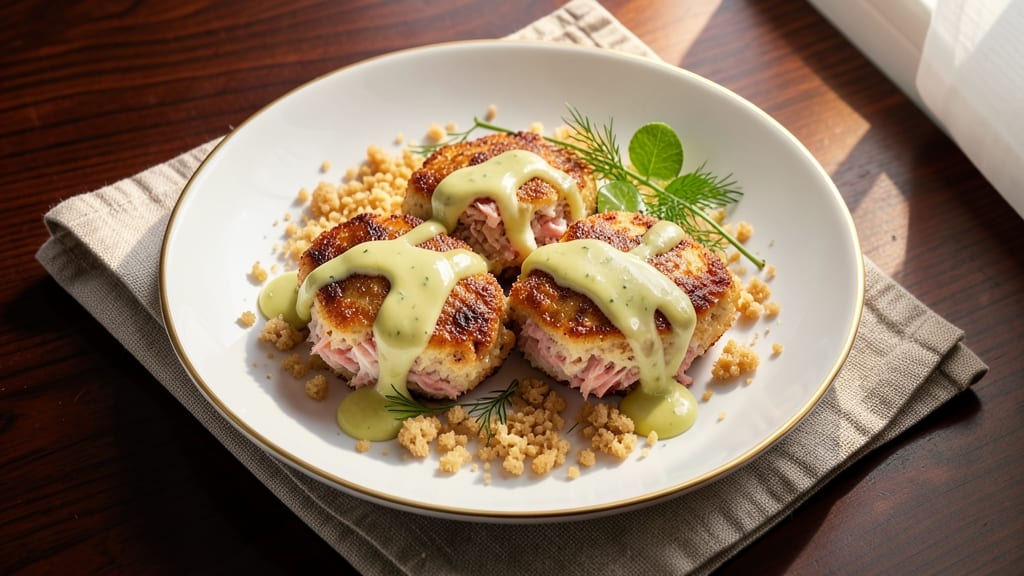
This amazing crab cake recipe delivers golden, buttery shells packed with sweet crab hearts—every bite is a balance of crispy perfection and tender, briny goodness. I’ve perfected the texture over years of testing, ensuring the crab stays juicy while the exterior gets that irresistible crunch.
The secret? A mix of panko and breadcrumbs for structure, plus a touch of Dijon mustard to bind it all together without overpowering the crab’s natural sweetness.
What sets these crab cakes apart is the crispy shell that stays crispy—no soggy middles here. Pan-frying them in butter until golden brown gives that restaurant-quality crunch, while baking is a foolproof alternative for those who prefer hands-off cooking.
The flavor balance is key: sweet crab, tangy lemon, and a hint of Old Bay seasoning to tie it all together.
Serve them with a bright lemon aioli or classic tartar sauce for dipping, and pair with a crisp green salad or roasted corn to round out the meal.
The presentation is just as important as the taste—stack them high on a platter, garnish with fresh parsley, and watch them disappear faster than you can say “second helping.”
Ready in just 30 minutes, this recipe is perfect for weekend brunches, seafood nights, or impressing guests. The best part? Leftovers reheat beautifully, so you can make a big batch and enjoy them all week. Let’s get cooking!
Ingredients for amazing crab cake
Sweet crab hearts, crispy shells, and a tangy kick—here’s what you need for restaurant-quality crab cakes.
| Ingredient | Amount | Notes |
|---|---|---|
| Fresh Lump Crabmeat 🦀 | 1 ½ lb | Sweet crab hearts preferred |
| Japanese Panko Breadcrumbs 🍞 | ¾ cup | Light and crispy texture |
| All-Purpose Breadcrumbs 🍞 | ¼ cup | For extra binding |
| Unsalted Butter 🧈 | ½ cup | Cold, cut into small cubes |
| Large Eggs 🥚 | 2 whole | Room temperature preferred |
| Dijon Mustard 🍯 | 1 tbsp | For binding and tang |
| Fresh Lemon Juice 🍋 | 1 tbsp | Brightens the crab flavor |
| Old Bay Seasoning 🌶️ | 1 tsp | Classic crab cake flavor |
| Fresh Parsley 🌿 | ¼ cup | Chopped, for garnish |
| Vegetable Oil 🫒 | ¼ cup | For pan-frying |
| Salt 🧂 | ½ tsp | Kosher or sea salt |
| Black Pepper 🌶️ | ¼ tsp | Freshly ground |
| Mayonnaise 🥫 | ¼ cup | For tartar sauce mix |
| Capers 🍅 | 1 tbsp | Chopped, for tartar sauce |
| Dill Pickle Relish 🥒 | 1 tbsp | For tartar sauce |
The crab is the star, so sweet crab hearts make all the difference. Grab them from the seafood counter—Whole Foods or Trader Joe's usually have the best selection. Look for plump, moist crab that smells fresh, not fishy. If you can’t find lump crab, backfin works too, but it’ll be slightly less luxurious. The panko is non-negotiable for that perfect crunch—Japanese panko stays crispy, while regular breadcrumbs get soggy. I keep a bag of panko in the freezer to grab whenever crab cake cravings hit.
No panko? Crushed cornflakes or crackers can stand in, but texture won’t be the same. Short on Dijon? Yellow mustard at half the amount works in a pinch. The Old Bay is classic, but if you’re out, a pinch of celery salt plus paprika gets you close. For the tartar sauce, Hellmann’s or Duke’s mayo is foolproof—just don’t skip the capers and relish for that briny tang. Fresh parsley is ideal, but dried works at one-third the amount if you’re in a bind. The lemon juice? Freshly squeezed is best, but bottled works if you’re short on time.
Crab cakes reheat best when kept warm in a 200°F oven for up to 30 minutes. Store leftovers in an airtight container for 2 days—they’re even better the next day after flavors meld. Freeze extras on a tray, then transfer to a bag for up to 3 months. Pro tip: Make the tartar sauce ahead and keep it in the fridge—it tastes better after flavors marry. The parsley? Store it in a damp paper towel in a bag for up to 5 days.
Why You'll Love This Recipe
- No-Fuss Assembly: I swear, these take less effort than assembling a sandwich. Just mix the lump crab with panko, egg, and a pinch of salt—no fancy techniques, no waiting for dough to rise. Honestly, the hardest part is resisting eating the batter straight from the bowl.
- Butter-Crusted Magic: That crispy panko shell with butter-basted edges? It’s the secret weapon. The Japanese panko stays crunchy while the inside stays tender—like a hug for your taste buds. (Yes, I’ve been known to eat them straight from the pan.)
- Weeknight to Party: Same recipe works for Tuesday takeout or Sunday brunch. Double the batch, pan-fry half now, save half for later—freezer-friendly too. My husband’s coworkers think they’re from a seafood restaurant. (They’re not wrong.)
- Budget Luxury: Fresh lump crab is the star, but the rest? Eggs, breadcrumbs, butter—stuff you already have. I stretch it by mixing in regular breadcrumbs too, so it feels fancy without breaking the bank. (And leftovers? Even better the second day.)
Step-by-step instructions for buttery crispy crab cakes
Here's how to create golden, buttery crab cakes with tender crab hearts and crispy exteriors.
Prepare the Crab Cake Mixture
In a large bowl, gently combine the 1.5 lb fresh lump crabmeat with the 0.75 cup Japanese panko breadcrumbs and 0.25 cup all-purpose breadcrumbs. Add the 0.5 cup cold unsalted butter cut into small cubes and mix until evenly distributed. The butter should be cold to create pockets of richness that melt during cooking.
In a separate small bowl, whisk together the 2 whole large eggs, 1 tbsp Dijon mustard, 1 tbsp fresh lemon juice, 1 tsp Old Bay seasoning, 0.5 tsp salt, and 0.25 tsp black pepper. Slowly pour this mixture into the crabmeat bowl, gently folding everything together with a rubber spatula. Be careful not to overmix—the crab should remain slightly chunky for the best texture. The mixture should hold together when pressed but still look moist, not dry.
Shape and Chill the Crab Cakes
Using your hands, form the mixture into 4 equal patties (about ¾-inch thick each). I like to wet my hands slightly with cold water to prevent sticking. Place the patties on a parchment-lined plate and cover with plastic wrap. Refrigerate for at least 30 minutes—this crucial step helps the crab cakes hold their shape when frying and ensures even cooking.
While the crab cakes chill, prepare the tartar sauce by mixing the 0.25 cup mayonnaise, 1 tbsp chopped capers, and 1 tbsp dill pickle relish in a small bowl. Set aside—this bright, tangy sauce balances the richness of the crab cakes perfectly.
Fry to Golden Perfection
Heat 0.25 cup vegetable oil in a large skillet over medium heat until it shimmers but doesn't smoke. Add the chilled crab cakes and cook for 3-4 minutes per side until they develop a deep golden brown crust. The edges should look crispy while the centers remain slightly underdone—this ensures they finish cooking through without drying out.
I press down gently on each crab cake during the first minute of cooking to help them maintain their shape and create that coveted crispy exterior. If the oil starts to smoke, reduce the heat slightly—you want gentle, even cooking, not burning. Transfer the cooked crab cakes to a paper towel-lined plate to drain excess oil.
Garnish and Serve Immediately
While the crab cakes are still hot, sprinkle each one with 1 tablespoon of chopped fresh parsley for a pop of color and freshness. Serve immediately with the prepared tartar sauce on the side, along with lemon wedges and a simple arugula salad. The contrast of cool, tangy sauce with warm, crispy crab cakes is what makes this dish truly special.
Real talk: these crab cakes are best enjoyed right away when the exterior is still crispy and the interior remains tender. Don't skip the chilling step—it's what transforms good crab cakes into restaurant-quality ones. Each bite should deliver that perfect balance of sweet crab, buttery richness, and crispy texture.
Pro Tips For Making Amazing Crab Cake
- Dry the Crab First: Lump crabmeat holds water like a sponge—pat it thoroughly with paper towels before mixing, even if it looks dry. I learned this the hard way when my first batch turned into a soggy mess after frying. Five minutes of aggressive pressing pays off in crispy, not greasy, results.
- Mix Panko Last: Combine the all-purpose breadcrumbs, egg, and butter first—then fold in the panko just before shaping. The panko’s delicate crunch disappears if it sits too long in the wet mix. (Yes, even if you’re impatient like me.)
- Skip the Overcrowding: Fry crab cakes in batches of two, max—any more and the oil temp drops like a rock. I used to stuff the pan and wondered why my edges stayed doughy. A minute or two longer in the right heat beats rushed, uneven cooking every time.
- Chill the Mixture: Pop the crab cake batter in the fridge for 15 minutes before forming patties. The cold butter firms up, the egg sets slightly, and your hands won’t turn into crab-meat glue. (Your future self will thank you.)
Troubleshooting this dish
Soggy Shells Fix
If your crab cakes turn out soggy instead of crispy, the issue is usually overmixing or not chilling properly. I’ve found that gently folding the mixture just until combined—without mashing the crab—keeps the texture intact. Also, never skip the 30-minute chill in the fridge.
This step firms up the butter and helps the breadcrumbs absorb moisture, preventing a mushy center. If you’re in a hurry, try chilling for 15 minutes in the freezer instead.
Crab Cake Falling Apart
When crab cakes crumble during cooking, it’s often because the binding ingredients aren’t strong enough. To fix this, add 1 extra tablespoon of Dijon mustard or 1 more egg yolk to your mixture for extra cohesion. Another trick?
Press the patties slightly firmer when shaping them, and use a non-stick skillet (I love my Cuisinart MultiClad) to prevent sticking. If they still fall apart, try baking them at 400°F for 12-15 minutes instead of frying.
Oil Smoking or Burning
Smoky oil means your heat is too high, which can ruin the crispy texture. For pan-frying, maintain medium heat—the oil should shimmer but not smoke excessively. If it starts smoking, reduce the heat immediately. A deep skillet (like a 10-inch cast iron) works best for even heat distribution.
For extra insurance, use a thermometer to keep oil between 350-375°F. If you’re baking instead, use avocado oil sprayed lightly on the cakes for a crispy crust.
Uneven Cooking
If one side cooks faster than the other, your heat source isn’t consistent. For stovetop frying, avoid moving the pan around—let the crab cakes cook undisturbed. If using a grill, preheat it to medium-high and place the cakes on the hottest part.
For oven-baked crab cakes, flip them once at half the cook time to ensure even browning. I also recommend using a wire rack on a baking sheet to allow air circulation underneath.
Dry or Tough Texture
Overcooking is the usual culprit here. Crab cakes should be slightly underdone in the center when you flip them—they’ll finish cooking as they rest. If yours turn out dry, try adding 1 tablespoon of heavy cream or whole milk to the mixture for extra moisture.
For reheating, use the microwave on low power (50%) for 20-30 seconds with a damp paper towel covering them to restore crispiness.
Crab Taste Too Strong
If the crab flavor overpowers the other ingredients, you might have used too much seasoning or not enough binding elements. Balance it by increasing the butter or breadcrumbs slightly in future batches.
For a milder taste, reduce the Old Bay to ½ teaspoon and add ½ teaspoon of smoked paprika instead. A squeeze of fresh lemon at the table also brightens the flavor without altering the recipe itself.
Nutrition facts
Frequently asked questions
Can I make these crab cakes without fresh lump crab?
If fresh lump crab is unavailable, backfin crabmeat works well—just pick out any cartilage or shells. For a budget-friendly option, imitation crab (surimi) can substitute, though the texture will be slightly different. Use 1 lb of imitation crab instead of 1.5 lb lump crab and add 1 extra tablespoon of Dijon mustard to help bind it.
How do I keep the crab cakes crispy when reheating?
Reheating crab cakes without losing crispiness is tricky, but possible! The best method is to use the oven at 375°F for 5-7 minutes on a wire rack (not a plate) to allow air circulation. For microwave reheating, cover with a damp paper towel and heat on 50% power for 20-30 seconds. Pro tip: Make a fresh batch—these are best enjoyed immediately hot!
What's the best way to store leftover crab cakes?
Store cooked crab cakes in an airtight container in the fridge for up to 2 days. For longer storage, freeze them on a tray first (to prevent sticking), then transfer to a freezer bag for up to 3 months. Thaw overnight in the fridge—never at room temperature. To revive texture, reheat in the oven at 350°F for 8-10 minutes with a sprinkle of breadcrumbs on top.
Can I bake these instead of pan-frying?
Yes! Baking is a great alternative for a hands-off approach. Preheat oven to 400°F, place crab cakes on a wire rack over a baking sheet, and bake for 12-15 minutes until golden. For extra crispiness, brush with melted butter halfway through. Baked crab cakes won't be as crispy as pan-fried, but they'll still be delicious—especially when served with extra tartar sauce!
What's the secret to the perfect crab cake texture?
The magic is in the chilling step and gentle mixing. Never overmix the batter—just combine ingredients until just combined. The 30-minute chill firms up the butter and lets flavors meld. For extra crispiness, use Japanese panko (not regular breadcrumbs) and press the cakes firmly when shaping. The result? Juicy crab with a golden, crispy shell that holds up perfectly!