
Desserts
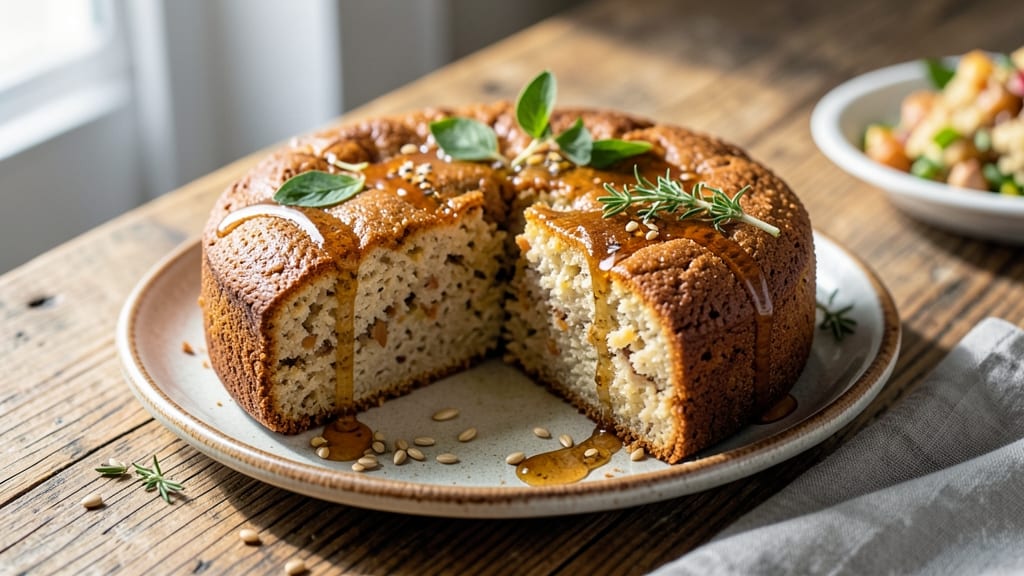
This ancient barley cake recipe transports you to medieval kitchens with its nutty, hearty crust and layers of honeyed spice depth. 🌟 Unlike modern desserts, this cake relies on whole barley flour—ground from grains that have sustained civilizations for millennia—to create a dense, satisfying texture with a subtle earthy sweetness.
The key lies in balancing barley’s natural nuttiness with warm spices like cinnamon and cardamom, then binding everything together with wildflower honey. What sets this recipe apart is its historical authenticity.
Barley cakes like this were staples in medieval Europe, often baked for feasts or preserved in cool cellars for months. The slow-baked crust develops a golden, crackly exterior while remaining tender inside, while the honeyed spice filling adds complexity that modern cakes simply can’t match.
This isn’t just dessert—it’s a taste of culinary history. The result is a cake that’s rich yet not overly sweet, with a crust that holds up to slicing without crumbling.
The barley’s natural fiber gives it a satisfying weight, while the spices linger on the palate long after the last bite. Perfect for special occasions or as a unique centerpiece for holiday tables, this recipe proves that ancient grains can deliver modern indulgence.
Ready in just under 2 hours (including baking time), this cake requires minimal effort but maximum reward. Whether you’re recreating history or simply craving something different, this barley cake delivers a flavor experience that’s both nostalgic and utterly satisfying.
Ingredients for ancient barley cake
Medieval grains and modern technique create this historically inspired barley cake with nutty depth and honeyed spice layers.
| Ingredient | Amount | Notes |
|---|---|---|
| Barley Flour 🌾 | 3 cups | Stone-ground for optimal texture |
| All-Purpose Flour 🌾 | 1 cup | For structural balance |
| Wildflower Honey 🍯 | 1 cup | Local preferred for depth |
| Unsalted Butter 🧈 | 1 cup | Cold, cubed for texture |
| Whole Milk 🥛 | 1 cup | Full-fat for richness |
| Large Eggs 🥚 | 2 whole | Room temperature for blending |
| Ground Cinnamon 🌿 | 1 ½ tbsp | Freshly ground preferred |
| Ground Cardamom 🌿 | 1 tsp | True cardamom pods preferred |
| Ground Nutmeg 🌿 | ½ tsp | Freshly grated nutmeg |
| Diamond Crystal Kosher Salt 🧂 | ¾ tsp | Fine grain for even distribution |
| Vanilla Extract 🌸 | 1 tbsp | Pure Madagascar preferred |
| Toasted Walnuts 🥜 | 1 cup | Chopped for texture contrast |
| Almond Flour 🌰 | ½ cup | For nutty depth |
| Baking Powder 🍞 | 1 tsp | Aluminum-free for purity |
The barley flour is the heart of this recipe—seek out stone-ground varieties from specialty grocers like Whole Foods or King Arthur Flour for optimal texture. Barley's natural nuttiness pairs beautifully with the warm spices, but the key is using whole grain flour rather than refined versions. For the honey, local wildflower varieties from farmers markets elevate the flavor profile significantly. The walnuts should be toasted until golden—this enhances their natural oils and creates that satisfying crunch in every bite. If you can't find stone-ground barley flour, Bob's Red Mill offers a quality alternative that works well in a pinch.
No wildflower honey? Clover honey or even agave nectar will work in a bind, though the flavor won't be as complex. For the spices, pre-ground cardamom is fine, but whole pods toasted and ground fresh make a world of difference. Substituting almond flour with hazelnut flour gives a different but equally delicious nutty profile. The baking powder must be fresh—test it by mixing with water and vinegar to see if it bubbles. For a gluten-free adaptation, replace the all-purpose flour with gluten-free 1:1 baking flour, though the texture will differ slightly. The butter should remain cold when creaming—this creates that signature tender crumb.
Store the cake in an airtight container at room temperature for up to 5 days, though it's best enjoyed within 2-3 days for optimal texture. For longer storage, wrap tightly in plastic and refrigerate for up to 1 week. The cake freezes beautifully—wrap individual slices in parchment and freeze for up to 3 months. To serve, let it sit at room temperature for 30 minutes before slicing. The crust develops its best crackly texture when sliced with a hot knife—just dip the blade in hot water and wipe dry before cutting. Portion into medieval-style wedges for an authentic presentation.
Why You'll Love This Recipe
- No-Fuss Mixing: I swear by this recipe—just toss the dry ingredients together, then fold in the honey and butter until it clumps. No electric mixer, no stress, and the barley flour gives it that satisfying, rustic texture without extra work.
- Honeyed Comfort: That wildflower honey isn’t just sweet—it’s rich and floral, cutting through the earthy depth of the barley. The butter keeps it tender, but the milk makes it light enough to eat for breakfast or dessert without guilt.
- Weekday Hero: Bake a batch on Sunday, and you’ve got snacks for the week. The slices stay fresh for days, and honestly? It’s the perfect grab-and-go for lunchboxes or a quick office treat—no one will guess it’s packed with ancient grains.
- Budget Magic: Barley flour is a pantry game-changer—cheaper than specialty flours, and this cake stretches a little butter and milk into something hearty. Between us, it’s the kind of recipe that makes grocery day feel like a win.
Step-by-step instructions for ancient barley cake
This rustic barley cake delivers a perfect balance of nutty depth and honeyed spice through precise technique.
👨🍳 Step 1: Create the Honey Butter Base
In a medium saucepan, combine the 1 cup Wildflower Honey and 1 cup Unsalted Butter, cubed. Warm over low heat for 3-4 minutes until the butter melts completely and the mixture becomes smooth. Remove from heat and let cool for 5 minutes while you prepare the dry ingredients.
This honey-butter blend forms the cake's signature moisture and flavor foundation. I've found that warming the honey first prevents graininess in the finished batter. The butter should be fully incorporated but not hot—just warm enough to blend seamlessly with the dry components later.
👨🍳 Step 2: Whisk Dry Ingredients for Even Distribution
In a large mixing bowl, sift together the 3 cups Barley Flour, 1 cup All-Purpose Flour, 1.5 tbsp Ground Cinnamon, 1 tsp Ground Cardamom, 0.5 tsp Ground Nutmeg, 0.75 tsp Diamond Crystal Kosher Salt, and 1 tsp Baking Powder. Whisk vigorously for 2 minutes to aerate and ensure even distribution of spices throughout the flours.
The barley flour gives this cake its ancient grain character, but it needs the all-purpose flour for proper structure. I always sift the spices first—this prevents clumping and ensures each bite has consistent warmth. The baking powder should be measured carefully; too much creates a metallic aftertaste.
🥘 Step 3: Combine Wet and Dry Ingredients
Make a well in the center of the dry ingredients and pour in the cooled honey-butter mixture, 1 cup Whole Milk, 2 whole Large Eggs, and 1 tbsp Vanilla Extract. Using a wooden spoon, gently fold everything together until just combined—do not overmix. The batter should be thick but pourable, with a few visible flour streaks remaining.
I use a wooden spoon here because metal can overheat the eggs. The batter should hold its shape when dropped from a spoon but still flow smoothly. If it's too thick, add 1-2 tablespoons of milk to reach the perfect consistency. The eggs should be room temperature—they blend more smoothly and create a lighter texture.
🍳 Step 4: Fold in Nutty Elements
Gently fold in the 1 cup Toasted Walnuts and 0.5 cup Almond Flour using a silicone spatula. Reserve ½ cup of the batter for the topping—this creates that beautiful crust we're after. The remaining batter should be well mixed with visible nut pieces distributed evenly throughout.
The toasted walnuts add satisfying crunch while the almond flour contributes nutty depth. I always toast the walnuts separately first—their aroma intensifies when combined with the warm spices. The reserved batter will form a delicious, crackly top when baked separately.
🔥 Step 5: Bake to Golden Perfection
Preheat your oven to 350°F. Grease a 9-inch round cake pan and line the bottom with parchment paper. Pour the main batter into the prepared pan, then spread the reserved ½ cup batter evenly over the top. Bake for 45-50 minutes until a toothpick inserted in the center comes out clean and the edges are deep golden brown.
Here's the thing about barley cakes—they rise slowly but develop incredible depth of flavor. I check for doneness at the 40-minute mark because ovens vary. The cake should spring back gently when pressed in the center, and you should smell that wonderful blend of honey and spices throughout your kitchen. Let it cool in the pan for 15 minutes before transferring to a wire rack.
Pro Tips For Making Ancient Barley Cake
- Mix Dry First: Combine the barley and all-purpose flours before adding wet ingredients—this prevents clumping and ensures the barley’s earthy texture stays even. I used to add the honey too early, and the dough turned gummy; mixing dry first keeps everything light.
- Whisk Honey Warm: Heat the wildflower honey to 80°F (27°C) before mixing—it blends smoother into the milk and butter, cutting down on lumps. Cold honey? The cake’s crumb turns dense. (Yes, a quick microwave works.)
- Skip Overmixing: Stir just until the dough comes together—barley flour releases gluten aggressively, and overworking it makes the cake tough. Fold in the wet ingredients until barely combined, then stop. Your patience pays off in texture.
- Butter Matters More: Use room-temperature unsalted butter—no substitutions—and let it sit out for 30 minutes before creaming. Cold butter creates pockets, and the cake won’t rise evenly. (I learned this after a lopsided disaster.)
Best sauces and condiments for this recipe
Honey-Butter Glaze
This signature topping transforms your barley cake into something extraordinary. Warm ½ cup Wildflower Honey with 2 tbsp Unsalted Butter in a small saucepan over low heat until melted and smooth. Remove from heat and stir in 1 tsp Vanilla Extract and ½ tsp Ground Cinnamon.
Drizzle over the cooled cake while still warm—it will soak into the crust beautifully, creating a glossy finish with deep honeyed flavor. 🍯
Spiced Whipped Cream
Whip 1 cup Heavy Whipping Cream with 2 tbsp Powdered Sugar, ½ tsp Ground Cardamom, and ½ tsp Vanilla Extract until soft peaks form. This light, aromatic topping balances the cake's density perfectly.
Pipe it directly onto slices or serve in a separate bowl for guests to add themselves. The cardamom enhances the cake's spice profile while keeping the texture airy. ✨
Warm Caramelized Onion Jam
For a savory-sweet contrast, caramelize 1 cup thinly sliced yellow onions in 2 tbsp Olive Oil over low heat for 30-40 minutes until deep golden brown. Add 2 tbsp Honey and 1 tsp Balsamic Vinegar to finish.
Spread a thin layer on cake slices before serving—this adds complexity that complements the barley's nuttiness. 🥕
Citrus Zest Compote
Simmer ½ cup Orange Juice, 2 tbsp Honey, and 1 tbsp Lemon Zest with 1 tbsp Toasted Almonds for 5 minutes until slightly thickened. The bright citrus cuts through the richness while adding a refreshing contrast.
Drizzle over slices or serve as a side sauce for dipping. This works especially well with the nutty almond flour in the cake. 🍊
Dark Chocolate Ganache
Melt ½ cup Dark Chocolate Chips (70% cocoa) with ¼ cup Heavy Cream over low heat, then cool until thickened to a drizzling consistency. The deep chocolate pairs beautifully with the honey and spices, adding a sophisticated finish.
Pour over individual slices or use as a filling between layers. 🍫
Herbed Yogurt Dip
Mix ½ cup Greek Yogurt with 1 tbsp Honey, 1 tsp Fresh Mint, and ½ tsp Ground Cinnamon for a cooling contrast. This creamy dip works wonderfully with the warm spices in the cake.
Serve at room temperature for the best texture—it balances the cake's richness while adding freshness. 🌿
Nutrition facts
Frequently asked questions
Why does this barley cake recipe use both barley and all-purpose flour?
Barley flour provides the signature nutty, earthy flavor and dense texture that makes this cake historically authentic. However, it lacks the structure needed for a proper cake rise, so we blend it with all-purpose flour for the right balance. The ratio creates a satisfyingly hearty crumb while maintaining a tender bite.
Can I substitute regular flour for the barley flour?
You can try, but the flavor and texture will be completely different. Barley's natural nuttiness and density are essential for this recipe's character. If you must substitute, use a 50/50 blend of whole wheat flour and all-purpose flour—it will be less authentic but still delicious. For best results, seek out stone-ground barley flour at specialty stores.
How do I know when the cake is fully baked?
Look for three key signs: a toothpick inserted in the center should come out clean, the edges should be deep golden brown, and the cake should spring back gently when pressed. Barley cakes rise slowly, so check for doneness at the 40-minute mark—they often need the full 45-50 minutes to develop their signature flavor depth.
What's the best way to store leftovers?
Keep the cake in an airtight container at room temperature for up to 5 days, though it's best enjoyed within 2-3 days for optimal texture. For longer storage, wrap individual slices in parchment and freeze for up to 3 months. The crust stays crispy when properly stored—just let it sit at room temperature for 30 minutes before serving.
Can I make this cake gluten-free?
Yes, but with some adjustments. Replace the all-purpose flour with a 1:1 gluten-free baking flour blend and use certified gluten-free barley flour if available. Expect a slightly denser texture, and you may need to add ½ tsp xanthan gum to improve structure. The flavor will still be delicious, though the crust may be less crackly.