
Desserts
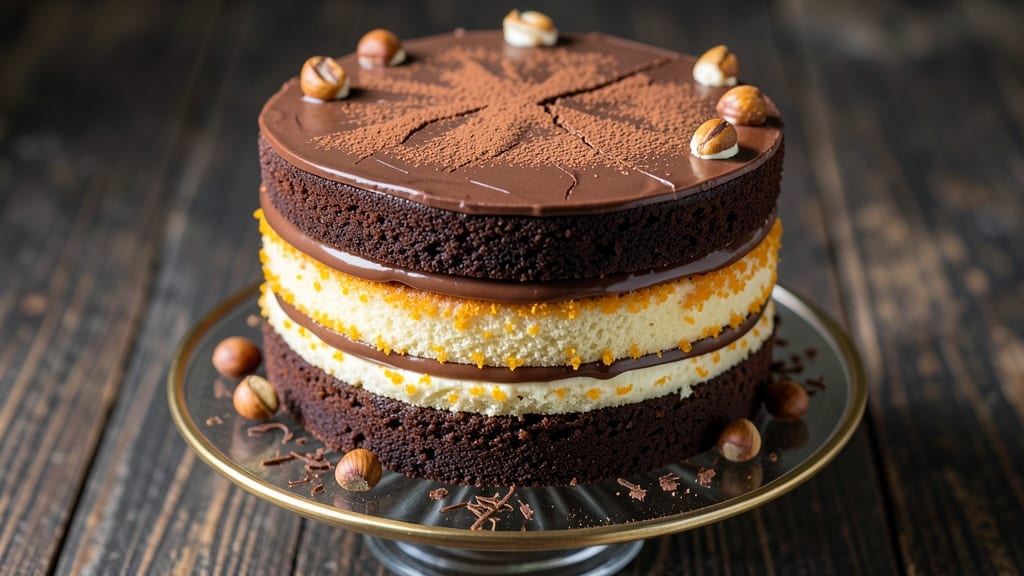
This Andes Cake recipe brings the crisp alpine air of South America’s high peaks to your kitchen with layers of rich cocoa and bright citrus zest—perfect for celebrating special occasions with a dessert that’s both elegant and comforting. 💛 The secret lies in its signature texture: a tender, moist crumb infused with cinnamon and clove, topped with a velvety chocolate ganache that mirrors the misty mountains of the Andes.
What sets this cake apart is its balance of warmth and freshness, achieved through a careful blend of cocoa powder, orange zest, and a hint of vanilla that evokes the region’s natural flavors.
The recipe is designed to be approachable yet impressive, with a foolproof method that ensures a perfectly domed cake every time—no advanced baking skills required. Bake it in a 350°F oven for 40-45 minutes, and you’ll end up with a dessert that’s as visually stunning as it is delicious.
The real magic happens in the layers: a spiced chocolate cake base, a citrus-infused buttercream filling, and a glossy chocolate ganache that ties everything together. This cake isn’t just a treat—it’s an experience, transporting you to the high-altitude bakeries of the Andes with every bite.
Whether you’re serving it at a dinner party or simply indulging in a quiet moment, it’s a dessert that feels like a hug.
For an extra touch of authenticity, consider adding a sprinkle of crushed Andean salt or a dusting of cocoa powder on top, or even incorporating a splash of chicha de jora (a traditional Andean fermented corn drink) into the batter for a unique twist.
The possibilities are endless, but the foundation remains the same: a cake that’s as rich in tradition as it is in flavor.
Ingredients for andes cake
Twelve ingredients blend alpine cocoa warmth with citrus brightness for a cake that feels like a South American mountain hug.
| Ingredient | Amount | Notes |
|---|---|---|
| All-Purpose Flour 🌾 | 2 ½ cups | Sifted for light texture |
| Unsalted Butter 🧈 | 1 ½ cups | Cold, cubed for creaming |
| Granulated Sugar 🍚 | 2 cups | Superfine preferred for smoothness |
| Dark Cocoa Powder 🍫 | ¾ cup | Dutch-processed for rich flavor |
| Orange Zest 🍊 | 2 tbsp | Freshly grated from 2 oranges |
| Large Eggs 🥚 | 3 whole | Room temperature for even mixing |
| Vanilla Extract 🌸 | 2 tsp | Pure Madagascar preferred |
| Ground Cinnamon 🌿 | 1 ½ tsp | Freshly ground for warmth |
| Ground Cloves 🌶️ | ½ tsp | Lightly toasted for depth |
| Salt 🧂 | ½ tsp | Fine sea salt preferred |
| Orange Juice 🍊 | ½ cup | Freshly squeezed for brightness |
| Semisweet Chocolate Chips 🍫 | 1 ½ cups | High-quality for ganache |
| Heavy Whipping Cream 🥛 | 1 ½ cups | Cold for stable ganache |
| Andean Salt 🧂 | 1 tsp | Crushed for finishing touch |
The cocoa and citrus are non-negotiable here. Dutch-processed cocoa from Valrhona or Ghirardelli elevates the chocolate depth, while fresh orange zest—Navel or Valencia—brings that zesty alpine freshness. For the butter, Plugrá or Land O'Lakes unsalted work perfectly, but avoid salted versions that can disrupt the delicate balance. The vanilla extract? Madagascar Bourbon is ideal, but any pure extract will do. If you're feeling adventurous, swap the orange zest for lemon or lime zest for a different citrus twist—just adjust the sweetness in the batter accordingly.
No Dutch-processed cocoa? Natural cocoa powder works, but you’ll need to add 1/4 tsp baking soda to the batter for proper rise. Short on orange zest? Substitute lemon zest at the same amount, but reduce the sugar slightly since lemons are more tart. The Andean salt is optional but adds that signature high-altitude touch—Maldon flake salt can substitute beautifully if you can’t find it. For the ganache, Ghirardelli chocolate chips melt smoothly, but any high-quality semisweet chocolate will work. If you’re making this ahead, prepare the ganache a day in advance—it thickens beautifully when chilled, making assembly easier.
Store the cake layers wrapped in plastic at room temperature for 2 days, or in the fridge for 5 days. The ganache keeps well in the fridge for 1 week, so assemble the cake just before serving. For a truly authentic touch, dust the finished cake with Andean salt or a light layer of cocoa powder. Leftovers? The cake reheats beautifully in the oven at 300°F for 10 minutes—just cover with foil to prevent drying. Freeze the assembled cake (without ganache) for 3 months for future celebrations.
Why You'll Love This Recipe
- No Mixer Needed: I swear by this recipe when my stand mixer’s on vacation. Creaming the butter and sugar by hand takes about 5 minutes—no fancy tools, just elbow grease and a bowl. (And honestly? The orange zest makes up for any arm fatigue.)
- Cocoa-Orange Magic: That dark cocoa powder and bright orange zest combo is chef’s kiss—rich but not overpowering, with a citrusy kick that cuts through the sweetness. It’s the kind of flavor that makes you want to bake it twice in one day.
- Layered Like a Pro: Between us, this cake’s foolproof for gatherings. The crumb is moist enough to slice neatly, and the orange zest adds a pop of color that makes it look fancy—no piping skills required. I’ve served it at birthdays, book clubs, and even a last-minute potluck.
- Budget-Friendly Luxury: You’re using pantry staples here: butter, flour, sugar—nothing crazy expensive. The cocoa powder gives it that decadent vibe without breaking the bank, and leftovers? They stay fresh for days (if they last that long).
Step-by-step instructions for Andes cake
Here's how to create this alpine-inspired masterpiece with rich cocoa and bright citrus layers.
👨🍳 Step 1: Create the Chocolate Ganache Base
In a medium saucepan, combine the 1.5 cups heavy whipping cream and 1.5 cups semisweet chocolate chips. Bring to a gentle simmer over medium heat, stirring constantly until the chocolate melts completely and the mixture reaches 115°F. You'll know it's ready when the ganache looks glossy and smooth—this is your flavor foundation.
Remove from heat and let cool slightly for 5 minutes while you prepare the cake batter. The ganache should thicken slightly but remain pourable—this ensures perfect layering between the cake's rich chocolate flavor and citrus brightness. If it thickens too much, gently reheat for 10 seconds to restore the proper consistency.
🍳 Step 2: Mix the Cake Batter with Precision
In a stand mixer fitted with the paddle attachment, beat the 1.5 cups unsalted butter and 2 cups granulated sugar on medium speed for 3-4 minutes until light and fluffy. This creaming process incorporates air, which creates that perfect airy texture we're after. Scrape down the sides of the bowl with a spatula to ensure even mixing.
Add the 3 whole large eggs one at a time, mixing well after each addition. Then stir in the 2 tbsp orange zest, 2 tsp vanilla extract, 1.5 tsp ground cinnamon, 0.5 tsp ground cloves, and 0.5 tsp salt. Finally, add the 0.5 cup orange juice and mix until just combined. The batter should be smooth and slightly thick—this ensures proper layering when we add the dry ingredients next.
👨🍳 Step 3: Combine Dry Ingredients and Prepare Layers
In a separate bowl, whisk together the 2.5 cups all-purpose flour and 0.75 cup dark cocoa powder. Gradually add this dry mixture to the wet ingredients, mixing on low speed just until combined. Avoid overmixing—you should still see small flour streaks. Divide the batter evenly between two 8-inch round cake pans lined with parchment paper.
Pour half of the chocolate ganache over the first layer of batter, spreading it evenly with a spatula. Then add the remaining batter and top with the remaining ganache. This layering technique creates that signature Andes cake texture with rich chocolate pockets throughout. Tap each pan firmly on the counter 3 times to remove any air bubbles.
🔥 Step 4: Bake to Golden Perfection
Preheat your oven to 350°F. Bake the cakes for 25-30 minutes, or until a toothpick inserted in the center comes out clean. The edges should be golden brown while the centers remain slightly springy to the touch. Rotate the pans halfway through baking for even cooking.
Once baked, let the cakes cool in the pans for 10 minutes, then transfer to a wire rack to cool completely. This gradual cooling prevents cracking and ensures clean layering when we assemble the final cake. While the cakes cool, prepare your serving platter—this cake deserves a dramatic presentation with its rich chocolate and citrus layers.
🥘 Step 5: Assemble and Finish with Andean Salt
Place the first cake layer on your serving platter. Spread a thin layer of reserved chocolate ganache on top, then add the second cake layer. Gently press down to create a smooth top surface. Spread the remaining ganache evenly over the top and sides of the cake, creating that beautiful chocolate glaze.
While the ganache is still wet, sprinkle the 1 tsp crushed Andean salt evenly over the top. This finishing touch enhances all the flavors—sweet, bitter, tangy, and salty—creating a perfect balance in every bite. Let the cake set at room temperature for 1 hour before slicing to allow the ganache to fully set and the layers to adhere properly.
Pro Tips For Making Andes Cake
- Sift the Cocoa Twice: Dark cocoa powder clumps like a diva—don’t let it ruin your cake. Sift it before mixing with dry ingredients, then sift it again after adding it to the wet mixture. I learned this the hard way when my first batch had gritty pockets that made every bite feel like chewing sandpaper.
- Cream Butter Cold: Take your unsalted butter straight from the fridge—no softening at room temp. Cold butter creates air pockets that make this cake fluffy, not dense. I used to rush this step, and the result was always a sad, compact brick. (Yes, even if you’re impatient like me.)
- Zest Fresh, Then Wait: Grate that orange zest just before mixing—it loses potency fast. But here’s the kicker: let it sit in the bowl for 5 minutes after adding it to the wet ingredients. The oils mellow out, and the flavor integrates instead of hitting you like a citrus punch in the face.
- Test Doneness with a Toothpick: Skip the "bounce test" for this cake—it’s deceptive. Insert a toothpick into the center and a few spots near the edges. If it comes out with moist crumbs (not wet batter), you’re golden. I’ve overbaked too many cocoa cakes because I trusted the bounce, and they turned dry as a desert. (Your future self will thank you.)
Serving suggestions for andes cake
Citrus-Infused Garnishes
Brighten your Andes Cake presentation with fresh citrus slices. Arrange thin orange or lemon wheels around the base of the cake for a pop of color and aroma. I like using a mandoline for even slices—just cut 1-2 oranges or lemons into ⅛-inch thick rounds.
For extra flair, drizzle with a simple honey syrup (mix 2 tbsp honey with 1 tbsp hot water) to create a glossy finish. 🍊
Chocolate Drizzle Upgrade
Elevate the cake’s decadence with a dark chocolate ganache drizzle. Melt ½ cup semisweet chocolate chips with 2 tbsp heavy cream over a double boiler, then strain for a silky texture.
Drizzle over the cake just before serving—it adds a luxurious sheen. For a smoky twist, add ¼ tsp espresso powder to the melted chocolate. This works beautifully with the cake’s warm spices.
Spiced Whipped Cream
Serve with citrus-infused whipped cream for a lighter contrast. Whip 1 cup heavy cream with 1 tbsp powdered sugar, then fold in 1 tsp orange zest and a pinch of cinnamon.
Pipe rosettes around the cake’s edges or dollop on individual slices. The cream’s lightness balances the cake’s richness while echoing its citrus notes. ✨
Andean Salt Crust
For a dramatic finish, create a crust of crushed Andean salt around the cake’s base. Press 1 tsp fine sea salt (or Andean salt if available) into a thin ring on your serving plate, then place the cake on top.
This adds a subtle crunch and enhances the cake’s flavors with every bite. The salt’s mineral notes complement the chocolate and citrus beautifully.
Fresh Herb Accents
Add a touch of freshness with mint or basil leaves. Gently press a few leaves into the ganache topping or scatter them around the plate. The herb’s brightness cuts through the cake’s richness, while its vibrant green color makes the dessert visually stunning.
I recommend using spearmint for its mild, sweet flavor—avoid strong herbs like rosemary that might overpower.
Pairing with Beverages
Serve with Andean-inspired drinks to complete the experience. A glass of chicha de jora (fermented corn drink) adds authenticity, while a bold espresso or dark chocolate milk enhances the cake’s cocoa depth. For non-alcoholic options, try hibiscus iced tea—its tartness balances the cake’s sweetness perfectly. 🍷
Nutrition facts
Frequently asked questions
Can I make Andes Cake without Dutch-processed cocoa?
Yes, but you'll need to adjust the recipe slightly. Use natural cocoa powder instead and add ¼ tsp baking soda to the dry ingredients to help the cake rise properly. The flavor will be slightly more acidic, but still delicious! For best results, reduce the orange zest to 1 tbsp to balance the tartness.
How do I store Andes Cake for maximum freshness?
Store the assembled cake in an airtight container at room temperature for up to 2 days, or refrigerate for 5 days. For longer storage, freeze the layers (without ganache) for 3 months. Always bring to room temperature before serving to preserve the perfect texture. The ganache can be made 1 week ahead and stored separately.
Why did my Andes Cake crack on top?
Cracking usually happens from sudden temperature changes or overbaking. Let the cake cool gradually in the pan for 10 minutes before transferring to a wire rack, and check for doneness with a toothpick at 25 minutes—it should come out with a few moist crumbs, not completely clean. Also ensure your oven is properly calibrated and avoid opening the oven door during baking.
Can I substitute the orange juice with another citrus? You can use lemon or lime juice in equal amounts, but reduce the sugar slightly (½ cup instead of 2 cups) since these fruits are more tart. For a deeper flavor, try grapefruit juice—it adds a unique bitterness that pairs beautifully with the chocolate. Just
What makes Andes Cake different from regular chocolate cake?
The key differences are the citrus zest, warm spices (cinnamon and cloves), and the chocolate ganache layers that create pockets of rich flavor. Unlike traditional chocolate cakes, this recipe balances sweetness with tartness and adds a sophisticated depth from the Andean-inspired salt finish. The texture is also lighter due to the careful creaming method and citrus moisture content.