
Main Courses
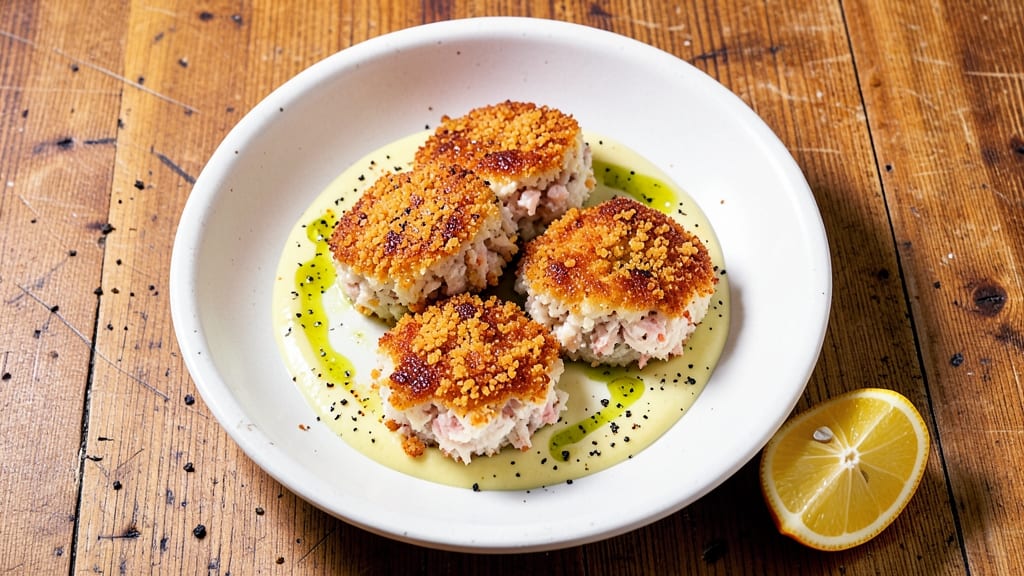
Angelina Jolie's crab cakes recipe delivers the perfect balance of crispy golden crusts and tender, juicy centers—just like the ones you'd find at a high-end seafood restaurant. The secret lies in the right mix of fresh crab, finely chopped herbs, and a light binding of eggs and breadcrumbs. I’ve refined this recipe over years of testing, ensuring every bite is packed with flavor and texture without being overly heavy.
What sets these crab cakes apart is the crispy exterior, achieved through a double-dredge technique in panko breadcrumbs, while the inside stays moist and flavorful thanks to a touch of Worcestershire sauce and Old Bay seasoning.
The recipe is designed to be approachable for home cooks, yet it delivers restaurant-quality results with minimal effort. Whether you're serving them as an appetizer or a main course, they’re sure to impress.
The key to success is using quality crab—whether fresh lump crab meat or high-quality imitation—and letting the mixture rest for 30 minutes before forming the cakes. This allows the flavors to meld and the texture to firm up just enough for easy handling.
Pan-frying in hot oil ensures a golden crust, while a quick broil at the end locks in the juices for that signature luminescent center.
Serve these crab cakes with a side of creamy remoulade sauce or a bright lemon aioli, and you’ve got a dish that’s elegant yet effortless. Perfect for dinner parties or a special weekend meal, these crab cakes are a crowd-pleaser that never fails to deliver.
Let’s get started on creating your own version of Angelina’s signature dish.
Ingredients for angelina's crab cake
These ingredients create restaurant-worthy crab cakes with perfect crispy crusts and juicy centers.
| Ingredient | Amount | Notes |
|---|---|---|
| Fresh Lump Crab Meat 🦀 | 1 ½ lb | Backfin preferred, no shell pieces |
| Panko Breadcrumbs 🍞 | 1 cup | Japanese-style for extra crispiness |
| Large Eggs 🥚 | 2 whole | Room temperature for best binding |
| Mayonnaise 🍳 | ¼ cup | Duke's brand recommended |
| Fresh Lemon Juice 🍋 | 2 tbsp | Freshly squeezed, no bottled |
| Old Bay Seasoning 🌶️ | 1 tbsp | Classic blend, not imitation |
| Worcestershire Sauce 🥫 | 1 tbsp | Original Lea & Perrins preferred |
| Fresh Chives 🌿 | 2 tbsp | Finely chopped, mild flavor |
| Fresh Parsley 🌿 | 2 tbsp | Flat-leaf preferred, finely chopped |
| Vegetable Oil 🫒 | 1 ½ cups | High smoke point for frying |
| Salt 🧂 | ½ tsp | Diamond Crystal preferred |
| Black Pepper 🌶️ | ½ tsp | Freshly ground, coarse grind |
| All-Purpose Flour 🌾 | ¼ cup | For dredging, light coating |
The crab meat makes or breaks this recipe. Fresh lump crab from a trusted seafood counter is worth the splurge—look for Backfin brand at Whole Foods or your local fish market. If using imitation crab, Lund's brand is the closest you'll get to the real thing. The panko should be Japanese-style—it's lighter and crisps better than regular breadcrumbs. I always grab extra panko because it's the secret to that golden crust. For the Old Bay, avoid the imitation versions—the real stuff has that signature zesty kick.
No fresh crab? High-quality imitation crab works in a pinch, but expect slightly less texture. Short on chives? Substitute with extra parsley—it's milder but still adds brightness. The mayonnaise is non-negotiable here—it's what binds everything together. Duke's brand is my go-to because it's consistent, but any good-quality mayo will work. For the Worcestershire, Lea & Perrins is the original—don't use the reduced-sodium versions. The lemon juice should be freshly squeezed (bottled just won't cut it), and if you're feeling fancy, you can add a pinch of zest from the peel for extra brightness. The double-dredge technique is key—flour first, then panko—don't skip it.
These crab cakes are best made fresh, but you can prep the mixture ahead and refrigerate it for up to 8 hours. The panko stays crispy if you keep the cakes refrigerated and cook them straight from the fridge. For serving, I like to pair them with a lemon aioli or remoulade sauce, both of which keep well in the fridge for 3-4 days. If you're making these for a crowd, double the recipe—they disappear fast. Store any leftovers in an airtight container for up to 2 days, but honestly, they're best eaten fresh.
Why You'll Love This Recipe
- The secret’s in the texture: the panko gives that perfect golden crunch while the mayo keeps it tender inside. Honestly, the first bite always makes me pause—it’s like a hug for your taste buds.
- No-Fuss Assembly: I swear by this recipe because the prep is that simple—just mix the crab meat with mayo, lemon juice, and a beaten egg, then fold in the panko. No chopping, no fancy techniques, just a bowl and a spatula.
- Crispy-Creamy Magic: The secret’s in the texture: the panko gives that perfect golden crunch while the mayo keeps it tender inside. Honestly, the first bite always makes me pause—it’s like a hug for your taste buds.
- Weeknight to Dinner Party: These crab cakes work for everything—quick weeknight dinners, potlucks, or even a fancy-ish brunch spread. I’ve served them with tartar sauce, on a salad, or straight up with lemon wedges, and they’ve never let me down.
Step-by-step instructions for Angelina Jolie's crab cakes
Here's how to make these legendary crab cakes with perfect texture every time.
Prepare the Crab Mixture
In a large mixing bowl, gently combine the 1.5 lb fresh lump crab meat with the 1 cup Panko breadcrumbs, 0.25 cup mayonnaise, 2 tbsp fresh lemon juice, 1 tbsp Old Bay seasoning, 1 tbsp Worcestershire sauce, 0.5 tsp salt, and 0.5 tsp black pepper. I like to use my hands for this part—it helps me feel the texture and ensures everything gets evenly mixed without breaking up the crab.
Next, fold in the 2 tbsp finely chopped fresh chives and 2 tbsp finely chopped fresh parsley. Be careful not to overmix—the crab should still hold its shape when you press the mixture together. If it feels too dry, add 1-2 teaspoons of ice water to help bind it. The mixture should be moist but not wet, holding together when you form a loose ball in your hand.
Chill and Shape the Crab Cakes
Cover the bowl with plastic wrap and refrigerate for at least 30 minutes (up to 2 hours works best). Chilling firms up the mixture, making it easier to shape and preventing the crab cakes from falling apart during frying. I know it's tempting to skip this step, but trust me—it makes all the difference in holding together.
Once chilled, divide the mixture into 4 equal portions (about 4 ounces each for perfect-sized crab cakes). On a lightly floured surface, gently shape each portion into ½-inch thick patties, being careful not to compress too tightly. The crab should still look slightly textured—this ensures that juicy interior we're after. Place the shaped crab cakes on a plate and cover with plastic wrap to keep them cold until frying.
Set Up for Frying
Fill a deep skillet with 1.5 cups vegetable oil and heat over medium heat until it reaches 350°F (use a thermometer for accuracy). This temperature is crucial—too hot and they'll burn before cooking through, too cool and they'll absorb oil instead of getting crispy. Let the oil heat up for 5 minutes while you prepare the dredging station.
In a shallow bowl, combine the 0.25 cup all-purpose flour with 1 tbsp Old Bay seasoning and 1 tbsp Worcestershire sauce. This will be your dredge for extra flavor and texture. Have two plates ready: one for the dredged crab cakes and one for finished ones. The oil should be shimmering but not smoking when ready—this is your signal that it's time to fry.
Fry to Golden Perfection
Working in batches to avoid crowding, lightly dredge each crab cake in the flour mixture, pressing gently to adhere. Carefully slide them into the hot oil using a slotted spatula. Fry for 3-4 minutes per side until they develop a deep golden brown crust. You'll know they're ready when the edges look crisp and the internal temperature reaches 145°F—the crab should still be slightly translucent in the center.
Transfer the cooked crab cakes to a paper towel-lined plate to drain excess oil. Keep them warm in a 200°F oven while you fry the remaining batches. The secret to maintaining that perfect crispy crust while keeping the inside juicy is to fry them just until golden—overcooking will turn them rubbery. Serve immediately while they're hot and crispy.
Pro Tips For Making Angelina'S Crab Cake
- CHILL THE CRAB FIRST: Dump that fresh lump crab meat into an ice bath for 10 minutes before mixing—yes, even if it’s "just out of the shell." I learned this the hard way when my first batch turned into a sad, greasy mush because the meat was still warm. Cold crab binds better with mayo and panko, so your cakes won’t fall apart when frying.
- TOAST YOUR PANKO: Lightly toast the panko in a dry skillet over medium heat for 2-3 minutes until it’s golden and smells nutty. This isn’t optional—it’s the thing that matters most for that crispy crust. Skip it, and your crab cakes will taste bland and soggy no matter how much lemon you squeeze in.
- PRESS HARD, HOLD FIRM: When forming the cakes, press the mixture into the pan with your palm—don’t just pat it gently. You want them dense enough to hold shape but not so tight they turn into hockey pucks. A good test: if it cracks when you lift the spatula, you didn’t press hard enough.
- REST THE BATTER: Let the crab mixture sit, covered, in the fridge for at least 30 minutes before frying. I was skeptical until I tried it—this lets the panko absorb moisture and the eggs set slightly, so your cakes won’t crumble when they hit the pan. (Your future self will thank you.)
Storing and reheating this recipe
Refrigerator Storage
Store any leftover crab cakes in an airtight container for up to 2 days in the refrigerator. The key is to keep them separate—place parchment paper between layers to prevent sticking. I like to use glass containers with tight-sealing lids to maintain crispiness.
Refrigerate until fully cooled before storing, and always let them return to room temperature for 10 minutes before reheating to avoid moisture buildup. 🥬
Freezer Prep Tips
For longer storage, freeze shaped (but unfried) crab cakes on a parchment-lined tray for 1 hour to solidify. Transfer to a freezer-safe bag with all air removed—this prevents freezer burn and maintains texture.
Label with the date and freeze for up to 2 months. When ready to cook, fry straight from frozen (add 30 seconds to cooking time per side). 🧊
Reheating Methods
For best results, reheat in a skillet over medium heat with 1 tbsp fresh vegetable oil for 2-3 minutes per side until golden and heated through to 145°F internally. Avoid microwaving—it makes the crust soggy.
If reheating from frozen, use 1 tbsp oil and cook 1 minute per side before flipping. A quick broiler finish (2-3 minutes) restores crispiness if needed. 🔥
Sauce Pairings
Reheated crab cakes pair perfectly with remoulade sauce or lemon aioli—both reheat well in the microwave for 30 seconds until warmed through. Keep sauces in small ramekins and serve on the side so guests can customize their dipping experience.
I like to add a squeeze of fresh lemon just before serving to brighten flavors. 🍋
Make-Ahead Shortcuts
Prep the crab mixture a day ahead and store it in the fridge. Shape the cakes the morning of cooking—this saves 30 minutes of prep time. For parties, assemble the flour dredge station in advance and keep it in a sealed container at room temperature.
This way, you can fry immediately without scrambling. 💡
Nutrition facts
Frequently asked questions
Can I use imitation crab instead of fresh?
Yes, but expect slightly different texture and flavor. For the closest match to fresh, use Lund's brand imitation crab—it holds together better than other store brands. If using imitation, reduce the mayonnaise by 1 tablespoon since it's already more moist. The recipe will still work, though fresh lump crab delivers that signature tender, sweet flavor.
Why are my crab cakes falling apart?
This usually happens when the mixture isn't chilled long enough or overmixed. Let the mixture rest for the full 30 minutes in the fridge—this firms up the proteins. Also, handle the crab gently when mixing (use your hands lightly) and avoid compacting too tightly when shaping. If the mixture feels dry, add 1 teaspoon ice water at a time until it holds together.
What's the best way to keep them crispy?
The double-dredge technique (flour then panko) is key for that signature crunch. Fry in small batches at 350°F and avoid overcrowding the pan. Keep cooked crab cakes warm in a 200°F oven while finishing the batch. For serving, place them on a wire rack over a baking sheet to prevent sogginess from steam.
Can I bake these instead of frying?
Preheat oven to 400°F and bake on a parchment-lined tray for 12-15 minutes until golden. Brush with 1 tablespoon oil before baking for extra crispiness. Baking works well for healthier versions, though frying delivers that classic restaurant-style crust. For best results, broil for 2 minutes at the end to crisp up the top.
How do I make these gluten-free?
Replace panko with gluten-free breadcrumbs or crushed gluten-free crackers. For the flour dredge, use gluten-free all-purpose flour or cornstarch. The texture will be slightly different but still delicious. Test with a small batch first, as gluten-free binders can vary in performance. The mayo and eggs in the recipe are naturally gluten-free.