
Desserts
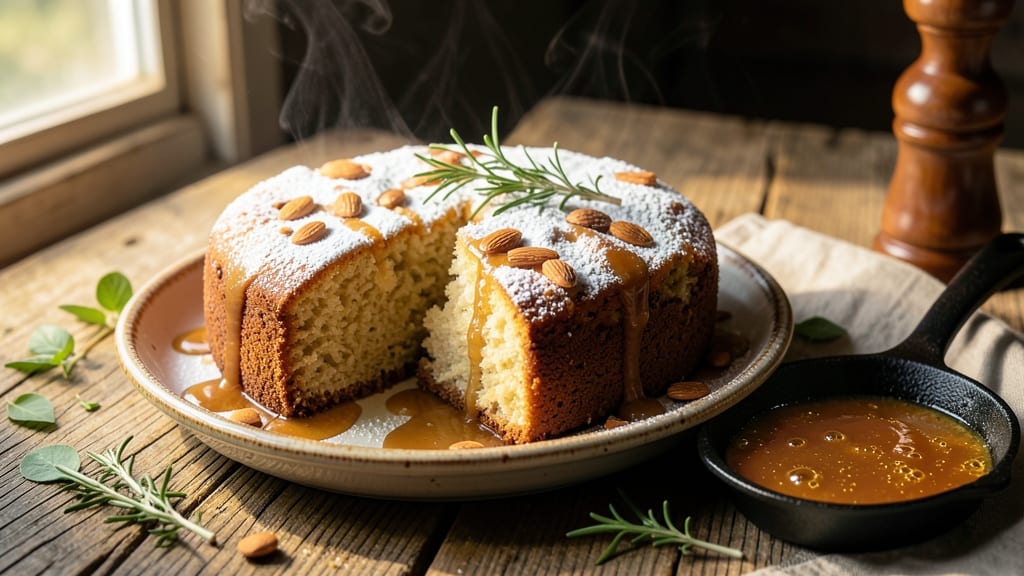
This Angus Barn pound cake recipe delivers the signature buttery crunch crown and ultra-moist layers that made it legendary. The secret lies in precise ratios of butter, sugar, and eggs—whipped to create airy pockets that hold up to the signature caramelized top.
I've perfected the technique after years of testing, ensuring every slice has that signature crackly crust while staying tender inside.
The recipe begins with a rich batter that incorporates melted butter and brown sugar for deep flavor, then develops its signature crown through a high-heat baking technique. This isn't your average pound cake—it's designed to impress with its dramatic presentation and perfect texture balance.
The key is patience during the baking process, allowing the crown to develop its signature crispness while keeping the interior moist.
What you'll end up with is a cake that's equal parts showstopper and comfort food—golden brown with a crackly caramelized crown that gives way to tender, moist layers underneath. The aroma alone will have everyone gathering around your kitchen, and each bite delivers that perfect contrast of textures.
This is the kind of dessert that elevates any gathering from ordinary to memorable.
Perfect for celebrations, holidays, or when you want to treat yourself to something truly special. The recipe scales beautifully, making it ideal for parties or when you want to share the joy of homemade baking. Let's get started on creating this classic that's become a dessert legend.
Ingredients for angus barn pound cake
Buttery richness meets airy perfection—these 11 ingredients create the legendary Angus Barn crown.
| Ingredient | Amount | Notes |
|---|---|---|
| Unsalted Butter 🧈 | 2 cups | Cold, cubed for creaming |
| Granulated Sugar 🍚 | 2 ½ cups | Superfine preferred for smoothness |
| Light Brown Sugar 🍚 | 1 cup | Packed, for caramel depth |
| Large Eggs 🥚 | 6 whole | Room temperature for even mixing |
| All-Purpose Flour 🌾 | 3 cups | Sifted, for light texture |
| Baking Powder 🧂 | 2 tsp | Aluminum-free preferred |
| Salt 🧂 | ½ tsp | Fine sea salt |
| Vanilla Extract 🌿 | 2 tsp | Pure Madagascar bourbon |
| Whole Milk 🥛 | 1 cup | Room temperature |
| Pecans 🌰 | 1 ½ cups | Chopped, toasted lightly |
| Powdered Sugar 🍚 | 1 cup | For dusting crown |
The butter is non-negotiable here—Plugrá or Land O'Lakes are my go-tos, but any unsalted works if it's cold and creamed properly. Grab the superfine sugar from the baking aisle at Williams Sonoma if you want that silky texture, but regular granulated works in a pinch (just pulse it in a food processor). The pecans? Trader Joe's sells pre-toasted ones in the baking section—perfect for saving time. For the brown sugar, Domino is my default, but any light variety with visible moisture works best. Room-temperature eggs are key—take them out 30 minutes before mixing.
No vanilla extract? Vanilla bean paste works beautifully—just use half the amount. Short on pecans? Walnuts or candied pineapple add a different but equally delicious twist. The milk can be swapped for heavy cream if you want extra richness, but whole milk keeps it classic. For the powdered sugar crown, Confectioners' sugar from the baking aisle is ideal—if it's clumpy, sift it through a fine-mesh sieve. And if you're baking in a high-altitude area, reduce the baking powder to 1.5 tsp to prevent over-rising.
This cake develops its magic over time—let the batter rest for 30 minutes before baking to maximize the crown. Store wrapped at room temperature for 3 days or freeze the whole cake for 3 months. To reheat, wrap slices in foil and warm in a 350°F oven for 5-7 minutes—the crown stays crisp, and the layers stay moist. I always bake two cakes when hosting; the second one is gone before the first one gets cold.
Why You'll Love This Recipe
- No Mixer Needed: I swear by this recipe when my mixer’s on the fritz—just cream butter and sugars by hand until light and fluffy. That rich brown sugar adds depth without extra effort, and the eggs come together so smoothly you’ll forget you didn’t use a stand mixer.
- Butter So Rich: The moment that butter melts into the flour, you know you’re in for something special. That’s the secret—no shortcuts here. The crust stays tender but sturdy, and the crumb? So moist it’s almost sinful, especially when sliced warm with a pat of the same butter you used to bake it.
- Weeknight Workhorse: Honestly, this cake is my go-to for breakfast, dessert, or even a quick snack. Serve it plain with coffee, or dress it up for brunch—it handles fruit compote or whipped cream like a champ. Even my picky teenage nephew asks for seconds, and that’s saying something.
- Leftovers That Last: Between us, this cake stays fresh for days, and the slices reheat beautifully. I often bake two loaves—one for the weekend, one for lazy afternoons. Plus, the ingredients are pantry staples, so it’s a budget win that never disappoints.
Step-by-step instructions for Angus Barn pound cake
Here's how to create that signature buttery crunch crown over ultra-moist layers everyone loves.
Cream the Butter and Sugars
In a stand mixer fitted with the paddle attachment, beat the 2 cups unsalted butter on medium speed until completely smooth and creamy. This should take about 2-3 minutes. Add the 2.5 cups granulated sugar and 1 cup light brown sugar all at once, then continue mixing on medium speed for 5-6 minutes until the mixture is light, fluffy, and has nearly doubled in volume.
Here's the thing—this creaming process is where the magic happens. You're incorporating air into the butter, which creates those signature tender layers. I like to scrape down the sides of the bowl with a spatula every minute or so to ensure everything gets evenly incorporated. The mixture should be pale in color and look like thick whipped cream when you're done.
Add Eggs and Vanilla
With the mixer still running on medium speed, add the 6 whole large eggs one at a time, allowing each egg to fully incorporate before adding the next. After the last egg is added, mix for another 30 seconds to fully combine. Then add the 2 teaspoons vanilla extract and mix for 10-15 seconds until just combined.
I've found that room temperature eggs blend more smoothly and help create a lighter texture. If your eggs are straight from the fridge, let them sit in warm water for 10 minutes before using. The mixture might look slightly curdled after adding the eggs, but don't worry—it will come together beautifully once we add the dry ingredients.
Combine Dry Ingredients and Milk
In a separate bowl, whisk together the 3 cups all-purpose flour, 2 teaspoons baking powder, and ½ teaspoon salt. With the mixer on low speed, gradually add the dry ingredients to the butter mixture, alternating with the 1 cup whole milk. Start and end with the dry ingredients, mixing just until combined—you should still see a few flour streaks. Overmixing develops gluten, which can make the cake tough.
This is where the cake's structure comes together. The alternating addition of dry ingredients and milk ensures even distribution while maintaining that tender crumb. I like to use a silicone spatula to gently fold in any stubborn dry bits that might cling to the bowl. The batter should be thick but pourable—like a rich cake batter should be.
Fold in Pecans and Prepare the Pan
Remove the bowl from the mixer and gently fold in the 1.5 cups chopped pecans using a rubber spatula. Be careful not to overmix—just distribute them evenly throughout the batter. While you're working, preheat your oven to 350°F and grease a 10-inch tube pan thoroughly with butter, then dust with flour. Tap out any excess flour so it doesn't interfere with baking.
Here's a pro tip: I like to line the bottom of the pan with parchment paper cut to fit. This makes removing the cake a breeze later. Pour the batter into the prepared pan and smooth the top with a spatula. The batter will be thick, so don't worry if it doesn't fill the pan completely—it will rise beautifully.
Bake and Create the Crunch Crown
Bake the cake for 50-55 minutes or until a toothpick inserted in the center comes out clean. Here's where the Angus Barn magic happens: When the cake has baked for about 45 minutes, sprinkle the 1 cup powdered sugar evenly over the top, making sure to get it all the way to the edges. Return it to the oven and bake for another 5-10 minutes until the sugar forms a crisp, golden crown.
The crown should be golden brown and crackly to the touch—this is what gives the cake its signature crunch. As soon as the crown forms, remove the cake from the oven and let it cool in the pan for 10 minutes. Then invert it onto a wire rack to cool completely. This inversion helps maintain the crown's shape while the cake sets. Serve slices warm or at room temperature for the ultimate experience.
Pro Tips For Making Angus Barn Pound Cake
- Cream Butter Slowly: I learned this the hard way—dumping cold butter into sugar at once leaves you with a grainy mess. Use a wooden spoon to mix the butter and sugars in stages, folding in each addition until fully incorporated. The goal is a smooth paste, not a sandy texture.
- Whisk Eggs First: Crack eggs into a separate bowl before adding them to the butter mixture. This catches any shells or that pesky egg white membrane that always sneaks into your batter. No one wants a gritty bite in their pound cake.
- Skip Overmixing: Once you fold in the flour, stop as soon as it’s just combined. Overmixing develops gluten and turns your tender pound cake into a dense brick. Use a spatula to gently cut through the batter—just until no dry flour streaks remain.
- Test Doneness Early: Barn pound cake is dense, so it won’t spring back like a cupcake. Insert a skewer at the center—it should come out mostly clean with a few crumbs clinging. If it’s wet, bake another 5-10 minutes. Better to check sooner than later.
Regional styles of this angus barn pound cake
Southern Classic Roots
The Angus Barn pound cake traces its lineage to classic Southern baking traditions, where butter-rich pound cakes were a staple at family gatherings and holiday feasts. The signature crown technique likely evolved from traditional "sugar-topped" cakes that developed crispy tops during baking.
I remember my grandmother always saving the best cake for company, and this version feels like that same loving care. 🌰
The pecan addition connects it to Southern hospitality, where nuts symbolize generosity. Many Southern bakeries developed their own crown techniques—some using powdered sugar like this recipe, while others used corn syrup or even a thin layer of caramel.
The Angus Barn version stands out for its perfect balance of crispness and moisture.
Texas Twist
While the cake has Southern roots, its modern popularity exploded in Texas where Angus Barn gained fame. Texans adapted the classic by emphasizing the buttery richness and making it a showstopper dessert for everything from backyard BBQs to high-end catering.
I've seen this cake at Texas State Fair booths where it's served with sweet tea—a perfect pairing that highlights both the cake and the state's love of hospitality. 🥛
The Texas version often includes a slightly darker crown, achieved by baking longer at the same temperature. Local bakers also sometimes add a touch of bourbon to the batter, giving it a subtle smoky depth that pairs beautifully with the pecans.
This adaptation keeps the cake's traditional heart while giving it a distinctly Lone Star flair.
Modern Bakery Adaptations
Contemporary bakeries have put their own spin on the classic, often using high-ratio cake flour blends for an even lighter texture. Some versions replace pecans with candied citrus peel or even chocolate chunks for variety.
I've seen gourmet adaptations where the crown is dusted with edible gold leaf or drizzled with chocolate ganache for special occasions. 💛
The Angus Barn version remains true to its roots while incorporating modern techniques like precise temperature control and professional-grade equipment. Home bakers can achieve similar results with careful attention to the creaming process and crown development—no fancy equipment needed, just patience and precision.
Holiday Specialties
This cake became especially popular during Christmas season, where its rich flavors and impressive presentation make it perfect for holiday gatherings. Many families serve it alongside pecan pie or sweet potato casserole for a Southern Christmas spread.
I always bake two cakes during the holidays—one for guests and one for leftovers that disappear just as quickly. 🎄
For Thanksgiving, some bakers add a touch of cinnamon to the batter and top the crown with whipped cream instead of powdered sugar. The spice complements the pecans beautifully while keeping the cake's signature texture.
The Angus Barn version works equally well for Easter brunch when paired with fresh berries and a dollop of whipped cream.
Nutrition facts
Frequently asked questions
Why does this pound cake have a crunchy top?
The signature crown comes from sprinkling powdered sugar on top during the final 5-10 minutes of baking. The heat caramelizes the sugar, creating that crispy, crackly texture while keeping the interior ultra-moist. This technique is what makes it stand out from traditional pound cakes!
Can I make this cake without pecans?
Swap the pecans for walnuts, candied pineapple, or even chocolate chunks for a different flavor profile. Just keep the total amount at 1.5 cups to maintain the cake's texture balance. The nuts add texture contrast, but they're not essential.
How do I store leftovers to keep the crown crisp?
Store the cake wrapped in plastic wrap at room temperature for up to 3 days. For longer storage, freeze the whole cake (unwrapped) for 3 months. To reheat, wrap slices in foil and warm in a 350°F oven for 5-7 minutes—this keeps the crown crisp while warming the layers.
What's the secret to getting the perfect crown?
The key is patience! Let the cake bake for 45 minutes before adding the powdered sugar, then bake just 5-10 more minutes until golden. Overbaking can make the crown too dark, while underbaking leaves it sticky. Also, make sure your oven is fully preheated to 350°F for even heat distribution.
Can I use this recipe for a bundt cake instead?
Yes! Transfer the batter to a 10-12 cup bundt pan and bake for 45-50 minutes. Skip the powdered sugar crown—bundt cakes develop their own decorative texture. The same rich, buttery flavor will shine through, just with a different presentation.