
Desserts
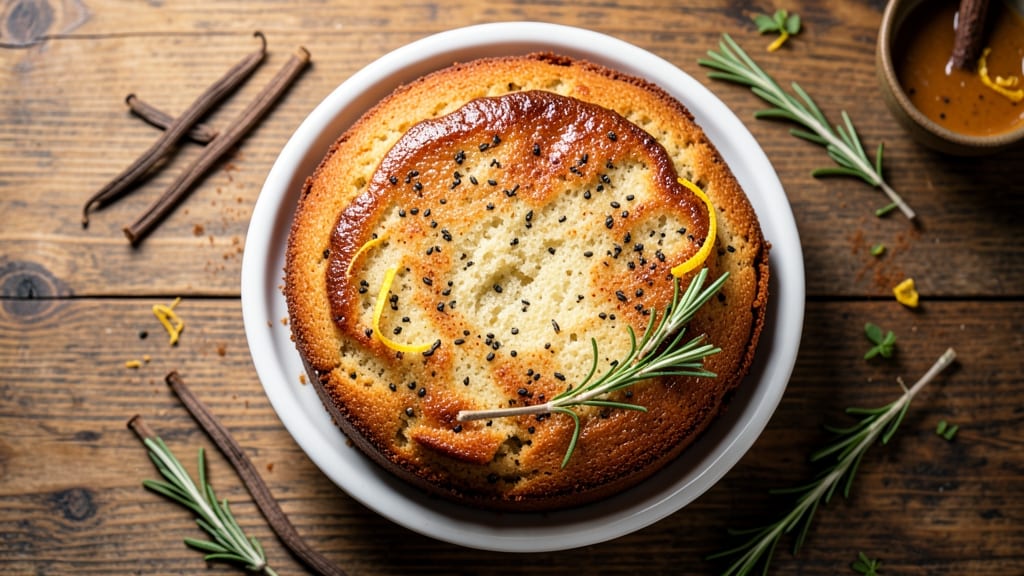
This anise pound cake delivers layers of warm spice and bright citrus in every moist, tender bite—perfect for holiday gatherings or a cozy dessert any time of year.
The secret lies in creaming butter and sugar to a light, fluffy texture while layering anise seeds, cinnamon, and orange zest for that signature aromatic depth.
I’ve perfected this recipe over years of baking, ensuring the cake stays dense yet crumbly, with a subtle anise flavor that lingers just enough to satisfy without overpowering.
The beauty of this recipe is its foolproof technique: no fancy equipment, just a standard mixing bowl and a 9x5-inch loaf pan.
The cake bakes up golden brown with a crackly top, and the citrus notes from orange zest brighten the warm spices, creating a balance that’s both comforting and sophisticated.
Whether you’re serving it warm with vanilla ice cream or at room temperature with a dusting of powdered sugar, it’s a showstopper that feels special yet simple to make.
What makes this pound cake truly special is how the anise seeds infuse the batter, releasing their licorice-like aroma as it bakes. The texture is perfectly dense yet moist, with a slight crumb that makes it ideal for slicing thick or serving as a centerpiece.
The recipe also includes a simple syrup glaze option, which adds extra moisture and a glossy finish that elevates the presentation.
This cake is versatile enough for holidays, brunch, or an unexpected treat, and it keeps well for days, making it a great make-ahead dessert. Let’s get started—your kitchen will soon smell like a spice market, and your taste buds will thank you.
Ingredients for anise pound cake
Pantry staples meet aromatic spices—this cake delivers cozy warmth in every slice.
| Ingredient | Amount | Notes |
|---|---|---|
| Unsalted Butter 🧈 | 1 cup | Room temperature, full-fat preferred |
| Granulated Sugar 🍚 | 2 cups | White or light brown |
| Large Eggs 🥚 | 4 whole | Room temperature for best mixing |
| All-Purpose Flour 🌾 | 2 cups | Sifted for even texture |
| Anise Seeds 🌿 | 1 tbsp | Whole seeds, lightly crushed |
| Ground Cinnamon 🌶️ | 1 tsp | Freshly ground preferred |
| Orange Zest 🍊 | 1 tbsp | From 1 large orange |
| Orange Juice 🍊 | ½ cup | Freshly squeezed |
| Vanilla Extract 🌸 | 1 tbsp | Pure extract preferred |
| Baking Powder 🍞 | 1 tsp | Aluminum-free preferred |
| Salt 🧂 | ½ tsp | Fine sea salt |
| Powdered Sugar 🍚 | ½ cup | For simple syrup glaze |
| Water 💧 | ¼ cup | For simple syrup glaze |
The anise seeds are non-negotiable—they give this cake its signature licorice-like aroma. Buy whole seeds from a spice shop like Penzeys or the bulk section at Whole Foods—they keep their potency longer than pre-ground. For the butter, room temperature is key—it should be soft but not melted. I always grab Land O’Lakes unsalted from the grocery store because it’s reliable, but Plugrá is worth the splurge if you’re feeling fancy. The orange zest should be vibrant—Navel or Valencia oranges work best, and avoid the white pith. Cinnamon? Ceylon cinnamon has a milder, sweeter flavor if you want to avoid that sharp bite.
No anise seeds? Star anise powder at half the amount works in a pinch, but it’s not the same. Running out of orange juice? Grapefruit juice at the same ratio adds a tangy twist. The vanilla extract can be imitation, but pure Madagascar bourbon vanilla makes it sing. For the flour, King Arthur or Bob’s Red Mill are my go-tos—they bake up consistently. If you’re gluten-free, swap the all-purpose flour for a 1:1 gluten-free blend and add an extra 0.5 tsp xanthan gum. The baking powder is crucial—Aluminum-free ensures it doesn’t leave a metallic aftertaste.
This cake keeps beautifully—3-4 days at room temperature wrapped in plastic, or 1 week in the fridge if you want to slow it down. For the glaze, make it fresh the day you serve it—just mix the powdered sugar and water until smooth. It sets in about 10 minutes, so time it right. Slice it thick—this isn’t your average pound cake. I like to serve it warm with vanilla bean ice cream or at room temperature with a dusting of toasted coconut. Leftovers? Freeze for up to 3 months—wrap tightly in plastic wrap and foil.
Why You'll Love This Recipe
- No-Fuss Mixing: This cake comes together with just five ingredients—no weird substitutions, no last-minute store runs. Cream butter and sugar, toss in eggs, fold in flour and anise, and boom. The anise seeds add a warm, licorice-like depth without overpowering, so even if you’re not a fan of strong spices, you’ll still love the gentle sweetness.
- Golden Crumb Magic: That buttery, tender crumb? It’s the secret of cold butter and minimal mixing—no tough, dry cake here. The anise seeds infuse the whole loaf with a subtle, aromatic kick, like a cross between vanilla and fennel, making every slice taste like a little treat you didn’t know you needed.
- Weekend or Weeknight: Slice it fresh for breakfast with coffee, pack it for lunch, or serve it at brunch—this cake handles any moment. It stays moist for days (yes, really), so you can bake one batch and forget about it. Honestly, I’ve had it cold, warm, even toasted with jam, and it’s always a win.
- Budget Baking: Butter and eggs are the stars, but they stretch further than you’d think—this recipe feeds six, and leftovers last. Plus, anise seeds are cheap and go a long way, so you’re not breaking the bank for that special something. Between us, this is the kind of cake that makes you feel fancy without the grocery bill.
Step-by-step instructions for anise pound cake
Here's how to bake this aromatic pound cake with tender crumb and bright citrus notes.
Cream Butter and Sugar for Maximum Fluffiness
In a stand mixer fitted with the paddle attachment, beat the 1 cup unsalted butter and 2 cups granulated sugar on medium speed for 5-7 minutes. You're looking for a light, pale yellow mixture that nearly doubles in volume and leaves clean streaks on the bowl. This step incorporates air, which creates that signature tender crumb.
I like to scrape down the bowl with a rubber spatula every minute or so—this ensures even mixing. If you're using a hand mixer, just be patient and mix for an extra minute or two. The butter should be completely smooth and creamy by the end, with no graininess remaining.
Add Eggs and Citrus One at a Time
Add the 4 whole large eggs, one at a time, mixing on low speed for 30 seconds after each addition. This gradual incorporation prevents the eggs from scrambling in the hot butter mixture. After all eggs are added, mix in the 1 tbsp vanilla extract and 1 tbsp orange zest for 30 seconds until fully combined.
Next, stir in the ½ cup orange juice—this adds moisture and bright citrus flavor that balances the warm spices. The mixture will look slightly curdled at first, but don't worry. Once you add the dry ingredients, everything will come together beautifully. I always use freshly squeezed orange juice for the best flavor, but bottled works in a pinch.
Combine Dry Ingredients and Fold Gently
In a separate bowl, whisk together the 2 cups all-purpose flour, 1 tsp baking powder, ½ tsp salt, 1 tbsp anise seeds, and 1 tsp ground cinnamon. Sift the flour mixture directly into the wet ingredients, then gently fold everything together using a spatula. Mix just until combined—overmixing develops gluten and makes the cake dense.
For best results, I like to fold in about ⅔ of the flour mixture first, then add the remaining ⅓ to ensure even distribution of the spices. The batter should be thick but pourable. If it looks too stiff, you can add 1-2 tablespoons of orange juice to loosen it slightly. The anise seeds will add a distinct licorice-like flavor, so don't skip this step!
Bake Until Golden and Springy
Preheat your oven to 350°F and grease a 9x5-inch loaf pan thoroughly with butter, then dust with flour. Pour the batter into the prepared pan and smooth the top. Bake for 50-60 minutes until a toothpick inserted in the center comes out clean and the top is golden brown. Tap the top gently—it should spring back slightly when pressed.
I usually start checking at the 45-minute mark because ovens vary. The cake is done when the edges pull away from the pan and the center holds its shape. If the top browns too quickly, tent the cake with foil after 30 minutes to prevent over-browning while the center finishes baking.
Glaze and Rest for Perfect Texture
While the cake is still warm, make a simple glaze by whisking together the ½ cup powdered sugar and ¼ cup water until smooth. Pour the glaze over the warm cake and let it soak in for 5 minutes. This step adds a subtle sweetness and keeps the cake moist.
Let the cake cool in the pan for 10 minutes, then transfer it to a wire rack to cool completely. The cake will be tender and moist when fully cooled, with a perfect balance of warm spices and bright citrus. Slice while still slightly warm for the best texture—each bite should be rich, aromatic, and perfectly tender.
Pro Tips For Making Anise Pound Cake
- CREAM BUTTER SLOWLY: Mix the butter and sugar at medium speed until pale and fluffy—about 3-4 minutes. I used to rush this, and the cake turned dense. Let the mixer do the work; the butter needs to incorporate air properly for that signature light texture.
- TOAST ANISE SEEDS: Dry-toast the anise seeds in a skillet for 30 seconds before grinding them. This deepens their flavor and prevents a bitter aftertaste. Skip this, and you’ll just be eating raw, grassy seeds instead of that warm, licorice-like aroma.
- WEIGH EGGS ACCURATELY: Use a kitchen scale for eggs—6 large eggs can vary by 10-15 grams between batches. I learned this after a cake turned out gummy one time. Precision here means consistent texture every time.
- CHILL THE BATTER: Let the batter rest in the fridge for 10-15 minutes before baking. This relaxes the gluten in the flour, so the cake rises evenly instead of doming or cracking. Yes, it’s an extra step, but it’s worth it.
Creative variations of anise pound cake
Citrus Twist Variations
Swap the orange zest and juice for lemon or lime to brighten the flavor profile. Use 1 tbsp zest and ½ cup juice from either fruit, adjusting the sugar to 1.75 cups to balance the increased tartness.
For a tropical twist, try pineapple juice—its natural sweetness reduces the need for extra sugar. I’ve also had success with grapefruit juice, which adds a bold, slightly bitter contrast that pairs beautifully with the anise. 🍋
Spiced Rum Infusion
Add 1 tbsp spiced rum (like Captain Morgan or Gosling’s) to the wet ingredients for a boozy depth. The warm spices in the rum complement the anise and cinnamon perfectly. For a non-alcoholic version, use 1 tbsp molasses or ½ cup apple cider instead.
This variation works especially well when served with a scoop of rum raisin ice cream or a dusting of toasted coconut flakes. The rum adds warmth and complexity that’s ideal for holiday gatherings. 🍹
Nutty Crunch Add-Ins
Fold in ½ cup toasted walnuts or pecans during the final flour fold for texture. Toast the nuts in a dry skillet over medium heat for 3-4 minutes until fragrant, then chop coarsely. For a sweeter nut, try hazelnuts—their buttery flavor pairs beautifully with the anise.
I like to sprinkle extra nuts on top before baking for a decorative crunch. This variation adds a delightful contrast to the cake’s tender crumb. 🌰
Chocolate-Dipped Layers
For a decadent twist, divide the batter between two loaf pans and bake as directed. Once cooled, slice each cake horizontally into ½-inch layers.
Spread a thin layer of warm chocolate ganache (melt 4 oz dark chocolate with ¼ cup heavy cream) between layers, then reassemble and dust with powdered sugar. This creates a rich, moist cake with pockets of chocolate that melt into every bite.
Serve with a dollop of whipped cream for extra indulgence. 🍫
Gluten-Free Adaptation
Replace the all-purpose flour with a 1:1 gluten-free baking flour blend (like Bob’s Red Mill or King Arthur) and add ½ tsp xanthan gum to improve texture. The cake will still be tender but slightly denser.
To compensate, reduce the baking time by 5-10 minutes and check for doneness at 40 minutes. The anise flavor remains prominent, and the citrus notes shine through. This version works perfectly for guests with dietary restrictions without sacrificing flavor. 🌾
Seasonal Herb Variations
In spring or summer, fold in 1 tbsp finely chopped fresh rosemary or thyme for an herbal twist. The earthy notes complement the anise beautifully, especially when paired with a honey glaze.
For a fall version, add ½ tsp ground cardamom or nutmeg alongside the cinnamon. These variations keep the cake fresh and exciting for different seasons while maintaining its signature aromatic profile. 🌿
Nutrition facts
Frequently asked questions
What makes this anise pound cake different from regular pound cake?
The star ingredient is the 1 tablespoon anise seeds, which give this cake its signature licorice-like aroma and subtle sweetness. Unlike traditional vanilla or lemon pound cakes, the anise adds a warm, aromatic depth that pairs perfectly with the citrus notes from orange zest and juice. The texture remains tender and moist, just like classic pound cake, but with an extra layer of complexity.
Can I substitute anise seeds with something else if I can't find them?
You can use star anise powder at half the amount (½ teaspoon instead of 1 tablespoon seeds), but the flavor will be slightly different. For a closer match, try fennel seeds (lightly crushed) or even a pinch of licorice root powder—though these are harder to find. The cake will still taste delicious, but the anise's distinct character will be more subtle.
How do I know when the cake is fully baked?
The cake is done when a toothpick inserted in the center comes out clean and the top is golden brown. Tap the top gently—it should spring back slightly when pressed. Start checking at 45 minutes, as ovens vary. If the top browns too quickly, tent the cake with foil after 30 minutes to prevent over-browning while the center finishes baking.
Can I make this cake ahead of time?
This cake keeps beautifully for 3-4 days at room temperature wrapped in plastic or 1 week in the fridge. For longer storage, freeze it for up to 3 months—wrap tightly in plastic wrap and foil. The flavors actually deepen over time, making it perfect for make-ahead desserts. Just let it come to room temperature before serving for the best texture.
What’s the best way to serve this cake?
Serve it warm with a scoop of vanilla ice cream or at room temperature with a dusting of powdered sugar. For extra flair, drizzle with a simple syrup made from ½ cup powdered sugar + ¼ cup water. The warm spices and citrus notes shine when paired with creamy or tangy accompaniments. Leftovers? Slice and toast lightly for a delicious breakfast treat!