
Desserts
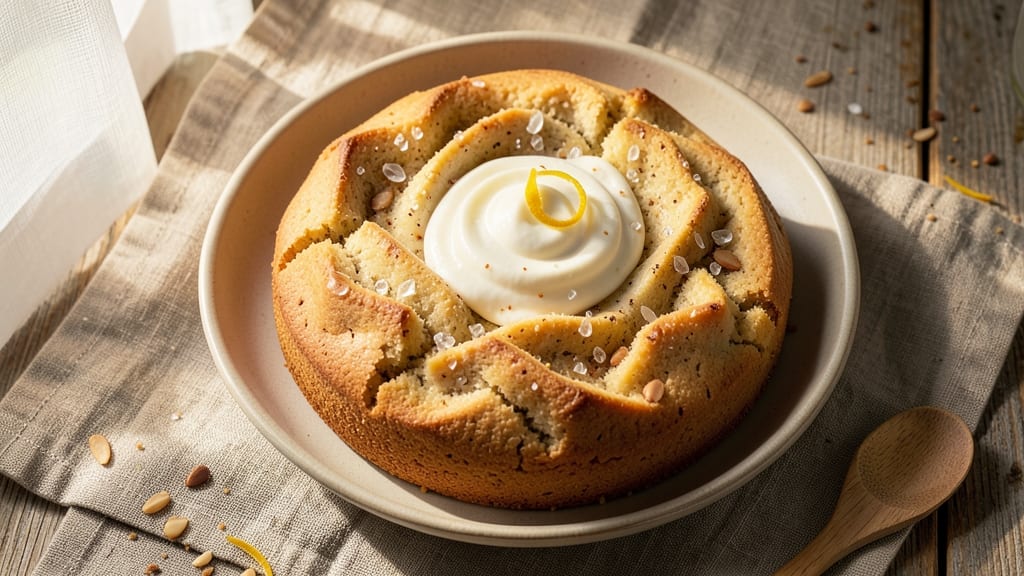
This anytime almond cake recipe delivers moist layers and rich nutty flavor without requiring hours of prep or baking. The secret lies in a simple yet effective technique that combines almond flour with traditional cake ingredients, creating a tender crumb that stays fresh for days.
What makes it truly special is how effortlessly it adapts—whether you're hosting a brunch or craving a quick afternoon treat.
The recipe relies on a balanced ratio of almond flour to all-purpose flour, ensuring that texture stays moist and not overly dense. A touch of sour cream adds richness, while vanilla and lemon zest brighten the nutty undertones.
The best part? It bakes in just under an hour, making it perfect for last-minute gatherings or spontaneous dessert cravings.
Once out of the oven, the cake has a subtle almond aroma that fills your kitchen, promising layers of tender crumb with just the right amount of chew. Top it with a simple powdered sugar glaze or serve it plain—either way, it’s a crowd-pleaser that feels both elegant and approachable.
The versatility is what makes it a true anytime dessert.
Perfect for breakfast, lunch, or dinner, this cake pairs beautifully with tea, coffee, or even as a light dessert after a savory meal. The recipe scales easily, so you can make a single layer for two or a full sheet cake for a crowd. Let’s get baking!
Ingredients for anytime almond cake
These 13 simple ingredients create a moist, nutty cake that bakes fast and stays fresh all day.
| Ingredient | Amount | Notes |
|---|---|---|
| Almond Flour 🥜 | 1 ½ cups | Superfine for smooth texture |
| All-Purpose Flour 🌾 | ½ cup | For balanced structure |
| Granulated Sugar 🍚 | 1 cup | Light brown adds subtle caramel notes |
| Unsalted Butter 🧈 | ½ cup | Room temperature for smooth mixing |
| Sour Cream 🥛 | ½ cup | Full-fat for richness |
| Large Eggs 🥚 | 2 whole | Room temperature for even baking |
| Pure Vanilla Extract 🌿 | 1 tbsp | High-quality for authentic flavor |
| Lemon Zest 🍋 | 1 tbsp | Freshly grated for bright flavor |
| Baking Powder 🧂 | 1 ½ tsp | Aluminum-free for best results |
| Salt 🧂 | ½ tsp | Fine sea salt preferred |
| Almond Extract 🥜 | ½ tsp | Pure for nutty depth |
| Powdered Sugar 🍚 | ½ cup | For simple glaze option |
| Milk 🥛 | ¼ cup | Any kind for moisture |
The almond flour is the star here—Bob’s Red Mill or King Arthur brands are my go-tos for that ultra-fine texture. The difference between almond flour and almond meal is huge: meal has chunks, flour is silky. If you can't find almond flour, pulse whole almonds in a food processor until super fine (but it won't be the same). For the butter and eggs, take them out of the fridge 30 minutes before baking—room temperature ingredients mix better and bake more evenly. The sour cream adds that tender crumb, so don't skimp on the full-fat version (trust me on this).
No almond extract? Skip it entirely—the almond flour gives enough nutty flavor. Running short on vanilla? Double the lemon zest for brightness. The milk can be any kind, but whole milk gives slightly richer results. For a lighter cake, sift the flours together before mixing. Want extra moisture? Add 1 tbsp lemon juice to the batter. And if you're making this ahead, the batter keeps 24 hours in the fridge—perfect for last-minute baking.
This cake stays moist for 3 days at room temperature, wrapped tightly. For longer storage, slice and freeze portions for up to 3 months. The powdered sugar glaze (if using) sets quickly, so work fast. Leftovers taste even better the next day—proof that good things come to those who wait (or don't). Store any uneaten cake in an airtight container with a slice of bread to absorb moisture.
Why You'll Love This Recipe
- No Measuring Cups Needed: Mixing this cake is all about ratios—no fussing with tiny spoons. Just eyeball the almond flour to all-purpose flour (about 2:1) and fold in the sour cream until it’s just combined. That’s it. No scales, no stress.
- Buttery Almond Magic: The combo of almond flour and butter gives it this rich, nutty crunch that’s almost like a cross between shortbread and a mocha cake. Honestly, the first bite makes you want to skip dessert.
- Weekday or Weekend Star: Bake it for breakfast with a drizzle of honey, serve it cold with whipped cream for a picnic, or slice it for a quick office snack. The texture holds up everywhere—no one will guess it’s not a fancy dessert.
Step-by-step instructions for anytime almond cake
Here's how to create a perfectly moist, nutty almond cake that bakes up in minutes—no waiting required!
Mix Dry Ingredients for Perfect Texture
In a medium bowl, whisk together the 1.5 cups almond flour and 0.5 cup all-purpose flour until completely combined. This ensures even distribution of the almond flour, which gives the cake its signature texture. Sift the 1.5 teaspoons baking powder and 0.5 teaspoon salt over the flours and whisk again to aerate the mixture. Here's the thing—almond flour can be dense, so this step prevents any lumps from forming later.
Next, add the 1 cup granulated sugar, 1 tablespoon lemon zest, and 0.5 teaspoon almond extract to the bowl. The lemon zest adds a bright citrus note that balances the richness, while the almond extract deepens the nutty flavor. Mix everything together until you see no more streaks of flour—this guarantees a smooth, tender crumb. I like to use a whisk here because it incorporates air without overmixing, which keeps the cake light.
Cream Butter and Sweeteners for Maximum Moisture
In a separate large bowl, beat the 0.5 cup unsalted butter (at room temperature) and the 1 cup granulated sugar together on medium speed for 3-4 minutes until light and fluffy. You'll see the mixture nearly double in volume and turn pale—this creaming process is what creates that tender, moist texture. If your butter isn't softened, the cake will turn out dense, so take a minute to press it between two sheets of parchment if needed.
Add the 2 whole large eggs, one at a time, mixing well after each addition. Then stir in the 1 tablespoon pure vanilla extract and 0.5 cup sour cream. The sour cream adds richness and helps keep the cake moist longer. Mix until everything is fully incorporated—you should have a smooth, thick batter that holds its shape when you lift the spoon. This is your base, and getting it right ensures a cake that's tender all the way through.
Combine Wet and Dry Ingredients Gently
Gradually add the dry ingredient mixture to the wet mixture in three additions, mixing on low speed just until combined after each addition. Overmixing develops gluten, which can make the cake tough. Stop mixing as soon as you see no more streaks of flour—this is crucial for maintaining that delicate, melt-in-your-mouth texture. The batter should be thick but pourable, almost like a rich cake batter.
Pour the batter into a 9-inch round cake pan lined with parchment paper or lightly greased with butter. Tap the pan gently on the counter a few times to release any air bubbles—this prevents unsightly holes in your cake. Here's where it gets fun: sprinkle the 0.25 cup milk evenly over the top of the batter. This creates a beautiful marbled effect and adds extra moisture to the top layer.
Bake to Golden Perfection
Preheat your oven to 350°F and place the cake pan in the center rack. Bake for 25-30 minutes, or until a toothpick inserted into the center comes out clean. The cake should be golden on top and slightly springy to the touch. I know it's tempting to open the oven early, but resist—this ensures even baking and prevents a dry crumb. If the top browns too quickly, tent the pan with foil after the first 15 minutes to protect it.
Once baked, let the cake cool in the pan for 10 minutes, then transfer it to a wire rack to cool completely. This resting period is important—it allows the cake to set properly so it holds its shape when sliced. While it cools, you can make the simple glaze by whisking together the 0.5 cup powdered sugar and a splash of milk (about 1-2 tablespoons) until smooth. Drizzle this over the cooled cake for a sweet, glossy finish.
Serve and Enjoy Your Moist Almond Cake
Slice the cake into 4 equal servings and serve at room temperature. The texture should be tender and moist, with a delicate crumb that melts in your mouth. Each bite delivers a perfect balance of nutty almond flavor, subtle citrus brightness, and just the right amount of sweetness. The glaze adds a lovely touch without overpowering the cake's natural flavors—trust me, it's the perfect finishing move.
This cake is incredibly versatile—enjoy it plain, with a dollop of whipped cream, or paired with fresh berries. And the best part? It stays moist for days when stored in an airtight container, making it the ultimate anytime treat. Now, go ahead and indulge—you've earned it!
Pro Tips For Making Anytime Almond Cake
- MEASURE ALMOND FLOUR BY WEIGHT: I learned this the hard way—scooping almond flour by volume leads to dry, dense cake. Use a kitchen scale for the exact grams; it’s the only way to guarantee that tender crumb. (Yes, even if you’re impatient like me.)
- CREAM BUTTER AND SUGAR UNTIL PALE: This isn’t just mixing—push the butter and sugar until it’s light and fluffy, with no streaks of yellow. I used to rush it, and the cake turned out greasy. Take the extra 30 seconds; your slice will be worth it.
- DON’T OVERMIX THE BATTER: Stop folding in the dry ingredients as soon as they’re just combined. I’ve seen people beat this batter into submission, and it turns out tough. Think "gentle" here—you’re not making pancakes.
- LET THE BATTER REST 20 MINUTES: Skip this, and your cake might sink in the middle. The sour cream and flours need time to hydrate properly. Pop it in the fridge while you prep the oven—it’s the thing that matters most for that perfect rise.
Pro cooking tips for this recipe
Room Temp Ingredients
Take your butter and eggs out of the fridge 30 minutes before baking—this is non-negotiable for a tender crumb. Cold butter won't cream properly, leading to a dense cake. I press my butter between two sheets of parchment if it's still too firm after waiting.
Room-temperature eggs blend smoothly and help create air pockets for that light texture we all love. Trust me, this small step makes a huge difference in the final result. 🌡️
Almond Flour Tips
Use superfine almond flour (like Bob’s Red Mill) for the smoothest texture—any gritty bits will make your cake feel coarse. If you only have almond meal, pulse whole almonds in a food processor until ultra-fine, but expect slightly less silky results.
Measure your almond flour by scooping and leveling—don't pack it down, or your cake will be too dense. The flour absorbs moisture differently than regular flour, so don't substitute it 1:1 in other recipes. 🥜
Baking Powder Boost
Use aluminum-free baking powder (like Clabber Girl) for the best rise—aluminum can leave a metallic aftertaste. Sift it with your dry ingredients to ensure even distribution throughout the batter. If your cake doesn't rise enough, check that your baking powder is fresh (it loses potency after 6 months).
The lemon zest also helps activate the baking powder slightly, giving you that extra lift. 💡
Butter Creaming Trick
Cream your butter and sugar for 3-4 minutes until the mixture is pale and fluffy—this incorporates air that lightens the cake. Use a stand mixer with the paddle attachment for best results, but a hand mixer works too if you mix on medium-high speed.
If your butter is too soft, chill the bowl for 10 minutes before creaming. The goal is to create a ribbon when you lift the beaters—this tells you it's ready for the next ingredients. 🧈
Glaze Timing
Make your powdered sugar glaze while the cake cools—it sets quickly once applied. Whisk 0.5 cup powdered sugar with 1-2 tablespoons milk until smooth, then drizzle immediately after the cake comes out of the oven but before it's fully cooled.
For extra shine, brush the top with a little almond extract (just ¼ teaspoon) before adding the glaze. This adds subtle nutty depth to the finish. ✨
Oven Prep Matters
Place your cake pan on the center rack of a preheated 350°F oven for even baking. If your oven runs hot, tent the cake with foil after 15 minutes to prevent over-browning.
For a foolproof doneness test, insert a toothpick—it should come out with a few moist crumbs, not wet batter. Let the cake cool 10 minutes in the pan before transferring to avoid crumbling. This resting period helps the layers set properly. 🔥
Nutrition facts
Frequently asked questions
Can I make this almond cake gluten-free?
Yes! Replace the 0.5 cup all-purpose flour with 0.5 cup gluten-free 1:1 baking flour (like Bob's Red Mill). For best results, add 0.5 teaspoon xanthan gum to help bind the cake. The texture will be slightly denser but still delicious. Just ensure all other ingredients remain the same for proper moisture balance.
How do I store leftovers to keep them moist?
Wrap the cake tightly in plastic wrap or place it in an airtight container with a slice of bread to absorb excess moisture. Store at room temperature for up to 3 days or refrigerate for 5 days. For longer storage, slice and freeze portions for up to 3 months. The bread trick is a pro secret to maintain that perfect tender crumb!
What's the best way to add chocolate to this cake?
For a chocolate-almond twist, fold in 0.5 cup melted dark chocolate (60-70% cocoa) with the sour cream, or melt 2 oz dark chocolate and drizzle it over the batter before baking. You can also add 0.25 cup chocolate chips to the batter for pockets of melted chocolate. Use semi-sweet or dark chocolate for the best flavor balance with the almond.
Why did my cake turn out dense instead of moist?
Common causes include overmixing the batter (which develops gluten), using cold butter or eggs, or skipping the room-temperature step. Also check that your baking powder is fresh and that you didn't overfill the pan. For a quick fix, try adding 1 extra tablespoon sour cream to the batter next time—it helps create that signature tender texture.
Can I make this cake in a different pan size?
For a 8-inch round pan, reduce baking time to 20-25 minutes and check for doneness early. For a 10-inch pan, increase baking time to 35-40 minutes and add 5 minutes to the cooling period. Adjust oven rack position to middle for even baking in any pan size. Always use parchment paper for easy removal.