
Desserts
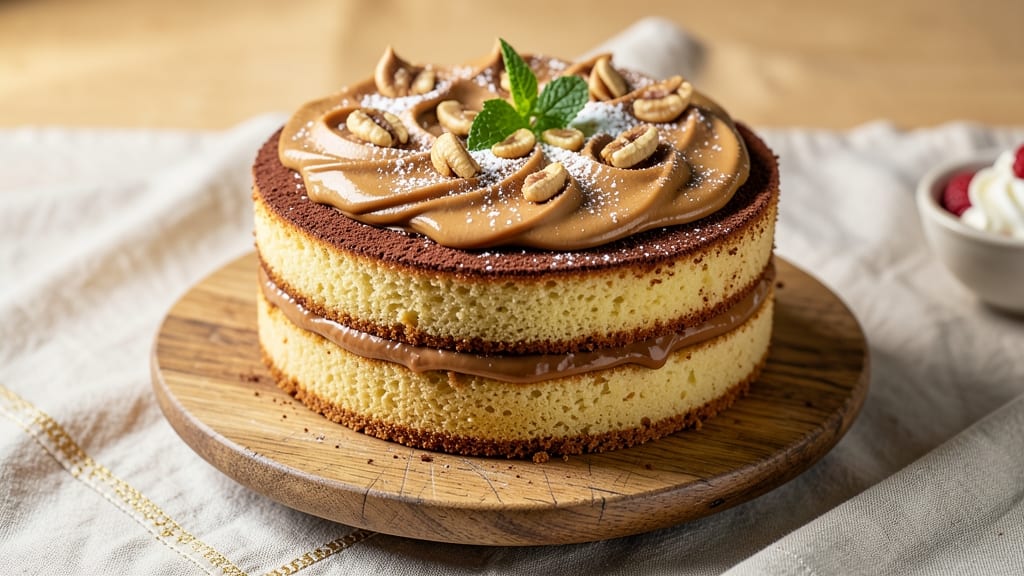
This Ape Amma Butter Cake delivers the perfect balance of moist, spiced richness and nutty crunch that defines West African baking traditions. 🌟 Born from Ghanaian culinary heritage, this cake combines tender crumb, warm cinnamon notes, and a subtle earthiness from groundnut (peanut) butter that sets it apart from classic butter cakes.
The secret lies in precise ingredient ratios and gentle baking techniques that preserve its signature tenderness.
What makes this recipe truly special is its foolproof method for achieving that signature moist texture without drying out. We'll use a combination of all-purpose flour and a touch of baking powder for lift, while groundnut butter adds depth and prevents the cake from becoming too sweet.
The spices—cinnamon and nutmeg—infuse warmth that lingers with every bite, making this more than just dessert, but a celebration of flavor.
By the time you pull this cake from the oven, you'll have a golden-domed masterpiece with a crackly top and perfectly tender crumb inside. The nutty aroma fills your kitchen, while the first slice reveals layers of spiced moisture and subtle crunch from toasted groundnuts.
This is the kind of cake that disappears quickly—perfect for gatherings, special occasions, or simply treating yourself to a taste of Ghanaian tradition.
The beauty of this recipe is its versatility—it works equally well as a showstopping centerpiece or a comforting everyday treat. We'll cover every detail to ensure your first attempt is successful, from proper mixing techniques to oven temperature control. Let's create something truly special together.
Ingredients for ape amma butter cake
Ghanaian traditions meet tender crumb in this cake—where nutty richness and spiced warmth create magic.
| Ingredient | Amount | Notes |
|---|---|---|
| All-Purpose Flour 🌾 | 2 ½ cups | Sifted for even texture |
| Groundnut Butter (Peanut Butter) 🥜 | 1 cup | Natural, unsweetened preferred |
| Granulated Sugar 🍚 | 1 ½ cups | White or light brown sugar |
| Unsalted Butter 🧈 | 1 cup | Room temperature, full-fat |
| Large Eggs 🥚 | 2 whole | Room temperature for blending |
| Milk 🥛 | 1 cup | Whole milk for richness |
| Vanilla Extract 🌿 | 2 tsp | Pure vanilla extract preferred |
| Baking Powder 🍞 | 2 tsp | Aluminum-free for best results |
| Ground Cinnamon 🌶️ | 1 ½ tsp | Freshly ground for warmth |
| Ground Nutmeg 🌿 | ½ tsp | Freshly grated preferred |
| Salt 🧂 | ½ tsp | Fine sea salt preferred |
| Toasted Groundnuts (Peanuts) 🥜 | ½ cup | Chopped, for crunch topping |
| Toasted Coconut Flakes 🥥 | ¼ cup | For added texture contrast |
Groundnut butter is the soul of this cake—look for natural, unsweetened varieties at African markets or specialty stores like Whole Foods. The toasted groundnuts should be lightly browned for that signature crunch, not burnt. For the butter, European-style unsalted (like Plugrá) adds extra richness, but any good-quality brand works. The spices are non-negotiable: freshly ground cinnamon and nutmeg make all the difference—pre-ground loses potency quickly. If you can't find groundnut butter, creamy peanut butter with no added sugar is your next best option, though the flavor will be slightly sweeter.
No groundnut butter? Substitute with equal parts peanut butter and a splash of milk to thin it out. Running low on vanilla? Vanilla bean paste works beautifully—just use half the amount. The toasted coconut adds a lovely contrast, but toasted pecans or almonds work in a pinch. For a richer texture, replace half the milk with buttermilk. The baking powder is crucial—double-check it's fresh by mixing with water; if it bubbles, it's good to go. And if you're worried about the cake being too dry, add an extra tablespoon of milk when mixing.
This cake keeps beautifully—covered at room temperature for 2 days or wrapped tightly in the fridge for 5 days. For longer storage, freeze slices wrapped in plastic for up to 3 months. The crumb stays moist even after freezing, though you may want to reheat slices briefly in the oven to restore that crackly top. I always make a double batch—half disappears in one sitting, and the rest gets frozen for lazy weeknight treats. The nutty aroma alone makes this cake worth baking, even if you're the only one eating it.
Why You'll Love This Recipe
- No Mixer Needed: I swear by this recipe when I’m too tired to cream butter and sugar—just fold everything together with a wooden spoon. The peanut butter keeps it rich without needing fancy techniques, and honestly? My cake turns out just as moist.
- Peanut Butter Magic: That first bite of warm cake with the peanut butter’s nutty depth and the butter’s richness? It’s like dessert hugs you. The sugar caramelizes just enough to make every slice feel special, and the eggs bind it so it doesn’t dry out.
- Crowd-Pleaser Any Day: Bring this to a potluck, pack slices for lunch, or serve it at a birthday party—no one will guess it’s basically a no-fuss cake. The simplicity makes it perfect for gatherings, and the flavor? Universally loved.
- Budget-Friendly Staples: Flour, peanut butter, sugar, butter, eggs—these are pantry basics that won’t break the bank. Leftovers? They last days in the fridge, and I’ve even frozen slices for quick treats. Minimal cost, maximum satisfaction.
Step-by-step instructions for ape amma butter cake
Here's how to create that signature Ghanaian spice blend and nutty crunch combination.
👨🍳 Step 1: Whisk Wet Ingredients for Perfect Moisture
In a large mixing bowl, combine the 1 cup unsalted butter and 1.5 cups granulated sugar using an electric mixer on medium-high speed for 3-4 minutes. You're looking for a light, fluffy texture that nearly doubles in volume—this incorporates air that keeps your cake wonderfully moist.
Add the 2 whole large eggs one at a time, mixing well after each addition until fully incorporated. Then stir in the 1 cup milk, 2 teaspoons vanilla extract, 1.5 teaspoons ground cinnamon, 0.5 teaspoon ground nutmeg, and 0.5 teaspoon salt. Mix until smooth—this spiced milk mixture will infuse the entire cake with warm, aromatic flavors.
Here's the thing—don't overmix. You want a smooth batter without developing gluten, which would make your cake tough. Stop when everything is just combined and the mixture looks silky.
👨🍳 Step 2: Combine Dry Ingredients and Groundnut Butter
In a separate bowl, whisk together the 2.5 cups all-purpose flour and 2 teaspoons baking powder until evenly distributed. This ensures your cake will rise properly. Then add the 1 cup groundnut butter (peanut butter) and mix until you achieve a thick, peanut butter dough consistency.
I like to use my hands for this part—press the peanut butter into the flour mixture until it forms a rough dough. This step is crucial for that signature nutty flavor and texture throughout each slice. If your peanut butter is particularly sticky, you might need to add an extra 1 tablespoon of milk to help it come together.
Real talk: don't skip the peanut butter—it's what makes this cake uniquely Ghanaian. The natural oils in the peanut butter keep the cake incredibly moist even days after baking.
🥘 Step 3: Fold Wet and Dry Components Gently
Gradually add the dry peanut butter mixture to the wet ingredients in 3 additions, mixing on low speed just until combined after each addition. This gentle folding prevents overmixing while ensuring even distribution of all ingredients. You'll see a thick, peanut butter-infused batter form that's ready for the oven.
Here's where it gets fun—fold in the 0.5 cup toasted groundnuts (peanuts) and 0.25 cup toasted coconut flakes by hand using a silicone spatula. These will add delightful crunch and texture contrast to every bite. Make sure they're evenly distributed throughout the batter.
Don't worry if it looks like too much—this cake is designed to be rich and flavorful. The toasted nuts will keep their crunch even after baking, creating that perfect textural experience with each slice.
🔥 Step 4: Bake Until Golden and Springy
Preheat your oven to 350°F and grease a 9x13-inch baking pan thoroughly with butter or line it with parchment paper. Transfer the batter to the prepared pan and spread it evenly—this cake doesn't rise dramatically, so spreading ensures even baking.
Bake for 35-40 minutes until the top is golden brown and a toothpick inserted in the center comes out clean. I know it seems like a long time, but this cake needs the full baking period to develop its signature moist texture. The peanut butter and extra fat in the batter mean it won't dry out, but it does need that time to set properly.
Your oven might run hot, so start checking at the 30-minute mark. If the edges are browning too quickly, tent the pan with aluminum foil to prevent over-browning while the center finishes cooking.
⏰ Step 5: Cool and Enjoy with Perfect Texture
Remove the cake from the oven and let it cool in the pan for 10 minutes before transferring it to a wire rack to cool completely. This resting period allows the cake to set properly and prevents it from falling apart when you slice it.
I like to let it cool completely before slicing—this ensures clean cuts and maintains that perfect moist texture. Each slice should have a tender crumb with pockets of peanut butter richness and those delightful crunchy peanut and coconut bits throughout.
Serve at room temperature with a dusting of powdered sugar or a dollop of whipped cream. The flavors only get better as it sits, developing that deep, comforting taste that makes this cake so special.
Pro Tips For Making Ape Amma Butter Cake
- Whisk Peanut Butter First: DESCRIPTION: Mix the groundnut butter with the sugar and eggs before adding flour—this prevents lumps and gives the batter a smoother, silkier texture. I used to toss everything in together, and the cake always ended up denser than it should’ve been.
- Don’t Overmix the Batter: DESCRIPTION: Stop folding in flour the second it’s just combined—overmixing makes the cake tough. The batter should look shaggy, not glossy. I learned this after cutting into a cake that tasted more like a peanut butter brick than dessert.
- Use Room-Temp Butter: DESCRIPTION: Softened butter (not melted) blends better with peanut butter and sugar, creating a lighter crumb. I skipped this once and ended up with a cake that was more compact than fluffy—worth the 10-minute wait.
- Bake Until the Center Springs: DESCRIPTION: Check doneness with a skewer and a gentle finger press—the center should bounce back slowly, not feel wet. A toothpick test alone misses moisture trapped in peanut butter cakes. I’ve pulled cakes too soon, and they turned gummy within hours.
Pro cooking tips for this recipe
Peanut Butter Magic
The groundnut butter is the star of this cake, and handling it properly makes all the difference. I always recommend using natural, unsweetened groundnut butter—brands like African Gold or Skippy Natural work beautifully.
Before mixing, make sure your peanut butter is at room temperature so it blends smoothly with the flour. If it's too thick, add 1 tablespoon of warm milk to help it incorporate evenly.
The key is to press it into the flour until you get a thick, peanut butter dough consistency—this ensures that nutty flavor and moisture are distributed throughout every bite. 🥜
Spice Balance
Getting the spices right is crucial for that authentic Ghanaian flavor. I like to use freshly ground cinnamon and nutmeg—pre-ground spices lose their potency quickly. Start with the 1.5 teaspoons of cinnamon and 0.5 teaspoon of nutmeg as written, but taste your batter before baking.
If you love warm spices, you can add an extra ¼ teaspoon of ground cloves, but don’t go overboard—this cake should be comforting, not overwhelming. The spices need time to meld during baking, so let the cake cool completely before slicing to fully appreciate their depth.
Baking Powder Check
Baking powder is what gives this cake its lift, so don’t skip this step! Before mixing, test yours by whisking 1 teaspoon of baking powder with ¼ cup of hot water. If it bubbles vigorously, it’s fresh and ready to use.
If not, replace it—old baking powder won’t rise properly, and your cake might turn out dense. I also recommend using aluminum-free baking powder for a cleaner rise. This cake relies on the baking powder for structure, so double-check your measurements: 2 teaspoons is the magic number for this recipe. 🍞
Oven Temperature Control
Preheating your oven to 350°F is non-negotiable—this cake needs a steady, even heat to bake properly. I always use an oven thermometer to confirm accuracy, because home ovens can vary by 25°F or more.
If your oven runs hot, start checking for doneness at 30 minutes instead of waiting the full 35-40 minutes. The cake is done when the top is golden brown and a toothpick comes out clean.
Pro tip: If the edges brown too quickly, tent the pan with aluminum foil to protect the center while it finishes baking.
Peanut Crunch Secrets
The toasted groundnuts and coconut flakes are what give this cake its signature texture, so don’t skip them! Toast your 0.5 cup of groundnuts in a dry skillet over medium heat for 3-4 minutes until fragrant and lightly browned—just watch them closely to avoid burning.
For the coconut, toast 0.25 cup of flakes in the same pan for 1-2 minutes until golden. Fold them into the batter at the very end, and make sure they’re evenly distributed. This step adds that delightful crunch that makes every bite special. 🥜✨
Cooling Like a Pro
Patience is key here—let the cake cool in the pan for 10 full minutes before transferring it to a wire rack. This resting period helps the cake set properly and prevents it from crumbling when you slice it.
I know it’s tempting to dig in right away, but resisting those first few minutes ensures clean cuts and that perfect moist texture. Once fully cooled, slice with a serrated knife for cleaner edges.
The flavors will only get better as it sits, so if you’re serving guests, let it rest for at least 1 hour before serving. Trust me, it’s worth the wait. 💫
Nutrition facts
Frequently asked questions
What makes Ape Amma Butter Cake different from regular butter cake?
This West African classic gets its signature flavor from groundnut (peanut) butter and warm spices like cinnamon and nutmeg. The peanut butter adds nutty richness and moisture that keeps the cake tender for days, while the spices create that comforting, aromatic profile you won't find in traditional butter cakes. The toasted groundnuts and coconut flakes also give it delightful crunchy pockets throughout!
Can I substitute peanut butter for groundnut butter?
Yes, but with a small adjustment! Use creamy peanut butter with no added sugar and thin it slightly with 1 tablespoon of milk since groundnut butter has a different fat content. For the most authentic flavor, try to find African-style groundnut butter at specialty stores. If you can't, regular peanut butter will work, though the flavor will be slightly sweeter and less complex.
Why does the recipe call for room temperature ingredients?
Room temperature butter, eggs, and milk blend together more smoothly, creating a lighter, more uniform batter. Cold ingredients can create pockets of air that don't incorporate properly, leading to a denser cake. Simply take eggs out 20 minutes before mixing, let butter sit out for 1 hour, and use milk straight from the fridge—it'll warm up as you mix!
How do I know when the cake is fully baked?
The cake is done when the top is golden brown and a toothpick inserted in the center comes out clean (or with just a few moist crumbs). Since this cake doesn't rise dramatically, it's important to bake it until the edges pull away slightly from the pan. Start checking at 30 minutes if your oven runs hot—every oven is different!
Can I make this cake gluten-free?
You can try substituting the all-purpose flour with a 1:1 gluten-free baking flour blend, but results may vary. The baking powder and peanut butter work together to create the cake's structure, so you might need to add ½ teaspoon of xanthan gum to help bind the crumb. Test with a small batch first—this cake relies on gluten for its tender texture, so gluten-free versions often turn out denser.