
Desserts
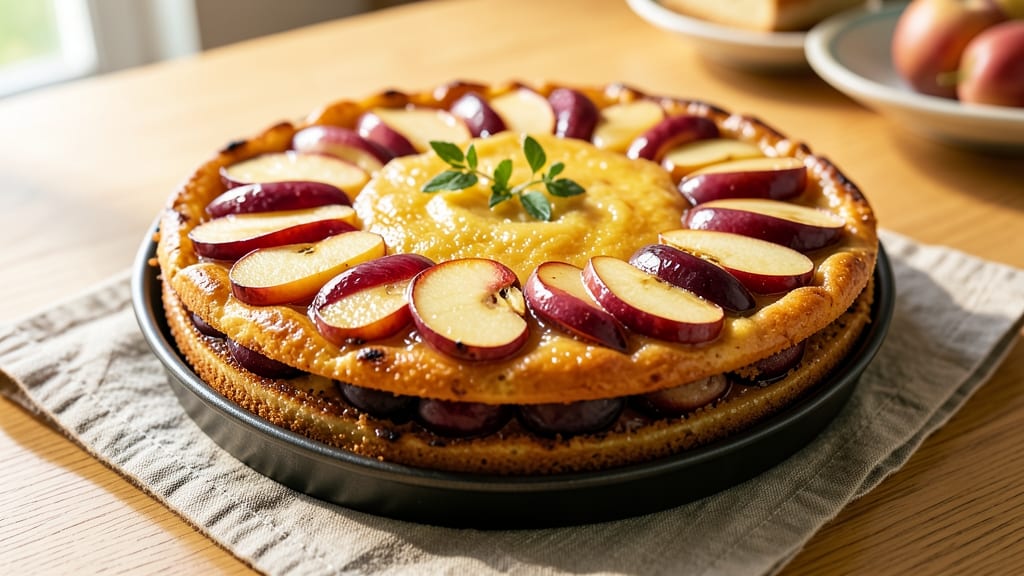
This apple and plum upside down cake delivers the perfect balance of caramelized fruit and spiced moist layers that make every slice unforgettable.
The secret lies in arranging the fruit just right—halved apples and plums nestled in a buttery sugar crust that transforms into a golden, sticky caramel base during baking. I've perfected this technique over years of testing, ensuring the cake stays tender while the fruit becomes irresistibly sweet and jammy.
The cake's magic comes from a simple yet effective batter—warm spices like cinnamon and nutmeg complement the natural sweetness of the fruit, while a touch of baking powder keeps the crumb light and airy.
What sets this recipe apart is the caramelized bottom layer, achieved by baking the fruit first to develop deep, complex flavors before the cake batter sets around it. This method guarantees a restaurant-quality dessert that's surprisingly simple to make at home.
By the time it emerges from the oven, you'll have a stunning cake with a crown of caramelized fruit that looks as good as it tastes. The contrast between the crispy golden bottom, tender cake layers, and juicy fruit creates a texture that's both satisfying and elegant.
This dessert is perfect for holiday gatherings, family dinners, or whenever you want to impress with minimal effort.
Serve warm with a scoop of vanilla ice cream or a dollop of whipped cream to elevate the experience even further. The flavors only deepen as the cake sits, making it ideal for preparing ahead of time. Let's create this showstopping dessert that will have everyone asking for seconds.
Ingredients for apple and plum upside down cake
Buttery sugar crust, spiced batter, and caramelized fruit—this cake delivers restaurant-quality dessert with simple ingredients.
| Ingredient | Amount | Notes |
|---|---|---|
| Granulated Sugar 🍚 | 1 ½ cups | Divided for crust and batter |
| Unsalted Butter 🧈 | 1 cup | Cold, cubed for crust |
| All-Purpose Flour 🌾 | 2 ½ cups | Sifted for light texture |
| Brown Sugar 🍚 | 1 cup | Packed for batter |
| Large Eggs 🥚 | 2 whole | Room temperature |
| Milk 🥛 | 1 cup | Whole milk preferred |
| Ground Cinnamon 🌿 | 2 tsp | Freshly ground preferred |
| Ground Nutmeg 🌿 | ½ tsp | Freshly grated |
| Baking Powder 🍞 | 2 tsp | Freshly opened |
| Salt 🧂 | ½ tsp | Fine sea salt |
| Vanilla Extract 🌸 | 1 tsp | Pure vanilla |
| Apples 🍎 | 4 medium | Honeycrisp or similar |
| Plums 🍑 | 4 medium | Firm, ripe varieties |
The fruit makes or breaks this cake. Honeycrisp apples and firm plums hold their shape during baking—avoid mealy varieties. Local farmers markets often have perfect fruit in summer, but the grocery store produce section works too. Look for apples that are firm but still yield slightly to pressure, and plums that are ripe but not mushy. Halve them just before baking to prevent browning. The sugar crust needs to be packed tightly in the pan to create that signature caramelized base—don't skip pressing it down with a glass.
No Honeycrisp apples? Gala or Fuji work in a pinch, though they'll be slightly less juicy. Plum substitutes? Peaches or nectarines give similar texture. The butter should be cold when making the crust—take it out of the fridge 20 minutes before mixing. For the batter, whole milk adds richness, but 2% works if that's all you have. The spices are non-negotiable—freshly ground cinnamon and nutmeg make all the difference. If you're short on vanilla, vanilla bean paste gives extra depth. The baking powder must be fresh—if your container is over a year old, replace it.
This cake tastes even better the next day as the flavors meld. Store covered at room temperature for 2 days or refrigerated for up to 5 days. For longer storage, wrap tightly in plastic and freeze for up to 3 months. Bring to room temperature before serving. The caramelized bottom layer is delicate when warm—slice carefully to preserve that stunning presentation. Serve with vanilla ice cream or whipped cream to balance the rich fruit flavors.
Why You'll Love This Recipe
- Here’s what sold me: this cake stays moist for days. I’ve served it at brunch, packed it for lunch, and even reheated slices for dessert. The brown sugar crust keeps it rich, while the fruit keeps it from getting dry. Honestly, I’ve never had cake last this long without turning stale.
- Fruit Fills the Gap: I swear by this when I’m missing a pie recipe but still want that juicy center. The apples and plums caramelize right into the cake batter—no extra filling needed. Just slice them, arrange them, and let the oven work its magic.
- One-Bowl Wonder: Between us, I’ve ruined more cakes than I’d like to admit. This one? Just cream butter and sugars, toss in dry ingredients, fold in eggs—done. No sifting, no extra bowls, no stress. The batter’s forgiving, and the upside-down magic hides any mistakes.
- Crowd-Pleaser Leftovers: Here’s what sold me: this cake stays moist for days. I’ve served it at brunch, packed it for lunch, and even reheated slices for dessert. The brown sugar crust keeps it rich, while the fruit keeps it from getting dry. Honestly, I’ve never had cake last this long without turning stale.
Step-by-step instructions for apple and plum upside down cake
Here's how to create a perfectly caramelized fruit crown over moist spiced layers.
Prepare the Fruit and Sugar Mixture
Preheat your oven to 350°F and generously grease a 9-inch round cake pan with butter. Core the 4 medium apples and 4 medium plums, cutting them into ½-inch thick slices. Arrange the fruit in a single layer in the prepared pan, slightly overlapping the slices. You should have about 2 layers of fruit total.
In a small saucepan, combine ¾ cup of the 1.5 cups granulated sugar with ¼ cup water and bring to a boil over medium-high heat. Pour the hot sugar syrup evenly over the fruit, pressing down gently to ensure each slice is coated. This creates the caramelized crown that will form during baking. Let the fruit sit for 10 minutes while you prepare the crust.
Make and Bake the Crust
In a food processor, combine ½ cup of the 1.5 cups granulated sugar, 1 cup unsalted butter (cold, cubed), and 1 cup all-purpose flour. Pulse until the mixture resembles coarse crumbs with some pea-sized butter pieces remaining. Spread this evenly over the fruit in the pan, pressing down lightly with your fingers.
Bake for 20 minutes until the crust is lightly golden and the fruit begins to soften slightly. This initial baking sets the crust while starting the caramelization process. You'll know it's ready when the edges of the crust look set and the pan begins to smell sweetly of caramelizing fruit.
Prepare the Cake Batter
While the crust bakes, whisk together 1 cup brown sugar, 2 whole large eggs, and 1 tsp vanilla extract in a large bowl until smooth. In a separate bowl, sift together 1½ cups all-purpose flour, 2 tsp baking powder, 2 tsp ground cinnamon, ½ tsp ground nutmeg, and ½ tsp salt. Gradually add the dry ingredients to the wet mixture, alternating with 1 cup milk, beginning and ending with the flour.
Beat just until combined—don't overmix. The batter should be thick but pourable. Here's the thing—overmixing develops gluten, which can make your cake tough. You want a tender, moist crumb, so keep your strokes gentle. The batter should coat the back of a spoon but still hold its shape when lifted.
Assemble and Bake the Cake
Remove the pan from the oven and carefully pour the batter over the fruit and crust. The batter should spread evenly to the edges of the pan. Return to the oven and bake for 45-50 minutes or until a toothpick inserted in the center comes out clean. The cake should be golden brown on top and the edges should pull away slightly from the pan.
This is where patience pays off. The cake needs time to set properly in the oven. If you check it too early, the center might remain underbaked. When you see the top spring back slowly when touched and the toothpick test passes, it's ready. Let it cool in the pan for 15 minutes before inverting onto a serving plate.
Invert and Serve
Run a thin knife around the edges of the cake to loosen it from the pan. Place a large serving plate over the pan and quickly invert the cake. Lift the pan away and let the cake rest for 10 minutes before slicing. This resting period allows the cake to set properly and prevents the layers from shifting when you cut into it.
The result should be a stunning presentation with caramelized fruit peeking through the moist cake layers. Each slice reveals the beautiful contrast between the golden crust, tender cake, and perfectly caramelized apples and plums. Serve warm with a dollop of whipped cream or vanilla ice cream for the ultimate dessert experience.
Pro Tips For Making Apple And Plum Upside Down Cake
- Preheat Pan First: Slather that 9-inch cast-iron or oven-safe skillet with butter before preheating—this keeps the fruit from sticking like glue when you flip it later. I learned this the hard way after wrestling with a cake that refused to release from a dry pan.
- Core Fruits Evenly: Use a melon baller or small spoon to hollow out apples and plums to the same depth (about 1.5 inches). Uneven cuts mean some fruit caramelizes faster, leaving you with a lopsided mess. A ruler helps—don’t eyeball it.
- Don’t Overmix Batter: Fold the dry ingredients into the wet just until combined—lumpy is fine. Overmixing develops gluten, and your cake will turn out dense instead of tender. I used to beat it like I was punishing it, then realized the recipe was already forgiving.
- Test Doneness with a Toothpick: The cake’s edges should pull away from the pan, but the center might still look wet—insert a toothpick. If it comes out with moist crumbs (not wet batter), it’s done. Overbaking dries out the fruit, and nobody wants a sad, leathery plum topping.
Regional styles of these flavors
German Apfelkuchen
This classic German version replaces plums with just apples and adds a touch of rum extract for depth. Use Braeburn or Granny Smith apples for tartness, and fold 1 tbsp dark rum into the batter.
The crust gets an extra ½ tsp cardamom for warmth. Serve with vanilla sauce instead of ice cream for authenticity. 🍏
French Tarte Tatin
While not upside down, this French cousin uses the same caramelized fruit technique. Arrange peeled apples and plums in concentric circles in a cast-iron skillet, then cover with a butter-sugar crust made from 1 cup butter, 1 cup sugar, and 2 cups flour.
Bake at 350°F for 40 minutes, then invert onto a plate. The texture is denser but equally delicious.
Southern Upside Down
In the American South, this cake often features peaches instead of plums but keeps the apple-plum combo. Add ½ tsp lemon zest to the fruit before baking to brighten flavors.
The batter gets a splash of bourbon (replace vanilla) for a boozy twist. Top with whipped cream and fresh mint for a refreshing finish. 🍑
Japanese Melon Pan Twist
For a fusion version, use sweet cantaloupe instead of plums. The crust gets a melon pan mold (with its signature ribbed top) and a sprinkle of black sesame seeds on top.
Replace cinnamon with ½ tsp ginger for a unique flavor profile. The result is a sweet-savory cake with caramelized melon at its heart. 🍈
British Sticky Toffee Pudding
This British classic shares the caramelized fruit concept but uses dates and apples instead of plums. The batter includes 1 cup chopped dates soaked in warm tea, and the topping gets a toffee sauce made from butter, sugar, and cream. Serve with clotted cream for the ultimate indulgence. 🇬🇧
Nutrition facts
Frequently asked questions
Can I use frozen apples and plums instead of fresh?
Fresh fruit is ideal for this recipe because it holds its shape better during baking. However, if you must use frozen fruit, thaw it completely first and pat it very dry to prevent excess moisture from making the crust soggy. Choose firm, ripe frozen fruit without any added sugars or syrups.
How do I prevent the cake from falling apart when inverting?
Let the cake cool in the pan for 15 minutes after baking, then run a thin knife around the edges to loosen it. Place a serving plate over the pan and invert quickly but firmly. If it still feels unstable, let it rest another 5 minutes before serving. The fruit should be caramelized but not mushy—this helps hold everything together.
What if I don't have a round cake pan?
A 9-inch round pan is traditional, but you can use a 9x9-inch square pan or even a 9-inch cast-iron skillet. The baking time may vary slightly—check for doneness with a toothpick at 40-45 minutes. Square pans require slightly longer baking to ensure the center is fully set.
Can I make this cake ahead of time?
This cake actually tastes better the next day! Store it covered at room temperature for 2 days or refrigerated for up to 5 days. For longer storage, wrap tightly in plastic and freeze for up to 3 months. Bring to room temperature before serving to restore the perfect texture.
What's the secret to perfectly caramelized fruit?
The key is the hot sugar syrup poured over the fruit before baking. Use firm but ripe fruit that will soften but not disintegrate. Arrange slices in a single layer, slightly overlapping, and press down gently after adding the syrup. Bake the fruit crust for 20 minutes before adding the batter to develop deep caramel flavors.