
Desserts
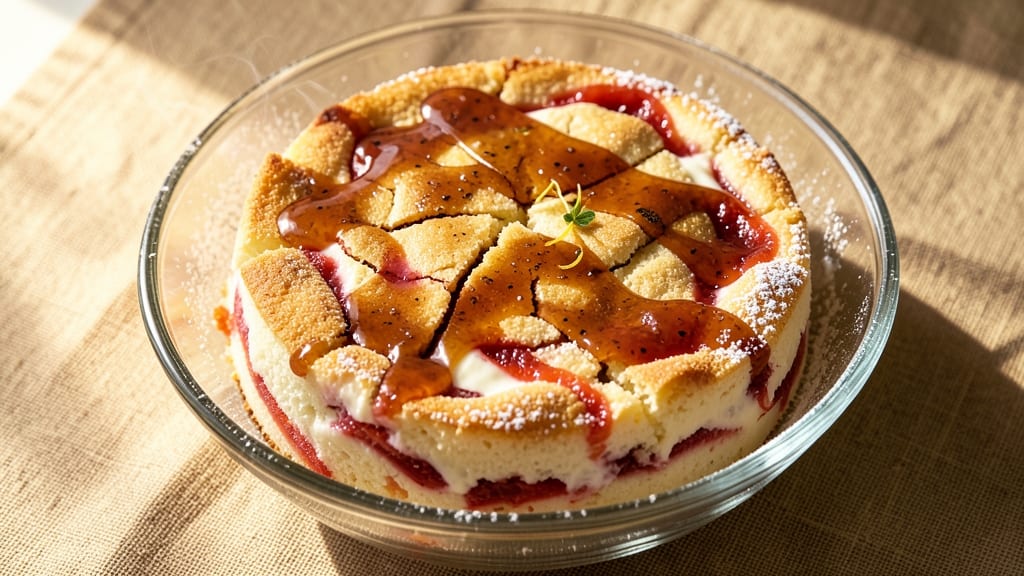
This apricot yogurt cake recipe delivers the perfect balance of tender crumb and fruity brightness—every slice is moist, fluffy, and infused with zesty apricot swirls that make it impossible to resist.
The yogurt keeps the texture incredibly tender, while the apricot puree adds natural sweetness and moisture without needing extra fat. I developed this recipe after years of baking, and it’s become a crowd-pleaser for birthdays, brunch, or just because.
The secret to this cake lies in the batter’s simplicity: a foolproof mix of flour, yogurt, eggs, and sugar creates a light, airy foundation, while the apricot swirl adds layers of flavor and texture.
Baking at 350°F ensures a golden crust and even rise, and the optional whipped cream or caramel drizzle elevates it to restaurant-quality dessert status. Even beginners will achieve a perfectly moist cake with minimal effort.
What makes this recipe truly special is how the apricot puree transforms a basic yogurt cake into something extraordinary—each bite offers a burst of tangy-sweet fruit that cuts through the richness. The cake stays fresh for days, making it ideal for meal prep or gifting.
Whether you’re serving it at a celebration or enjoying a quiet afternoon treat, this dessert delivers restaurant-worthy results with minimal fuss.
Ready to bake? The instructions are straightforward, and every step is designed to ensure success. Let’s get started on a cake that’s as beautiful as it is delicious.
Ingredients for apricot yogurt cake
Sunshine in every bite—these tender ingredients create a cake that's moist, fluffy, and bursting with apricot brightness.
| Ingredient | Amount | Notes |
|---|---|---|
| All-Purpose Flour 🌾 | 2 cups | Sifted for light texture |
| Plain Yogurt 🥛 | 1 cup | Full-fat for creaminess |
| Granulated Sugar 🍚 | 1 ½ cups | White or light brown |
| Large Eggs 🥚 | 2 whole | Room temperature for even mixing |
| Unsalted Butter 🧈 | ½ cup | Softened, not melted |
| Apricot Puree 🍑 | 1 cup | Homemade or store-bought |
| Baking Powder 🍞 | 2 tsp | Freshly measured |
| Salt 🧂 | ½ tsp | Fine sea salt preferred |
| Vanilla Extract 🌸 | 1 tsp | Pure vanilla for flavor |
| Lemon Zest 🍋 | 1 tbsp | Freshly grated |
| Lemon Juice 🍋 | 2 tbsp | Freshly squeezed |
| Apricot Jam 🍓 | ½ cup | For swirl, warmed slightly |
| Powdered Sugar 🍚 | ¼ cup | For dusting (optional) |
The yogurt is non-negotiable here—full-fat Greek yogurt gives the best texture, but plain works too. Whole Foods or Trader Joe's carry excellent brands, but any store's thick, creamy yogurt will do. For the apricot puree, homemade is ideal (simply blend cooked apricots), but Mott's or Bonne Maman unsweetened jam thinned with water works in a pinch. The flour should be sifted to avoid dense crumbs, and the butter needs to be soft but not melted—press your finger in it; it should leave a slight indent.
No apricot puree? Mixed berry or peach puree adds a similar fruity tang, though apricot's unique flavor is hard to replace. Short on vanilla? Almond extract at half the amount gives a different but lovely depth. The lemon zest and juice brighten the whole cake—don't skip them! For the jam swirl, any low-sugar fruit jam works, but apricot or peach keeps the theme. If you're making this ahead, pre-whip the cream and fold it in just before serving to keep it light.
This cake stays moist for 3-4 days at room temperature, wrapped tightly in plastic. For longer storage, slice and freeze portions for up to 3 months—they reheat beautifully. The apricot jam swirl keeps best if you warm it slightly before adding, so it flows easily. If you're gifting, wrap individual slices in parchment and tie with twine for a restaurant-worthy presentation. The powdered sugar dusting is optional but adds that final touch of elegance.
Why You'll Love This Recipe
- No Mixer Needed: The yogurt and butter mix so smoothly by hand—no stand mixer required. I swear by this trick: cream the butter and sugar first, then fold in the yogurt until it’s like velvet. Five minutes of elbow grease, and you’re golden.
- Apricot Magic: That tangy yogurt base meets the jammy sweetness of apricots—it’s like dessert hugs your taste buds. Honestly, the moment the cake pulls away from the pan with a golden crust but still moist inside? Pure satisfaction.
- Weekday Hero: Bake it for breakfast, pack slices for lunch, or serve it at a potluck—this cake handles it all. Between us, I’ve had it cold, warm, and even with a sprinkle of cinnamon. It’s the kind of recipe that doesn’t judge how you eat it.
- Budget-Friendly Luxury: Five basic ingredients, but it tastes like you slaved over it. The yogurt keeps it tender without needing fancy mixers, and the sugar-butter combo delivers rich flavor without costing a fortune. My secret weapon for looking impressive without breaking the bank.
Step-by-step instructions for apricot yogurt cake
Here's how to create a tender, moist cake with vibrant apricot swirls and bright citrus notes.
Prepare the Apricot Swirl Mixture
In a small microwave-safe bowl, combine the 0.5 cup apricot jam with 1 tablespoon lemon juice. Microwave for 20-30 seconds until the jam is warm and slightly runny—it should coat the back of a spoon but still hold its shape when drizzled. This warmth ensures the jam creates beautiful swirls rather than sinking to the bottom.
Let this mixture cool for 5 minutes while you prepare the cake batter. The jam should be thick enough to hold its form when piped but still fluid enough to create elegant patterns. If it cools too much, microwave for another 10 seconds to restore its consistency.
Mix Dry Ingredients for Light Texture
In a medium bowl, whisk together the 2 cups all-purpose flour, 2 teaspoons baking powder, and 0.5 teaspoon salt. Sift the mixture through a fine-mesh sieve directly into another bowl to aerate the flour and prevent dense cake layers. This step is crucial for achieving that signature light, airy texture that yogurt cakes are known for.
Set aside the dry ingredients mixture. The sifting process also helps distribute the baking powder evenly throughout the batter, ensuring even rise and consistent texture in every slice of your cake.
Combine Wet Ingredients for Moisture
In a large mixing bowl, beat the 0.5 cup softened unsalted butter and 1.5 cups granulated sugar together on medium speed until light and fluffy, about 2-3 minutes. The mixture should nearly double in volume and become pale in color. This creaming process incorporates air, which helps create that tender crumb structure we're aiming for.
Add the 2 whole large eggs, one at a time, mixing well after each addition. Scrape down the sides of the bowl as needed. Then stir in the 1 cup plain yogurt, 1 cup apricot puree, 1 teaspoon vanilla extract, 1 tablespoon lemon zest, and the remaining 2 tablespoons lemon juice. Mix until just combined—overmixing can develop gluten and make the cake tough.
Fold Ingredients Together Gently
With the mixer on low speed, gradually add the dry ingredients to the wet mixture. Mix just until combined—you should still see some flour streaks. The goal is to maintain that light, airy texture without overdeveloping the gluten. Be careful not to overmix; stop as soon as the batter comes together.
Using a spatula, gently fold in half of the prepared apricot swirl mixture. This creates the characteristic marbled effect that makes this cake so visually appealing. Don't worry if the swirls aren't perfect—they'll develop beautifully during baking.
Bake to Golden Perfection
Preheat your oven to 350°F. Grease and flour a 9-inch round cake pan or line it with parchment paper. Pour the batter into the prepared pan and smooth the top with a spatula. Using the back of the spatula, create a well in the center and carefully pipe or drizzle the remaining apricot swirl mixture through the well, creating a circular pattern.
Bake for 40-45 minutes or until a toothpick inserted into the center comes out clean. The cake should be golden brown on top and slightly springy to the touch. Rotate the pan halfway through baking for even heat distribution. The cake is done when it pulls away from the sides of the pan and has a slight bounce when pressed gently in the center.
Cool and Serve with Elegance
Allow the cake to cool in the pan for 10 minutes, then transfer it to a wire rack to cool completely. The internal temperature should drop to about 100°F before slicing. This gradual cooling helps set the cake's structure and prevents it from becoming gummy.
Once completely cool, dust the top with the 0.25 cup powdered sugar if desired. Serve slices at room temperature for the best texture and flavor. The cake will keep well at room temperature for up to 3 days, covered loosely with plastic wrap, or refrigerated for up to 5 days. The flavors actually deepen slightly as it sits, making it even more delicious the next day.
Pro Tips For Making Apricot Yogurt Cake
- Whisk Butter First: DESCRIPTION: Melt your unsalted butter just until fluid—no bubbles—and whisk it with the sugar until it’s pale and fluffy before adding eggs. I used to toss the butter in cold, and the cake always came out dense. This step lightens the texture, especially with yogurt’s natural weight.
- Strain the Yogurt: DESCRIPTION: Drain your plain yogurt through a fine-mesh sieve for 10 minutes before mixing it into the batter. The extra liquid makes the cake gummy, and this trick keeps it moist without turning soggy. (Yes, it’s tedious, but worth it.)
- Test Doneness Early: DESCRIPTION: Pull the cake from the oven when the edges look set but the center still jiggles slightly—it’ll firm up as it cools. Overbaking dries out the apricot flavor, and underbaking leaves it gummy. A toothpick with moist crumbs is perfect.
- Fold in Apricots Gently: DESCRIPTION: Toss dried apricots in a little flour first to prevent sinking, then fold them in last with a spatula—cutting through the batter just enough to distribute them evenly. Dumping them in raw ruins the texture, and no one wants a fruitless bite.
Wine and beer pairings for these flavors
Sweet Wine Pairings
A dry Riesling from Germany is my go-to pairing—its crisp acidity and honeyed apricot notes mirror the cake’s flavors beautifully. Look for a Kabinett or Spätlese with 10-12% ABV to complement the yogurt’s creaminess without overpowering.
I love Dr. Loosen Blue Slate for its bright citrus finish that cuts through the richness. 🍷
Light Sparkling Options
For a festive touch, Prosecco or Cava adds effervescence that cleanses the palate between bites. Choose a brut style with 11-12% ABV to balance the cake’s sweetness. La Marca Prosecco or Freixenet Cordon Negro both work perfectly—their delicate fruitiness enhances the apricot swirls. Serve chilled to 45°F for optimal contrast.
Rich Dessert Wines
If you prefer something heavier, a tawny Port (like Graham’s 10-Year-Old) adds caramel and nutty depth that pairs wonderfully with the cake’s spiced notes. The 19-20% ABV and 20-year aging create a luxurious contrast to the yogurt’s tang.
Alternatively, a Moscato d’Asti (slightly sweet, 5-6% ABV) offers a lighter, fruit-forward match.
Beer Pairings
A Belgian witbier like Hoegaarden or Stella Artois brings citrusy notes that echo the lemon zest in the cake. The 5% ABV and wheat-forward profile keep the pairing light and refreshing.
For a bolder option, try a honey ale (like Allagash Honey Farmer)—its 18-20 IBU and sweet malts complement the apricot beautifully. 🍺
Coffee or Tea Finish
For a non-alcoholic option, serve with espresso or chai tea to enhance the cake’s caramelized flavors. The bitter notes in coffee balance the sweetness, while spiced chai (made with cardamom and cinnamon) mirrors the cake’s warm undertones.
A demi-tasse of Italian roast is my personal favorite—it’s simple but elevates the experience.
Nutrition facts
Frequently asked questions
Can I substitute apricot puree with another fruit?
Yes! You can use peach, mango, or berry puree in equal amounts, but apricot gives that unique tangy-sweet balance. For a citrus twist, try orange or lemon curd (reduce by 2 tablespoons to account for moisture). The yogurt's creaminess will still shine through, but the flavor profile will change slightly.
Why does my apricot yogurt cake turn out dense?
Overmixing the batter or using cold ingredients are common culprits. Always mix just until combined and ensure your butter and eggs are room temperature. Sift the flour for a lighter texture, and don't skip the 10-minute rest before baking—this helps the gluten relax. A toothpick test (clean when inserted) confirms doneness.
How can I make this cake gluten-free?
Replace the all-purpose flour with a 1:1 gluten-free baking flour blend (like Bob's Red Mill) plus 1 teaspoon xanthan gum. For moisture, add 2 tablespoons extra yogurt and reduce the baking powder by 0.5 teaspoon. Bake at 325°F for 50-55 minutes—gluten-free cakes need slightly lower heat and longer time.
Can I bake this in a different pan size?
Yes! For a 8-inch pan, reduce baking time by 5-7 minutes (check at 35 minutes). For a 10-inch pan, increase time by 5-10 minutes. Always use the toothpick test—underbaking is better than overbaking. Line the pan with parchment paper to prevent sticking, especially with fruit swirls.
What's the best way to store leftovers?
Wrap tightly in plastic wrap at room temperature for 3 days, or refrigerate for 5 days. For longer storage, slice and freeze portions for up to 3 months. Thaw overnight in the fridge—microwaving can make it gummy. The flavors actually improve over time!