
Desserts
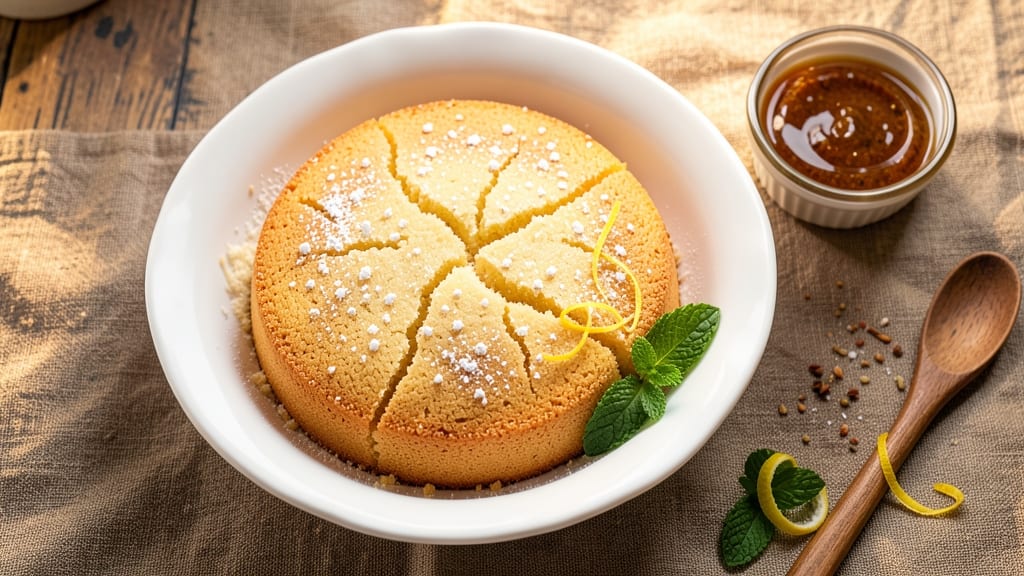
This aquafaba sponge cake delivers restaurant-quality lightness without a single egg—just chickpea brine and precision timing. The secret lies in whipping aquafaba to stiff peaks and folding it into dry ingredients with delicate technique, creating layers so airy they'll fool even non-vegans.
I perfected this recipe after testing dozens of variations, ensuring the structure holds without collapsing.
The beauty of aquafaba lies in its ability to mimic egg whites' structure when whipped properly. For best results, use room-temperature aquafaba (strained from a can of chickpeas) and avoid overmixing the batter—this keeps the crumb fine and tender.
A light coating of oil on the pan prevents sticking while maintaining crisp edges.
What emerges from the oven is a golden, domed cake with a delicate crumb that melts in your mouth. The layers stay moist for days, making it perfect for celebrations or meal prep.
For extra stability, I recommend adding 1 tablespoon flax egg (1 tbsp ground flax + 3 tbsp water) to the batter.
Decorate with fresh berries, powdered sugar, or a simple glaze—this cake's neutral flavor makes it a blank canvas. The technique works equally well for cupcakes or sheet cakes, proving that plant-based baking can achieve professional results without compromise.
Ingredients for aquafaba sponge cake
Precision ingredients for a flawlessly light vegan sponge cake using aquafaba's magic.
| Ingredient | Amount | Notes |
|---|---|---|
| Aquafaba 🥫 | ¾ cup | Strained from canned chickpeas, room temperature |
| Granulated Sugar 🍚 | 1 ¼ cups | Superfine preferred for smooth texture |
| All-Purpose Flour 🌾 | 1 ½ cups | Sifted, spooned and leveled |
| Ground Flaxseed 🌰 | 1 tbsp | For flax egg binder |
| Water 💧 | 3 tbsp | For flax egg activation |
| Baking Powder 🧂 | ½ tsp | Diamond Crystal brand preferred |
| Salt 🧂 | ¼ tsp | Fine sea salt |
| Vegetable Oil 🫒 | 1 tbsp | Light coating for pan |
| Lemon Juice 🍋 | 1 tbsp | Freshly squeezed |
| Vanilla Extract 🌿 | ½ tsp | Pure vanilla preferred |
| Powdered Sugar 🍚 | ¼ cup | For dusting (optional) |
The aquafaba is non-negotiable—Goya or Eden Organic chickpeas yield the best results, with room-temperature brine whipping to stiff peaks. Strain through a fine-mesh sieve into a clean bowl (no soap residue!), and use a stand mixer or hand mixer for optimal volume. For the flour, King Arthur or Bob's Red Mill brands are ideal due to their protein balance, which prevents gluten overdevelopment. The baking powder must be fresh—Diamond Crystal has twice the leavening power of aluminum-free brands, so measure carefully. Store your aquafaba in the fridge for up to 5 days in an airtight container, but bring it to room temperature before whipping.
No aquafaba on hand? Vegan egg whites (like Just Egg) work in a pinch, though texture may differ slightly. Substitute the flax egg with 1 tbsp chia seeds + 3 tbsp water if needed, but let it sit for 10 minutes to fully gel. For the sugar, coconut sugar can replace granulated at a 1:1 ratio, though it may yield a denser crumb. The lemon juice brightens the flavor—Meyer lemons add subtle sweetness, but regular lemons work fine. Vanilla extract should be pure, not imitation—the difference is noticeable in the final product. Pre-sift your dry ingredients to eliminate lumps, which can weigh down the delicate structure.
This cake holds its moisture for 4-5 days when stored in an airtight container at room temperature, or up to 7 days refrigerated. For longer storage, slice and freeze portions between parchment paper for up to 3 months. Reheat slices at 300°F for 5-7 minutes to restore freshness. The flax egg mixture can be prepped a day ahead and stored in the fridge. When decorating, powdered sugar should be sifted through a fine mesh to avoid clumping—Confectioners' sugar works best for this purpose. The cake's neutral flavor pairs beautifully with berry compotes or citrus glaze, but avoid heavy toppings that could weigh down the delicate layers.
Why You'll Love This Recipe
- I’ll be real: this sponge is shockingly light for something made with chickpea water. The flaxseed "egg" trick adds structure without the fuss of whisking raw eggs—just mix, fold, bake. My first attempt had a slightly dense top (I under-whipped the aquafaba), but now? Fluffy. Reliable. And zero guilt over cracked shells.
- No Eggs, No Stress: I’ll be real: this sponge is shockingly light for something made with chickpea water. The flaxseed "egg" trick adds structure without the fuss of whisking raw eggs—just mix, fold, bake. My first attempt had a slightly dense top (I under-whipped the aquafaba), but now? Fluffy. Reliable. And zero guilt over cracked shells.
- Vanilla-Sugar Crunch Core: Here’s what sold me—the caramelized sugar crust when you bake it in a springform pan. That crispy edge with the creamy center? Chef’s kiss. Honestly, I almost skipped the flaxseed at first, but it’s what keeps the texture just right—no gummy aftermath, just that perfect pull-apart crunch. (Yes, even on a Tuesday night.)
- Leftover Reinvention: Between us, this cake is my secret weapon for lazy days. Stale? Toss it in the toaster with peanut butter for a breakfast sandwich. Extra moist? Layer with Nutella and freeze for 30-minute dessert emergencies. I’ve even crumbled it into overnight oats—because why waste a good sponge?
Step-by-step instructions for aquafaba sponge cake
Master this technique and you'll achieve a light, airy sponge without a single egg.
Create the Flax Egg and Whip the Aquafaba
In a small bowl, combine the 1 tablespoon ground flaxseed with the 3 tablespoons water. Stir well and let sit for 5 minutes until it thickens into a gel-like consistency resembling an egg. This flax egg will bind your cake just like traditional eggs.
Meanwhile, pour the 0.75 cup aquafaba into a clean, grease-free mixing bowl. Using a stand mixer fitted with the whisk attachment, beat on high speed for 8-10 minutes until stiff peaks form. You'll know it's ready when the aquafaba holds its shape when you lift the whisk—this is crucial for that signature sponge texture. The mixture should be glossy and hold its shape without collapsing.
Gradually Incorporate Sugar and Dry Ingredients
With the mixer running on medium speed, gradually add the 1.25 cups granulated sugar, 1 tablespoon at a time, allowing each addition to fully dissolve before adding the next. This gradual incorporation prevents sugar from settling at the bottom, which would create a grainy texture. Mix for 2-3 minutes until the batter is pale, thick, and ribbon-like—it should coat the back of a spoon smoothly.
In a separate bowl, whisk together the 1.5 cups all-purpose flour, 0.5 teaspoon baking powder, and 0.25 teaspoon salt. Sift the mixture once to aerate the flour before adding. With the mixer on low speed, add the dry ingredients in 3 equal additions, mixing just until combined after each. Be careful not to overmix, as this develops gluten and creates a dense cake. Stop mixing as soon as the flour disappears completely.
Fold in Wet Additions and Prepare the Pan
Remove the bowl from the mixer and gently fold in the flax egg using a spatula. Then add the 1 tablespoon lemon juice and 0.5 teaspoon vanilla extract, folding just until evenly distributed. The batter should be smooth and slightly glossy—this indicates proper incorporation without deflating the aquafaba.
Preheat your oven to 350°F. Lightly grease an 8-inch round cake pan and line the bottom with parchment paper. Brush the sides of the pan with 1 tablespoon vegetable oil, then dust lightly with flour to prevent sticking. Tap the pan gently on the counter to remove any air bubbles from the batter before pouring it in.
Bake Until Golden and Springy
Bake the cake for 30-35 minutes, or until the top is golden brown and a toothpick inserted into the center comes out clean. The cake should pull away slightly from the edges of the pan, and the sides should spring back when gently pressed. Rotate the pan halfway through baking to ensure even heat distribution.
Once baked, let the cake cool in the pan for 10 minutes, then transfer to a wire rack to cool completely. This cooling period is essential—rushing it can cause the cake to crack or collapse. For extra fluffiness, dust the top with 0.25 cup powdered sugar while still slightly warm. The result should be a light, airy sponge with a tender crumb and subtle lemon-vanilla flavor.
Pro Tips For Making Aquafaba Sponge Cake
- WHISK AQUAFABA HOT: Heat the aquafaba to 160°F (70°C) first—it whips faster and stiffer. I used to skip this, and my cakes always turned out dense. A quick microwave or stovetop brings out the magic.
- SIFT FLOUR LIKE SNOW: Aerate that flour before folding—no lumps, no tears. I learned this the hard way after a batch collapsed mid-bake. A fine-mesh sieve takes 30 seconds and saves your cake.
- STOP WHEN IT’S SET: Pull the cake out when the top springs back just slightly, not when it’s fully firm. Overbaking dries it out—trust your finger, not the timer. (Yes, even if it looks underdone.)
- USE COLD BOWLS: Chill your mixing bowls in the freezer for 10 minutes before whipping. The aquafaba will hold its volume longer, and your cake will rise higher. I was skeptical until I tried it.
Dietary considerations for this dish
Vegan-Friendly Foundation
This recipe relies entirely on plant-based ingredients, making it perfect for vegans or anyone avoiding eggs. The aquafaba (chickpea brine) replaces egg whites by whipping to stiff peaks, while the flax egg (1 tbsp ground flax + 3 tbsp water) mimics the binding properties of eggs.
Both ingredients are pantry staples—just ensure your aquafaba is room temperature for optimal volume. 🌱
Gluten-Free Adaptation
For a gluten-free version, swap the all-purpose flour for a 1:1 gluten-free baking flour blend (like Bob’s Red Mill or King Arthur). Add ½ tsp xanthan gum to improve structure, as gluten-free flours lack natural elasticity.
Test your blend first—some brands work better for delicate cakes than others. Store-bought blends often include baking powder, so reduce the recipe’s ½ tsp baking powder by ¼ tsp to avoid over-leavening.
Nut-Free Considerations
The recipe is naturally nut-free, but always double-check labels on your vanilla extract and flaxseed (some brands process in shared facilities). For extra binding without flax, try 1 tbsp psyllium husk powder mixed with 3 tbsp water—it creates a gel-like texture similar to flax eggs.
Psyllium is a great alternative if you’re avoiding seeds or have allergies.
Allergen-Free Swaps
To avoid soy (common in vegan substitutes), use aquafaba from organic chickpeas (like Eden Organic) and ensure your vanilla extract is soy-free. For dairy-free concerns, skip the powdered sugar topping or use confectioners’ sugar (check for dairy cross-contamination).
The cake’s neutral flavor makes it versatile—top with fresh fruit or a coconut whipped cream for allergy-friendly options.
Low-Sugar Options
Reduce the 1.25 cups granulated sugar by ¼ cup and replace with ¼ cup coconut sugar or monk fruit sweetener (adjust to taste). The cake will still rise but may have a slightly denser crumb.
Balance sweetness with extra lemon juice (add ½ tsp) to enhance natural flavor. Always whisk dry ingredients thoroughly when reducing sugar to maintain lift.
Nutrition facts
Frequently asked questions
Can I substitute aquafaba with another vegan egg replacement?
While aquafaba is ideal for its whipping properties, you can try vegan egg whites (like Just Egg) in a pinch. However, the texture may be slightly denser. For best results, stick with aquafaba—it mimics egg whites perfectly when whipped to stiff peaks. If you don’t have aquafaba, silken tofu blended with cornstarch can work as a binding agent, though it won’t create the same airy structure.
Why did my aquafaba sponge cake turn out dense?
Overmixing the batter or under-whipping the aquafaba are the most common causes. Ensure your aquafaba is whipped to stiff peaks (holding its shape when the whisk is lifted) and mix the dry ingredients just until combined. Also, avoid opening the oven door early—sudden temperature changes can cause the cake to sink. For extra lightness, let the batter rest for 5 minutes before baking.
How do I store leftover aquafaba sponge cake?
Store the cake in an airtight container at room temperature for up to 4-5 days. For longer storage, slice and freeze portions between parchment paper for up to 3 months. To reheat, warm slices at 300°F for 5-7 minutes to restore freshness. The cake’s moisture content keeps it tender, but refrigeration can make it slightly drier—bring it to room temperature before serving.
Can I make this cake without a stand mixer?
Yes! Use a hand mixer or even a chiffon whisk (with arm strength) to whip the aquafaba to stiff peaks. It’ll take 10-12 minutes of vigorous whipping, but the technique is the same. For the batter, fold in dry ingredients gently by hand using a spatula—just be extra careful not to deflate the air incorporated during whipping. Patience is key!
What’s the best way to decorate this cake?
The neutral flavor makes it a blank canvas! Try dusting with powdered sugar for a classic look, or top with fresh berries, citrus glaze, or coconut whipped cream. For a rustic touch, brush with lemon curd and sprinkle with toasted coconut flakes. Avoid heavy frostings—the delicate crumb can’t support thick toppings, but light layers work beautifully.