
Desserts
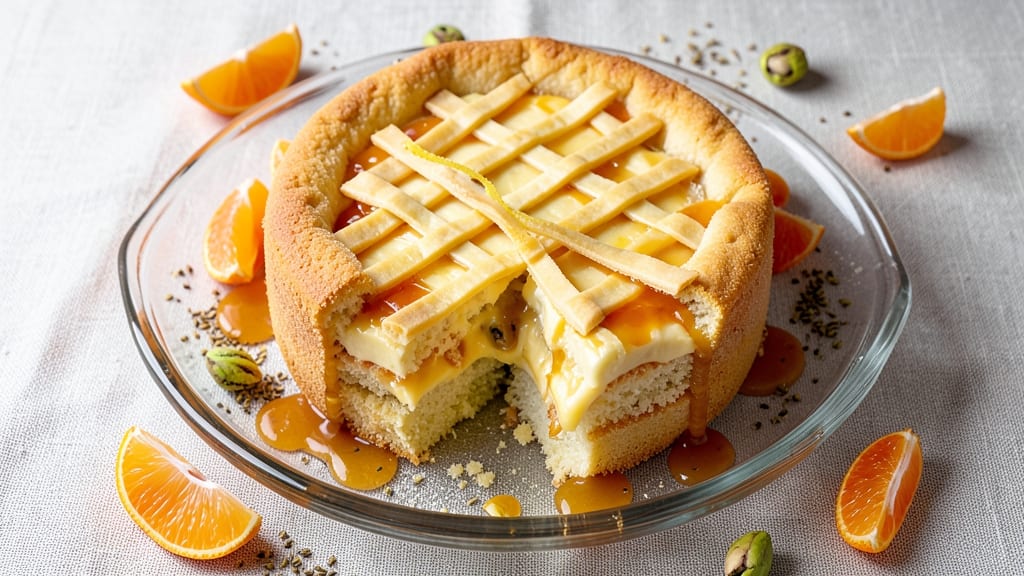
This Arab cake recipe delivers layers of cardamom-spiced semolina cake with a delicate orange blossom glaze that tastes like a piece of the Middle East.
The subtle warmth of ground cardamom and floral notes of orange blossom water create a dessert that's both elegant and comforting—perfect for celebrations or quiet afternoons with tea.
What makes this recipe special is the balance between tender, moist layers and the signature syrup-soaked texture that keeps it moist for days.
The foundation of this cake is a simple yet flavorful batter made with semolina flour, which gives it that signature crumbly yet tender texture. Cardamom infuses warmth without overpowering, while orange blossom water adds a floral brightness that's unmistakably Middle Eastern.
The syrup, a blend of sugar, water, and orange blossom, is brushed between layers and over the top, ensuring every bite is perfectly moist and fragrant.
What you'll end up with is a cake that's visually stunning with its golden layers and glossy glaze, but even more impressive is how it tastes—rich with cardamom, lightly sweetened, and finished with that signature orange blossom aroma.
This is the kind of dessert that feels special enough for holidays but simple enough to make any day feel like a celebration.
Serve it warm with a dusting of powdered sugar or at room temperature with a cup of Arabic coffee or mint tea. The cake keeps well for up to a week, making it perfect for meal prep or gifting. Let's get started on creating this timeless dessert.
Ingredients for arab cake
Semolina flour and cardamom create this cake's signature texture and aroma, while orange blossom water delivers its signature floral note.
| Ingredient | Amount | Notes |
|---|---|---|
| Semolina Flour 🌾 | 3 cups | Fine grind for best texture |
| All-Purpose Flour 🌾 | 1 ½ cups | For structure and binding |
| Granulated Sugar 🍚 | 2 cups | White or light brown |
| Ground Cardamom 🌿 | 2 tbsp | Freshly ground preferred |
| Orange Blossom Water 🍊 | ½ cup | Pure, food-grade quality |
| Unsalted Butter 🧈 | 1 cup | Room temperature, European style |
| Large Eggs 🥚 | 4 whole | Room temperature for best mixing |
| Baking Powder 🧂 | 1 tbsp | Aluminum-free preferred |
| Salt 🧂 | ½ tsp | Fine sea salt |
| Vanilla Extract 🌸 | 1 tbsp | Pure vanilla preferred |
| Powdered Sugar 🍚 | 1 cup | For glaze and dusting |
| Milk 🥛 | ½ cup | Whole milk for richness |
| Lemon Zest 🍋 | 1 tbsp | Freshly grated for brightness |
The semolina flour is non-negotiable for that signature crumbly yet tender texture. Bob's Red Mill or King Arthur brands work best—avoid pre-cooked semolina. Ground cardamom should smell vibrant, not stale. Penzeys Spices or bulk bins at Middle Eastern markets are ideal sources. Orange blossom water is harder to find—look for it in the international aisle or order online. Nabhan's or Al Wadi brands are reliable. If you can't find pure orange blossom water, a blend of orange zest and a splash of orange juice can mimic the floral notes, though it won't be identical.
No semolina flour? Fine cornmeal or extra fine polenta works in a pinch, though the texture will differ slightly. Substituting cardamom with cinnamon at half the amount changes the flavor profile dramatically—cardamom's unique warmth is essential. For the glaze, if you're short on powdered sugar, blend granulated sugar into a fine powder using a food processor. The milk can be swapped for heavy cream for extra richness or almond milk for a lighter option. Fresh lemon zest is ideal, but if unavailable, bottled lemon juice at half the amount will work in a bind.
Store the cake in an airtight container at room temperature for up to 5 days, though it's best enjoyed within 3 days for peak freshness. The layers can be baked a day ahead and stored covered at room temperature. For longer storage, freeze the assembled cake (without glaze) for up to 3 months. Thaw overnight at room temperature before glazing. The glaze can be made up to 2 days ahead and refrigerated—bring to room temperature before using. Dust with powdered sugar right before serving to keep it looking fresh.
Why You'll Love This Recipe
- No-Fuss Layers: I swear, this cake comes together faster than my coffee brews. Just mix, pour, and bake—no fancy folding or piping here. The semolina gives it that signature crumbly texture without the fuss.
- Cardamom-Orange Magic: That first whiff of orange blossom water and cardamom? It’s like a warm hug in cake form. The cardamom’s earthy warmth and floral orange notes make every bite taste like a little vacation.
- Crowd-Pleaser Always: Bring it to brunch, potlucks, or even as a dessert after a big meal—it disappears fast. Honestly, I’ve taken it to work, picnics, and even my mom’s house (she’s picky), and no one’s ever left a crumb.
- Budget-Friendly Luxury: Semolina and cardamom might sound fancy, but they stretch further than you’d think. A single batch feeds six, and leftovers stay moist for days—no sad, dry cake here. My wallet and taste buds win.
Step-by-step instructions for cardamom-spiced layers with orange blossom glaze
Follow this method for perfectly moist layers with a delicate crumb and fragrant cardamom flavor.
Prepare the Dry and Wet Ingredients Separately
In a large mixing bowl, whisk together the 3 cups semolina flour, 1.5 cups all-purpose flour, 2 tbsp ground cardamom, 1 tbsp baking powder, and 0.5 tsp salt. Sift the mixture twice to aerate and remove any lumps, ensuring a light, fluffy texture for the cake layers. Set aside.
In a separate bowl, cream the 1 cup unsalted butter (at room temperature) with the 2 cups granulated sugar using an electric mixer on medium speed for 3-4 minutes until light and fluffy. The mixture should nearly double in volume and become pale. This step incorporates air, which creates the signature tender crumb of Arab cakes.
Combine Wet Ingredients and Create the Batter
Add the 4 whole large eggs, one at a time, mixing well after each addition until fully incorporated. The batter should be thick and smooth. Stir in the 0.5 cup orange blossom water, 1 tbsp vanilla extract, and 1 tbsp lemon zest until evenly distributed. The orange blossom water adds a delicate floral note, while the lemon zest brightens the overall flavor.
Gradually fold in the dry ingredients using a spatula, mixing just until combined. Avoid overmixing—you should still see a few flour streaks. The 0.5 cup milk should be added last, thinning the batter slightly to achieve the perfect consistency for layering. The batter should be thick enough to hold its shape when poured but still flow smoothly.
Layer and Bake for Even Cooking
Preheat your oven to 350°F and grease three 8-inch round cake pans (or equivalent size for your serving needs). Divide the batter evenly among the pans, filling each about ⅔ full. Tap the pans gently on the counter to release any air bubbles and ensure even layers.
Bake for 25-30 minutes or until a toothpick inserted into the center comes out clean. The edges should be golden brown, and the top should spring back when gently pressed. Rotate the pans halfway through baking for even cooking. Remove from the oven and let the layers cool in the pans for 10 minutes before transferring to a wire rack to cool completely.
Assemble the Cake with Orange Blossom Glaze
Once the layers are completely cool, prepare the glaze by whisking together the 1 cup powdered sugar with 2-3 tablespoons of milk (from the 0.5 cup total) until smooth. The glaze should be thick enough to coat the back of a spoon but still pourable. Drizzle half of the glaze evenly over the first layer, then repeat with the remaining layers.
Assemble the cake by placing the first layer on a serving plate, then adding the second layer on top. Repeat with the third layer. For extra richness, you can also spread a thin layer of the remaining glaze between each layer before stacking. Chill the assembled cake in the refrigerator for at least 1 hour before serving to allow the glaze to set and the flavors to meld.
Pro Tips For Making Arab Cake
- Sift the Semolina: I learned this the hard way—skipping the sift for semolina makes your cake dense and gritty. Use a fine-mesh sieve and tap it gently over the bowl to break up any lumps, then whisk it with the all-purpose flour before adding wet ingredients. That extra step keeps the texture light and airy.
- Toast the Cardamom: Ground cardamom loses its punch fast, but toasting it first adds depth. Heat a dry pan over medium for 30 seconds, then add the cardamom and toast until fragrant (about 20 seconds). Let it cool before mixing—this prevents bitterness and makes the flavor pop against the sugar.
- Don’t Overmix the Batter: Arab cake relies on tender layers, not toughness. Mix the wet and dry ingredients just until combined—lumps are fine, but once you see streaks of flour, stop. Overworking the batter activates the gluten, and your cake will turn out chewy instead of melt-in-your-mouth.
- Grease the Pan Twice: This isn’t the prettiest method, but it’s the tastiest. First, coat your pan with butter, then dust with flour, tapping out excess. Wipe it down with a paper towel to remove loose bits, then grease it again with a thin layer of melted butter. The cake will release cleanly and have a golden crust, not a sad, stuck bottom.
Best sauces and condiments for this arab cake
Orange Blossom Syrup
This signature syrup is the secret to keeping your Arab cake layers moist and fragrant. Simmer 1 cup granulated sugar, ½ cup water, and 2 tbsp orange blossom water in a saucepan over medium heat for 5-7 minutes until the sugar dissolves completely.
Let it cool to room temperature before brushing between layers and over the top. The syrup should be thick enough to cling but still pourable. 🍊
Rosewater Cream Cheese Frosting
For a luxurious twist, blend 8 oz cream cheese, ½ cup unsalted butter, 2 cups powdered sugar, and 1 tbsp rosewater until smooth. Spread between layers or pipe decorative swirls on top.
This frosting adds a floral depth that complements the cardamom beautifully. Use a piping bag with a star tip for professional-looking decorations.
Pistachio and Date Paste
Create a rich filling by blending 1 cup shelled pistachios, ½ cup pitted dates, 2 tbsp honey, and 1 tsp orange blossom water in a food processor until smooth.
Spread this paste between layers for a nutty, caramelized contrast to the floral notes. Toast the pistachios first for enhanced flavor. This works especially well with the semolina base's crumbly texture.
Yogurt Drizzle
Whisk ½ cup Greek yogurt with 2 tbsp powdered sugar and 1 tsp vanilla extract until smooth. Drizzle this over the assembled cake just before serving for a tangy, creamy finish.
The yogurt's acidity cuts through the richness of the butter and sugar, balancing the cardamom's warmth. This is a classic pairing in Middle Eastern desserts.
Honey-Glazed Almonds
Toast ½ cup sliced almonds in a dry skillet over medium heat for 2-3 minutes, then drizzle with 2 tbsp honey and ½ tsp orange blossom water. Toss to coat and let cool on parchment paper.
Scatter these over the cake just before serving for crunch and extra floral aroma. The almonds add a satisfying texture contrast to the soft cake layers.
Cinnamon-Sugar Dusting
Mix ½ cup powdered sugar with 1 tsp ground cinnamon and lightly dust over the top of the cake after glazing. This adds warmth and visual appeal without overpowering the cardamom flavor.
The cinnamon enhances the spice profile while keeping the dessert's elegant presentation. Use a fine-mesh sieve for an even dusting. 🌟
Nutrition facts
Frequently asked questions
Can I substitute semolina flour in this Arab cake?
Yes, but the texture will change. For a similar crumb, use fine cornmeal or extra-fine polenta—just expect slightly denser layers. If you're short on time, all-purpose flour works in a pinch, though it won't be as tender. The semolina is key for that signature delicate-yet-crumbly texture that makes Arab cakes special.
How do I know when the cake layers are fully baked?
Insert a toothpick into the center—the cake is done when it comes out clean with just a few moist crumbs. The edges should be golden brown, and the top should spring back when gently pressed. Overbaking dries out the layers, so aim for 25-30 minutes at 350°F. Rotate the pans halfway for even cooking.
Can I make this cake without orange blossom water?
For a floral alternative, use 1 tsp rosewater or 1 tbsp lemon juice + 1 tsp vanilla extract. If you prefer no floral notes, simply reduce the vanilla to 2 tsp and add 1 tsp cinnamon to the dry ingredients. The cake will still taste delicious—just with a different flavor profile.
Why does my Arab cake taste dry after baking?
Dryness usually means overbaking or not using enough syrup. Always brush the layers with orange blossom syrup immediately after removing from the oven while still warm. For extra moisture, soak the cooled layers in a simple syrup (equal parts sugar and water, heated until dissolved) for 10 minutes before assembling. Store in an airtight container to maintain freshness.
How should I serve this cake traditionally?
Serve warm with a dusting of powdered sugar and a cup of Arabic coffee or mint tea. For a festive touch, garnish with toasted pistachios or honey-glazed almonds. In Middle Eastern culture, this cake is often shared during celebrations like Eid or weddings, symbolizing sweetness and hospitality. Pair it with baklava or kunafa for a full dessert spread.