
Desserts
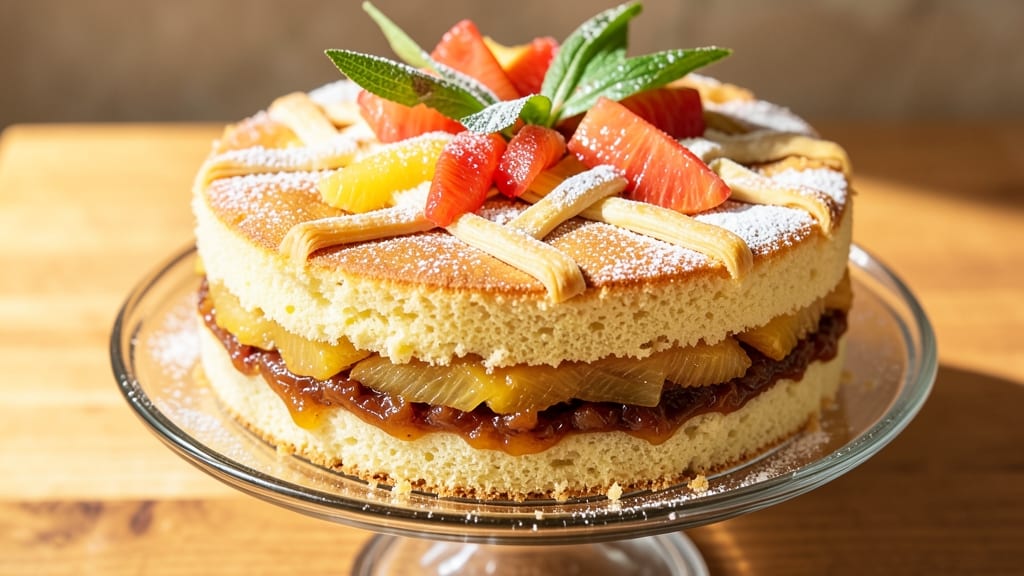
This Asian pineapple cake recipe transforms vibrant tropical flavors into delicate, layered perfection with a signature coconut cream cheese frosting. 🌴 Inspired by both classic Filipino ensaymada and Japanese pineapple upside-down traditions, this recipe balances sweetness with a light, airy texture that melts in your mouth.
The secret lies in the tender cake layers and the velvety frosting that ties everything together.
The recipe begins with a simple yet foolproof batter that incorporates fresh pineapple puree for natural moisture and sweetness, eliminating the need for excessive sugar. A touch of baking soda ensures a delicate rise, while toasted coconut adds subtle crunch between the layers.
The coconut cream cheese frosting, infused with a hint of vanilla and lime zest, elevates the cake from ordinary to extraordinary.
By the time you slice into this cake, you’ll uncover layers of tender cake, juicy pineapple bursts, and a creamy frosting that’s rich yet light. The aroma alone—warm pineapple, toasted coconut, and vanilla—will transport you to a tropical paradise.
Perfect for celebrations or a special treat, this cake is as beautiful as it is delicious.
While the recipe stays true to its roots, you can easily customize it with matcha-infused frosting or a drizzle of caramelized pineapple glaze for added flair. Whether you’re baking for a gathering or simply craving a taste of the tropics, this pineapple cake delivers restaurant-quality results with a homemade touch.
Ingredients for asian pineapple cake
Tropical flavors meet delicate layers in this vibrant Asian-inspired pineapple cake with velvety coconut cream cheese frosting.
| Ingredient | Amount | Notes |
|---|---|---|
| Fresh Pineapple Puree 🍍 | 1 cup | From ripe pineapple, seeds strained |
| All-Purpose Flour 🌾 | 2 ½ cups | Sifted for light texture |
| Granulated Sugar 🍚 | 1 ½ cups | Light brown sugar for depth |
| Unsalted Butter 🧈 | 1 cup | Room temperature, full-fat |
| Large Eggs 🥚 | 4 whole | Room temperature for even mixing |
| Baking Soda 🧂 | 1 tsp | Freshly measured |
| Vanilla Extract 🌿 | 2 tsp | Pure Madagascar bourbon |
| Toasted Coconut Flakes 🥥 | ½ cup | Lightly toasted in dry pan |
| Lime Zest 🍋 | 1 tbsp | Freshly grated, no pith |
| Salt 🧂 | ½ tsp | Fine sea salt |
| Cream Cheese 🧀 | 16 oz | Full-fat, room temperature |
| Heavy Whipping Cream 🥛 | 1 cup | Cold, heavy whipping |
| Powdered Sugar 🍚 | 3 cups | Sifted for smooth frosting |
| Shredded Coconut 🥥 | ½ cup | Sweetened, unsweetened mix |
| Pineapple Slices 🍍 | 1 ½ cups | Fresh, for garnish |
The pineapple puree is the heart of this cake—use ripe, fresh pineapple for the best natural sweetness. Trader Joe's or Asian markets often carry pre-cut pineapples with vibrant color, which means better flavor. Toast the coconut flakes in a dry pan until golden (about 5 minutes)—this adds that signature crunch between layers. For the butter, Plugrá or Land O'Lakes work well, but avoid margarine. The lime zest should be freshly grated; bottled zest lacks the bright aroma. If you can't find fresh pineapple, high-quality canned pineapple (like Dole) works in a pinch, but drain it thoroughly and reduce it to puree form.
No fresh pineapple? Mango puree works beautifully as a substitute, though it changes the flavor profile slightly. Running short on cream cheese? Substitute with mascarpone cheese—it's richer but requires slightly more powdered sugar to balance. For a lighter frosting, you can replace half the heavy cream with whipped coconut cream. The toasted coconut flakes are non-negotiable for texture, but if you're out, crushed macadamia nuts add a similar crunch. For the vanilla, imitation extracts just won't cut it—Madagascar bourbon vanilla is worth the splurge here. If you're making this ahead, prepare the frosting a day in advance—it tastes even better after resting.
This cake keeps beautifully for 3-4 days at room temperature, covered loosely with plastic wrap. For longer storage, refrigerate for up to 1 week—just let it sit at room temperature for 30 minutes before serving. The frosting can be made 2 days ahead and stored in the fridge; whip it briefly before using. To keep the layers moist, slice the cake only when ready to serve. The pineapple slices on top should be added fresh—about 30 minutes before serving—to maintain their juiciness. If you're making this for a crowd, assemble the cake in layers the night before and refrigerate; bring it to room temperature before frosting and serving.
Why You'll Love This Recipe
- No Blender Needed: I swear by this trick—just mash that pineapple with a fork until it’s smooth enough. No fancy appliances, no extra bowls, and honestly? The texture comes out better than store-bought puree.
- Tropical Comfort: That first bite—warm, buttery, with a whisper of pineapple tang cutting through the richness—feels like a hug. The butter and eggs make it tender, but the pineapple keeps it from being heavy.
- Weeknight Hero: Slice it for breakfast, pack it for lunch, or serve it with coffee. It’s got that cake-for-any-meal vibe, and the sugar keeps it from drying out overnight. (Yes, even on a Tuesday night.)
- Pantry Staple Magic: You already have the ingredients—flour, sugar, butter, eggs—and pineapple’s cheap when it’s in season. One cake feeds four, and leftovers? Just reheat a slice in the microwave. My go-to for lazy days.
Step-by-step instructions for tropical-light pineapple cake
Here's how to create fluffy layers and silky coconut frosting that taste like a tropical escape.
👨🍳 Step 1: Prepare the Cake Batter with Pineapple Puree
Preheat your oven to 350°F and grease two 8-inch round pans with nonstick spray, then line the bottoms with parchment paper. In a large mixing bowl, cream together the 1 cup unsalted butter and 1.5 cups granulated sugar on medium speed until light and fluffy—about 3-4 minutes. This step is crucial for aerating the batter and creating that signature light texture.
Add the 4 whole large eggs, one at a time, mixing well after each addition. Then stir in the 1 cup fresh pineapple puree, 2 teaspoons vanilla extract, and 1 tablespoon lime zest. The pineapple puree adds natural sweetness and moisture while keeping the cake tender. In a separate bowl, whisk together the 2.5 cups all-purpose flour, 1 teaspoon baking soda, and half teaspoon salt. Gradually add the dry ingredients to the wet mixture, mixing on low speed just until combined—overmixing develops gluten and makes the cake dense.
🍳 Step 2: Fold in Coconut and Bake to Perfection
Gently fold in the 0.5 cup toasted coconut flakes using a spatula until evenly distributed. Divide the batter evenly between the prepared pans. Bake for 25-30 minutes, or until a toothpick inserted into the center comes out clean and the tops spring back when lightly touched. The cake should have a golden hue with a slightly domed top—this indicates it's fully baked but still moist.
I like to rotate the pans halfway through baking for even browning. As soon as the cakes pull away from the edges, remove them from the oven and let them cool in the pans for 10 minutes before transferring to a wire rack to cool completely. This gradual cooling prevents cracking and maintains that light, airy crumb structure we're after.
🥘 Step 3: Make the Coconut Cream Cheese Frosting
While the cakes cool, prepare the frosting by beating the 16 oz cream cheese and 1 cup unsalted butter together in a large bowl until smooth and creamy. This should take about 2-3 minutes with an electric mixer. The mixture should be completely homogeneous with no visible lumps—this ensures a silky texture for your frosting.
Gradually add the 3 cups powdered sugar and 1 cup heavy whipping cream, mixing on low speed until combined. Increase the speed to medium and beat for another 3-4 minutes until light and fluffy. Fold in the 0.5 cup shredded coconut at the end for texture contrast. Taste and adjust sweetness if needed—sometimes the pineapple cake needs just a touch more sugar to balance the tartness.
🍽️ Step 4: Assemble and Garnish the Cake
Once the cakes are completely cool, level the tops if needed with a serrated knife. Place one cake layer on a cake stand or plate, then spread an even layer of frosting over the top. Here's the thing—don't use all the frosting yet. Place the second cake layer on top and gently press down to create a level surface. Spread the remaining frosting over the entire cake, then refrigerate for 30 minutes to help it set.
For the final touch, pipe any leftover frosting around the edges to create a decorative border. Garnish with the 1.5 cups pineapple slices arranged in a circular pattern on top, and sprinkle additional toasted coconut flakes around the base. The contrast of the golden coconut and fresh pineapple against the creamy frosting makes this cake look as good as it tastes.
Pro Tips For Making Asian Pineapple Cake
- Measure Pineapple Precisely: Weigh your fresh pineapple puree—not eyeball it. A kitchen scale guarantees consistency; I used to rely on cups and ended up with cakes that were either too sour or too bland. Stick to the recipe’s weight (usually around 200–250g for a standard batch), and adjust sugar if needed—this puree’s acidity varies wildly.
- Cream Butter and Sugar Slowly: Beat the butter and sugar on medium speed until light and fluffy—about 3–4 minutes. Pushing it faster just traps air unevenly, and your cake might collapse. I learned this after a batch turned dense; patience here makes all the difference.
- Sift Flour Twice: Sift the flour before mixing it with the wet ingredients, then sift it again when folding it in. This prevents lumps and ensures an even texture. Yes, it’s extra work, but your cake’s crumb will thank you—no gummy patches here.
- Bake Until Springy, Not Golden: Pull the cake when the top springs back firmly to touch, not just slightly. Overbaking dries out the pineapple flavor, and underbaking leaves it gummy. A toothpick test works, but trust your finger—this cake’s done when it’s just set, not browned.
Serving suggestions for leftovers
Presentation Plating
Slice the cake into 12 equal wedges using a sharp serrated knife—dip the blade in hot water between cuts to keep it clean. Arrange each slice on a white or light-colored plate to make the vibrant pineapple and golden coconut pop.
I like to fan the pineapple slices slightly at the edges for an elegant touch. For an extra-special presentation, dust the plate with edible gold leaf or a light sprinkle of toasted coconut flakes around the base. 🌟
Serving Temperature
Serve this cake at room temperature for the best texture and flavor experience. If it’s been refrigerated, let it sit for 20-30 minutes before slicing—this allows the frosting to soften slightly and the cake layers to reach their ideal consistency.
The contrast between the cool frosting and the slightly warm cake layers is pure magic. For a tropical twist, serve with a side of mango sorbet or a cup of Thai iced tea to complement the pineapple flavors.
Garnish Variations
Swap out the pineapple slices for caramelized pineapple drizzle by simmering ½ cup pineapple juice with 2 tbsp brown sugar until syrupy, then drizzle over the cake. For a matcha twist, dust the top with ½ cup matcha powder mixed with 1 tbsp powdered sugar.
A sprinkle of crushed macadamia nuts adds a buttery crunch that pairs beautifully with the coconut frosting. 🥥
Portion Control
This cake is rich and decadent, so I recommend serving 2-3 slices per person for a full dessert experience. For a lighter option, serve 1 slice with a small scoop of coconut sorbet to balance the sweetness.
If you’re serving at a party, place the cake on a three-tiered stand to showcase its layers and make it the centerpiece. Label each tier with a small card—top tier for the cake, middle for the frosting, and bottom for the pineapple garnish.
This adds a professional touch that guests will appreciate.
Pairing Drinks
Pair this cake with light, citrusy beverages like lychee martinis or passionfruit mojitos to enhance the tropical theme. For a non-alcoholic option, serve sparkling pineapple juice chilled over ice. The acidity of the drinks cuts through the richness of the frosting, creating a perfect balance.
I also love serving it with a cup of jasmine green tea for a more subtle, aromatic pairing that complements the cake’s delicate flavors.
Nutrition facts
Frequently asked questions
Can I substitute canned pineapple for fresh in this recipe?
Yes, but with adjustments! Use 1 cup canned pineapple puree (drained well) and reduce the sugar by 1 tbsp since canned versions are often sweeter. For texture, add 1 tbsp lemon juice to mimic fresh pineapple's acidity. The flavor won't be identical, but it works in a pinch.
Why does my cake taste too dry or crumbly?
Overbaking is the usual culprit—check with a toothpick at 25 minutes. Another common issue is using too much flour or not enough butter. For moisture, try adding 2 tbsp sour cream or 1 tbsp pineapple juice to the batter. Also ensure your butter is fully room temperature (it should dent when pressed).
How can I make this cake gluten-free?
Replace the all-purpose flour with a 1:1 gluten-free baking flour blend (like Bob's Red Mill) plus 1 tsp xanthan gum. For the coconut frosting, ensure your shredded coconut is certified gluten-free. You may need to add 1 extra tbsp powdered sugar to compensate for the drier texture of GF flours. The cake will be slightly denser but still delicious.
Can I bake this in a different pan size?
Yes, but adjust baking time accordingly. For 9-inch pans, reduce time by 5-7 minutes (20-23 minutes total). For 6-inch pans, increase time by 5-7 minutes (30-35 minutes total). Always use parchment paper and check doneness with a toothpick. The cake should spring back when touched.
What's the best way to store leftovers?
Cover loosely with plastic wrap and store at room temperature for 2 days. For longer storage, refrigerate for up to 5 days. Reheat slices in a 300°F oven for 5-7 minutes to restore freshness. The frosting may soften when refrigerated—let it sit at room temperature for 15 minutes before serving.