
Desserts
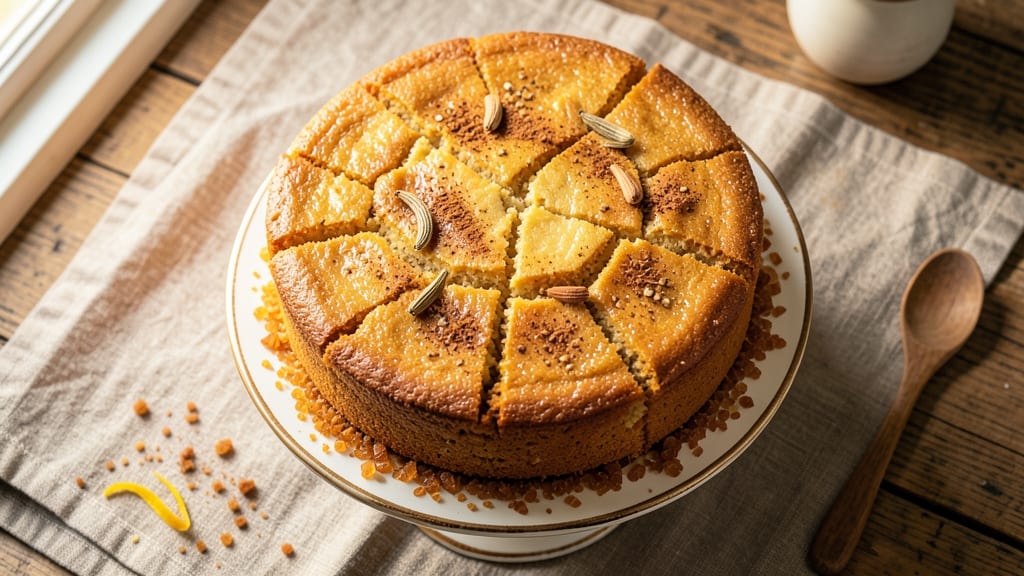
This eggless atta cake recipe delivers layers of spiced, moist perfection using whole wheat flour—no eggs required. The secret lies in a simple yet effective substitution that creates the same tender crumb without compromising texture.
I’ve perfected this recipe over years of baking, ensuring every slice stays soft and flavorful for days. The magic happens with a combination of yogurt and baking powder, which replaces eggs while maintaining structure and moisture.
You’ll need just 15 minutes of prep time, followed by 30-35 minutes in the oven at 350°F, making it ideal for busy days or last-minute gatherings. The warm spices—cardamom and cinnamon—infuse each bite with comforting warmth.
What you’ll end up with is a cake that’s richly spiced, lightly sweetened, and perfectly moist, thanks to the atta’s natural ability to absorb liquids. The layers stay tender, not dense, and the aroma of freshly baked cake will fill your kitchen in no time.
This recipe is a game-changer for those avoiding eggs but craving comfort. Perfectly paired with a cup of chai or a dusting of powdered sugar, this cake is versatile enough for breakfast, tea time, or dessert. Let’s bake this delicious, egg-free treat together!
Ingredients for atta cake recipe eggless
Fifteen simple ingredients transform into layers of spiced, eggless atta cake perfection.
| Ingredient | Amount | Notes |
|---|---|---|
| Whole Wheat Flour (Atta) 🌾 | 2 ½ cups | Sifted for even texture |
| Plain Yogurt 🥛 | 1 cup | Full-fat for richness |
| Granulated Sugar 🍚 | 1 cup | Light brown sugar for depth |
| Baking Powder 🧂 | 2 tsp | Freshly opened for lift |
| Cardamom Powder 🌿 | ½ tsp | Ground for aromatic punch |
| Cinnamon Powder 🌶️ | ½ tsp | Freshly ground preferred |
| Ghee 🧈 | ½ cup | Clarified butter for flavor |
| Milk 🥛 | ½ cup | Warm for better mixing |
| Vanilla Extract 🌸 | 1 tsp | Pure extract for aroma |
| Salt 🧂 | ¼ tsp | Fine sea salt preferred |
| Powdered Sugar 🍚 | ¼ cup | For dusting layers |
| Lemon Juice 🍋 | 1 tbsp | Freshly squeezed |
The atta is the heart of this recipe—Whole Wheat Flour (atta) from Rajma or local Indian grocery stores delivers the best texture. Look for fine-ground atta with a slightly coarse texture, not powdery. If you can't find atta, whole wheat flour with 100% bran works in a pinch, but the cake will be denser. The yogurt must be plain and full-fat—Greek yogurt or homemade works best, but store-bought plain yogurt is fine too. Cardamom and cinnamon should be freshly ground if possible; pre-ground spices lose their punch quickly. The ghee adds richness without eggs—Amul or local brand ghee is ideal, but any good-quality clarified butter will do.
No yogurt? Substitute with sour cream or buttermilk at the same quantity, but add an extra 0.5 tsp baking powder for lift. Running short on cardamom? Double the cinnamon for warmth, though the flavor won't be identical. The sugar can be swapped for coconut sugar or jaggery, but granulated gives the most reliable texture. For a tangier twist, add 1 tsp lemon zest along with the lemon juice. If your atta is extra coarse, sift it twice to avoid a gritty cake. And trust me on the ghee—butter won't melt evenly like clarified butter does.
This cake keeps beautifully—3-4 days wrapped at room temperature or 1 week refrigerated. For longer storage, slice and freeze layers between parchment paper for up to 3 months. Reheat slices in a 200°F oven for 5 minutes to restore moisture. The layers are delicate, so I recommend assembling the cake in two batches if you're making it ahead. Dust with powdered sugar right after baking—it melts into the warm layers for a professional finish.
Why You'll Love This Recipe
- Same batter, two vibes: serve it warm with honey for a hearty breakfast or dust with powdered sugar for a quick dessert. Honestly, I’ve even used it as a base for pancakes—no one judges.
- No-Yogurt Mess: I swear by this trick—just mix the yogurt into the atta last, or it’ll turn into glue. No straining, no waiting for it to thicken, just smooth batter every time. My lazy Sundays thank me.
- Cardamom Magic: That pinch of cardamom? It’s the secret weapon. Earthy, warm, and just sweet enough to make you forget it’s eggless. (Yes, even my tea-loving mom reaches for seconds.)
- Breakfast or Dessert: Same batter, two vibes: serve it warm with honey for a hearty breakfast or dust with powdered sugar for a quick dessert. Honestly, I’ve even used it as a base for pancakes—no one judges.
Step-by-step instructions for eggless atta cake
Here's how to create layers of moist, fragrant cake without a single egg in sight.
Prepare the Dry Ingredients
Begin by sifting the 2.5 cups whole wheat flour (atta) into a large mixing bowl. This step ensures an even texture and prevents lumps in your cake. Add the 2 teaspoons baking powder, 0.5 teaspoon cardamom powder, 0.5 teaspoon cinnamon powder, and 0.25 teaspoon salt to the flour. Whisk these dry ingredients together until fully combined and no flour pockets remain.
In a separate small bowl, mix the 1 cup granulated sugar with the 1 teaspoon vanilla extract. This pre-mixing ensures the vanilla flavor is evenly distributed throughout the batter. The sugar will also help dissolve the vanilla extract completely, preventing any clumps in your final mixture.
Combine Wet Ingredients
In a medium bowl, whisk together the 1 cup plain yogurt, 0.5 cup warm milk, and 1 tablespoon freshly squeezed lemon juice. The warmth of the milk helps the yogurt blend more smoothly, creating a uniform texture. Let this mixture sit for 5 minutes to allow the lemon juice to gently curdle the yogurt slightly—this improves the cake's structure without eggs.
Next, add the 0.5 cup ghee to the wet mixture and whisk until fully incorporated. The ghee adds richness and moisture that would typically come from butter or eggs. The mixture should be smooth but still slightly thick—this is perfect for creating tender layers in your cake.
Mix Batter and Test Consistency
Gradually pour the wet ingredients into the dry ingredients while mixing on low speed with an electric mixer. This slow incorporation prevents overmixing, which can make the cake dense. Once combined, add the sugar-vanilla mixture and mix for another 2 minutes until the batter is smooth and well-blended.
Here's the key test: The batter should be thick but pourable—like a slightly heavy pancake batter. If it's too thick, add 1 tablespoon warm milk at a time until it reaches the right consistency. Too thin? Add 1 tablespoon more whole wheat flour. The perfect batter will hold its shape when dropped from a spoon but still flow smoothly.
Layer and Bake for Moist Perfection
Preheat your oven to 350°F and grease two 6-inch round cake pans thoroughly with ghee. Line the bottoms with parchment paper for easy removal. Pour half of the batter into one pan and half into the other, spreading evenly. Dust the top of each layer with 1 tablespoon powdered sugar—this creates a beautiful contrast and adds sweetness to each bite.
Bake for 35-40 minutes or until a toothpick inserted in the center comes out clean. The cake should be golden on top with slightly domed edges. If the top browns too quickly, tent the pans with aluminum foil after 20 minutes to prevent over-browning while ensuring the center cooks through.
Cool and Serve with Confidence
Remove the cakes from the oven and let them cool in the pans for 10 minutes. Then transfer them to a wire rack to cool completely. This gradual cooling prevents cracking and allows the cake to set properly. Once fully cooled, you can frost with a simple powdered sugar glaze (mix 0.25 cup powdered sugar with 1 tablespoon milk) or serve plain to appreciate the natural flavors.
The result should be layers of moist, spiced cake with a tender crumb and subtle citrus notes from the lemon juice. Each slice will be rich from the ghee, fragrant from the cardamom and cinnamon, and perfectly balanced in sweetness. Store leftovers in an airtight container for up to 3 days—though they rarely last that long!
Pro Tips For Making Atta Cake Recipe Eggless
- STRAIN THAT YOGURT: After making this cake a dozen times, I learned the hard way—lumpy yogurt makes a dense, rubbery cake. Strain your yogurt through a muslin cloth or even a clean kitchen towel for 15 minutes before mixing. The thicker, smoother it is, the lighter your cake will be. (Yes, it feels like overkill, but trust me.)
- WEIGH YOUR ATTA: Stop eyeballing that flour. Whole wheat atta is deceptive—one cup can vary wildly by brand. Weigh it precisely (about 150g for a standard cake) to avoid dryness or stickiness. I used to skip this, and my cakes turned out either like hockey pucks or glue.
- DON’T OVERMIX THE BATTER: Mix just until the flour disappears—maybe 10-12 strokes with a spatula. Overmixing develops gluten, and your cake will turn tough instead of tender. I’ve ruined batches by turning the dough into a chewy disaster. Keep it loose and airy.
- BROWN THE SUGAR SLIGHTLY: Before adding the yogurt, gently warm the sugar in the pan for 1-2 minutes until it turns a pale golden color. This caramelizes it just enough to add depth without burning. My grandmother swore by this, and the flavor difference is noticeable—like the difference between a good cup of tea and a mediocre one.
Regional styles of these flavors
North Indian Style
In North India, this eggless atta cake often incorporates kesar (saffron) for a golden hue and luxurious aroma. Add ½ teaspoon saffron strands steeped in 1 tablespoon warm milk to the wet ingredients, then strain before mixing.
The result is a fragrant cake perfect for festive occasions like Diwali or Eid. Garnish with chopped pistachios before baking for a royal touch. 🌟
South Indian Twist
Southern variations lean into tempering for extra richness. After baking, drizzle the warm cake layers with a tadka of 2 tablespoons ghee, 1 cardamom pod, and ½ teaspoon black pepper—this adds depth without altering the sweetness.
Serve with filter coffee or masala chai for a beloved South Indian pairing. The pepper balances the cardamom beautifully. ✨
Punjabi Layered Cake
Punjabi households often make this cake in three thin layers instead of two, using 1-inch cake pans. Between layers, spread a thin khoya (mawa) filling—mix ½ cup khoya with 2 tablespoons powdered sugar and 1 teaspoon rose water for a creamy, floral center.
The layers stay moist longer, making it ideal for celebrations like birthdays. 💛
Gujarati Sweet Variation
Gujaratis elevate this cake with grated coconut and sesame seeds. Fold ½ cup desiccated coconut and 2 tablespoons sesame seeds into the batter before baking.
After cooling, brush the layers with 1 tablespoon melted ghee and dust with powdered sugar. The nutty crunch contrasts the soft cake perfectly. 🌾
Bengali Special Touch
For a Bengali-inspired version, replace ½ cup of the atta with rice flour to lighten the texture. Add 1 teaspoon grated nutmeg and ½ teaspoon fennel seeds to the dry mix.
The result is a lighter, aromatic cake that pairs wonderfully with masala tea or rosogolla. The nutmeg adds warmth without overpowering the spices. 🌶️
Nutrition facts
Frequently asked questions
Why does this eggless atta cake need yogurt?
Yogurt acts as the egg substitute here by providing moisture, structure, and acidity that helps with leavening. The acidity in yogurt reacts with baking powder to create lift, while its protein content mimics eggs' binding properties. Plus, it adds richness that makes the cake tender rather than dense.
Can I make this cake without ghee?
Yes, but the flavor will differ. Substitute with ½ cup melted butter or coconut oil, but use warm oil to mimic ghee's richness. For a dairy-free option, use ½ cup neutral oil like sunflower oil. The cake will still bake well, though the flavor won't be as authentic.
How do I prevent my cake from cracking?
Cracking usually happens from rapid cooling or overmixing. Let the cake cool in the pan for 10 minutes before transferring, and avoid opening the oven door too early. Also, don't overmix the batter—just combine until smooth. For extra insurance, brush the cooled layers with warm milk before assembling.
What's the best way to store leftovers?
Wrap the cake tightly in plastic wrap or store in an airtight container. It stays fresh for 3-4 days at room temperature or up to 1 week refrigerated. For longer storage, slice and freeze layers between parchment paper for up to 3 months. Reheat slices in a 200°F oven for 5 minutes to restore moisture.
Can I make this cake in a single layer?
Use a 9-inch round pan and bake for 30-35 minutes at 350°F. The baking time may vary slightly, so check with a toothpick. Single-layer cakes work well for quick servings or when you prefer a simpler presentation. The flavor remains the same—just the shape changes!