
Desserts
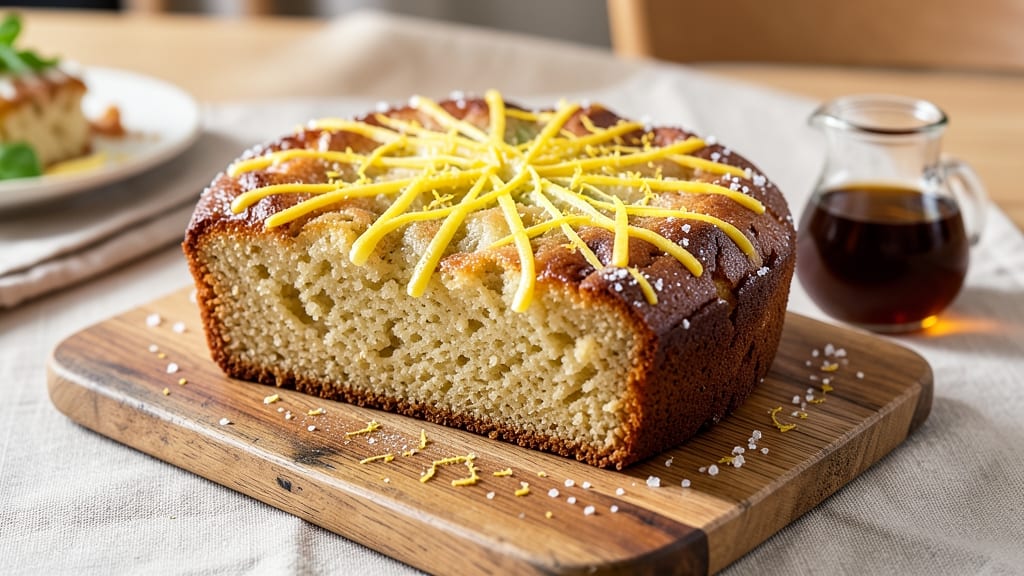
Aunt Sue's pound cake recipe has been passed down through generations, delivering layers of buttery vanilla perfection with a subtle citrus zing that keeps everyone asking for seconds. 🌟 The secret lies in the creaming method, where cold butter and sugar create a light, airy texture that's impossible to resist.
I've baked this recipe countless times, and it never fails to impress.
This classic pound cake uses a traditional formula with five pounds of butter, flour, and sugar—though modern variations allow for adjustments like vanilla bean or citrus zest for extra depth.
The cake bakes up with tender layers and a golden crust, making it ideal for celebrations or everyday indulgence. The citrus twist adds brightness that cuts through the richness beautifully.
What sets this recipe apart is its foolproof technique: precise measurements, proper creaming, and a gentle baking process that ensures even layers. The result is a cake that's moist yet not dense, with just the right balance of sweetness and tang.
Once you try Aunt Sue's version, you'll understand why it's a family favorite.
Serve it plain dusted with powdered sugar, or add a light glaze for extra shine. The cake keeps well for days, making it perfect for meal prep or gifting. Let's get baking!
Ingredients for aunt sue's pound cake
Twelve essential ingredients for Aunt Sue's legendary buttery vanilla citrus cake.
| Ingredient | Amount | Notes |
|---|---|---|
| Unsalted Butter 🧈 | 2 ½ cups | Cold, cut into cubes (1 lb total) |
| Granulated Sugar 🍚 | 3 ½ cups | Superfine preferred for smooth texture |
| All-Purpose Flour 🌾 | 3 ½ cups | Sifted, spooned lightly |
| Pure Vanilla Extract 🌸 | 2 tbsp | High-quality, not imitation |
| Lemon Zest 🍋 | 1 tbsp | From 1 large organic lemon |
| Large Eggs 🥚 | 6 whole | Room temperature |
| Baking Powder 🧂 | 1 ½ tsp | Aluminum-free preferred |
| Salt 🧂 | ½ tsp | Fine sea salt |
| Lemon Juice 🍋 | 2 tbsp | Freshly squeezed |
| Powdered Sugar 🍚 | 1 cup | For dusting (optional) |
| Heavy Cream 🥛 | ½ cup | For optional glaze |
| Orange Zest 🍊 | 1 tsp | From 1 organic orange |
The butter is non-negotiable here—European-style unsalted like Plugrá or Kerrygold makes all the difference. Grab a full pound (2 cups) and keep it cold until mixing. Your grocery store's generic brand works fine, but the flavor depth is where this cake shines. The sugar should be superfine if possible—it dissolves better, creating that signature tender crumb. For flour, King Arthur or Gold Medal are reliable choices. Measure carefully: spoon it into your cup and level it off—don't scoop directly from the bag. The citrus zest needs to be fresh (no dried substitutes)—organic lemons and oranges have the brightest flavor, and you'll want about 1 tablespoon total from both fruits. I always double-check my vanilla extract is pure—imitation smells like perfume and ruins the flavor.
No superfine sugar? Pulse regular granulated in a food processor for 30 seconds. Short on zest? Use 1/2 teaspoon more lemon juice to compensate. The baking powder must be fresh—if it's more than 6 months old, toss it. For the eggs, room temperature matters: cold eggs can cause lumps. The heavy cream for the glaze can be swapped for half-and-half if needed, though it won't be as rich. Prefer vanilla bean? Add 1/2 teaspoon scraped seeds from a split pod along with the extract. The powdered sugar for dusting is optional but traditional—Domino or C&H brands work perfectly. For a citrus boost without extra zest, add 1 teaspoon more lemon juice to the batter.
This cake keeps beautifully for 5-6 days at room temperature wrapped in plastic, or up to 1 week in the fridge. For longer storage, slice and freeze portions for up to 3 months—wrap each slice tightly in plastic wrap. The glaze sets quickly, so assemble your cake on a wire rack. I always bake two 9-inch rounds for a classic layer cake, but this recipe easily scales to a single 10-inch pan or three 8-inch pans. Leftovers? Toast slices and add whipped cream for a decadent dessert. The cake freezes beautifully too—just thaw at room temperature before serving.
Why You'll Love This Recipe
- No-Fuss Mixing: I swear by this recipe because it’s just butter, sugar, and flour—no eggs, no fuss. You cream, you fold, you bake. That’s it. Even if you’re not a baker, you’ll nail it.
- Bright & Buttery Magic: The lemon zest cuts through the richness of the butter and sugar, giving it this bright, citrusy lift. One slice feels like a little burst of sunshine—especially when it’s still warm.
- Weekend Brunch Star: Slice it thin for French toast, cube it for trifle, or serve it plain with tea. It’s my go-to for lazy mornings or when I need something impressive but effortless. (Yes, even on a Tuesday night.)
- Budget-Friendly Luxury: Uses pantry staples and stretches far—perfect for feeding a crowd or saving leftovers for days. The rich flavor makes it feel special, but the cost? Pure win.
Step-by-step instructions for Aunt Sue's pound cake
Aunt Sue's method delivers layers of buttery perfection with a secret citrus twist.
🍳 Step 1: Cream Butter and Sugar Until Light
In a stand mixer fitted with the paddle attachment, beat the 2.5 cups Unsalted Butter (cold, cut into cubes) and 3.5 cups Granulated Sugar on medium speed for 5-7 minutes. You're looking for a pale, fluffy mixture that nearly doubles in volume—the butter should be completely incorporated and the sugar dissolved. This creaming process is crucial; it incorporates air that creates the cake's signature tender crumb.
Here's the thing—I like to scrape down the sides of the bowl every 2 minutes to ensure even mixing. The mixture should feel cool to the touch and leave faint ribbons when the paddle is lifted. If it feels too warm, chill the bowl in the refrigerator for 5 minutes before proceeding. Warm butter can cause the cake to spread too much in the oven.
👨🍳 Step 2: Add Eggs and Citrus Zing
Add the 6 whole Large Eggs (room temperature) one at a time, mixing on low speed after each addition until fully incorporated. Then add the 2 tbsp Pure Vanilla Extract, 1 tbsp Lemon Zest, 1 tsp Orange Zest, 2 tbsp Lemon Juice, and mix for 30 seconds on low speed. The citrus zest and juice will infuse the batter with a subtle, bright aroma that's the secret to Aunt Sue's signature flavor.
I know it seems like a lot of citrus, but trust me—it mellows beautifully during baking. The zest adds texture while the juice keeps the cake moist. After adding the citrus, the batter should be smooth and slightly thick, like a thick cake batter. If it looks too thin, we'll adjust with the dry ingredients in the next step.
🍳 Step 3: Combine Dry Ingredients Gently
In a separate bowl, whisk together the 3.5 cups All-Purpose Flour (sifted), 1.5 tsp Baking Powder, and 0.5 tsp Salt. With the mixer on low speed, gradually add the dry ingredients to the wet mixture, mixing just until combined—you should still see some flour streaks. Overmixing develops gluten, which makes the cake tough. Stop mixing as soon as the flour disappears.
The reason we mix gently here is to preserve the air we incorporated in the creaming step. You'll know it's properly mixed when the batter is smooth and just slightly thicker than pancake batter. If it feels too thick, you can add 1-2 tablespoons of heavy cream to loosen it slightly. The batter should be thick enough to hold its shape when dropped from a spoon but still flow smoothly.
🥘 Step 4: Prepare and Bake the Layers
Preheat your oven to 350°F. Generously butter three 9-inch round cake pans and line the bottoms with parchment paper circles. Divide the batter evenly among the pans, filling each about ⅔ full. Tap the pans gently on the counter to release any air bubbles and smooth the tops with an offset spatula.
Bake for 25-30 minutes or until a toothpick inserted in the center comes out clean. The cake should spring back when pressed gently in the center. Here's a pro tip: I like to rotate the pans halfway through baking for even browning. The edges should be golden brown, but the tops might still look slightly underdone—that's okay, as they'll firm up as they cool.
⏰ Step 5: Cool and Assemble (Optional Glaze)
Remove the cakes from the oven and let them cool in the pans for 10 minutes, then transfer to a wire rack to cool completely. For the optional glaze, whisk together the 1 cup Powdered Sugar and 0.5 cup Heavy Cream until smooth. Drizzle between the layers and on top of the stacked cake.
To assemble, place one layer on a cake stand or plate. Spread a thin layer of lemon curd or jam (if using) and repeat with the remaining layers. The glaze adds a beautiful finish and keeps the cake moist. If you're not using a glaze, dust the cake with powdered sugar instead. Serve slices warm or at room temperature for the best texture and flavor.
Pro Tips For Making Aunt Sue'S Pound Cake
- Cream Butter & Sugar Slowly: I used to dump everything in the mixer and wonder why my cake turned out dense—turns out, pound cake needs patience. Beat the butter and sugar on medium for 3-4 minutes until it’s pale and fluffy, not just combined. That extra time lightens the texture before the flour even enters the picture.
- Sift the Flour Twice: This isn’t the prettiest method, but it’s the tastiest. Sift the flour before measuring, then sift it again right into the bowl. No lumps, no surprises—just a smooth batter that bakes evenly. (Yes, even if you’re impatient like me.)
- Don’t Overmix the Batter: After burning three batches with tough, chewy results, I finally learned: stop mixing the second the flour disappears. Overworking the batter develops gluten, and that’s the fast track to a dense, sad cake. Scrape the bowl once, fold in the zest, and call it done.
- Use Room-Temp Butter: Cold butter creates pockets of steam, which is great for flaky pastries—but not for pound cake. Let the butter sit out for 60-90 minutes until it’s soft but not melted. It blends smoother, distributes evenly, and guarantees a tender crumb. (No, the microwave doesn’t count—be patient.)
Wine and beer pairings for this recipe
White Wine Pairings
Aunt Sue’s pound cake’s buttery richness pairs beautifully with crisp, aromatic white wines. I always reach for a Chardonnay from the Sonoma Coast—its bright acidity and subtle citrus notes mirror the cake’s lemon zest.
The Meiomi Pinot Grigio from Italy is another winner, offering a clean finish that doesn’t overpower the vanilla. For something lighter, try a Sauvignon Blanc from New Zealand—its zesty grapefruit notes complement the citrus twist. 🍷
Sweet Sparkling Wines
If you prefer something bubbly, a Moscato d’Asti from Italy adds a festive touch while balancing the cake’s richness. The slight sweetness and delicate fruit flavors enhance the vanilla and citrus layers without competing.
For a more robust option, Prosecco with its almond and apple notes works beautifully—just chill it well to preserve its crispness. A splash of sparkling wine in the glaze also adds a fun twist!
Beer Pairings
For beer lovers, a Belgian Witbier like Hoegaarden is a fantastic match—the coriander and citrus notes echo the cake’s lemon and orange zest. The effervescence cuts through the buttery texture beautifully.
If you prefer something richer, a honey wheat ale from a craft brewery adds a caramel sweetness that pairs wonderfully with the vanilla. Avoid heavy stouts or IPAs, as their bitterness can clash with the cake’s delicate flavors. 🍺
Citrus-Infused Liqueurs
For a dessert-focused pairing, serve slices with a side of Grand Marnier or Cointreau—just a splash over the top adds a luxurious finish. The orange and lemon notes in these liqueurs amplify the cake’s citrus zing.
If you’re feeling adventurous, try a vanilla-infused bourbon on the side for a boozy twist. The warmth of the alcohol complements the cake’s buttery richness perfectly.
Non-Alcoholic Options
Don’t overlook non-alcoholic pairings! A sparkling apple cider like Martinelli’s adds a refreshing contrast to the cake’s richness. For something creamier, a vanilla chai latte with a splash of heavy cream mirrors the cake’s flavors without the alcohol.
Even a simple citrus-infused iced tea with lemon and orange slices enhances the dessert’s bright notes. 💛
Nutrition facts
Frequently asked questions
Why does this pound cake use so much butter?
The high butter content—2.5 cups total—creates that signature rich, moist texture that makes this cake legendary. The cold butter gets creamed with sugar to incorporate air, which gives the cake its tender crumb. Traditional pound cakes are named for their original formula of a pound each of butter, flour, sugar, and eggs, though this recipe uses slightly more butter for extra richness.
Can I make this cake in a single 10-inch pan instead of three 9-inch pans?
Yes! This recipe easily scales to a single 10-inch round pan—just reduce the baking time to 35-40 minutes (check for doneness with a toothpick). The cake will be thicker but still delicious. For even baking, tent the pan with foil after 25 minutes if the top browns too quickly. The texture will be slightly denser than layers, but perfect for a single-serving cake.
What's the secret to getting perfectly even layers?
Divide the batter evenly by weight (12-14 oz per 9-inch pan) and tap the pans firmly on the counter to release air bubbles before baking. Use an offset spatula to smooth the tops, and rotate the pans halfway through baking. The key is patience—don't overbake! The cake should spring back when pressed gently, even if the top still looks slightly underdone.
How do I store leftovers without drying them out?
Wrap the cake tightly in plastic wrap or store in an airtight container with a slice of bread to absorb moisture. It stays fresh at room temperature for 5 days or in the fridge for 1 week. For longer storage, freeze slices individually for up to 3 months. Thaw at room temperature before serving—never microwave, as it makes the cake gummy.
Can I substitute vanilla extract with vanilla bean?
Replace the 2 tbsp vanilla extract with 1 vanilla bean (split and scraped) plus 1 tbsp extract for extra depth. The seeds add beautiful flecks and a more complex vanilla flavor. For best results, infuse the scraped seeds in 1 tbsp warm cream for 10 minutes before adding to the batter to release more flavor.