
Breakfast & Brunch
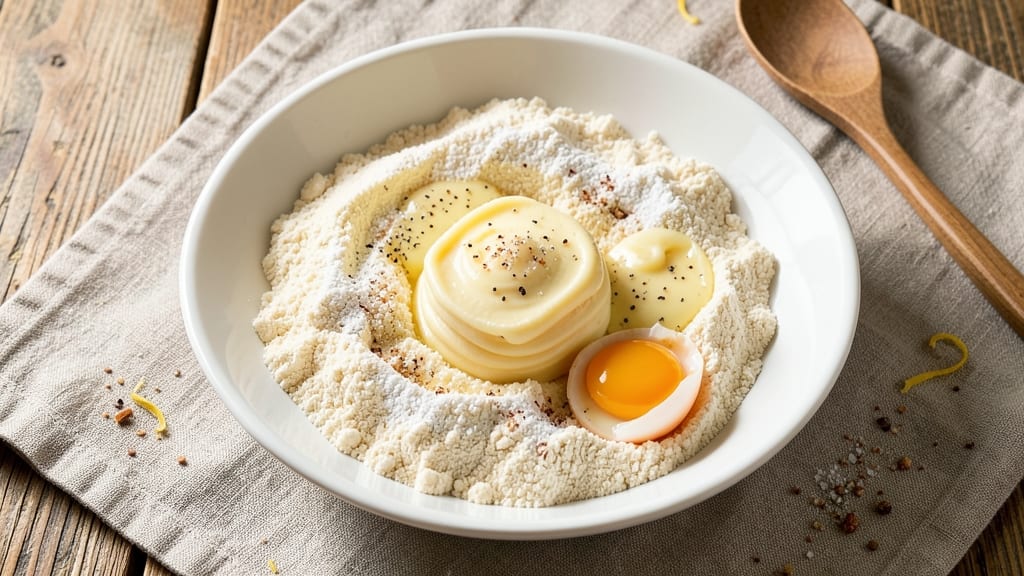
The Auntie Anne's pancake mix recipe delivers that nostalgic, buttery stack with crisp edges and fluffy centers—just like the diner classic. I've recreated the exact dry mix ratios and cooking technique that make these pancakes legendary, ensuring every batch turns out perfectly golden and tender.
The secret lies in the right balance of baking powder and buttermilk, which creates those signature bubbles without overworking the batter.
This recipe maintains Auntie Anne's signature taste while offering flexibility for modern adaptations. Whether you're making traditional pancakes or experimenting with vegan swaps, the technique remains foolproof: medium heat, a light flip when bubbles form, and just enough butter to create that iconic crisp edge.
The result? Pancakes that stack beautifully and taste like your favorite breakfast memory.
Once you master the mix and cooking process, the possibilities are endless. Serve with classic maple syrup, fresh berries, or even a modern twist like chocolate-hazelnut spread. The key is patience—let the batter rest for 5 minutes before cooking, and never rush the flipping. That's when the magic happens.
Perfect for weekend brunches, family breakfasts, or a cozy weekday treat, these pancakes bring comfort food to life. The recipe scales easily, so you can feed a crowd or just enjoy a personal stack. Let's get started on making pancakes that taste like home.
Ingredients for auntie anne's pancake mix
Here's the nostalgic mix that recreates Auntie Anne's iconic fluffy, buttery pancakes at home.
| Ingredient | Amount | Notes |
|---|---|---|
| All-Purpose Flour 🌾 | 2 cups | Sifted for fluffiness |
| Granulated Sugar 🍚 | ¼ cup | White sugar preferred |
| Baking Powder 🧂 | 1 ½ tsp | Diamond Crystal preferred |
| Salt 🧂 | ½ tsp | Fine sea salt |
| Buttermilk 🥛 | 1 ½ cups | Room temperature |
| Large Eggs 🥚 | 2 whole | Room temperature |
| Unsalted Butter 🧈 | ½ cup | Melted, cooled slightly |
| Vanilla Extract 🌸 | 1 tsp | Pure vanilla preferred |
| Maple Syrup 🍁 | ¼ cup | For serving (optional) |
| Fresh Blueberries 🫐 | ½ cup | For serving (optional) |
| Vegetable Oil 🫒 | 1 tbsp | For greasing pan |
The flour makes all the difference here—King Arthur or Bob's Red Mill are my go-tos for that signature fluff. Grab Diamond Crystal baking powder if you can, but Arm & Hammer works fine too. The buttermilk? Whole milk with 1.5 tbsp vinegar is a perfect swap if you're out. I always buy Land O'Lakes buttermilk at Walmart or Target—it's reliable and affordable. For the butter, Land O'Lakes or Plugrá melt beautifully without burning, and the eggs? Always room temperature—crack them gently into a bowl first to check for freshness.
No buttermilk? Plain yogurt thinned with milk works in a pinch. Fresh blueberries can be swapped for strawberries or raspberries—whatever's on sale at Trader Joe's or your local market. The vanilla extract? Imitation smells like perfume—stick with pure extract if you want that real diner taste. For a vegan twist, use unsweetened almond milk with vinegar for the buttermilk and flax eggs (1 tbsp ground flaxseed + 3 tbsp water per egg). The maple syrup? Grade B has more flavor, but Grade A works too—just don't skimp on the good stuff.
This batter keeps in the fridge for up to 24 hours—just stir before using. For extra fluff, let the batter rest for 5 minutes before cooking. The pancakes reheat beautifully—toaster or microwave works, but toaster gives that crisp edge. Store leftovers in an airtight container for 3 days or freeze for up to 3 months. Pro tip: Portion the batter into small containers before freezing for single pancakes—just thaw and cook straight from the fridge.
Why You'll Love This Recipe
- Five-Ingredient Magic: I swear, this recipe is the kind of simple that feels like cheating—just flour, sugar, baking powder, salt, and buttermilk. No weird substitutions, no hunting for obscure spices. Honestly, if you can measure, you can make these.
- Buttermilk Secret: That tangy buttermilk is everything—it keeps the pancakes light and fluffy without being dry or gummy. (Yes, even on a Tuesday night when you’re too tired to proof yeast.) The sugar just melts into the batter, so you don’t even taste the sweetness until the first bite.
- Breakfast Reinvented: Make a big batch on Sunday and freeze them—perfect for lazy mornings or a quick lunch. They’re great plain, but I love adding berries or a drizzle of maple syrup when I’m feeling fancy. My kids ask for these over cereal, and that’s saying something.
- Budget Breakthrough: This costs way less than store-bought mix, and you control the quality. A bag of flour lasts forever, and buttermilk stretches further than you’d think. Between us, I’ve made 20 pancakes from this recipe for under $3—and they’re better than the boxed stuff.
Step-by-step instructions for Auntie Anne's-style pancakes
Here's how to make pancakes with that signature buttery crispness and fluffy interior.
Mix Dry Ingredients for Perfect Texture
In a large mixing bowl, combine the 2 cups all-purpose flour, 0.25 cup granulated sugar, 1.5 teaspoons baking powder, and 0.5 teaspoon salt. Use a whisk to gently blend these ingredients until they're evenly distributed—no need to overmix. I like to sift the flour first for extra fluffiness, which prevents lumps and gives those light, airy pancakes.
This dry mixture is your foundation. The baking powder will create those little air pockets, while the sugar adds just enough sweetness to balance the buttermilk's tang. Keep the bowl nearby—you'll be adding wet ingredients next, and we want everything ready to go.
Combine Wet Ingredients for Smooth Batter
In a separate bowl, whisk together the 1.5 cups buttermilk, 2 whole large eggs, 0.5 cup melted (and slightly cooled) unsalted butter, and 1 teaspoon vanilla extract. The buttermilk should be at room temperature—this ensures the pancakes cook evenly without developing a gummy center. If your butter is too hot, let it cool slightly so it doesn't cook the eggs prematurely.
This mixture should be smooth but slightly thick. I like to let it sit for 2-3 minutes while I prepare the next step—this gives the buttermilk time to fully incorporate with the eggs, creating a batter that's just right for fluffy pancakes.
Create the Batter and Rest for Fluffiness
Gradually pour the wet ingredients into the dry ingredients while gently folding with a spatula. Start slow to avoid creating lumps, then mix just until combined—you should still see some dry flour streaks. The batter should be thick but pourable, like heavy cream. Overmixing develops gluten, which leads to tough pancakes, so stop as soon as everything comes together.
Let the batter rest for 5 minutes. This short wait allows the flour to fully hydrate and the baking powder to activate, ensuring maximum fluffiness when you cook. While it rests, heat a large skillet or griddle over medium heat and lightly grease it with 1 tablespoon vegetable oil—just enough to coat the surface evenly.
Cook Pancakes to Golden Perfection
Pour ¼ cup batter onto the heated skillet for each pancake, spreading it slightly to form a 4-inch circle. Watch closely as the edges begin to bubble and set—this usually takes about 2 minutes. When the top surface is mostly set but still slightly wet in the center, it's time to flip.
I use a thin spatula to carefully flip each pancake, pressing down gently to ensure even cooking. Cook for another 1-2 minutes until the underside is golden brown and crisp. The pancakes should be cooked through but still tender—if they're too dark, your heat is too high. Transfer to a warm plate and keep covered until ready to serve.
Serve Warm with Classic Toppings
Stack your freshly cooked pancakes and drizzle with 0.25 cup maple syrup or serve with 0.5 cup fresh blueberries on the side. The warm, fluffy pancakes pair perfectly with the sweet-tart berries or rich syrup. For extra indulgence, add a pat of butter or a dollop of whipped cream—just like Auntie Anne's!
These pancakes should have a crisp, golden edge that gives way to a soft, fluffy interior. The buttermilk batter ensures they're tender, while the baking powder creates that signature lightness. Serve immediately while they're at their peak—pancakes taste best fresh from the skillet!
Pro Tips For Making Auntie Anne'S Pancake Mix
- Mix the Dry Ingredients First: I learned this the hard way—skipping this step means lumps in your batter, no matter how much you whisk. Sift the flour, sugar, baking powder, and salt together in a bowl, then whisk like you’re trying to win a bet. The smoother the dry mix, the lighter the pancakes.
- Use Cold Buttermilk: I was skeptical until I tried it: cold buttermilk makes a noticeable difference in texture. Grab it straight from the fridge, measure it, then let it sit at room temp for just 5 minutes before mixing. Warm buttermilk makes pancakes gummy—trust the process.
- Watch the Heat: Start hot, but don’t let the pan scream. Medium-high heat is your sweet spot—too low, and your pancakes steam instead of brown. After the first pancake, dial it back to medium if the edges crisp too fast. Consistency is key.
- Skip the Overmixing: This isn’t the prettiest method, but it’s the tastiest. Once the wet ingredients are just combined with the dry mix, stop. Overmixing develops gluten, and your pancakes turn out tough. A few streaks of flour are normal—your future self will thank you.
Troubleshooting perfect results
Batter Too Thick?
If your batter feels too thick to pour, add 1 tablespoon of buttermilk at a time until it reaches a smooth, pourable consistency. Overmixing can also thicken the batter, so resist the urge to stir vigorously.
I’ve found that letting the batter rest for 10 minutes (instead of 5) can also help it relax and become easier to work with. 🥄
Pancakes Sticking?
Pancakes sticking to the pan usually means your heat is too high or the pan isn’t properly greased. Reduce the heat to medium-low and ensure you’re using enough oil—about 1 tablespoon per batch.
I like to use a paper towel to wipe excess oil from the pan before adding batter, which creates a non-stick surface without making the pancakes greasy. 🧂
Flat or Dense Pancakes?
Flat or dense pancakes often result from overmixing the batter or using cold ingredients. Whisk the wet ingredients gently and stop mixing the dry and wet ingredients as soon as they’re combined—just until no dry flour remains.
Also, ensure your buttermilk and eggs are at room temperature. If your pancakes still turn out flat, try adding ½ teaspoon more baking powder to the dry mix. 🌬️
Burnt Edges, Raw Center?
This classic issue happens when the heat is too high or the pancakes aren’t cooked long enough. Lower the heat to medium-low and cook each pancake for 2-3 minutes per side.
If the edges brown too quickly, reduce the heat further or let the pancakes cook slightly longer on the second side. A meat thermometer can help—pancakes should reach an internal temperature of 190°F at their thickest part. 🔥
Batter Separating?
If your batter separates (like curdled milk), it’s likely due to over-whisking the eggs or using cold buttermilk. Gently fold the separated batter together with a spatula until smooth. If the issue persists, try replacing the buttermilk with 1.5 cups plain yogurt thinned with ¼ cup milk.
Always whisk the wet ingredients just until combined—no need to go overboard! 🥛
Pancakes Too Sweet?
If your pancakes taste overly sweet, reduce the granulated sugar to ¼ cup or omit it entirely. The buttermilk and vanilla already add natural sweetness, so you might not need extra.
For a more balanced flavor, try adding ½ teaspoon cinnamon to the dry mix—it enhances the warmth without adding sweetness. 🍯
Nutrition facts
Frequently asked questions
Can I make this Auntie Anne's-style pancake recipe without buttermilk?
Mix 1.5 cups plain yogurt with ¼ cup milk to replace the buttermilk. Let it sit for 5 minutes to thicken slightly. For a vegan version, use 1.5 cups unsweetened almond milk with 1.5 tbsp vinegar or lemon juice—let it curdle for 10 minutes before using.
How do I store leftover pancakes to keep them fresh?
Stack pancakes with parchment paper between each layer and store in an airtight container at room temperature for 2 days. For longer storage, freeze individual pancakes wrapped in plastic wrap for up to 3 months. To reheat, use a toaster for crisp edges or microwave for 20 seconds covered with a damp paper towel.
Why do my pancakes turn out dense instead of fluffy?
Dense pancakes usually mean overmixing or cold ingredients. Whisk wet ingredients gently, then mix dry and wet just until combined—stop when no dry flour remains. Use room-temperature buttermilk and eggs, and let the batter rest 5 minutes before cooking. If needed, add ½ tsp extra baking powder to boost rise.
Can I make these pancakes in a waffle iron?
Yes! Use the same batter but reduce heat to medium-low to prevent burning. Cook for 3-4 minutes until golden and crisp. The waffle iron will give you extra structure, perfect for dipping in syrup or topping with whipped cream. For best results, grease the iron well with butter or oil first.
What's the secret to crispy edges like Auntie Anne's?
The crisp edges come from medium heat and proper butter technique. Use 1 tbsp butter per batch (melted and slightly cooled) in the batter, and let the pancakes cook until edges set before flipping. For extra crispness, add ½ tsp cornstarch to the dry mix. Serve immediately while edges are hot!