
Desserts
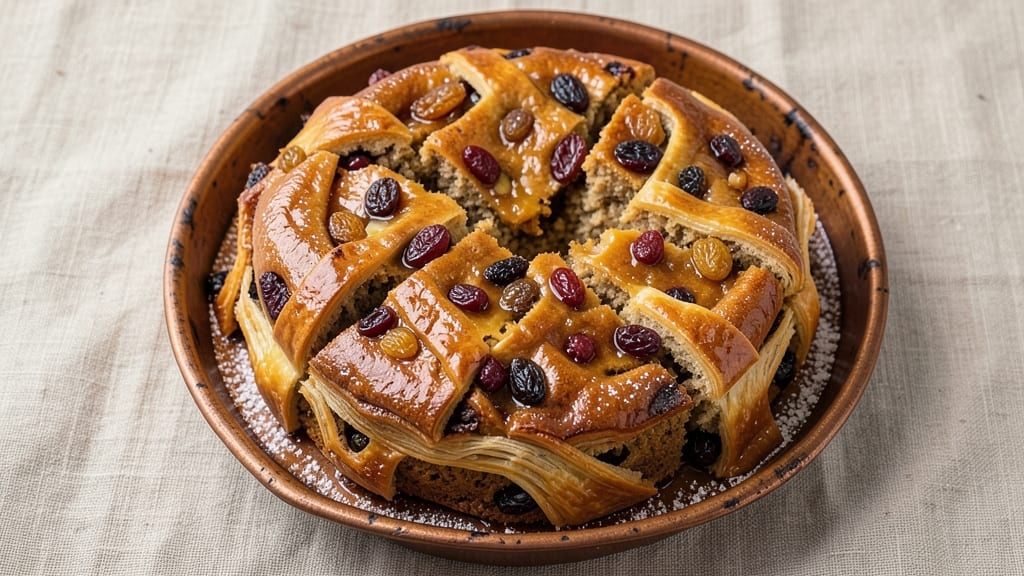
This Australian fruit cake recipe delivers the signature moistness and bold flavors that make it a centerpiece at celebrations. The secret lies in soaking dried fruits overnight in a boozy mixture—rum or brandy infuses every bite with warm, spiced depth—while a slow bake at low temperature ensures a tender crumb.
What sets it apart is the citrus zest and toasted nuts that add layers of texture and brightness, balancing the richness of dark chocolate and dried fruit.
The recipe begins with a simple yet transformative step: combining dried fruits with alcohol and citrus juice, letting them plump and absorb flavors overnight. This preparation transforms tough dried fruit into tender, juicy pieces that keep the cake deliciously moist for weeks.
The batter itself is straightforward—flour, sugar, eggs, and butter come together with the infused fruits, creating a dense yet tender base that bakes to golden perfection.
Baking at a low temperature for hours develops deep, caramelized flavors while keeping the cake's texture rich and fudgy. The result is a slice that's impossibly moist, with pockets of citrusy fruit and spiced nuts in every bite.
This cake improves with age, making it ideal for gifting or storing—its flavors intensify beautifully over time.
Optional glazes or icing can add extra shine, but the cake's natural richness often stands alone. Perfect for birthdays, holidays, or special occasions, this recipe captures the heart of Australian baking tradition—comforting, indulgent, and deeply satisfying.
Ingredients for australian fruit cake
Fifteen ingredients blend tradition with bold flavors for this iconic Australian fruit cake.
| Ingredient | Amount | Notes |
|---|---|---|
| Dark Brown Sugar 🍚 | 2 cups | Packed firmly for accurate measurement |
| All-Purpose Flour 🌾 | 3 cups | Sifted for light texture |
| Unsalted Butter 🧈 | 1 cup | Cold and cubed for even distribution |
| Large Eggs 🥚 | 4 whole | Room temperature for smooth batter |
| Mixed Dried Fruits 🍇 | 3 cups | Raisins, sultanas, currants, chopped dates |
| Dark Rum 🍹 | 1 cup | 100-proof for strong flavor infusion |
| Orange Juice 🍊 | ½ cup | Freshly squeezed for bright acidity |
| Orange Zest 🍊 | 1 tbsp | Finely grated from organic oranges |
| Toasted Almonds 🌰 | 1 cup | Chopped, lightly toasted for crunch |
| Toasted Walnuts 🌰 | ½ cup | Chopped, lightly toasted for depth |
| Ground Cinnamon 🌿 | 2 tsp | Freshly ground for aromatic warmth |
| Ground Ginger 🌶️ | 1 ½ tsp | Freshly ground for spiced complexity |
| Ground Cloves 🌶️ | ½ tsp | Freshly ground for subtle warmth |
| Salt 🧂 | ½ tsp | Fine sea salt for balanced flavor |
| Dark Chocolate Chunks 🍫 | 8 oz | 70% cocoa or higher for rich depth |
The dried fruits require overnight soaking in rum and orange juice to transform them into tender, flavorful pieces. Penzeys or specialty spice shops offer the highest quality spices—ground cinnamon, ginger, and cloves should be freshly ground for maximum aromatic impact. For the nuts, Trader Joe's or bulk bins at natural markets provide the best value. Toasting the nuts yourself enhances their flavor, but pre-toasted nuts work in a pinch. The dark chocolate chunks should be at least 70% cocoa for that rich, bittersweet depth that balances the sweetness of the cake.
No dark rum? Brandy or bourbon works equally well, though the flavor profile will differ slightly. Substituting dried fruit? Chopped apricots or figs add unique textures, but traditional mixed fruits maintain authenticity. For a nut-free option, omit the almonds and walnuts—though they add wonderful crunch and richness. The orange zest can be substituted with lemon zest if oranges are unavailable, though the flavor will be slightly sharper. If you prefer a less spiced cake, reduce the ground spices by half, but the traditional Australian version relies on these warm, aromatic notes.
This cake improves with age, so bake it at least a week ahead if possible. Store it in an airtight container at room temperature, wrapped in plastic wrap for up to 3 months. For longer storage, freeze it for 6 months. The cake's moisture comes from the soaked fruits and butter, so it stays tender even when stored for extended periods. Slice it thinly—this dense cake is rich and satisfying in small portions.
Why You'll Love This Recipe
- No Fuss Mixing: I swear by the "dump-and-stir" method—just toss the butter, sugar, and eggs in the bowl first, then fold in the flour and soaked dried fruits. No creaming, no sifting, no stress. The cake still turns out moist and rich, even when I forget to measure the fruit exactly.
- Caramelized Depth: That dark brown sugar? It’s the secret weapon—it caramelizes while baking, giving every bite a buttery, molasses-like richness. The dried fruits (especially the raisins and sultanas) plump up and melt into the crumb, creating pockets of jammy sweetness that make you reach for another slice.
- Make-Ahead Magic: Honestly, I bake this once a year and it lasts months. The alcohol in the fruit (if you soak it in brandy or rum) actually preserves it, so it tastes better over time. Wrap it tightly, and it’s ready for Christmas morning, birthday surprises, or whenever you need a dessert that feels special without the last-minute panic.
- Pantry Staple Power: Between us, this cake costs me less than $10 to make and uses ingredients I already have—no specialty items, no fancy substitutions. The butter and eggs keep it tender, the flour keeps it sturdy, and the dried fruit adds texture without breaking the bank. It’s the kind of recipe that makes me feel clever for being thrifty.
Step-by-step instructions for Australian fruit cake
The secret to a perfect Australian fruit cake lies in the technique—moisture retention and even baking. Here's how to achieve that signature boozy richness with citrus brightness.
Prepare the Mixed Dried Fruits
In a large mixing bowl, combine the 3 cups Mixed Dried Fruits with the 1 cup Dark Rum and 0.5 cup Orange Juice. Let the mixture sit for at least 30 minutes—this allows the fruits to plump and absorb the liquid fully. I find this step crucial for preventing a dry cake; the rum and citrus infuse the fruits with flavor while keeping them moist during baking.
After soaking, drain the excess liquid through a fine-mesh strainer, pressing gently on the fruits to remove as much liquid as possible. Reserve the orange zest for later—this bright citrus note is what makes Australian fruit cakes truly special. The soaked fruits should feel supple and slightly sticky to the touch, indicating they're ready to incorporate into the batter.
Cream Butter and Sugar for Structure
In a stand mixer fitted with the paddle attachment, beat the 1 cup Unsalted Butter (cold and cubed) with the 2 cups Dark Brown Sugar on medium speed for 3-4 minutes. The mixture should lighten in color and become fluffy—this creaming process incorporates air, which creates a tender crumb. I always use cold butter here; it prevents the butter from melting too quickly and losing its structure.
Gradually add the 4 whole Large Eggs (room temperature), one at a time, mixing just until each is fully incorporated. Scrape down the sides of the bowl as needed to ensure even distribution. The batter should be smooth and slightly thick, with no visible streaks of egg white. This step ensures a fine, even texture in the finished cake—no one wants a cake with large air pockets or uneven crumb.
Combine Dry Ingredients and Fold in Fruits
In a separate bowl, whisk together the 3 cups All-Purpose Flour, 2 tsp Ground Cinnamon, 1.5 tsp Ground Ginger, 0.5 tsp Ground Cloves, and 0.5 tsp Salt. Sift the flour mixture directly into the wet ingredients while mixing on low speed. This prevents gluten development, which keeps the cake tender rather than dense. Mix just until the flour is almost fully incorporated—you should still see a few streaks of flour.
With the mixer on low speed, gently fold in the drained mixed dried fruits, 1 cup Toasted Almonds, 0.5 cup Toasted Walnuts, and the reserved 1 tbsp Orange Zest. Be careful not to overmix; the goal is to distribute the fruits and nuts evenly without breaking down the cake's structure. The batter will be thick and sticky, almost like a dense cookie dough. This is normal—Australian fruit cake batter is hearty, and the moisture comes from the soaked fruits and rum.
Layer and Bake for Even Cooking
Preheat your oven to 325°F—this lower temperature ensures even baking without burning the exterior before the center sets. Grease two 9-inch round cake pans and line the bottoms with parchment paper. Divide the batter evenly between the pans, pressing down gently to remove any air bubbles. The batter should fill each pan to about ¾ inch—this ensures the cake bakes evenly without doming excessively.
Bake for 50-60 minutes, or until a toothpick inserted into the center comes out with a few moist crumbs but no wet batter. The cake should spring back slightly when pressed gently in the center. I always check the cake at the 45-minute mark—ovens vary, and you don't want to overbake, which can dry out the cake. The edges should be golden brown, but the top might still look slightly underdone; that's okay.
Add Chocolate and Rest for Maximum Moisture
Remove the cakes from the oven and let them cool in the pans for 10 minutes. While they're still warm, create small wells in the center of each cake layer using a spoon. Pour 4 oz Dark Chocolate Chunks (melted and slightly cooled) into each well, allowing the chocolate to seep into the cake. This step adds a luxurious depth of flavor and ensures every bite has that rich, velvety chocolate note.
Once the cakes have cooled completely, wrap them tightly in plastic wrap and place them in an airtight container. Refrigerate for at least 24 hours before serving. This resting period allows the flavors to meld and the cake to absorb all the moisture from the soaked fruits and rum. The result? A cake that's moist, rich, and packed with layers of spiced, citrusy, and nutty flavor—just like an authentic Australian fruit cake.
Pro Tips For Making Australian Fruit Cake
- Soak the Fruits Overnight: I learned this the hard way—dried fruit straight from the jar is like eating raisins in a brick. Toss your mixed dried fruits in boiling water or brandy (or even just hot tea) for at least 8 hours before baking. The fruit plumps up, softens, and releases flavor into the cake instead of sitting like chewy rocks. (Yes, even if you’re impatient like me, skip the rush.)
- Cream Butter and Sugar Low: Australian fruit cake isn’t a fluffy sponge—it’s dense and rich. Beat your unsalted butter and dark brown sugar on medium-low until just combined, not pale and fluffy. High speed = air, and air = a cake that collapses when you add all that fruit. Think "smooth and thick," like peanut butter, not "whipped cream."
- Don’t Overmix the Batter: Once you fold in the flour, stop as soon as it’s just incorporated. I used to beat it like I was trying to win a mixing contest, and the result? A tough, dry cake. The butter and sugar already did the work—now you’re just developing gluten. Two turns of a spatula is all you need.
- Bake Slow and Cover Early: The oven’s hot side will dry out the top before the center sets. After 30 minutes, tent the cake with foil—no peeking!—and reduce the heat by 25°C if it’s browning too fast. Australian fruit cake needs time to rise and hydrate; rushing it guarantees a cracked, dense mess. (Your future self will thank you for the patience.)
Storing and reheating your australian fruit cake
Room Temperature Storage
Australian fruit cake thrives at room temperature, where its moisture stays intact for up to 3 months when properly wrapped. I store mine in an airtight container lined with parchment paper, then seal it with plastic wrap to lock in freshness.
The spices and rum keep the cake flavorful, but exposure to air can dry it out—so always double-wrap. 💫
Refrigerator Refresh
If you prefer cooler storage, refrigerate the cake in an airtight container for up to 2 months. Before serving, let it sit at room temperature for 30-60 minutes to soften the texture—cold temperatures can make it slightly denser.
I find this works well for small batches or when gifting slices to guests who don’t have a warm kitchen.
Freezing for Long-Term
For maximum shelf life, freeze the cake in slices wrapped tightly in plastic wrap, then placed in a freezer bag. This prevents freezer burn and makes it easy to thaw just one serving.
Frozen slices keep for 6 months—simply thaw at room temperature for 1-2 hours before enjoying. The texture remains moist, though slightly denser after freezing.
Reheating Slices
For a warm, gooey slice, reheat in the oven at 300°F for 5-8 minutes—just until the edges soften. Microwave reheating works too: 10-15 seconds on medium power, then let it rest for 30 seconds to redistribute moisture.
Avoid over-reheating, or the cake may dry out. A sprinkle of orange zest on reheated slices brings back that bright citrus kick! 🍊
Reviving Dried-Out Cake
If your cake loses moisture over time, revive it by brushing slices with 2 tbsp warm orange juice or rum before serving. The liquid soaks in quickly, restoring that signature moistness.
For extra richness, drizzle with melted dark chocolate—it’s like giving the cake a second youth! This trick works wonders for older slices.
Gifting Tips
When gifting, wrap individual slices in parchment paper, then place them in a cellophane bag tied with ribbon. Add a small jar of rum or orange syrup on the side for dipping—it’s a thoughtful touch that enhances the experience.
The cake’s long shelf life makes it perfect for holidays, birthdays, or just because! 🎁
Nutrition facts
Frequently asked questions
Why does Australian fruit cake need to soak the dried fruit overnight?
The overnight soak in alcohol and citrus juice transforms tough dried fruits into tender, juicy pieces that keep the cake moist for weeks. Without soaking, the fruits would remain chewy and the cake could dry out during baking. This step is what gives Australian fruit cake its signature rich, fudgy texture.
Can I substitute rum with another alcohol?
Yes! Brandy or bourbon work equally well, though the flavor profile will differ slightly. For a non-alcoholic version, use extra orange juice or apple juice—but the cake won't keep as long without alcohol's preservative qualities.
How do I prevent the cake from drying out?
Store it in an airtight container at room temperature, wrapped tightly in plastic wrap. The rum and soaked fruits provide natural moisture, but exposure to air will dry it out. For longer storage, freeze slices individually to maintain freshness.
Why does the recipe call for such a low baking temperature?
The 325°F oven temperature ensures even baking without burning the exterior before the center sets. This slow bake develops deep, caramelized flavors while keeping the cake's texture rich and moist—not dry or crumbly.
What's the best way to serve this cake?
Slice it thinly—this dense cake is rich and satisfying in small portions. For extra indulgence, drizzle with melted dark chocolate or serve with whipped cream. The flavors improve with age, so it's perfect for special occasions!