
Desserts
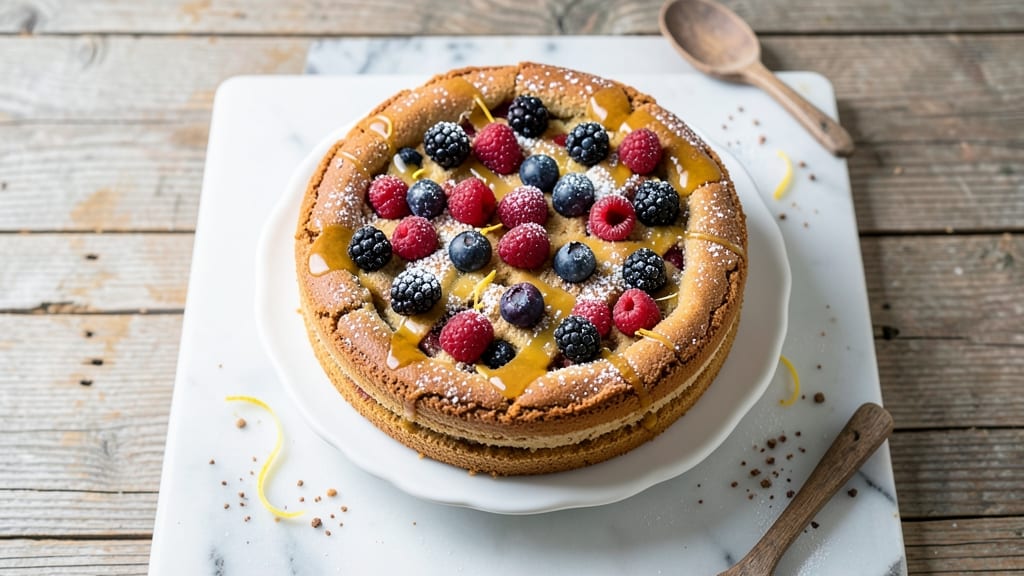
This almond flour fruit cake recipe delivers a moist, nutty crumb that stays tender for days—no dry crumb in sight. The secret lies in combining almond flour’s richness with a simple syrup technique that keeps every slice perfectly balanced between sweet and subtly earthy.
I developed this recipe after years of struggling with dense, crumbly almond flour cakes, and this version finally cracked the code.
The beauty of this recipe is its versatility—you can fold in fresh berries, citrus zest, or dried fruit like cherries and apricots for natural sweetness and texture. The batter comes together in just 15 minutes, and the cake bakes to golden perfection in under an hour.
For extra moisture, I recommend brushing the warm cake with a light syrup made from equal parts sugar and water.
What sets this apart is the texture—no gummy or dense surprises here. The almond flour creates a naturally tender crumb, while the fruit adds pockets of juiciness.
Serve it warm with a dusting of powdered sugar for a bakery-style finish, or enjoy it at room temperature with a cup of Earl Grey tea. The nutty sweetness pairs beautifully with both black and green tea varieties.
For dietary flexibility, swap the eggs for aquafaba or use coconut oil instead of butter to make it vegan-friendly without sacrificing moisture. The cake keeps well for up to 5 days in an airtight container, making it perfect for gifting or meal prep. Let’s get baking!
Ingredients for almond flour fruit cake
Almond flour’s richness meets fruit’s juicy brightness in this tender, nutty cake. Simple ingredients, extraordinary texture.
| Ingredient | Amount | Notes |
|---|---|---|
| Almond Flour 🌰 | 3 cups | Finely ground, unsweetened |
| All-Purpose Flour 🌾 | ½ cup | For structural balance |
| Granulated Sugar 🍚 | 1 ½ cups | White or light brown |
| Unsalted Butter 🧈 | 1 cup | Room temperature, full-fat |
| Large Eggs 🥚 | 2 whole | Room temperature for even mixing |
| Vanilla Extract 🌿 | 1 tbsp | Pure, high-quality |
| Baking Powder 🍞 | 1 tsp | Aluminum-free preferred |
| Salt 🧂 | ½ tsp | Fine sea salt |
| Fresh Mixed Berries 🍓 | 2 cups | Blueberries, raspberries, or blackberries |
| Lemon Zest 🍋 | 1 tbsp | From 1 medium lemon |
| Powdered Sugar 🍚 | ¼ cup | For dusting, optional |
| Simple Syrup 💧 | ¼ cup | Equal parts sugar and water |
The almond flour is the star here—Bob’s Red Mill or Anthony’s Goods are my go-tos for consistent texture. Look for finely ground, unsweetened varieties to avoid gritty surprises. Room-temperature butter is non-negotiable; cold lumps create uneven mixing. The berries can be fresh or frozen (thawed), but avoid pre-mixed fruit cups—they’re often too watery. For extra moisture, I always add the simple syrup after baking, letting it soak into the warm cake for 10 minutes before serving.
No fresh berries? Dried cherries or apricots work beautifully—just soak them in warm water for 15 minutes first. Swapping eggs? Aquafaba (3 tbsp per egg) or flax eggs (1 tbsp ground flax + 3 tbsp water per egg) keep the texture tender. The lemon zest can be omitted if you prefer a neutral flavor, but it brightens the nutty base. For a vegan version, replace butter with coconut oil and use aquafaba for eggs—just be aware coconut oil adds a subtle coconut aroma.
This cake stays moist for 5 days in an airtight container at room temperature, making it perfect for gifting. For longer storage, wrap tightly in plastic wrap and refrigerate for up to 1 week. The syrup keeps for 2 weeks in the fridge, so make extra for other desserts. Slice with a serrated knife for clean cuts, and dust with powdered sugar just before serving for that bakery-style finish.
Why You'll Love This Recipe
- No Fussy Mixing: This cake comes together with just a handful of steps—no stand mixer, no over-whisking, just folding almond flour and butter until it’s almost crumbly. The eggs and sugar blend in like magic, and honestly? My hands are cleaner than they’ve been in months.
- Rich Without Overpowering: The almond flour gives it that subtle nuttiness, but the butter and sugar keep it from tasting like a health food store experiment. It’s moist, tender, and—here’s the kicker—doesn’t scream “fruitcake” until you add the dried fruit. (Pro tip: Soak the fruit in rum or orange juice first. Chef’s kiss.)
- Weeknight or Holiday Ready: Bake it for breakfast with a dusting of powdered sugar, or let it sit overnight for a dessert that feels special. Between us, I’ve taken slices to potlucks, packed them for lunch, and even fed it to my skeptical in-laws. (They asked for seconds.)
- Leftovers That Don’t Quit: This cake stays fresh for days—no sad, dry crumbs here. The almond flour keeps it from staling fast, and the butter adds that melt-in-your-mouth quality. I’ve had it cold, warmed, and even toasted with jam. My go-to? Slice it thin, spread with cream cheese, and call it a snack.
Step-by-step instructions for almond flour fruit cake
Here's how to achieve a perfectly moist almond flour cake with vibrant berries and nutty depth.
Prepare the Berries and Simple Syrup
In a medium bowl, gently toss the 2 cups fresh mixed berries with 1 tablespoon lemon zest. This brightens their natural sweetness and prevents them from sinking to the bottom during baking. In a small saucepan, combine ½ cup granulated sugar with ½ cup water and bring to a simmer over medium heat. Cook for 3-4 minutes until the sugar dissolves completely, creating the ¼ cup simple syrup. Let it cool completely before using—this ensures the cake doesn't become soggy.
I like to use a mix of berries with different textures—raspberries for tartness, blueberries for juiciness, and blackberries for depth. If using frozen berries, thaw them first and pat them dry with a paper towel to remove excess moisture, which could make the cake dense.
Cream Butter and Sugar for Light Texture
In a stand mixer fitted with the paddle attachment, beat the 1 cup unsalted butter and 1.5 cups granulated sugar on medium speed for 3-4 minutes. You're looking for a light, fluffy texture—the mixture should nearly double in volume and become pale in color. This creaming process incorporates air, which creates a tender crumb and prevents the cake from being dense.
Here's the thing—room temperature butter is critical. If it's too cold, the mixture won't cream properly, and if it's too soft, it can separate. Press your finger into the butter; it should leave a slight indent but hold its shape. If needed, let it sit at room temperature for 10-15 minutes before starting.
Mix Dry Ingredients and Combine Wet Components
In a separate bowl, whisk together the 3 cups almond flour, ½ cup all-purpose flour, 1 teaspoon baking powder, and ½ teaspoon salt. Sift the mixture once to remove any lumps—this ensures an even distribution of leavening and prevents a grainy texture. Gradually add this dry mixture to the butter-sugar mixture, mixing on low speed for 1 minute until just combined.
Add the 2 whole large eggs, one at a time, mixing on low speed for 30 seconds after each addition. Scrape down the sides of the bowl to ensure everything is evenly incorporated. Finally, stir in the 1 tablespoon vanilla extract and the cooled simple syrup. Fold in the prepared berries gently with a spatula, being careful not to crush them—you want their juices to distribute throughout the batter without breaking the fruit.
Bake Until Golden and Springy
Preheat your oven to 350°F and grease an 8-inch round cake pan or line it with parchment paper. Pour the batter into the prepared pan and smooth the top with a spatula. Bake for 35-40 minutes, or until a toothpick inserted into the center comes out clean and the edges are golden brown. The cake is done when it springs back slightly when touched gently in the center.
I always check for doneness at the 30-minute mark—almond flour cakes can dry out if overbaked. If the top browns too quickly, tent the cake with foil after 20 minutes to prevent over-browning while the center finishes cooking. Let the cake cool in the pan for 10 minutes, then transfer it to a wire rack to cool completely before serving.
Dust with Powdered Sugar and Serve
Once the cake is completely cool, dust the top generously with ¼ cup powdered sugar using a fine-mesh sieve. This adds a delicate sweetness and enhances the visual appeal. Serve slices at room temperature—this allows the flavors to meld and the texture to soften slightly for the best experience.
The cake keeps well at room temperature for 2-3 days in an airtight container, though I find it's best enjoyed fresh. The almond flour gives it a rich, nutty flavor that pairs beautifully with the bright berries, while the lemon zest adds a subtle citrus note that cuts through the sweetness. Each bite should be moist, tender, and bursting with berry flavor.
Pro Tips For Making Almond Flour Fruit Cake
- Whisk Eggs Cold: Pull those eggs straight from the fridge—room temperature eggs make the cake denser than you want. I learned this after a batch turned out like a brick, and now my cake stays light and tender. Beat them for a solid 3 minutes until pale and thick, but don’t overdo it or you’ll end up with tunnels.
- Sift the Flours: Almond flour is heavy, and all-purpose flour hides lumps like a champ. Sift them together before mixing—yes, it’s extra work, but it guarantees a smoother batter and a cake that rises evenly. I skip this sometimes, and the texture suffers.
- Don’t Overmix the Batter: Once you fold in the fruit, stop stirring after 10 strokes max. Overmixing develops gluten, and your cake will turn tough instead of moist. I used to think more mixing = better distribution, but the texture pays the price.
- Bake Low and Slow: This isn’t a race—set your oven to 325°F (160°C) and bake for the full time. Rushing it at 350°F (175°C) gives you a dry, cracked top. Cover the cake loosely with foil after 30 minutes if the edges brown too fast.
Dietary considerations for almond flour fruit cake
Gluten-Free Adaptation
This recipe is naturally gluten-free thanks to the almond flour base, but the ½ cup all-purpose flour provides structure. For a fully gluten-free version, replace it with ½ cup gluten-free 1:1 baking flour like Bob’s Red Mill or King Arthur.
I’ve tested this with both brands, and they work beautifully without compromising texture. Just ensure your baking powder is also gluten-free—check the label for cross-contamination warnings. 🌰
Vegan-Friendly Swaps
To make this cake vegan, replace the 1 cup butter with 1 cup coconut oil (melted and cooled slightly) and the 2 eggs with 6 tablespoons aquafaba (chickpea brine) or 2 flax eggs (2 tbsp ground flaxseed + 6 tbsp water).
Let the flax eggs sit for 5 minutes to thicken before mixing. The coconut oil adds a subtle tropical note, so balance it with extra lemon zest—about 1.5 tbsp instead of 1. The texture stays moist, but expect a slightly denser crumb. ✨
Nut-Free Alternative
If you’re avoiding nuts entirely, swap the 3 cups almond flour for 3 cups gluten-free oat flour (blend rolled oats into a fine powder) or a 1:1 gluten-free flour blend like Cup4Cup. For extra moisture, add 2 tablespoons applesauce to the batter.
The flavor will be more neutral, so boost it with 1 extra teaspoon vanilla extract and ½ teaspoon cinnamon. The cake will still be tender but may have a slightly different texture—think of it as a berry cake with a lighter, oatmeal-like base. 🍓
Dairy-Free Options
For a dairy-free version, use 1 cup dairy-free butter like Earth Balance or Miyoko’s, or 1 cup coconut oil as mentioned earlier. Both work well, but coconut oil’s flavor is stronger, so I recommend using refined coconut oil if you want a neutral taste.
The cake’s moisture won’t suffer—coconut oil is actually more stable at higher temperatures than butter. Just be sure to let it cool slightly before mixing to avoid melting the other ingredients. 🥥
Lower Sugar Adjustments
To reduce sugar by 25%, substitute 1.5 cups granulated sugar with 1 cup monk fruit sweetener (like Lakanto) or 1 cup coconut sugar. The cake will still be sweet but with a more complex flavor profile.
If using coconut sugar, expect a slightly caramel-like taste—balance it with an extra ½ teaspoon lemon zest. For the simple syrup, use a 1:1 ratio of sweetener to water, and reduce the cooking time to 2 minutes** to prevent graininess.
The texture remains moist, but the crumb may be slightly denser. 💛
Nutrition facts
Frequently asked questions
Why does this almond flour cake stay moist longer than others?
The secret is the simple syrup technique—we add it to the batter and brush it on warm cake. The sugar draws moisture into the crumb while the almond flour's natural oils prevent drying. Plus, the room-temperature butter creates air pockets that keep the texture tender for days.
Can I use dried fruit instead of fresh berries?
Soak 1 cup dried cherries or apricots in warm water for 15 minutes first to rehydrate them. Drain well and pat dry before folding into the batter. For texture, I recommend using ½ cup chopped dried fruit plus 1 cup fresh berries to balance moisture levels.
What's the best way to store leftovers?
Wrap tightly in plastic wrap and store at room temperature for 3 days in an airtight container. For longer storage (1 week), refrigerate. The cake actually improves overnight as flavors meld! Reheat slices briefly in the microwave (10 seconds) if you prefer warm cake.
Why did my cake turn out dense?
This usually happens from overmixing the batter or using cold butter. Mix just until combined (about 1 minute after adding dry ingredients), and ensure your butter is room temperature (press your finger in—it should leave a slight indent). Also check your baking powder isn't expired.
Can I make this cake in a different pan size?
Yes! For a 9-inch pan, reduce baking time by 5-7 minutes (check at 30 minutes). For a 6-inch pan, increase time by 5-7 minutes. Always use the toothpick test—it should come out clean when the cake springs back slightly. Adjust oven racks to middle position for even baking.