
Desserts
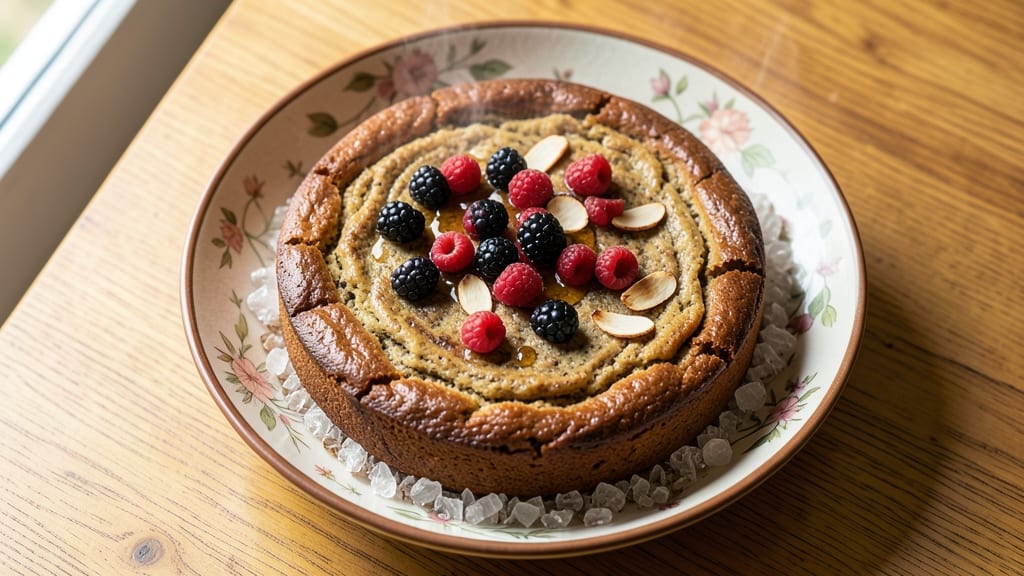
Amaranth cake delivers the perfect balance of earthy grain crunch and tender vanilla layers—no dairy or eggs required. This recipe transforms the ancient supergrain's nutty texture into a rich, moist dessert that surprises even skeptics. The secret lies in blending amaranth flour with almond flour for structure while keeping the crumb impossibly light.
What makes this cake special is its versatility—it works as a showstopper dessert or satisfying breakfast treat. The amaranth adds subtle earthiness that pairs beautifully with vanilla, while a touch of cinnamon enhances its natural warmth.
Baking at 350°F for 30-35 minutes ensures a golden crust with a perfectly set interior.
The result is a cake with moist layers and a satisfying crunch from toasted amaranth, all while being naturally gluten-free and packed with protein. Top with fresh berries or a dusting of powdered sugar for an elegant finish. This recipe proves plant-based baking can be both nutritious and indulgent.
Perfect for special occasions or everyday cravings, this amaranth cake delivers restaurant-quality texture without the fuss. The ingredients come together in 15 minutes of prep, making it ideal for busy schedules. Let's get baking!
Ingredients for amaranth cake
Twelve ingredients blend ancient grain texture with modern baking science for a vegan cake that surprises.
| Ingredient | Amount | Notes |
|---|---|---|
| Amaranth Flour 🌾 | 1 ½ cups | Finely milled, unbleached preferred |
| Almond Flour 🌰 | 1 ½ cups | Finely ground, blanched preferred |
| Granulated Sugar 🍚 | 1 cup | Organic preferred, fine grain |
| Coconut Sugar 🌴 | ½ cup | For subtle caramel notes |
| Vanilla Extract 🍈 | 2 tbsp | Pure Madagascar bourbon preferred |
| Unsweetened Almond Milk 🥛 | 1 cup | Vanilla almond milk enhances flavor |
| Melted Coconut Oil 🥥 | ½ cup | Refined for neutral flavor |
| Ground Cinnamon 🌿 | 1 ½ tsp | Ceylon cinnamon for delicate flavor |
| Baking Powder 🍞 | 1 ½ tsp | Aluminum-free preferred |
| Salt 🧂 | ½ tsp | Fine sea salt preferred |
| Toasted Amaranth Seeds 🌾 | ½ cup | Lightly toasted for crunch |
| Powdered Sugar 🍚 | ¼ cup | For dusting, confectioners preferred |
The amaranth flour is the star—Bob's Red Mill or Anthony's Goods brands deliver the finest texture. For almond flour, Bob's Red Mill ultra-fine works best, though Trader Joe's is more budget-friendly. Toast your own amaranth seeds in a dry pan for 3-4 minutes until fragrant—they should smell nutty, not burnt. The coconut sugar adds subtle caramel depth, but organic brands like Wholesome! ensure no gritty texture. Vanilla extract should be pure bourbon—Madagascar vanilla from Burlap & Barrel elevates the flavor profile significantly.
No amaranth flour? Buckwheat flour at half the amount works in a pinch, though texture will differ slightly. Almond milk substitute? Oat milk or soy milk both work, but vanilla almond milk remains ideal. For extra moisture, add 1 tbsp of unsweetened applesauce. The baking powder must be fresh—test by dropping a spoonful in water; it should fizz immediately. Coconut oil should be melted but not hot—microwave 30 seconds for perfect consistency. Skip the powdered sugar? A sprinkle of toasted coconut flakes adds visual appeal without compromising flavor.
Store wrapped at room temperature for 3 days or refrigerated for 1 week to preserve moisture. For longer storage, freeze slices wrapped in parchment for 3 months. The cake reheats beautifully—10 seconds in microwave restores freshness. Garnish with fresh berries or a drizzle of vegan caramel sauce for an elegant presentation. The toasted amaranth seeds can be pre-toasted and stored in an airtight container for 2 weeks ahead of time.
Why You'll Love This Recipe
- No Mixer Needed: I swear by this recipe when my mixer’s broken (again). Just whisk the amaranth and almond flours with the sugars—no lumps, no fuss—and the vanilla ties it all together in seconds. Honestly, it’s the kind of recipe that makes me question why I ever owned a stand mixer.
- Caramel-Kissed Depth: That combo of granulated and coconut sugar? It’s what turns this into something special. The almond flour keeps it rich but not heavy, while the amaranth adds a subtle earthiness that pairs perfectly with the vanilla’s warmth—like a hug in cake form.
- Weeknight or Dessert Star: Between us, this is my go-to when I need something quick but still feels like a treat. Crumble a slice over yogurt for breakfast, or serve it warm with a scoop of ice cream—no one will guess it’s not from a bakery.
- Budget-Friendly Luxury: Amaranth flour might sound fancy, but it’s cheaper than buying pre-made gluten-free mixes, and almond flour stretches further than you’d think. Plus, the leftovers? They stay moist for days, so you’re not scrambling to bake again next week. (Yes, even on a Tuesday night.)
Step-by-step instructions for amaranth cake
Here's how to achieve a perfectly moist, layered cake with nutty amaranth crunch and vanilla depth.
Whisk Dry Ingredients for Even Distribution
In a large mixing bowl, combine the 1.5 cups amaranth flour and 1.5 cups almond flour. Sift in the 1 cup granulated sugar, 0.5 cup coconut sugar, 1.5 teaspoons ground cinnamon, 1.5 teaspoons baking powder, and 0.5 teaspoon salt. Use a whisk to break up any lumps and ensure all dry ingredients are thoroughly blended.
This step is crucial for preventing dense pockets in your cake. The combination of flours creates a light yet sturdy structure, while the sugars provide both sweetness and moisture retention. I always sift the dry ingredients first—it eliminates air pockets that could lead to uneven baking.
Mix Wet Ingredients to Create a Smooth Batter
In a separate bowl, whisk together the 1 cup unsweetened almond milk, 0.5 cup melted coconut oil, and 2 tablespoons vanilla extract until fully combined. The mixture should be smooth with no streaks of oil remaining. This ensures even distribution of moisture and flavor throughout the batter.
I prefer vanilla almond milk here because it enhances the cake's natural sweetness without overpowering the earthy amaranth notes. The melted coconut oil adds richness while keeping the texture tender. Let the wet ingredients sit for 2 minutes at room temperature before combining—this small pause helps the coconut oil maintain its liquid state.
Combine Wet and Dry Ingredients Gently
Create a well in the center of your dry ingredients and pour in the wet mixture. Using a spatula, gently fold everything together until just combined—you should still see some dry flour streaks. Overmixing develops gluten, which can make the cake dense rather than light and airy.
At this stage, fold in 0.5 cup toasted amaranth seeds using a gentle folding motion. The seeds add texture and a subtle nutty crunch that balances the cake's moisture. I recommend toasting the seeds in a dry pan over medium heat for 2-3 minutes until fragrant before adding them to the batter.
Bake in Layers for Even Cooking
Preheat your oven to 350°F and grease two 8-inch round cake pans or line them with parchment paper. Divide the batter evenly between the pans. Bake for 25-30 minutes, or until a toothpick inserted into the center comes out clean. The cake should be golden on top but still slightly springy to the touch.
I've found that baking at this temperature prevents the amaranth flour from developing a bitter aftertaste while ensuring the almond flour contributes to a tender crumb. Rotate the pans halfway through baking to promote even heat distribution. The cake is done when it passes the toothpick test and the edges pull away slightly from the pan.
Cool and Layer with Powdered Sugar Glaze
Allow the cakes to cool in their pans for 10 minutes, then transfer them to a wire rack to cool completely. Once fully cooled, place one cake on a serving plate and dust the top evenly with 0.25 cup powdered sugar. Repeat with the second cake, then sandwich them together.
For an extra touch, you can brush the layers with a simple syrup made by heating 2 tablespoons almond milk with 1 tablespoon granulated sugar until dissolved, then cooling. This keeps the cake moist while adding subtle sweetness. The powdered sugar glaze gives a professional finish while maintaining the cake's natural flavors.
Pro Tips For Making Amaranth Cake
- Sift the Flours Together: Amaranth flour is dense—don’t just dump it in. Sift it with the almond flour first to cut out lumps and lighten the batter. I used to ignore this, and my cakes turned out compact and heavy. A quick 30-second sift makes a real difference.
- Toast the Amaranth: Warm the amaranth flour in a dry pan for 2–3 minutes until it smells nutty. This deepens the flavor and prevents a raw, grainy taste. Skip this, and your cake will taste like flour instead of something intentional.
- Mix Wet Ingredients First: Combine the wet ingredients—eggs, sugars, vanilla—before adding the dry mix. This ensures even distribution and avoids clumps. I learned this after pulling apart a cake with dry pockets of almond flour.
- Test Doneness with a Toothpick: Amaranth cakes can look underdone but still be dry inside. Insert a toothpick—if it comes out clean but crumbly, it’s done. Overbaking turns them dry; underbaking leaves them gummy. Trust the toothpick, not the timer.
Perfect pairings for amaranth cake
Fruit Toppings
Fresh berries are my go-to for topping this cake—they brighten the earthy amaranth with natural sweetness. I slice 1 cup mixed berries (strawberries, blueberries, raspberries) and arrange them in a circular pattern on top.
For extra flair, toss them with 1 teaspoon maple syrup and a pinch of Ceylon cinnamon before placing. 🍓
Creamy Drizzles
A vegan caramel sauce made with ½ cup coconut cream, ¼ cup coconut sugar, and 1 teaspoon vanilla extract adds decadence. Heat until smooth, then drizzle over the cake in zigzag patterns.
For a lighter option, try cashew cream—blend ½ cup soaked cashews with ¼ cup almond milk and 1 tablespoon maple syrup until silky.
Nutty Crunch
Toasted pecans or walnuts (about ½ cup) add texture contrast. I lightly toast them in a dry pan with ½ teaspoon cinnamon until fragrant, then sprinkle over the cake. For a modern twist, blend ¼ cup toasted hazelnuts with 1 tablespoon powdered sugar and sprinkle as a finishing touch.
Citrus Zest
Brighten the cake with lemon or orange zest—just 1 teaspoon of finely grated zest adds a refreshing pop. I mix it with 1 tablespoon powdered sugar and dust over the top for a professional finish. Pair with a few drops of lemon juice for a zesty kick.
Chocolate Pairings
For chocolate lovers, melt ½ cup vegan dark chocolate (70% cocoa) with 1 tablespoon coconut oil and drizzle over the cake. Add crushed vegan chocolate chunks or a sprinkle of cocoa powder for extra richness. The chocolate complements the amaranth’s nuttiness beautifully. 🍫
Nutrition facts
Frequently asked questions
Can I make this amaranth cake gluten-free?
This recipe is already gluten-free! The combination of amaranth flour and almond flour creates a naturally gluten-free structure. Just ensure your other ingredients—like vanilla extract and baking powder—are certified gluten-free. The cake maintains its moist texture without any gluten-containing flours.
Why does my amaranth cake turn out dense?
Overmixing the batter or using cold ingredients often causes density. Always mix just until combined and ensure your coconut oil is melted but not hot. Also, don't skip toasting the amaranth seeds—this adds airiness. If the batter seems too thick, add 1 tbsp almond milk at a time.
How can I make this cake nut-free?
Replace the almond flour with an equal amount of oat flour or coconut flour (reduce other liquids by 2 tbsp if using coconut flour). For binding, add 1 tbsp ground flaxseed mixed with 3 tbsp water to the wet ingredients. The texture will differ slightly but remain delicious.
Can I bake this cake in a single layer?
Yes! Use an 8-inch round pan or 9x13-inch baking dish and reduce baking time by 5-10 minutes. For a 9x13-inch pan, bake at 350°F for 25-30 minutes until a toothpick comes out clean. The single layer will be slightly thicker but equally moist. Perfect for sheet cake presentations!
What's the best way to store leftovers?
Keep the cake wrapped in an airtight container at room temperature for 3 days or refrigerate for 1 week. For longer storage, freeze slices wrapped in parchment for 3 months. To reheat, microwave for 10-15 seconds or warm in a 300°F oven for 5 minutes.