
Desserts
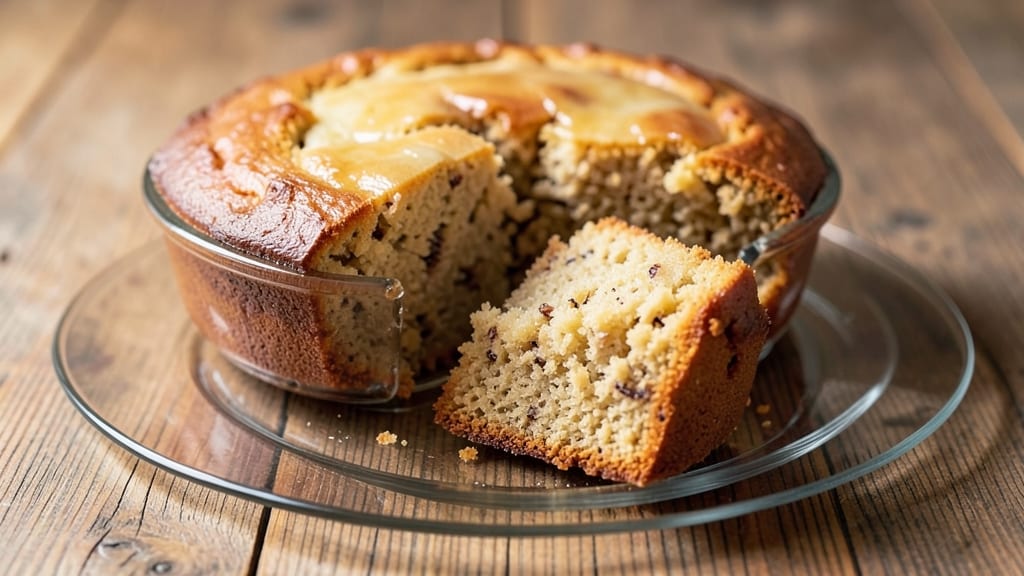
This American pound cake recipe delivers the classic Southern dessert you crave—rich, moist layers with vanilla depth that’s become a dessert staple. The secret lies in equal parts butter, sugar, and flour by weight, creating a tender crumb that’s both buttery and perfectly balanced.
I’ve perfected this version to stay true to tradition while ensuring foolproof results every time.
The beauty of this recipe is its simplicity: just one bowl, minimal mixing, and a 350°F oven for 50-60 minutes of golden perfection. The high-fat content from butter and eggs creates that signature moist texture, while vanilla extract infuses warmth that lingers with every slice.
No fancy techniques—just a reliable method that’s been a Southern favorite for generations.
What makes this pound cake truly special is its versatility. Serve it plain for a timeless dessert or elevate it with a citrus glaze, chocolate ganache, or fresh berries. The crisp edges and tender crumb make it ideal for brunch, holiday gatherings, or a simple treat.
Once you try this version, you’ll understand why it’s a classic that never goes out of style.
Ready to bake? The ingredients are straightforward, and the process is straightforward—no kneading, no fuss, just pure Southern comfort in every bite. Let’s get started on creating a cake that’s as much about tradition as it is about taste.
Ingredients for american pound cake
Just eight ingredients for a Southern classic that's all about buttery layers and vanilla warmth.
| Ingredient | Amount | Notes |
|---|---|---|
| Unsalted Butter 🧈 | 1 lb | Room temperature, not melted |
| Granulated Sugar 🍚 | 1 lb | White or light brown |
| All-Purpose Flour 🌾 | 1 lb | Sifted, level measured |
| Large Eggs 🥚 | 4 whole | Room temperature, separated |
| Pure Vanilla Extract 🌿 | 2 tbsp | High-quality, not imitation |
| Salt 🧂 | ½ tsp | Fine sea salt |
| Baking Powder 🍞 | 2 tsp | Aluminum-free preferred |
| Milk 🥛 | ¼ cup | Whole milk preferred |
The butter is non-negotiable here—Land O'Lakes or Plugrah are my go-tos, but any good-quality unsalted works. Room temperature is key; if it's too cold, the cake won't mix smoothly. Whole milk adds richness, but any milk will do in a pinch. The vanilla? Spend the extra $5 for pure extract—it makes all the difference. I grab mine from Williams Sonoma or Trader Joe's since their bottles are consistently high-quality. For flour, King Arthur or Gold Medal are my trusty brands—they bake consistently.
No butter? Coconut oil or vegetable shortening can substitute, but the texture won't be quite the same. Short on vanilla? Vanilla bean paste works too—just use half the amount since it's more concentrated. The milk can be swapped for buttermilk or even water if that's what you've got. For baking powder, double-acting is best—check the label. And if you're worried about the cake being too dense, whip the egg whites separately and fold them in at the end for extra lift.
Store leftovers in an airtight container at room temperature for 2-3 days or in the fridge for 5 days. For longer storage, wrap tightly in plastic and freeze for up to 3 months. I like to slice it before freezing—just thaw at room temperature for 1-2 hours before serving. The cake actually tastes better the next day as the flavors meld. If you're prepping ahead, make it a day early—it's perfect for holiday desserts or brunch gatherings.
Why You'll Love This Recipe
- No-Fuss Mixing: I swear by the creamer method—just cream butter and sugar until light, then fold in dry ingredients. No sifting, no fuss, and the texture comes out perfectly tender every time. (Yes, even if I forget to preheat the oven.)
- Buttery Vanilla Bliss: That rich butter-to-flour ratio? It’s the secret. The vanilla isn’t just an afterthought—it’s the star, weaving through the crumb like a warm hug. Honestly, I’ve tried store-bought pound cakes, but this one tastes like home.
- Slice It Any Way: Breakfast? Toast it with jam. Dessert? Dust with powdered sugar. Meal prep? Wrap slices in foil for grab-and-go snacks. It’s the one cake that works for everything—no judgment if you eat it straight from the pan.
- Budget-Friendly Staples: Five ingredients, zero specialty items. Butter, sugar, flour, eggs, vanilla—stuff you already own. And a single batch feeds a crowd or stretches for days. My freezer’s always stocked with leftovers, because why bake twice?
Step-by-step instructions for American pound cake
This classic one-bowl method delivers rich, moist layers with perfect vanilla depth every time.
Cream Butter and Sugar Until Light and Fluffy
In a large mixing bowl, combine the 1 lb unsalted butter and 1 lb granulated sugar. Using an electric mixer on medium speed, beat for 3-5 minutes until the mixture is pale, light, and airy. You'll notice it nearly doubles in volume and leaves clean streaks on the sides of the bowl.
This creaming process is crucial—it incorporates air that will create those signature tender layers. If your butter isn't room temperature, it won't cream properly, and your cake will turn out dense. I always test by pressing my finger into the butter; if it leaves a slight indent but holds its shape, it's perfect.
Add Eggs and Vanilla Extract
Add the 4 whole large eggs, one at a time, mixing well after each addition. After the last egg is incorporated, add the 2 tbsp pure vanilla extract and mix for an additional 30 seconds. The mixture should be thick and smooth, with no visible streaks of egg.
Here's where it gets important: don't overmix. You want to combine everything just until fully incorporated. Overmixing develops gluten in the flour (which we'll add next) and can lead to a tough cake. The vanilla extract should be well distributed—this is what gives that classic American pound cake flavor.
Combine Dry Ingredients and Milk
In a separate bowl, whisk together the 1 lb all-purpose flour, 2 tsp baking powder, and 0.5 tsp salt. Sift the flour mixture directly into the wet ingredients, mixing on low speed just until combined. Add the 0.25 cup milk and mix for another 15-20 seconds until the batter is smooth.
This is the moment that matters: stop mixing as soon as you see no more flour streaks. The batter should be thick, like cookie dough. If you overmix, you'll develop gluten and end up with a cake that's more like a dense loaf than the tender layers we're after.
Bake in Prepared Pans for Perfect Layers
Preheat your oven to 350°F. Generously grease and flour two 9-inch round cake pans (or one 9x13-inch pan). Divide the batter evenly between the pans—you should have about 1½ cups in each round pan. Bake for 40-45 minutes until a toothpick inserted in the center comes out clean.
I like to check the cake at the 35-minute mark—sometimes ovens run hot, and you don't want to overbake. The edges should be golden brown, and the top should spring back when gently pressed. Let the cakes cool in the pans for 10 minutes, then transfer to a wire rack to cool completely before serving.
Serve with Vanilla Ice Cream for the Ultimate Experience
Once fully cooled, slice the cake into thick layers. The texture should be moist but not sticky, with a fine crumb that practically melts in your mouth. The vanilla flavor should be subtle but noticeable—this is what makes it classic American pound cake.
Serve with a scoop of vanilla ice cream for the ultimate dessert experience. The cake's rich, buttery layers pair perfectly with the cold creaminess of ice cream. Store leftovers in an airtight container at room temperature for up to 3 days or in the refrigerator for up to 5 days.
Pro Tips For Making American Pound Cake
- Weigh the Butter: No guesswork—use a kitchen scale for the butter. I learned this the hard way after packing too much into the bowl and ending up with a dense, greasy cake. For pound cake, precision matters more than you’d think.
- Cream Butter and Sugar Slowly: Let the mixer run at medium speed for 3–4 minutes until the mixture looks pale and fluffy. Rushing this step traps air poorly, and your cake will turn out compact instead of light. (Yes, even if you’re impatient like me.)
- Skip Overmixing the Batter: Stop folding in the flour as soon as it’s just combined—no streaks, no dry spots. Overmixing develops gluten, and your pound cake will toughen up instead of staying tender. I used to go until it looked "perfect," but now I pull the plug early.
- Use Room-Temp Eggs: Cold eggs from the fridge will curdle the butter mixture, and your cake might end up with weird textures. Let them sit out for 30 minutes before cracking—this small step makes a real difference in how smoothly the batter comes together.
Perfect pairings for this dish
Classic Vanilla Ice Cream
This is the ultimate pairing—creamy, vanilla ice cream cuts through the rich butterfat of the pound cake beautifully. I recommend Häagen-Dazs Vanilla Bean or Ben & Jerry's Vanilla for their smooth texture and complementary vanilla notes.
The cold creaminess balances the cake's warmth, creating the perfect contrast. For an extra touch, sprinkle crushed vanilla wafers or toasted coconut flakes on top before serving. 🍦
Citrus Glaze Enhancement
Brighten up your pound cake with a lemon or orange glaze. Mix ½ cup powdered sugar, 2 tbsp fresh lemon juice, and 1 tbsp lemon zest for a zesty kick.
Drizzle over slices and serve with whipped cream or a dollop of Greek yogurt for a lighter option. The acidity in the glaze cuts through the richness, making each bite refreshing. 🍋
Chocolate Ganache Drizzle
For chocolate lovers, a dark chocolate ganache elevates this classic dessert. Melt ½ cup dark chocolate chips (I love Ghirardelli 60% or 70%) with ¼ cup heavy cream, then drizzle over sliced cake.
Top with raspberries or chopped nuts for added texture. The deep cocoa pairs surprisingly well with the vanilla notes in the cake. 🍫
Fresh Berries and Whipped Cream
Top your pound cake slices with fresh strawberries, blueberries, or raspberries for a pop of color and freshness. Pair with homemade whipped cream lightly sweetened with powdered sugar.
The berries add a juicy contrast to the cake's tender crumb. For a Southern twist, try peach slices with a drizzle of honey. 🍓
Coffee or Tea Pairing
Serve warm Southern-style sweet tea or a cup of strong black coffee alongside your pound cake. The tannins in coffee enhance the vanilla flavor, while tea's sweetness complements the buttery richness. For a boozy twist, add a splash of bourbon or vanilla liqueur to your coffee. ☕
Seasonal Variations
In summer, add fresh peaches or blackberries with a drizzle of honey. For fall, try cinnamon-infused whipped cream and caramelized apples. Winter calls for spiced rum sauce and candied pecans. Each seasonal twist keeps this classic dessert feeling fresh year-round. 🍂
Nutrition facts
Frequently asked questions
Why does this recipe use equal parts butter, sugar, and flour?
The classic 1:1:1 ratio of butter, sugar, and flour creates the pound cake's signature tender crumb and rich flavor. The butter provides moisture and fat for a velvety texture, while the equal sugar content balances sweetness without overpowering. This traditional proportion dates back to 19th-century Southern kitchens where precise measurements were key to perfect results.
Can I bake this in a different pan shape?
Yes! This batter works well in 9x13-inch pans, 8-inch round pans, or even a loaf pan. Adjust baking time based on pan size: 9x13-inch pan takes 45-50 minutes, while 8-inch rounds need 35-40 minutes. Always check with a toothpick. For best results, reduce oven temp to 325°F if using dark pans to prevent over-browning.
What's the best way to store pound cake?
Keep it fresh by storing in an airtight container at room temperature for 2-3 days. For longer storage, refrigerate for up to 5 days or freeze for 3 months. To prevent drying, slice before freezing and wrap each piece individually. The cake actually improves overnight as flavors meld—perfect for making ahead!
Why did my cake turn out dense?
Overmixing develops gluten, making the cake tough. Also check: butter wasn't room temp, eggs weren't added one at a time, or you didn't cream butter/sugar long enough. For extra lift, try folding in whipped egg whites at the end. And always preheat your oven—cold pans cause uneven baking.
Can I make this gluten-free?
Yes, but results may vary. Replace flour with a 1:1 gluten-free baking blend (like Bob's Red Mill) plus ½ tsp xanthan gum. Add 2 tbsp extra milk to compensate for reduced moisture. Expect a slightly denser texture—this cake relies on gluten for its signature crumb. Test with a small batch first!