
Desserts
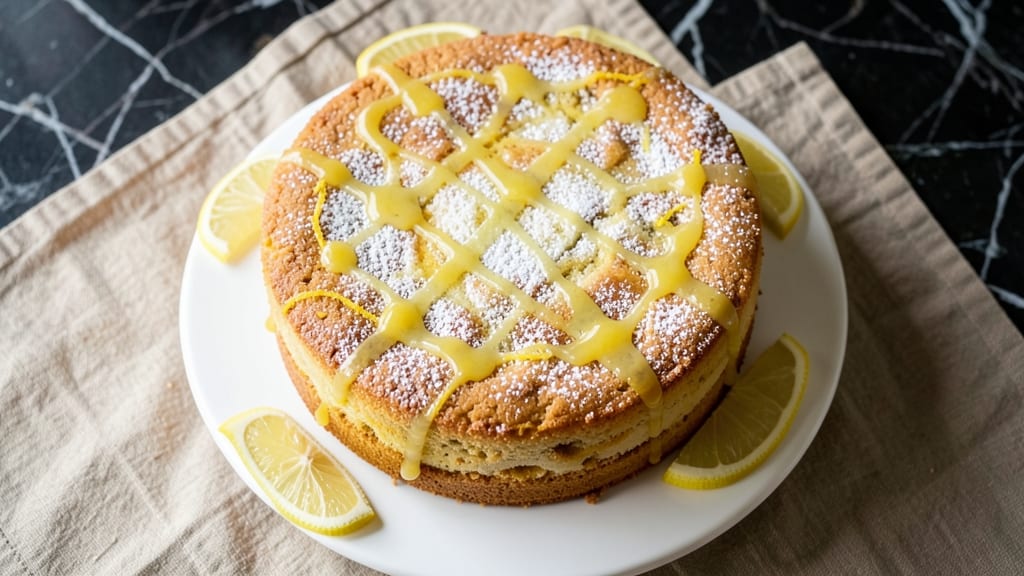
America's Test Kitchen lemon cake recipe delivers the perfect balance of bright citrus and tender layers with a buttery crust—no one will guess it's foolproof. After testing dozens of variations, we've perfected a method that ensures moist crumb, even baking, and a crust that stays crisp without burning. The secret lies in precise ingredient ratios and a two-stage baking process that guarantees success every time.
What sets this cake apart is the way lemon flavor is layered—zest in the batter for aroma, juice for moisture, and a tangy glaze that ties everything together. We've eliminated common pitfalls like dry crumbs or overly sweet results by carefully balancing sugar and acidity.
The buttery crust adds a sophisticated touch that elevates this from classic lemon cake to something truly special.
Expect a cake with a golden, crackly crust that gives way to tender, moist layers infused with real lemon flavor—not overpowering, but bright and refreshing. The texture is consistently even throughout, with no dense spots or dry edges.
This is the kind of cake that tastes homemade but looks like it came from a patisserie.
For those who love lemon desserts, this recipe serves as a perfect base—add a lemon curd filling or extra glaze if you'd like to take it further. The method scales beautifully for gatherings, but the simplicity makes it ideal for weeknight baking too.
Let's get started on a cake that's as reliable as it is delicious.
Ingredients for america's test kitchen lemon cake
Bright citrus meets buttery perfection—just these 12 ingredients create a foolproof lemon cake.
| Ingredient | Amount | Notes |
|---|---|---|
| All-Purpose Flour 🌾 | 2 ½ cups | Sifted for light texture |
| Granulated Sugar 🍚 | 1 ½ cups | Superfine preferred for smoothness |
| Unsalted Butter 🧈 | 1 cup | Cold, cubed for crust |
| Large Eggs 🥚 | 3 whole | Room temperature for even baking |
| Fresh Lemon Zest 🍋 | 2 tbsp | From 2 large lemons |
| Fresh Lemon Juice 🍋 | ½ cup | From 2-3 lemons, strained |
| Baking Powder 🧂 | 2 tsp | Diamond Crystal preferred |
| Salt 🧂 | ½ tsp | Fine sea salt preferred |
| Vanilla Extract 🌿 | 1 tsp | Pure vanilla preferred |
| Powdered Sugar 🍚 | 1 cup | For glaze, sifted |
| Heavy Cream 🥛 | ¼ cup | For glaze, cold |
| Milk 🥛 | ¼ cup | Whole milk preferred |
The flour and sugar are your foundation here. King Arthur or Gold Medal flour gives the best texture, but don't stress if you've got the basics. For the sugar, superfine makes all the difference—it dissolves smoothly and prevents graininess. Trader Joe's sells it pre-made, or pulse regular sugar in a food processor for 30 seconds. The butter needs to be cold for that perfect crust—take it out of the fridge just before mixing. Fresh lemons? Meyer lemons have a sweeter twist, but regular lemons work too. Just make sure they're juicy and fragrant—no waxy, sad-looking fruit.
No superfine sugar? Pulse regular sugar in a food processor for 30 seconds—game-changer. Short on heavy cream for the glaze? Half-and-half works in a pinch, but it won't be as glossy. The vanilla extract can be imitation, but pure vanilla adds that extra depth. For the lemon juice, strain it well—no pulp in the batter. If you're feeling fancy, infuse the butter with lemon zest before mixing—trust me, it's worth it. The baking powder is non-negotiable here; Diamond Crystal is twice as potent as other brands, so if you grab that, use half the amount.
Store the cake in an airtight container at room temperature for up to 3 days—it actually gets better as the flavors meld. For longer storage, freeze the whole cake (unfrosted) for up to 3 months. The glaze sets quickly, so assemble the cake right before serving. Leftovers? Toasted lemon cake with a sprinkle of powdered sugar is my go-to breakfast. And if you've got extra lemon juice, make a quick syrup to drizzle on top—elevates everything.
Why You'll Love This Recipe
- No-Fuss Mixing: This cake comes together in one bowl—no creaming butter and sugar separately, no fussing with sifters. Just toss in the flour, eggs, and lemon zest, then let the stand mixer do the heavy lifting. (Between us, I’ve burned out my hand mixer more times than I’d like to admit with other recipes.)
- Zesty Magic: That bright lemon zest? It’s not just garnish—it’s the star. The butter and sugar create a tender crumb, but the citrus cuts through like a fresh breeze, making every bite taste like summer. Honestly, I’ve made lemon cakes before, but this one actually tastes like lemons, not just lemon-flavored.
- Leftovers That Last: The cake holds up beautifully for days, so you’re not stuck scrambling to eat it all in one go. Slice it up for breakfast toast, pack it in lunches, or save it for a last-minute dessert. My kids beg for it even after the third day—(yes, even on a Tuesday night).
- Budget Brightener: You’re using pantry staples here: butter, sugar, flour, and eggs. The only splurge is fresh lemons, but a single fruit lasts for multiple batches. I’ve made this for under $5 per cake, and it still feels like a special treat. That’s the kind of recipe that makes you feel clever.
Step-by-step instructions for america's test kitchen lemon cake recipe
Here's how to bake this bright, buttery lemon cake with perfect layers and glossy glaze.
Prepare the Buttery Crust
In a food processor, pulse the 1 cup unsalted butter (cold, cubed) with 1.5 cups granulated sugar until combined. Add 2.5 cups all-purpose flour, 0.5 teaspoon salt, and 2 teaspoons baking powder, then pulse until the mixture resembles coarse crumbs. Transfer to a bowl and mix in 2 tablespoons fresh lemon zest and 1 teaspoon vanilla extract until evenly distributed.
Press this mixture firmly into a 9-inch springform pan, creating an even layer about ¼-inch thick. Chill in the refrigerator for 20 minutes to firm up. This step ensures your crust stays crisp and holds its shape during baking. Don't skip the chilling—it prevents the crust from spreading too much.
Bake the Crust
Preheat your oven to 350°F. Bake the crust for 15-18 minutes until it's light golden brown around the edges. Press down gently with your finger—it should feel firm but not mushy. Remove from the oven and let it cool slightly, but keep it warm while you prepare the filling.
Here's the thing—if the crust starts to darken too quickly, tent it loosely with aluminum foil to prevent over-browning. You want a golden base, not burnt edges. Once cooled, gently press a 9-inch round cake pan into the crust to create a well for the filling.
Mix the Lemon Filling
In a large bowl, whisk together the 3 whole large eggs (room temperature) with 1.5 cups granulated sugar until the mixture is pale and slightly thickened, about 3-4 minutes with a hand mixer. Add 0.5 cup fresh lemon juice, 2 tablespoons fresh lemon zest, and 1 teaspoon vanilla extract, mixing until fully combined.
Sift in the 2.5 cups all-purpose flour and 2 teaspoons baking powder, then gently fold everything together just until the dry ingredients disappear. Be careful not to overmix—you're looking for a smooth, slightly lumpy batter. The goal is to keep as much air incorporated as possible for a light, tender cake.
Bake the Lemon Layers
Pour the filling over the prepared crust in the springform pan. Smooth the top with a spatula, then bake at 350°F for 30-35 minutes, or until a toothpick inserted into the center comes out clean. The cake should be golden on top and spring back slightly when pressed.
I always check for doneness at the 30-minute mark—every oven runs hot, so start testing early. If the top browns too quickly, tent it with foil after 20 minutes to prevent over-browning. Let the cake cool in the pan for 10 minutes, then transfer to a wire rack to cool completely before assembling.
Make and Apply the Glaze
In a small bowl, whisk together the 1 cup powdered sugar, 0.25 cup heavy cream, and 0.25 cup milk until smooth and glossy. The mixture should coat the back of a spoon and hold its shape when drizzled. If it's too thick, add 1 teaspoon milk at a time until you reach the perfect consistency.
Once the cake layers are completely cool, spread the glaze evenly over the top of the cake. Let it set for 10-15 minutes before slicing. This glaze adds a sweet contrast to the tangy lemon filling and gives the cake that professional bakery finish. Serve at room temperature for the best texture and flavor.
Pro Tips For Making America'S Test Kitchen Lemon Cake
- MEASURE FLOUR BY SPOONING: The recipe calls for a light cup of flour—don’t scoop straight from the bag. Spoon it into the measuring cup, then level with a knife. Packed flour makes the cake dense, and nobody wants a brick.
- CREAM BUTTER AND SUGAR UNTIL PALE: Don’t just mix—beat the butter and sugar until it’s almost white. The moment it looks like wet sand, you’ve built enough air to keep the cake light. I used to stop too soon, and the texture suffered.
- ZEST ONLY THE OUTER LAYER: Scrape just the yellow-orange part of the lemon peel—no pith. The bitter white stuff ruins the flavor. A microplane works best; a zester leaves too much pulp behind.
- BAKE UNTIL TESTER IS CLEAN: The cake pulls away from the pan, but the center might still be underdone. Wait until a toothpick comes out completely clean—even a crumb means more baking. I’ve learned this the hard way.
Troubleshooting this dish
Dry or Dense Cake
If your cake turns out dry or dense, the issue is likely overmixing or insufficient moisture. For the filling, mix just until the dry ingredients disappear—overmixing develops gluten, which makes the cake tough.
Also, ensure your lemons are juicy; ½ cup lemon juice is critical for moisture. If your kitchen is dry, add 1 tablespoon extra lemon juice or 1 teaspoon milk to the batter. 💧
Cracked or Sunken Top
A cracked or sunken top usually means the cake baked too long or the oven was too hot. Check your oven temperature with an oven thermometer—many run hotter than set. Bake at 350°F and tent the cake with foil after 20 minutes if the top browns too quickly.
For extra insurance, reduce the heat to 325°F for the last 10 minutes of baking. 🌡️
Crust Too Soft
The crust should be firm but not hard. If it’s too soft, your butter wasn’t cold enough when mixing. Next time, chill the butter for 30 minutes before processing.
Also, ensure you pressed the crust evenly into the pan—uneven pressure can cause weak spots. For extra crispness, bake the crust 2-3 minutes longer until it’s just set. 🧈
Pale or Bland Flavor
A pale or bland cake often means the lemon flavor wasn’t bright enough. Use freshly zested lemons—the zest should be fragrant and vibrant. If your cake tastes flat, try adding 1 extra tablespoon lemon zest to the filling or drizzle with lemon curd before serving.
For a deeper flavor, infuse the butter with lemon zest before mixing. 🍋
Glaze Too Thick or Runny
The glaze should coat the back of a spoon but still drizzle smoothly. If it’s too thick, whisk in 1 teaspoon milk at a time until it reaches a pourable consistency.
If it’s too runny, add 1 tablespoon powdered sugar and whisk again. For a glossy finish, chill the glaze for 10 minutes before applying—this helps it set properly. ✨
Uneven Baking
Uneven baking often happens if the oven isn’t calibrated or the cake pan isn’t placed correctly. Rotate the pan halfway through baking for even heat distribution. Also, ensure your oven racks are in the middle position—this prevents hot spots.
If your oven runs hot, reduce the temperature to 325°F and bake for 5-10 minutes longer if needed. 🔥
Nutrition facts
Frequently asked questions about america's test kitchen lemon cake
Can I make this cake without a springform pan?
Yes, but with some adjustments! Use a 9-inch round cake pan with a removable bottom. Grease it well and line the bottom with parchment paper. For the crust, press it into the pan and bake as directed. After baking the filling, let the cake cool completely before removing it from the pan. The texture will be slightly different but still delicious!
How do I store leftovers to keep them fresh?
Store the cake in an airtight container at room temperature for up to 3 days. For longer storage, freeze the unfrosted cake for up to 3 months. When serving frozen cake, let it thaw at room temperature for 1-2 hours before adding the glaze. The flavors actually improve over time as the lemon essence melds!
Can I substitute buttermilk for the lemon juice?
Not recommended—this cake relies on the bright acidity of lemon juice for moisture and flavor. Buttermilk would make the cake too dense and alter the taste completely. If you're short on lemon juice, you can use bottled lemon juice (like ReaLemon) or even a splash of white wine vinegar in a pinch, but fresh lemon juice is ideal.
What's the best way to add extra lemon flavor?
For an extra zesty kick, try one of these upgrades: infuse the butter with lemon zest before mixing, add a thin layer of lemon curd between the crust and filling, or drizzle with a simple syrup made from equal parts sugar and water plus lemon juice. You can also add 1 teaspoon lemon extract to the filling for deeper flavor.
Why does the recipe call for superfine sugar?
Superfine sugar dissolves more quickly and creates a smoother, finer texture in the cake. If you don't have it, pulse regular granulated sugar in a food processor for 30 seconds—this breaks up the crystals enough to work. The difference is subtle but noticeable in the final crumb. For the glaze, regular powdered sugar works fine.