
Desserts
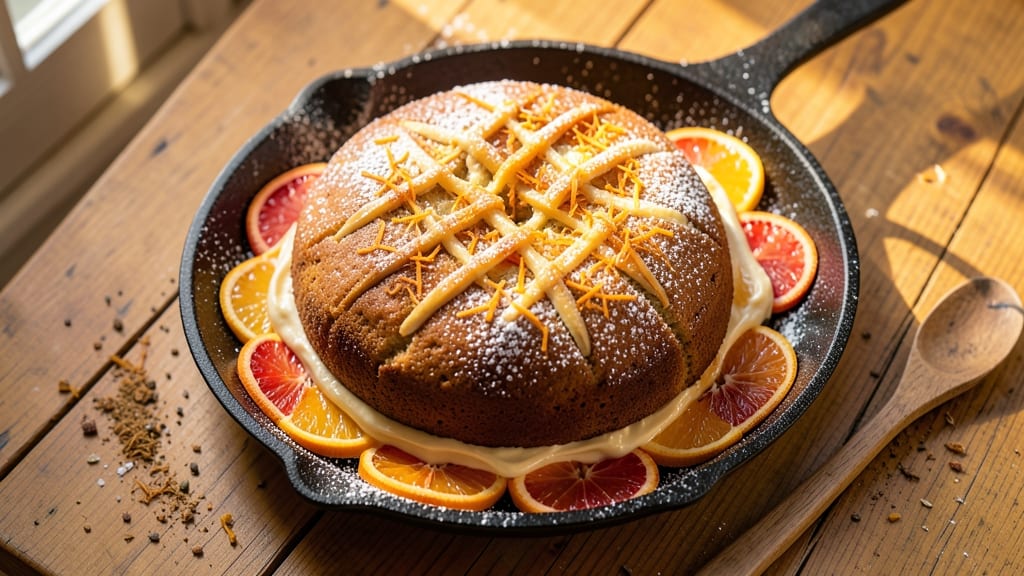
This Amish orange cake recipe delivers the perfect balance of tender layers and bright citrus flavor, inspired by traditional Pennsylvania Dutch baking. The secret lies in a simple, foolproof method that relies on basic ingredients—flour, butter, and fresh orange juice—without any artificial additives.
What sets this recipe apart is the zesty glaze that ties together the moist cake with a tangy finish, a hallmark of Amish dessert traditions.
The cake itself is baked in a 350°F oven for about 30 minutes, yielding golden layers that stay moist for days. The recipe avoids shortcuts like boxed mixes or artificial flavors, staying true to the Amish preference for homemade ingredients and straightforward techniques.
The glaze, made with powdered sugar and fresh orange juice, adds a professional touch without requiring advanced skills.
What you’ll end up with is a cake that’s rich, tender, and bursting with citrus notes—ideal for family gatherings or special occasions. The simplicity of the recipe makes it perfect for beginners, while the bold orange flavor ensures it stands out on any dessert table.
The result is a classic dessert that feels both nostalgic and fresh.
Serve it with a dollop of whipped cream or a sprinkle of toasted nuts for added texture. This recipe is designed to be flexible, so you can adjust the glaze sweetness or add a pinch of cinnamon for extra warmth. Let’s get baking!
Ingredients for amish orange cake
Basic pantry staples meet vibrant citrus for this classic Amish dessert.
| Ingredient | Amount | Notes |
|---|---|---|
| All-Purpose Flour 🌾 | 2 ½ cups | Sifted for even texture |
| Granulated Sugar 🍚 | 2 cups | White or light brown |
| Unsalted Butter 🧈 | 1 cup | Softened to room temperature |
| Fresh Orange Juice 🍊 | 1 cup | From 2-3 medium oranges |
| Large Eggs 🥚 | 3 whole | Room temperature preferred |
| Baking Powder 🧂 | 2 tsp | Diamond Crystal preferred |
| Ground Cinnamon 🌿 | 1 tsp | Freshly ground preferred |
| Salt 🧂 | ½ tsp | Fine sea salt preferred |
| Powdered Sugar 🍚 | 2 cups | For glaze, sifted |
| Zest of 1 Orange 🍊 | 1 tbsp | Finely grated |
| Vanilla Extract 🌸 | 1 tsp | Pure vanilla preferred |
The butter and flour are your foundation—Crisco or shortening can replace butter for a slightly lighter texture, but traditional Amish recipes often use butter for that rich, tender crumb. For the orange juice, freshly squeezed is non-negotiable—bottled juice lacks the bright flavor. Look for navel or Valencia oranges at your grocery store's produce section, or grab a few extra to make fresh juice for other recipes. The baking powder should be freshly opened—old baking powder loses its lift, and this cake relies on it for that signature Amish lightness.
No fresh oranges? Bottled orange juice works in a pinch, though it'll be less vibrant. Running low on vanilla? Almond extract at half the amount adds depth, though it changes the flavor profile slightly. The powdered sugar for the glaze should be sifted to avoid lumps—I like to use a fine-mesh sieve for ultra-smooth results. If you prefer a less sweet glaze, reduce the powdered sugar to 1.5 cups and add a splash more orange juice. For extra warmth, a pinch of cinnamon in the glaze ties into the cake's spice notes perfectly.
Store the cake in an airtight container at room temperature for up to 3 days, though it's best enjoyed fresh. The glaze can be made ahead and stored in the fridge for 5 days, then simply whisked with fresh orange juice before drizzling. For a restaurant-worthy presentation, dust the top with powdered sugar right before serving. This cake freezes beautifully—wrap individual layers in plastic wrap, then place in a freezer bag for up to 3 months. Thaw overnight at room temperature before glaze application.
Why You'll Love This Recipe
- No-Fuss Mixing: I swear by this recipe—just cream butter, sugar, and eggs until light, then fold in dry ingredients and orange juice. No sifting, no fuss, and the batter comes together faster than you can zest an orange.
- Citrus Brightness: That fresh orange juice? It’s the star. The tang cuts through the richness of the butter, giving you a moist, zesty cake that tastes like a sunny afternoon in one bite. (Honestly, store-bought juice won’t cut it—go fresh.)
- Weekend or Weeknight: Slice it warm with a scoop of vanilla ice cream for a lazy Sunday treat, or pack it in the fridge for a quick breakfast toast the next morning. The crumb stays tender, so it’s just as good cold as it is warm.
- Budget-Friendly Stretch: A single cake feeds a crowd—think church potlucks, family gatherings, or your own "I need cake" moments. The ingredients are basic, but the flavor feels special, and leftovers? They disappear faster than you can say "second slice."
Step-by-step instructions for Amish orange cake
This classic cake delivers moist, tender layers with bright citrus notes—here's how to bake it perfectly.
Prep Ingredients and Preheat Oven
Start by preheating your oven to 350°F. Sift together the 2.5 cups all-purpose flour, 2 teaspoons baking powder, 1 teaspoon ground cinnamon, and 0.5 teaspoon salt in a medium bowl. Set aside—this dry mix is your cake's structural foundation.
In a separate large bowl, cream the 1 cup softened unsalted butter and 2 cups granulated sugar together until light and fluffy, about 3-4 minutes with an electric mixer. The mixture should nearly double in volume and become pale in color. This step incorporates air, giving your cake that signature tender crumb.
Combine Wet Ingredients
Add the 3 whole large eggs, one at a time, mixing well after each addition. Then stir in the 1 cup fresh orange juice, 1 tablespoon orange zest, and 1 teaspoon vanilla extract. The orange juice should be freshly squeezed for maximum brightness—any pulp can be strained out if you prefer a smoother batter.
Gradually fold in the dry ingredients until just combined. Be careful not to overmix—stop as soon as you see no more flour streaks. Overmixing develops gluten, which can make your cake dense rather than tender. The batter should be smooth and slightly thick, with a vibrant orange hue from the zest and juice.
Bake the Cake Layers
Divide the batter evenly between two greased and floured 9-inch round cake pans. Tap each pan gently on the counter to remove any air bubbles. Bake for 25-30 minutes, or until a toothpick inserted into the center comes out clean. The edges should be golden brown, but the top may still look slightly domed—this is normal.
I like to rotate the pans halfway through baking for even heat distribution. If your oven runs hot, check at the 20-minute mark. The cake is done when it springs back slowly when gently pressed in the center. Let the cakes cool in their pans for 10 minutes before transferring to a wire rack to cool completely.
Prepare the Citrus Glaze
While the cakes cool, whisk together the 2 cups powdered sugar and 1-2 tablespoons orange juice (from the same batch you used in the batter) in a bowl. Add juice gradually until you reach a smooth, spreadable consistency—it should be thick enough to coat the back of a spoon but thin enough to drizzle.
The glaze should be glossy and vibrant orange. If it's too thick, add more juice 1 teaspoon at a time. If it's too thin, add a little more powdered sugar. This glaze isn't just for decoration—it adds moisture and that signature citrus tang that ties the whole cake together.
Assemble and Serve
Once the cakes are completely cool, place one layer on a serving plate. Spread a generous layer of the glaze over the top, then add the second layer. Drizzle the remaining glaze over the entire cake, letting some pool around the edges for an elegant finish. For extra presentation, you can dust the top with a little extra powdered sugar or garnish with fresh orange slices.
Slice with a sharp serrated knife and serve at room temperature. The cake should be moist with tender crumbs, and each bite should deliver that bright orange flavor balanced by the warm cinnamon notes. This cake keeps well for up to 3 days covered at room temperature, or you can freeze it for up to 3 months for fresh-baked taste whenever you need it.
Pro Tips For Making Amish Orange Cake
- Whisk Butter and Sugar: DESCRIPTION:
- Strain That Juice: DESCRIPTION:
- Check Internal Temp: DESCRIPTION:
- Don’t Overmix the Batter: DESCRIPTION:
Common mistakes when making your amish orange cake
Overmixing the Batter
The most common mistake is overmixing the batter after adding the dry ingredients. Once you've combined everything, stop mixing as soon as you see no more flour streaks—usually within 10-15 strokes. Overmixing develops gluten, which creates a tough, dense cake instead of the tender crumb we want.
I've ruined more cakes than I care to admit by letting the mixer run too long, so keep an eye on the batter and pull it when it's just combined. 🌾
Using Bottled Orange Juice
Bottled orange juice simply doesn't compare to fresh for this recipe. The pasteurization process dulls the bright citrus flavor that makes this cake special. If you must use bottled juice, choose a 100% orange juice with no added sugars and add an extra ½ teaspoon of orange zest to compensate.
But honestly, the difference is noticeable—fresh juice gives you that professional-quality flavor that makes this cake shine.
Skipping the Room Temperature Prep
Many home bakers forget to let their eggs and butter come to room temperature before mixing. Cold butter won't cream properly with the sugar, and cold eggs won't blend smoothly into the batter.
Take 10-15 minutes to let your ingredients warm up on the counter—this makes all the difference in achieving that light, fluffy texture.
I keep my eggs in warm water for a few minutes if I'm in a hurry, and I always take the butter out of the fridge first thing when I start baking.
Incorrect Baking Time
Underbaking or overbaking are both easy mistakes to make. The cake is done when a toothpick comes out clean (or with just a few moist crumbs) and the edges are golden brown. I've seen cakes pulled too early that collapse later, and others baked too long that become dry.
If your oven runs hot, check at the 20-minute mark—every oven is different. The cake should spring back slowly when gently pressed in the center, not bounce back quickly like underbaked cake or stay indented like overbaked cake.
Greasing Pans Improperly
Many people either don't grease their pans enough or use the wrong method. For this recipe, you need well-greased 9-inch round cake pans with a light dusting of flour. I like to use a pastry brush with melted butter for the greasing, then coat the bottom and sides with flour.
This prevents sticking and makes it easier to remove the cakes from the pans. If your cakes stick, you'll likely end up with torn layers when trying to frost them—trust me, it's not pretty.
Glaze Consistency Issues
The glaze should be thick enough to coat the back of a spoon but thin enough to drizzle. Too thick, and it won't spread properly; too thin, and it'll pool everywhere. Start with 1-2 tablespoons of orange juice and adjust gradually.
I've seen people add all the juice at once and end up with a runny mess that doesn't set properly. The glaze should be glossy and vibrant—if it looks dull, you need to adjust the consistency.
Remember, this isn't just decoration—it's what ties the whole cake together with that citrus flavor.
Nutrition facts
Frequently asked questions
Can I make this cake in a single layer instead of two? For a single 9-inch layer, use the full batter in one greased pan and bake for 35-40 minutes at 350°F. The baking time may increase slightly since there's more volume to cook through. This works well for smaller gatherings or if you prefer a simpler presentation. Just
What's the best way to store leftover orange cake?
Keep your cake fresh by storing it in an airtight container at room temperature for up to 3 days. For longer storage, wrap individual layers in plastic wrap, then place in a freezer bag for up to 3 months. Thaw overnight in the fridge before serving. The glaze can be made ahead and stored separately in the fridge for 5 days—just whisk with fresh orange juice before using.
Can I substitute butter with oil for this recipe?
While you can use 1 cup vegetable oil instead of butter, the texture will be slightly different—more tender but less rich. The cake will still be delicious, but it won't have that classic Amish butter flavor. If you choose oil, reduce the orange juice by 2 tablespoons to maintain proper moisture balance. For the best traditional results, stick with butter.
How do I make this cake gluten-free?
Replace the 2.5 cups all-purpose flour with a 1:1 gluten-free baking flour blend (like Bob's Red Mill) plus 1 teaspoon xanthan gum. You may need to add 1-2 tablespoons extra orange juice since gluten-free flours absorb differently. Also, consider using a gluten-free baking powder. Test the cake immediately after baking, as gluten-free versions can sometimes dry out faster.
Can I use this recipe for a sheet cake instead of layers?
Yes! Spread the batter evenly in a 9x13-inch baking pan and bake for 30-35 minutes at 350°F. For best results, line the pan with parchment paper first. After baking, let it cool completely before applying the glaze. This works well for larger gatherings or when you want to serve individual slices without layering. The texture will be slightly denser but still moist and flavorful.