
Desserts
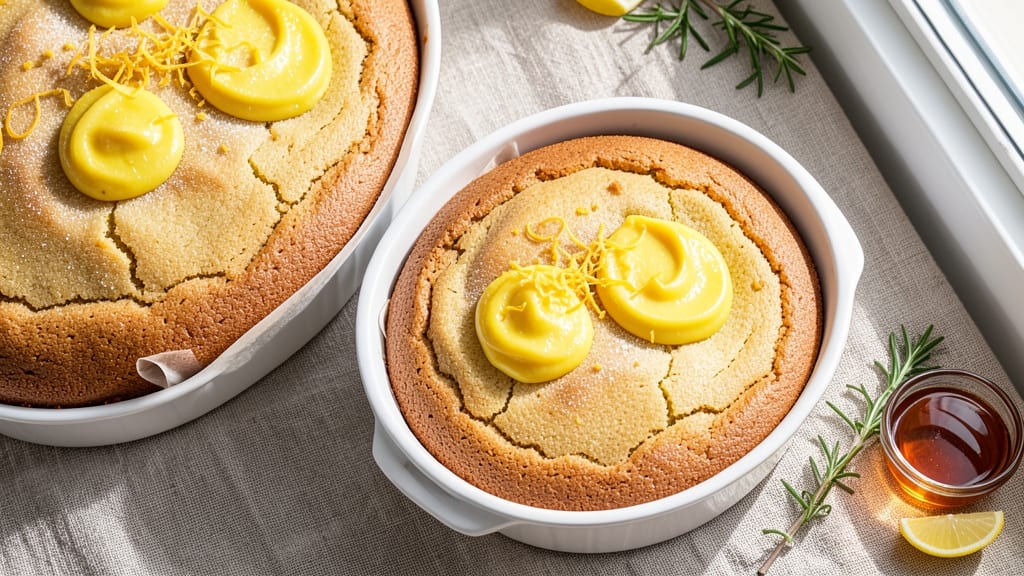
This anytime lemon cake recipe delivers bright, moist layers that stay fresh for days—perfect for breakfast, afternoon treats, or weekend gatherings. The secret lies in a simple yet effective technique that balances tangy lemon with just enough sweetness, creating a dessert that's light yet satisfying.
No one will believe it's this easy to achieve professional-quality results at home.
What makes this recipe truly versatile is its foolproof method: a tender crumb, zesty lemon filling, and a smooth cream cheese frosting that ties everything together. The cake itself comes together in one bowl, reducing cleanup while ensuring maximum flavor.
Each layer stays moist for at least 5 days when stored properly, making it ideal for meal prep or last-minute celebrations.
By the time you slice into this cake, you'll be rewarded with a burst of citrusy freshness that cuts through rich frosting perfectly. The texture is light and fluffy, with just the right amount of crumb, while the lemon filling adds a tangy contrast that keeps every bite interesting.
This is the kind of dessert that feels special without requiring hours in the kitchen.
Whether you're serving it with tea for an afternoon pick-me-up or as a showstopper dessert, this lemon cake delivers restaurant-quality results with minimal effort. The recipe scales easily too—doubling it for parties or halving it for small gatherings ensures you always have the perfect amount. Let's get started!
Ingredients for anytime lemon cake
Bright citrus and tender layers combine for a dessert that feels special yet effortless.
| Ingredient | Amount | Notes |
|---|---|---|
| All-Purpose Flour 🌾 | 2 ½ cups | Sifted for light texture |
| Granulated Sugar 🍚 | 1 ½ cups | White or light brown |
| Unsalted Butter 🧈 | 1 cup | Cold, cubed for creaming |
| Large Eggs 🥚 | 4 whole | Room temperature preferred |
| Fresh Lemon Juice 🍋 | ¾ cup | From 4-5 lemons, strained |
| Lemon Zest 🍋 | ¼ cup | Fine, from 3-4 lemons |
| Baking Powder 🧂 | 2 tbsp | Diamond Crystal preferred |
| Salt 🧂 | ½ tsp | Fine sea salt |
| Heavy Cream 🥛 | 1 cup | Cold for frosting |
| Cream Cheese 🧀 | 8 oz | Room temperature, full-fat |
| Powdered Sugar 🍚 | 3 cups | Sifted for smooth frosting |
| Vanilla Extract 🌿 | 1 tbsp | Pure, high-quality |
The flour and sugar form the foundation—King Arthur or Gold Medal brands yield the lightest crumb. Fresh lemons (not bottled juice) deliver that signature tang; seek out Eureka lemons at specialty markets for maximum zest. Butter should be cold when creamed to develop flaky layers, and European-style butter like Plugrá adds extra richness. The baking powder matters too—Diamond Crystal has more lift than double-acting brands, so measure carefully. For the lemon juice, strain through a fine-mesh sieve to avoid gritty texture.
No fresh lemons? Bottled lemon juice works in a pinch, but add 1 extra tbsp of zest to compensate for lost brightness. Substituting brown sugar for white? Reduce the flour by 2 tbsp to maintain moisture balance. Cream cheese frosting too sweet? Add 1 tbsp extra lemon juice to cut richness. For a vegan adaptation, replace butter with 1 cup coconut oil (solid) and eggs with 4 tbsp flaxseed meal + 10 tbsp water (let sit 5 minutes). The zest can be microwaved 20 seconds to soften if needed for easier grating.
Store layers separated by parchment in an airtight container for 5 days—this preserves moisture. The frosting keeps 3 days covered in the fridge; rewhip before serving. For make-ahead prep, bake layers 1 day ahead, frost 2 days ahead, and store at room temperature. Freeze unfrosted layers for 3 months—thaw overnight before assembling. Room-temperature cream cheese whips best; microwave 10 seconds if stubbornly cold. Double the recipe for parties—just scale all ingredients proportionally.
Why You'll Love This Recipe
- No Mixer Needed: I swear by this recipe when my mixer’s out of commission—just cream the butter and sugar by hand (no one’s judging). The eggs and lemon juice fold in like butter (literally), and the batter’s so light you’ll wonder why you ever made cake from scratch any other way.
- Bright Without Effort: That lemon juice? It’s the star—tangy enough to wake up your taste buds, but balanced by the buttery richness. Honestly, the first bite makes me forget it’s just flour, sugar, and eggs holding it together.
- Weekday or Celebration: Slice it warm with a drizzle of honey for a lazy afternoon, or stack it with whipped cream for a birthday dessert that’ll fool everyone into thinking you slaved over it. Between us, I’ve served it at both—no one cares how little effort it took.
- Leftovers? Better: This cake actually improves the next day—moist, not dry, because the butter keeps it tender. I’ll be real: I’ve eaten three slices in a row, and my wallet hasn’t complained about the ingredient list either.
Step-by-step instructions for anytime lemon cake
Here's how to create a perfectly balanced lemon cake with tender layers and velvety frosting.
Prepare the Lemon Cake Batter
Preheat your oven to 350°F and grease two 9-inch round cake pans, then line the bottoms with parchment paper. In a medium bowl, whisk together the 2.5 cups all-purpose flour, 2 tbsp baking powder, and 0.5 tsp salt. Sift this dry mixture into a large mixing bowl to aerate it—this prevents dense cake layers.
In a separate large bowl, beat the 1 cup cold cubed unsalted butter and 1.5 cups granulated sugar on medium speed with a mixer until light and fluffy, about 3-4 minutes. This creaming process incorporates air, which creates a tender crumb. Add the 4 whole large eggs, one at a time, mixing well after each addition until fully incorporated.
Gradually add the dry ingredients to the butter mixture, alternating with the 0.75 cup fresh lemon juice. Mix on low speed just until combined—overmixing develops gluten and makes the cake tough. Fold in the 0.25 cup lemon zest and 1 tbsp vanilla extract until evenly distributed. The batter should be bright yellow with visible streaks of zest.
Bake the Cake Layers
Divide the batter evenly between the prepared cake pans, smoothing the tops with a spatula. Bake for 25-30 minutes or until a toothpick inserted into the center comes out clean. Rotate the pans halfway through baking for even browning. The cakes should be golden on top but not overbrown—this ensures they stay moist.
Let the cakes cool in their pans for 10 minutes, then transfer them to a wire rack to cool completely. This gradual cooling prevents cracking. While they cool, prepare the frosting to save time.
Make the Lemon Cream Cheese Frosting
In a medium bowl, beat the 8 oz room temperature cream cheese and 1 cup cold heavy cream with a mixer on medium speed until smooth and creamy, about 2-3 minutes. Add the 3 cups powdered sugar and mix until fully incorporated. Scrape down the sides of the bowl as needed to ensure even mixing.
Increase the mixer speed to high and beat for another 1-2 minutes until the frosting is light and fluffy. Add the 0.75 cup fresh lemon juice and 0.25 cup lemon zest (reserve some zest for garnish), mixing until fully combined. The frosting should be bright yellow and smooth—this ensures a vibrant finish.
Assemble and Frost the Cake
Place one cake layer on a serving plate and spread a thin layer of frosting on top to seal in moisture. Add the second cake layer and frost the top and sides of the cake with the remaining frosting, using a spatula to create smooth, even swipes. For a professional finish, chill the cake in the refrigerator for 30 minutes before serving.
This chilling step helps the frosting set and makes slicing easier. Garnish with additional lemon zest or thin lemon slices for a fresh, elegant touch. The cake stays moist for up to 5 days when stored properly, making it perfect for any occasion.
Pro Tips For Making Anytime Lemon Cake
- Cream Butter Properly: Use a wooden spoon or your fingers to work the butter and sugar until it’s light and fluffy—not just smooth. I learned this the hard way: rushing with an electric mixer leaves tiny air pockets that collapse, making the cake dense. Take the extra 2 minutes; it’s worth it.
- Measure Flour Right: Spoon flour into the measuring cup, then level it with a knife—don’t scoop directly from the bag. Packed flour adds too much structure, and your cake will turn out dry. I used to skip this, and the texture suffered every time.
- Avoid Overmixing Batter: Mix just until combined—no streaks of flour, but stop before the batter looks homogeneous. Overmixing develops gluten, and your lemon cake will turn out tough instead of tender. Trust the recipe; it’s not trying to trick you.
- Use Room-Temp Eggs: Cold eggs won’t blend smoothly with the butter mixture, and you’ll end up with lumps. Let them sit in warm water for 5 minutes if you’re in a hurry, but 30 minutes at room temp is ideal. Your future self will thank you.
Make-ahead tips for this anytime lemon cake
Pre-Bake Prep
Bake the cake layers one day ahead of serving—they develop deeper flavor overnight while staying perfectly moist. Cool completely, then wrap each layer tightly in plastic wrap and store in an airtight container at room temperature.
This head start lets you assemble and frost just before serving, ensuring the frosting stays fresh and fluffy. 💫
Frosting Timeline
Make the frosting two days ahead and store it in the fridge in an airtight container. When ready to assemble, let it sit at room temperature for 30-45 minutes before whipping again—this restores its light texture.
The lemon juice in the frosting keeps it from becoming grainy, so it reheats beautifully without losing its bright flavor.
Freezer-Friendly Layers
Unfrosted cake layers freeze perfectly for up to 3 months. Wrap each layer individually in plastic wrap, then place them in a freezer bag with all air removed. Thaw overnight in the fridge before assembling. The frosting should be made fresh after thawing to maintain its smooth consistency.
Portion Control
For meal prep, slice the fully assembled cake into individual portions and store them in small airtight containers. Each serving stays fresh for 3 days in the fridge—ideal for grab-and-go breakfasts or after-work treats.
The cream cheese frosting adds a touch of indulgence without making the cake too heavy for daytime snacking.
Garnish Prep Ahead
Zest extra lemons and store in the freezer for up to 2 weeks—this preserves their bright flavor for garnishing. Thin lemon slices can also be frozen between parchment paper, then thawed before serving.
A sprinkle of zest or a few lemon slices on top keeps the cake looking fresh even after days of storage.
Serving Flexibility
This cake works for any occasion—slice it into squares for breakfast pastries, serve thick wedges for brunch, or cut into triangles for elegant desserts. The frosting's tangy-sweet balance makes it versatile enough for morning coffee or evening celebrations. Just adjust portion sizes based on your needs!
Nutrition facts
Frequently asked questions
Can I use bottled lemon juice instead of fresh?
You can substitute bottled lemon juice, but fresh is ideal for maximum brightness. If using bottled, add an extra 1 tbsp of lemon zest to compensate for lost flavor. Avoid brands with added water or preservatives—they dilute the tangy punch this cake needs.
How do I prevent my lemon cake from tasting too sour?
Balance the acidity by adjusting the sugar ratio slightly. If your lemons are very tart, reduce the granulated sugar by 1 tbsp and add 1 tbsp extra powdered sugar to the frosting. Always taste the batter before baking—it should be pleasantly sweet, not cloying.
Can I make this cake gluten-free?
Yes! Replace the all-purpose flour with a 1:1 gluten-free baking flour blend (like Bob's Red Mill) plus an extra 1 tsp xanthan gum. Reduce baking powder to 1.5 tbsp and increase lemon zest by 0.5 tbsp to enhance flavor. The texture will be slightly denser but still delicious.
Why did my cake turn out dense?
Overmixing the batter or using warm butter are common culprits. Always cream butter and sugar until light and fluffy (3-4 minutes), and fold dry ingredients just until combined. Also ensure your oven is fully preheated—cold spots cause uneven baking that leads to density.
How can I make this cake more moist for days?
Store layers separately in an airtight container with parchment between them. The frosting should be added only before serving. For extra moisture, brush warm cake layers with 2 tbsp lemon syrup (equal parts sugar and water, heated) before assembling.