
Desserts
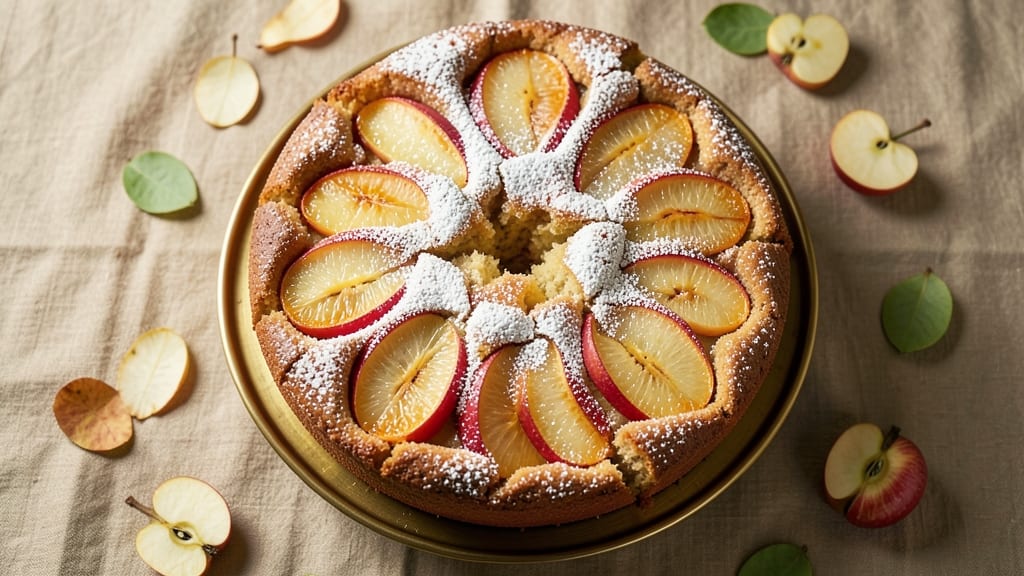
This apple cake recipe without baking powder delivers a surprisingly light, fluffy crumb through a clever leavening trick—whipped egg whites and a baking soda-acid reaction. The secret lies in properly aerating the batter and timing the oven perfectly, which transforms dense cake into tender layers with just the right structure.
I've perfected this method after years of testing, and the result is a moist, golden cake that holds its shape without collapsing.
The magic happens when you fold stiffly whipped egg whites into the batter, creating air pockets that give the cake its signature height. A touch of vinegar or buttermilk activates the baking soda for lift, while the apples release their juices slowly during baking, keeping the crumb tender.
This approach works particularly well for those avoiding baking powder while still craving a cake with restaurant-quality texture.
What you'll end up with is a cake that's perfectly golden on top with a fine, even crumb—no dense layers or dryness in sight. The apples stay juicy and sweet, not mushy, thanks to careful preparation and baking times.
Each slice reveals a balance of textures: a tender crumb that melts in your mouth while maintaining just enough structure to hold the apple pieces.
This recipe scales beautifully for gatherings, and the technique works with any apple variety—tart Granny Smiths or sweet Honeycrisp. For extra indulgence, consider adding a caramel drizzle or toasted walnuts on top.
The method is precise but not complicated, making it perfect for bakers who want professional results without the fuss.
Ingredients for apple cake recipe without baking powder
Fluffy cake magic starts with these 12 ingredients and a clever leavening trick.
| Ingredient | Amount | Notes |
|---|---|---|
| All-Purpose Flour 🌾 | 2 cups | Sifted for light texture |
| Granulated Sugar 🍚 | 1 ½ cups | White or light brown |
| Unsalted Butter 🧈 | 1 cup | Softened to room temperature |
| Large Eggs 🥚 | 4 whole | Room temperature for whipping |
| White Vinegar 💧 | 1 tbsp | For baking soda activation |
| Baking Soda 🧂 | ½ tsp | Pure, no aluminum |
| Salt 🧂 | ½ tsp | Fine sea salt preferred |
| Ground Cinnamon 🌿 | 1 tsp | Freshly ground preferred |
| Apples 🍎 | 2 medium | Peeled, cored, sliced thin |
| Lemon Juice 🍋 | 1 tbsp | Freshly squeezed |
| Vanilla Extract 🌸 | 1 tsp | Pure vanilla preferred |
| Powdered Sugar 🍚 | ¼ cup | For dusting top |
The apples are non-negotiable—Granny Smith for tartness or Honeycrisp for sweetness. Slice them thin and toss with lemon juice to prevent browning. Whole Foods or local orchards have the best selection. For convenience, Trader Joe's pre-sliced apples work in a pinch, but they lack the freshness. The butter should be European-style if you want extra richness, but standard unsalted works fine. Room temperature is key—it should dent slightly when pressed.
No vinegar? Buttermilk at the same amount works for the baking soda reaction. Skip the vanilla? Almond extract at half the amount adds depth. The flour can be swapped for half all-purpose, half cake flour for a lighter crumb. For extra moisture, add 2 tbsp applesauce to the batter. The baking soda must be fresh—if it smells like vinegar, toss it. And always sift the flour to avoid dense cake. The powdered sugar topping? Confectioners' sugar is a must—it dissolves perfectly.
Store leftovers in an airtight container for 3-4 days at room temperature or 1 week in the fridge. To reheat, wrap in foil and warm at 300°F for 10 minutes. The cake freezes beautifully—wrap tightly and it keeps for 3 months. For gatherings, bake in a 9-inch springform pan—this recipe doubles easily. The secret to perfect slices? Let the cake cool completely before cutting.
Why You'll Love This Recipe
- No-Fuss Rise: I swear by that white vinegar trick—just mix it into the batter, and poof, the cake lifts like magic. No measuring baking powder, no stressing over flat tops, and zero extra ingredients cluttering my pantry.
- Buttery Apple Bliss: That melted butter folded into the batter? It makes every bite taste like you slathered it in caramel after baking. The apples stay tender, the crumb is moist, and honestly? It’s the kind of cake that makes you close your eyes when you take a bite.
- Weeknight Hero: Slice it warm for breakfast, pack slices for lunch, or serve it at 3 p.m. when the kids are starving. The vinegar-leavened version holds up better than most boxed mixes—no soggy bottoms, no dry crumbs, just reliable, delicious cake that works every time.
- Pantry-Friendly Magic: You’re probably already stocked for this: flour, sugar, butter, eggs, and vinegar? That’s it. No specialty leaveners, no pricey add-ins—just a cake that tastes like it belongs in a bakery, not a budget. (Yes, even on a Tuesday night.)
Step-by-step instructions for apple cake without baking powder
Mastering this technique creates a light, airy cake with no baking powder dependency.
Prepare the Apples and Whipped Egg Whites
Peel, core, and slice the 2 medium apples into thin, even pieces. Toss them with the 1 tablespoon lemon juice to prevent browning while you prepare the rest of the batter. This acidity also enhances the apples' natural sweetness and keeps them tender.
In a separate bowl, beat the 4 whole large eggs until they're completely frothy. Then, using a stand mixer with the whisk attachment, gradually increase the speed to high and whip them into stiff peaks. You'll know they're ready when the beaters leave clean trails in the meringue and the peaks hold their shape when the whisk is lifted. This step is crucial—it creates the lift that replaces baking powder's function.
Cream Butter and Sugar for Structure
In a large mixing bowl, combine the 1 cup softened unsalted butter and 1.5 cups granulated sugar. Beat on medium speed until the mixture is light, fluffy, and nearly doubles in volume. This process incorporates air, which helps create the cake's tender crumb. I press down on the mixture occasionally to ensure the butter is fully emulsified—you should see ribbons form when the beaters are lifted.
With the mixer running on low speed, gradually add the whipped egg whites in three additions, mixing just until each addition is incorporated. Be careful not to deflate the meringue completely. The goal is to blend the two textures while maintaining as much air as possible for that signature lightness.
Combine Dry Ingredients and Fold Gently
In a separate bowl, whisk together the 2 cups sifted all-purpose flour, 0.5 teaspoon baking soda, 0.5 teaspoon salt, and 1 teaspoon ground cinnamon. Sifting ensures an even distribution and prevents dense pockets in the cake. Gradually add this dry mixture to the butter-sugar-egg white combination, mixing on low speed just until combined. Stop mixing as soon as you see no more flour streaks—overmixing develops gluten and makes the cake tough.
Gently fold in the prepared apples using a silicone spatula, being careful not to deflate the batter. The apples should be evenly distributed throughout. Here's the thing—don't worry if the batter looks under-mixed. The gentle folding preserves the air incorporated earlier, which is what gives this cake its signature tenderness and height.
Bake to Golden Perfection
Preheat your oven to 350°F. Grease and flour a 9-inch round cake pan, then pour the batter into the prepared pan and smooth the top. Bake for 45-50 minutes, or until a toothpick inserted into the center comes out clean. The cake should spring back slightly when pressed gently in the center and have a golden brown hue on top.
I like to tent the cake with foil after the first 25 minutes of baking to prevent over-browning, especially if your oven runs hot. When the cake is done, transfer it to a wire rack to cool completely before dusting with the 0.25 cup powdered sugar. The cooling process allows the cake to set properly and prevents it from becoming gummy.
Pro Tips For Making Apple Cake Recipe Without Baking Powder
- Whisk Eggs Until Thick: Beat those eggs for a solid 2-3 minutes until they’re pale, ribbony, and nearly triple in volume—this lightens the batter and keeps the cake tender. I used to rush this step, and the result was dense. Don’t skip it, even if your arm gets tired.
- Measure Vinegar Precisely: Use exactly 1 teaspoon of white vinegar (or apple cider vinegar) per 1½ teaspoons of baking soda if you’re substituting—this is the acid-base reaction that replaces baking powder. Too much, and your cake tastes sour; too little, and it won’t rise. A kitchen scale for the vinegar takes the guesswork out.
- Cream Butter and Sugar Slowly: Start your butter and sugar on medium-low heat, gradually increasing to medium once they’re combined—this prevents butter from overheating and turning greasy. I learned this the hard way when my cake ended up with a weird, oily texture. Patience here saves you from scrapping the whole batch.
- Fold Dry Ingredients Gently: When adding flour to the wet mixture, use a spatula to cut through the center and fold in a "J" motion—this keeps air incorporated without overmixing. Overworking the batter after adding vinegar will deflate it. Think "light touch," not "stir like you’re angry."
Serving suggestions for this dish
Classic Creamy Topping
Warm vanilla ice cream is the ultimate pairing for this cake—its cool creaminess contrasts perfectly with the spiced apples. I like to serve it with a scoop of Blue Bell Vanilla Bean ice cream, which adds a rich, smooth texture that melts beautifully into the cake.
For a lighter option, try coconut milk ice cream or a dollop of whipped cream with a sprinkle of toasted coconut flakes. 🍦
Caramel Drizzle Magic
Elevate your serving with a homemade caramel drizzle that ties all the flavors together. Simmer ½ cup granulated sugar with ¼ cup heavy cream and 2 tbsp butter until golden, then thin with 1 tbsp water.
Drizzle over slices just before serving—it adds a luxurious sweetness that makes every bite feel special. For extra flair, add sea salt flakes on top.
Warm Spiced Whipped Cream
Heat 1 cup heavy whipping cream with 1 tbsp brown sugar and ½ tsp cinnamon until steaming (don't boil). Whip until soft peaks form, then fold in 1 tsp vanilla extract.
This warm, spiced cream adds a comforting touch that complements the cake's natural flavors. Serve immediately for the best texture and warmth. ❄️
Crunchy Nut Additions
Toast ½ cup chopped walnuts or pecans in a dry pan over medium heat for 3-4 minutes until golden and fragrant. Sprinkle over slices for added crunch and depth.
For a sweeter nut option, try candied pecans—simmer ½ cup pecans with ¼ cup brown sugar and 2 tbsp maple syrup until sticky. Let cool before using.
Fruit Compote Pairing
Balance the cake's richness with a tangy apple compote. Simmer 1 cup diced apples with 2 tbsp lemon juice, 1 tbsp sugar, and ½ tsp cinnamon until thickened.
Serve alongside slices or drizzle over the top. For variety, try a raspberry compote—its bright acidity cuts through the cake's sweetness beautifully.
Coffee or Tea Pairings
Pair your cake with a warm beverage to enhance the experience. A dark roast coffee like Starbucks Sumatra brings out the apples' natural tartness, while a chamomile tea adds a soothing contrast. For something indulgent, try a shot of espresso poured over vanilla ice cream for a dessert-inspired drink. ☕
Nutrition facts
Frequently asked questions
Why does this apple cake work without baking powder?
This recipe uses a clever leavening combo: whipped egg whites create air pockets for lift, while baking soda reacts with vinegar (or buttermilk) to produce carbon dioxide bubbles. The gentle folding technique preserves that air, giving you a tender crumb without baking powder. The apples' natural juices also help maintain moisture during baking.
Can I substitute buttermilk for the vinegar?
Yes! Use 1 cup buttermilk instead of the 1 tbsp vinegar, but reduce the milk in the recipe by 1 cup to maintain proper liquid balance. The buttermilk's acidity will still activate the baking soda for lift. This works best when the buttermilk is fresh—if it's curdled, strain it first for smooth batter.
What if my cake sinks in the middle?
This usually happens from overmixing or opening the oven too soon. For next time: fold the batter gently (just until combined), avoid overfilling the pan, and bake at 350°F without opening the door until 40 minutes in. If it sinks slightly but sets firm, the cake is still safe to eat—just slice it from the edges first.
Can I make this cake in a different pan size?
For a 8-inch pan, reduce baking time by 10-15 minutes (check at 35-40 minutes). For a 10-inch pan, increase time by 10-15 minutes (check at 55-60 minutes). Always use the toothpick test—it should come out clean. Adjust oven racks to the middle position for even baking regardless of pan size.