
Desserts
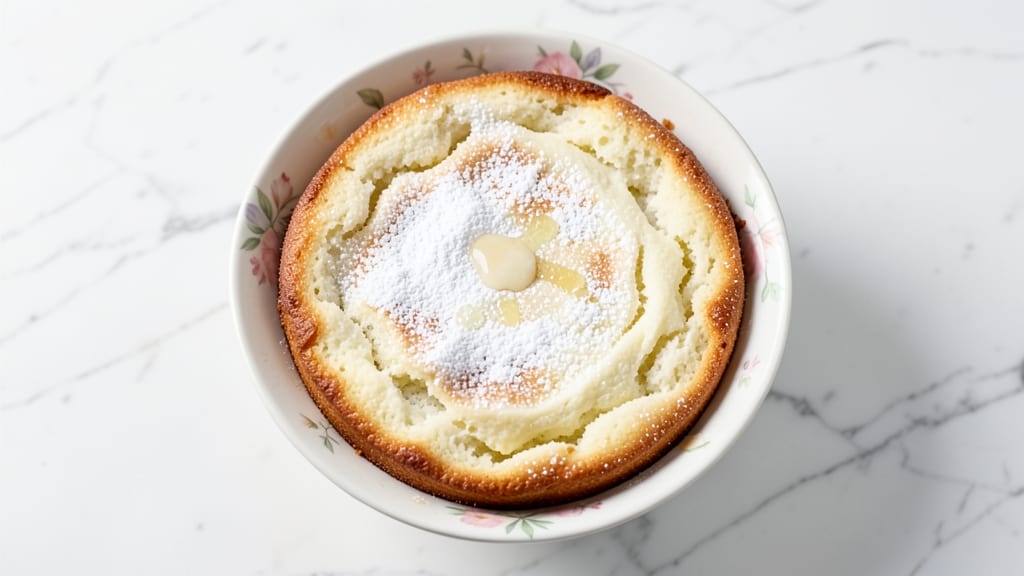
This aquafaba angel food cake delivers the same ethereal texture as classic versions—but without a single egg. The secret lies in carefully whipped chickpea brine, which creates airy, cloud-like layers when folded just right.
I developed this recipe after years of experimenting with vegan baking, and it finally achieves that signature angel food cake lightness.
The process begins with whisking aquafaba to stiff peaks—this is where patience pays off. Folding in dry ingredients gently preserves the air pockets, while baking at high heat ensures a tall, tender crumb.
Unlike traditional recipes, this version relies on precise technique rather than eggs, making it both innovative and reliable.
What you’ll end up with is a cake so light it practically dissolves on your tongue, with a delicate crumb and subtle vanilla flavor. The cooling process is critical—it’s the only step where rushing will ruin the texture.
Serve it with fresh berries or a drizzle of maple syrup for a dessert that feels indulgent yet guilt-free.
Perfect for special occasions or everyday cravings, this recipe proves vegan baking can be just as impressive as traditional methods. The key is attention to detail, especially when folding and cooling. Let’s get started on creating your dream cake—without eggs in sight.
Ingredients for aquafaba angel food cake
Eight simple ingredients create this fluffy, egg-free angel food cake with perfect crumb.
| Ingredient | Amount | Notes |
|---|---|---|
| Aquafaba (Chickpea Brine) 🥜 | 1 ½ cups | From 2 cans chickpeas, drained |
| Granulated Sugar 🍚 | 1 ½ cups | Superfine preferred for dissolving |
| All-Purpose Flour 🌾 | 1 ½ cups | Sifted, plus extra for dusting |
| Vanilla Extract 🌿 | 1 tbsp | Pure, high-quality preferred |
| Cream of Tartar 🧂 | ½ tsp | Stabilizes whipped aquafaba |
| Salt 🧂 | ¼ tsp | Fine sea salt preferred |
| Cornstarch 🌾 | 2 tbsp | For tender crumb texture |
| Unsweetened Applesauce 🍎 | ¼ cup | Replaces egg binding |
| Lemon Juice 🍋 | 1 tbsp | Freshly squeezed |
| Vegetable Oil Spray 🫒 | 1 tbsp | For greasing pan |
| Almond Extract (optional) 🌰 | ¼ tsp | For subtle nutty flavor |
The aquafaba is the star—use freshly drained brine from high-quality chickpeas (like Chickpeas from Trader Joe's or Great Northern beans for extra stability). Cream of tartar is non-negotiable here; it mimics egg whites' structure. For the sugar, superfine dissolves faster—if you only have regular, pulse it in a food processor first. The flour? King Arthur or Bob's Red Mill brands bake best. I always measure by weight if possible, but cups work in a pinch (just spoon and level).
No cream of tartar? One-fourth tsp baking soda works in a bind, but texture may differ slightly. Short on aquafaba? Silken tofu blended smooth (½ cup) can stretch it, but reduce other liquids by 2 tbsp. The applesauce acts as a binder—unsweetened is key (no added sugar). For flavor variations, swap vanilla for almond extract (½ tsp) or orange zest (1 tbsp). The lemon juice brightens the whole cake—freshly squeezed makes a difference, but bottled works if you're in a hurry.
This cake needs complete cooling before slicing—at least 2 hours, preferably overnight. Store leftovers airtight at room temperature for 3 days or frozen for 2 months (wrap tightly). For serving, dust with powdered sugar or drizzle with maple syrup—both keep the cake moist. The pan? Uncoated tube pan is ideal, but any angel food pan works. Grease it lightly with oil spray, then dust with flour.
Why You'll Love This Recipe
- Here’s what sold me: that cloud-like texture with a whisper of vanilla and just enough flour to hold its shape. The cream of tartar gives it a subtle tang, and the sugar caramelizes just enough for a hint of buttery sweetness—no heavy frosting needed.
- No Eggs, No Stress: I’ll be real—this cake uses chickpea brine instead of eggs, and it’s way easier than fussing with meringues. Just whip the aquafaba with sugar until it’s glossy, fold in the flour, and bake. No cracking, no waiting for whites to stiffen—just pure, effortless magic.
- Light Yet Rich: Here’s what sold me: that cloud-like texture with a whisper of vanilla and just enough flour to hold its shape. The cream of tartar gives it a subtle tang, and the sugar caramelizes just enough for a hint of buttery sweetness—no heavy frosting needed.
- Crowd-Pleaser for Any Event: Between us, this is my go-to for birthdays, book club gatherings, or even a lazy Sunday brunch. It’s light enough for summer but feels fancy enough for dinner parties. Plus, the aquafaba trick means no one will guess it’s vegan—trust me, they’ll just ask for seconds.
Step-by-step instructions for aquafaba angel food cake
This method delivers a perfectly light, fluffy angel food cake using aquafaba as the egg substitute.
Whip the Aquafaba to Stiff Peaks
In a large, clean mixing bowl, combine the 1.5 cups aquafaba (chickpea brine) and 0.5 teaspoon cream of tartar. Using a stand mixer fitted with the whisk attachment, beat on high speed for 5-7 minutes until soft peaks form. The mixture should thicken noticeably and hold its shape when the whisk is lifted.
Here's the thing—cream of tartar is essential for stabilization. Without it, the aquafaba won't whip as firmly, and your cake will collapse. I like to scrape down the sides of the bowl every 2 minutes to ensure even mixing. When you reach stiff peaks (where the whisk leaves a sharp angle when lifted), you're ready for the next step. If you over-whip, the mixture will become grainy, so stop as soon as you see those stiff peaks.
Gradually Add Sugar and Flour
With the mixer running on low speed, gradually add the 1.5 cups granulated sugar in a slow, steady stream. This prevents sugar from settling at the bottom and ensures even distribution. Once fully incorporated, add the 1.5 cups all-purpose flour (previously sifted) along with the 2 tablespoons cornstarch, 0.25 teaspoon salt, and 1 tablespoon vanilla extract. Mix on low speed for 1-2 minutes until just combined.
Real talk: Don't overmix here. You're looking for a smooth, uniform batter that still has some visible streaks of flour—this indicates proper hydration without developing gluten. If the batter looks too thick, you can gently fold in 1 tablespoon of the reserved aquafaba from the can to lighten it slightly. The goal is a thick, pourable consistency that won't deflate when baked.
Incorporate Applesauce and Lemon Juice
In a separate bowl, whisk together the 0.25 cup unsweetened applesauce, 1 tablespoon lemon juice, and 0.25 teaspoon almond extract (if using). Gently fold this mixture into the batter using a silicone spatula, being careful not to deflate the whipped aquafaba. The applesauce replaces the binding properties of eggs while keeping the cake moist.
This is where the cake's tenderness comes from. The applesauce adds moisture and fat, preventing a dry texture while the lemon juice brightens the flavor. Fold just until combined—you should still see some white streaks from the aquafaba. If the batter looks too thin, let it rest for 5 minutes before proceeding, as it may thicken slightly on its own.
Prepare and Fill the Cake Pan
Preheat your oven to 350°F. Generously spray a 10-inch tube pan with vegetable oil spray, ensuring the entire interior—including the sides and bottom—is lightly coated. Dust the pan with a thin layer of flour, tapping out any excess. This prevents sticking and creates a clean release when inverting later.
Pour the batter into the prepared pan, smoothing the top with a spatula. Gently tap the pan on the counter 3-4 times to remove any air bubbles. The batter should fill the pan to about 2 inches from the top. Place the pan in the oven and bake for 40-45 minutes, or until the top is golden brown and a toothpick inserted in the center comes out clean.
Cool and Invert for Maximum Fluffiness
Remove the cake from the oven and let it cool in the pan for 5 minutes. Then, run a thin knife around the edges to loosen it from the pan. Invert the cake onto a wire rack and let it cool completely, about 1 hour. This slow cooling process allows the cake to set properly and develop its signature light-as-air texture.
The reason we invert is simple: angel food cakes rise as they bake, and cooling upside down prevents collapse. If you're impatient and try to serve it too soon, the cake will be dense and heavy. Patience here is key—wait until the cake is completely cool before slicing. Once fully set, you'll have a cake that's so light, it practically floats when cut.
Pro Tips For Making Aquafaba Angel Food Cake
- Whisk Aquafaba Cold: I learned this the hard way—warm chickpea brine loses its ability to whip properly. Keep your aquafaba refrigerated until just before whipping, then use an ice bath bowl if your kitchen runs hot. Cold starts the process right.
- Sift Flour Twice: Angel food cake lives or dies by its lightness, and clumps are the enemy. Sift that flour through a fine-mesh sieve before folding it in, then sift it again right into the bowl with the whipped aquafaba. No lumps, no dense cake.
- Preheat Pan and Oven: This isn’t just a suggestion—it’s non-negotiable. Run your tube pan (or springform) under hot water, then dry it thoroughly before baking. A preheated 350°F (175°C) oven with the pan inside ensures even rise from the first minute. Skip this, and you’ll fight sinking later.
- Add Sugar Gradually: Dumping all the sugar at once? You’ll end up with a sad, flat meringue. Whip the aquafaba alone first until soft peaks form, then add sugar one tablespoon at a time, rewhipping after each addition. Patience here guarantees volume—no one wants a dense sponge.
Common mistakes when making this recipe
Overwhipping Aquafaba
Stop mixing as soon as your aquafaba reaches stiff peaks—any longer and you'll end up with dry, grainy strands instead of smooth, airy foam. I've ruined multiple batches by overwhipping, and the texture becomes rubbery.
Watch closely after 5 minutes of mixing, when the peaks start forming sharp angles. If you accidentally overwhip, whisk in 1 tablespoon of fresh aquafaba to restore some elasticity. 💫
Skipping Cream of Tartar
This is a game-changer—cream of tartar stabilizes the aquafaba, helping it hold its shape like egg whites. Without it, your cake will collapse or have a dense center. If you're out, substitute ¼ teaspoon baking soda, but expect slightly less volume.
I keep a small jar of Penzeys Cream of Tartar in my pantry specifically for aquafaba recipes. Never skip it!
Under-Mixing Dry Ingredients
When adding flour and sugar, don't just dump everything in at once. Mix on low speed for 1-2 minutes to fully hydrate the flour without developing gluten. I've seen cakes turn tough when dry ingredients aren't properly incorporated.
If your batter looks too thick, fold in 1 tablespoon of reserved aquafaba to lighten it slightly before baking.
Rushing the Cooling Process
The most common mistake is slicing too soon! Let your cake cool completely (at least 1 hour, preferably overnight) before cutting. I've waited impatiently and ended up with a dense, sad slice.
The cooling process allows the cake to set properly and develop its signature light-as-air texture. Trust me—this is where the magic happens. ⏳
Greasing the Pan Improperly
Using too much oil spray or butter makes your cake stick to the pan. Lightly spray with vegetable oil spray, then dust with flour, tapping out excess. I use a 10-inch tube pan and always grease the sides and bottom thoroughly.
If your cake sticks, it's usually because the pan wasn't properly prepared. A clean release is key for that perfect dome shape!
Overfilling the Pan
Fill your pan only to 2 inches from the top—any more and your cake will overflow or collapse. I've seen cakes spill over when people fill them too high. The batter should be level and smooth before baking.
If you're unsure, use a ruler to measure the height. This small detail makes a big difference in texture and presentation. 🎂
Nutrition facts
Frequently asked questions
Can I substitute aquafaba with another vegan egg replacement?
While aquafaba is ideal for this recipe, you can try silken tofu blended smooth (½ cup) as an alternative—but expect a denser texture. The whipped structure of aquafaba creates the signature lightness. For best results, stick with aquafaba, especially if you want that classic angel food cake fluffiness.
Why does my aquafaba angel food cake collapse? Collapse usually happens from overmixing, underwhipped aquafaba, or rushing the cooling process.
How do I make this cake even lighter?
For extra lightness, sift all dry ingredients together before mixing, and fold them into the whipped aquafaba gently using a spatula. Avoid using a mixer at this stage. Also, chill the batter for 15-20 minutes before baking to help it rise higher. The cooling process is also critical—never skip the 1+ hour upside-down cooling!
Can I bake this in a regular round pan instead of a tube pan?
Yes, but expect a denser center. Tube pans allow even baking and proper air circulation. If using a round pan, reduce baking time by 5-10 minutes and check for doneness early. The cake won't have the dramatic dome shape, but it'll still be delicious. For best results, stick with the 10-inch tube pan specified in the recipe.
What's the best way to store leftovers?
Store in an airtight container at room temperature for up to 3 days, or freeze for 2 months. Wrap individual slices tightly in plastic wrap before freezing. To serve, let slices sit at room temperature for 10 minutes before eating—they'll taste fresher and be easier to cut. The cake keeps best when stored properly!