
Desserts
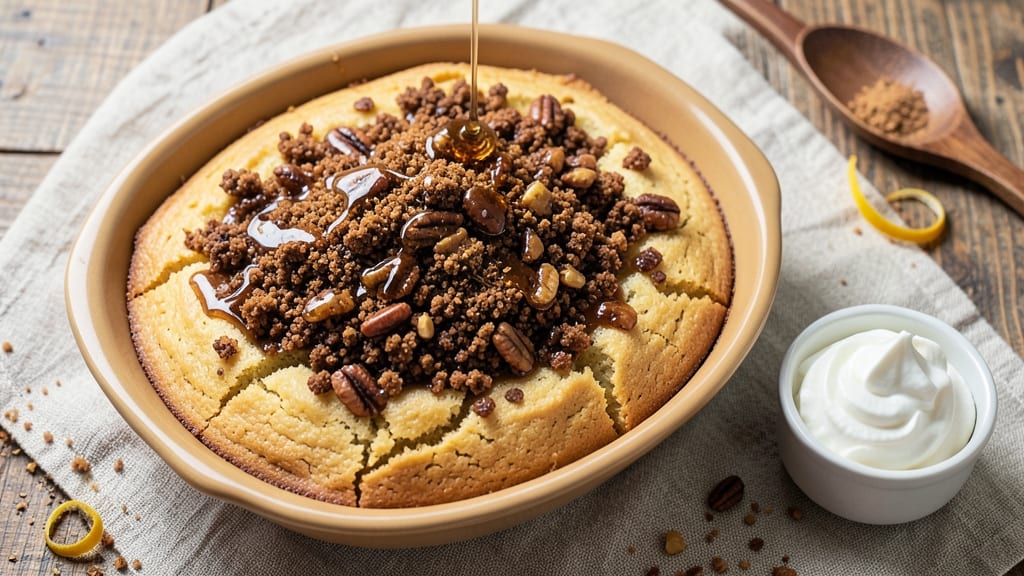
This apple cider vinegar cake recipe delivers the perfect balance of tender crumb and buttery crust—all thanks to a simple but game-changing ingredient. The vinegar creates a subtle tang that enhances the cake's moisture, while brown sugar adds deep caramel notes that linger with every bite.
What makes this recipe stand out is how effortlessly it comes together, with no special techniques required beyond basic mixing and baking.
The secret to this cake's success lies in the 350°F oven and a precise mix of ingredients: all-purpose flour, baking powder, and a touch of salt to balance the sweetness.
The wet ingredients—a blend of melted butter, brown sugar, eggs, and that all-important apple cider vinegar—create a batter that's just thick enough to hold its shape while staying impossibly tender.
Baking time is a straightforward 30-35 minutes, ensuring a golden crust and a moist interior that crumbles just enough for that perfect texture.
What you’ll end up with is a cake that’s rich, moist, and subtly tangy, with a buttery crust that’s crisp enough to hold up to a dusting of powdered sugar or a drizzle of caramel.
The vinegar doesn’t overpower—it simply elevates, adding depth to the flavor without any harsh aftertaste. This is the kind of cake that disappears quickly, whether you’re serving it at a gathering or enjoying a slice with a cup of coffee.
For extra flair, consider brushing the warm cake with a simple glaze of powdered sugar and milk, or topping it with a sprinkle of cinnamon for warmth.
The versatility of this recipe means it works just as well for a casual weekend treat as it does for a more formal dessert. Let’s get baking—this cake is worth every minute of the 35-minute process.
Ingredients for apple cider vinegar cake
Twelve simple ingredients create a cake with perfect tangy moisture and buttery crust.
| Ingredient | Amount | Notes |
|---|---|---|
| All-Purpose Flour 🌾 | 2 cups | Sifted for even texture |
| Granulated Sugar 🍚 | 1 ½ cups | White or light brown |
| Light Brown Sugar 🍚 | ½ cup | Packed for moisture |
| Unsalted Butter 🧈 | 1 cup | Melted and cooled slightly |
| Large Eggs 🥚 | 2 whole | Room temperature preferred |
| Apple Cider Vinegar 🍏 | 2 tbsp | Pure, unfiltered preferred |
| Baking Powder 🍞 | 2 tsp | Aluminum-free for best rise |
| Salt 🧂 | ½ tsp | Fine sea salt preferred |
| Vanilla Extract 🌿 | 1 tsp | Pure vanilla preferred |
| Milk 🥛 | ½ cup | Whole milk for richness |
| Powdered Sugar 🍚 | 1 cup | For glaze (optional) |
| Ground Cinnamon 🍃 | ½ tsp | For optional topping |
The apple cider vinegar is non-negotiable here—it's what creates that signature tang without overpowering. Bragg or Texas Pete are reliable brands, but any pure, unfiltered vinegar works. For the butter, Land O'Lakes or Plugrá are solid choices, but don't compromise on quality here. The brown sugar should be packed—don't scoop it. If your recipe calls for sifted flour, take the extra 30 seconds to do it; it makes a noticeable difference in texture. Eggs should be at room temperature for even baking.
No apple cider vinegar? White vinegar or lemon juice at the same amount works in a pinch, though the flavor will be slightly different. Short on milk? Heavy cream or even water will keep things moist, but whole milk gives the best texture. The vanilla extract can be omitted, but if you do, add a pinch of cinnamon for depth. For the glaze, powdered sugar plus milk is classic, but you could also use melted chocolate or caramel for a twist. The cinnamon topping is optional but adds warmth that pairs perfectly with the vinegar's tang.
This cake keeps beautifully at room temperature for 2-3 days in an airtight container, though it's best enjoyed fresh. For longer storage, wrap tightly and refrigerate for up to 1 week. The glaze sets quickly, so work fast if you're adding it. Freeze individual slices for up to 3 months—just thaw at room temperature before serving. I always make a double batch; it disappears faster than you'd think.
Why You'll Love This Recipe
- Moist Without Fuss: I swear by this trick—mixing the apple cider vinegar into the buttermilk (or milk) first before adding it to the dry ingredients. The result? A tender crumb that stays soft for days, no weird gummy texture here.
- Taste That Stays: That tangy depth from the vinegar? It’s like a grown-up version of cake—warm caramel notes from the brown sugar, but with a bright finish that cuts through the richness. Honestly, it’s the kind of flavor that makes you want to bake just for the taste.
- Breakfast or Dessert: Serve it plain with butter for a cozy morning treat, or drizzle with honey and toasted pecans for a dessert that won’t feel heavy. I’ve even used slices as a base for French toast—because why not?
- Pantry Staple Magic: You’re already using flour, sugar, and butter? Done. No specialty ingredients, no extra shopping. The vinegar’s the secret weapon, but it’s cheap and lasts forever. Leftovers? They’re my go-to for quick snacks or a last-minute guest dessert.
Step-by-step instructions for apple cider vinegar cake
This method delivers a perfectly moist crumb with a buttery crust every time.
Prepare the Dry Ingredients
In a medium bowl, whisk together the 2 cups all-purpose flour, 2 tsp baking powder, and 0.5 tsp salt. Sift the mixture through a fine-mesh sieve directly into a large mixing bowl to aerate the flour and prevent dense pockets. This step ensures even distribution of leavening agents throughout the batter.
In a separate small bowl, combine the 1.5 cups granulated sugar and 0.5 cup light brown sugar. Whisk vigorously for about 10 seconds to blend the sugars completely. The brown sugar will add subtle moisture and caramel notes to the cake, while the white sugar provides sweetness and structure.
Mix Wet Ingredients and Combine
In the bowl with the sifted dry ingredients, add the 1 cup unsalted butter (melted and cooled to 110°F). Using a wooden spoon or rubber spatula, stir until the butter is fully incorporated and the mixture resembles coarse crumbs. This creates a crumbly base that will become smooth when the eggs are added.
Add the 2 whole large eggs, 1 tsp vanilla extract, and 2 tbsp apple cider vinegar to the bowl. Mix on medium speed with an electric mixer for 2 minutes until the mixture is smooth and slightly thickened. The vinegar reacts with the baking powder to create lift, while the eggs bind everything together. If the batter looks too thick, add the 0.5 cup milk gradually, 1 tablespoon at a time, until it reaches a pudding-like consistency.
Bake the Cake to Golden Perfection
Preheat your oven to 350°F and grease an 8-inch round cake pan or line it with parchment paper. Pour the batter into the prepared pan and smooth the top with a spatula. Bake for 30-35 minutes, or until a toothpick inserted into the center comes out clean. The cake should spring back slightly when gently pressed in the center.
Here's the thing—don't overbake. The cake will continue cooking slightly as it cools, and overbaking leads to dryness. If the top browns too quickly, tent the pan with aluminum foil after 20 minutes to prevent excessive browning while ensuring the center cooks through.
Optional Glaze and Topping
While the cake is still warm, prepare the optional glaze by whisking together the 1 cup powdered sugar and 2-3 tablespoons milk until smooth. Pour the glaze over the cooled cake and let it set for 10 minutes before serving. For extra flavor, sprinkle 0.5 tsp ground cinnamon evenly over the glaze while it's still wet.
This glaze adds a sweet contrast to the tangy cake and makes it look stunning. If you prefer a simpler finish, skip the glaze and dust the cake with powdered sugar instead. Either way, the cake's moisture will shine through, delivering on that promised tender crumb.
Pro Tips For Making Apple Cider Vinegar Cake
- Whisk Butter First: Melt the unsalted butter until it’s just liquid—no bubbles, no browning—then let it cool to room temperature before mixing. I learned this the hard way: hot butter makes the batter too loose, and the cake turns out dense instead of tender. Give it 10 minutes if you’re impatient, but don’t skip it.
- Measure Vinegar Precisely: Apple cider vinegar is acidic, and too much throws off the balance. Use a kitchen scale or a measuring spoon—don’t eyeball it. I used to add "a splash" and ended up with a cake that tasted sharp instead of tangy. Stick to the recipe’s amount unless you’re experimenting.
- Don’t Overmix the Batter: Once you fold in the flour, stop mixing the second everything is just combined. Overworking it develops gluten, and your cake will turn out tough instead of light. I used to beat it like I was punishing the batter, and the texture suffered. Two turns with a spatula is all you need.
- Check Doneness with a Thermometer: The cake’s done when the center reads 205–210°F (96–99°C)—not when it looks set. I’ve pulled cakes too soon because they seemed "baked," only to have them collapse later. A toothpick test is fine, but a thermometer is foolproof.
Make-ahead tips for leftovers
Prep Ahead
Mix the dry ingredients and measure the wet components the night before—store them in separate airtight containers. This saves 15 minutes of prep time the next day.
I always keep the butter and eggs at room temperature overnight in a warm spot (like the oven with the light on) to ensure they blend smoothly. The vinegar can be measured directly from the bottle into a small jar with a lid. 💡
Batter Storage
For a 24-hour head start, combine all wet ingredients (butter, sugars, eggs, vinegar, vanilla, and milk) in a bowl, cover with plastic wrap pressed directly on the surface, and refrigerate.
When ready to bake, whisk in the dry ingredients just before pouring into the pan. This keeps everything fresh and prevents the batter from drying out.
Baked Cake Make-Ahead
This cake stays moist for 2-3 days at room temperature wrapped in plastic. For longer storage, refrigerate for up to 1 week—just bring it to room temperature before serving. I like to freeze individual slices wrapped in plastic wrap and aluminum foil for up to 3 months.
Thaw overnight in the fridge or at room temperature for 2 hours.
Glaze Prep
Make the powdered sugar glaze a day ahead and store it in a small airtight container. Add 1 tsp milk to thin it slightly if it thickens overnight. For a caramel drizzle, prepare it in advance and store in the fridge—just reheat gently before using.
The cinnamon topping can be mixed in a small jar and sprinkled fresh when ready to serve. ✨
Portioning for Events
Cut the cake into 12 equal wedges while still warm and store them in a single layer on a tray lined with parchment paper. Cover loosely with plastic wrap to prevent drying.
This makes slicing and serving effortless at gatherings. I always label the container with the date—this cake tastes best within 3 days of baking.
Nutrition facts
Frequently asked questions
Why does this cake use apple cider vinegar instead of regular vinegar?
The apple cider vinegar adds a subtle, complex tang that enhances the cake's flavor without overpowering it. Unlike white vinegar, it brings a hint of sweetness and depth that pairs beautifully with the brown sugar and butter. This creates a more nuanced taste compared to plain white vinegar.
Can I substitute apple cider vinegar with something else?
Yes! If you don't have apple cider vinegar, use 2 tbsp white vinegar or lemon juice instead. The flavor will be slightly different, but the cake will still be moist and tender. For best results, stick with apple cider vinegar for that signature tangy-sweet balance.
How do I know when the cake is fully baked?
The cake is done when a toothpick inserted into the center comes out clean and the edges pull away slightly from the pan. Baking times can vary, so start checking after 30 minutes. If the top browns too quickly, tent the pan with foil to prevent overbaking.
Can I bake this cake in a different pan size?
Yes, but adjust the baking time. For a 9-inch pan, bake for 25-30 minutes, and for a 6-inch pan, bake for 35-40 minutes. The key is to ensure the center is fully cooked. Always check with a toothpick to confirm doneness.
Why does my cake turn out dense instead of moist?
Overmixing the batter or overbaking are the most common culprits. Mix just until combined, and bake until a toothpick comes out clean—no longer. Also, ensure your ingredients are at room temperature, especially the eggs and butter, for a lighter texture.