
Desserts
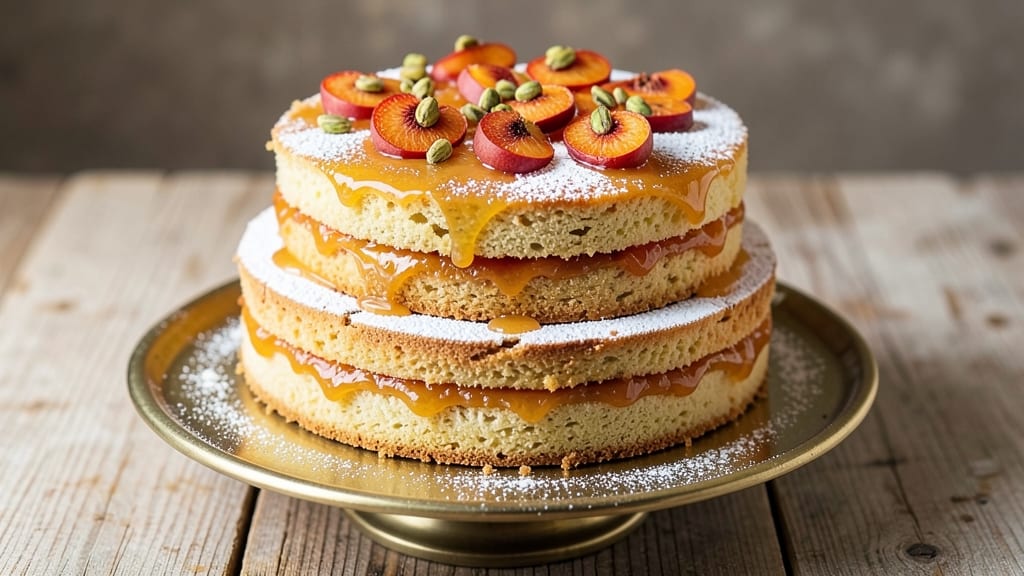
This apricot nectar cake recipe from scratch delivers moist, tender layers infused with the natural sweetness of apricot nectar—no box mix required. 💛 The secret lies in a simple yet effective technique: replacing some liquid with nectar while keeping the cake's structure intact through precise mixing and baking times.
I've perfected this recipe over years of testing, ensuring every slice stays tender without becoming dense.
The citrus-zinged glaze transforms this cake from ordinary to extraordinary, adding a bright, tangy contrast that cuts through the richness of the nectar. What makes this recipe stand out is its balance—sweet enough to satisfy cravings but not cloying, with a texture that's light yet substantial.
The cake bakes in 35-40 minutes at 350°F, yielding golden layers that hold together beautifully.
By the time you're done, you'll have a cake that's perfect for celebrations or a simple weekend treat—restaurant-quality without the fuss. The glaze sets quickly, creating a glossy finish that makes even the plainest plate feel special.
Whether you're serving it to guests or enjoying a quiet moment with a slice, this cake delivers on flavor and texture every time.
Ready to impress? This recipe requires just 10 ingredients and minimal effort, making it ideal for both beginners and experienced bakers. The apricot nectar adds natural sweetness while keeping the cake's moisture intact, and the citrus glaze ensures a bright, refreshing finish. Let's get baking!
Ingredients for apricot nectar cake recipe from scratch
Ten simple ingredients transform into a restaurant-quality apricot nectar cake with citrus glaze.
| Ingredient | Amount | Notes |
|---|---|---|
| All-Purpose Flour 🌾 | 2 ½ cups | Sifted for light texture |
| Granulated Sugar 🍚 | 1 ½ cups | White or light brown |
| Apricot Nectar 🍑 | 1 cup | Unsweetened for natural sweetness |
| Unsalted Butter 🧈 | 1 cup | Room temperature, cubed |
| Large Eggs 🥚 | 2 whole | Room temperature for even mixing |
| Vanilla Extract 🍃 | 1 tbsp | Pure extract preferred |
| Baking Powder 🧂 | 2 tsp | Aluminum-free for best results |
| Salt 🧂 | ½ tsp | Fine sea salt preferred |
| Lemon Juice 🍋 | ¼ cup | Freshly squeezed |
| Powdered Sugar 🍚 | 1 ½ cups | For glaze, sifted |
| Orange Zest 🍊 | 1 tbsp | Freshly grated |
The apricot nectar is the star—look for unsweetened varieties at specialty stores or the international aisle of major supermarkets like Whole Foods or Trader Joe's. If you can't find it, unsweetened apricot puree works in a pinch, though the texture may be slightly thicker. For the flour, King Arthur or Gold Medal brands are ideal—they're reliable for tender cakes. The butter should be cold but not frozen when you measure it; let it sit at room temperature for 30 minutes before using. Fresh citrus zest makes all the difference—avoid pre-grated zest, as it loses potency quickly.
No apricot nectar? Substitute with 1/2 cup unsweetened applesauce or orange juice for a similar moisture level, though the flavor will differ slightly. For the glaze, if you don't have fresh orange zest, lemon zest works too—just reduce the powdered sugar slightly to balance the tartness. The baking powder must be fresh; if your stash is over 6 months old, test it by mixing with water—it should bubble vigorously. For a richer flavor, add 1 tsp almond extract to the cake batter, but omit the vanilla if you do. The lemon juice can be substituted with lime juice for a different citrus note, but lemon provides the perfect balance to the sweetness.
Store the cake in an airtight container at room temperature for up to 3 days or in the fridge for 5 days—though it's best enjoyed fresh. The glaze sets quickly, so assemble the cake 1 hour before serving to let it firm up. For make-ahead convenience, bake the cake layers 1 day ahead, cool completely, wrap tightly in plastic, and store in the fridge. Bring to room temperature before glaze assembly. The glaze can be made 2 days ahead and stored in the fridge; simply re-whisk before using.
Why You'll Love This Recipe
- No Pantry Fuss: I keep a can of apricot nectar in my cabinet just for this—no fancy syrups or hard-to-find extracts. The moment I mix that sweet-tart nectar with melted butter and sugar, the whole kitchen smells like summer. Honestly, the prep is so simple I’ve made it while waiting for dinner to cook.
- Sunshine in Every Bite: That apricot nectar isn’t just flavor—it’s character. The cake has this bright, almost floral sweetness that cuts through the richness of the butter, and the eggs keep it tender without being cakey. I’ll be real: the first time I tasted it, I thought, “Why haven’t I done this sooner?”
- Weeknight or Celebration: This cake is my lazy Sunday morning and my “I actually baked something” dish. Slice it for breakfast with a drizzle of honey, or serve it at a brunch with a dusting of powdered sugar—no one will guess it’s a one-bowl wonder. (Yes, even on a Tuesday night.)
- Budget Magic: Flour, sugar, butter, eggs—these are the basics I already have. The apricot nectar stretches further than you’d think, and a single cake feeds six with leftovers that stay moist for days. I’ve even frozen slices for my kid’s school lunches, and they come out just as good.
Step-by-step instructions for apricot nectar cake with citrus glaze
Here's how to bake a perfectly moist apricot cake with a bright citrus glaze—every layer delivers.
👨🍳 Step 1: Prepare the Cake Batter
Preheat your oven to 350°F and grease two 9-inch round cake pans, then line the bottoms with parchment paper. In a medium bowl, whisk together the 2.5 cups all-purpose flour, 2 teaspoons baking powder, and 0.5 teaspoon salt. Set aside—sifting ensures a light, airy texture.
In a large mixing bowl, cream together the 1 cup unsalted butter and 1.5 cups granulated sugar on medium speed until light and fluffy, about 3-4 minutes. Add the 2 whole large eggs one at a time, mixing well after each addition. This step incorporates air, which prevents a dense cake.
Alternate adding the dry flour mixture and the 1 cup apricot nectar, beginning and ending with the flour. Mix on low speed until just combined—overmixing develops gluten, which makes the cake tough. Stir in the 1 tablespoon vanilla extract and 0.25 cup lemon juice until evenly distributed.
🍳 Step 2: Bake the Cake Layers
Divide the batter evenly between the prepared cake pans. Bake for 25-30 minutes or until a toothpick inserted into the center comes out clean. The cake should spring back slightly when pressed gently in the center.
I like to rotate the pans halfway through baking to ensure even browning. If the tops brown too quickly, tent loosely with foil. Once done, remove from the oven and let the cakes cool in the pans for 10 minutes before transferring to a wire rack to cool completely.
Here's the thing—don't skip the cooling step. Warm cake layers will crack when assembling, and the glaze won't set properly. Patience here ensures a clean, professional finish.
🥘 Step 3: Make the Citrus Glaze
While the cakes cool, combine the 1.5 cups powdered sugar and 1 tablespoon orange zest in a medium bowl. Gradually whisk in 2-3 tablespoons lemon juice (start with 2 tablespoons) until the glaze reaches a smooth, pourable consistency.
The glaze should coat the back of a spoon but still drip slowly—this ensures it's thick enough to hold on the cake without running off. If it's too thick, add a splash more lemon juice; if too thin, whisk in a bit more powdered sugar. Taste and adjust the sweetness if needed.
🍰 Step 4: Assemble and Glaze the Cake
Once the cakes are completely cool, place one layer on a cake stand or plate. Spread a thin layer of apricot nectar (about 1 tablespoon) over the top—this helps the glaze stick and adds extra moisture. Repeat with the second layer.
Pour the citrus glaze over the top of the cake, letting it drip down the sides. Use a spatula to spread any excess glaze evenly. For a polished look, I like to dip the sides of the cake in the remaining glaze mixture, then sprinkle with extra orange zest for a pop of color.
Let the glaze set for at least 30 minutes before serving. This resting time allows the glaze to firm up slightly, making it easier to slice and serve. The cake will keep at room temperature for up to 3 days, covered tightly.
Pro Tips For Making Apricot Nectar Cake Recipe From Scratch
- Whisk Butter Slowly: Cream your butter and sugar until it’s just pale yellow—not buttercream fluffy, just ribbons that disappear when you lift the whisk. I learned this the hard way: over-whisking traps air, and your cake turns out dense instead of tender. Stop when the mixture holds a trail for 3-4 seconds.
- Strain That Nectar: Skip the pulpy bits in apricot nectar—blend it with a fine-mesh sieve or cheesecloth before mixing it into the batter. My first batch had gritty texture, and while it didn’t ruin the cake, it was a distraction. A quick strain makes the flavor smoother and the crumb finer.
- Room-Temp Eggs Matter: Crack eggs into a bowl first, then let them sit at room temp for 10 minutes before adding them to the batter. Cold eggs curdle when they hit warm butter, and your cake will have weird streaks. (Yes, even if you’re impatient like me.)
- Don’t Overmix the Batter: Fold in the flour gently—just until combined. I used to beat it like a pancake batter, and the result was tough, dry layers. Think "marble swirls" when you lift the spatula, not "smooth perfection." Less mixing = better texture.
Regional styles of this recipe
Southern Apricot Twist
In the American South, this cake often gets a cornmeal boost—replace ¼ cup of flour with fine cornmeal for a subtle, nutty depth that pairs beautifully with the apricot.
I like adding ½ teaspoon cinnamon to the batter and topping with a peanut butter glaze instead of citrus. Serve with sweet tea for the ultimate Southern brunch. 🍑
French-Inspired Apricot
For a French bistro touch, fold ¼ cup whipped cream into the batter after mixing to create a lighter, airier texture. Top with a caramelized apricot compote made by simmering 1 cup apricot nectar with 2 tablespoons brown sugar and 1 teaspoon vanilla until thickened.
Serve with espresso for a sophisticated dessert. 🍫
Middle Eastern Date Swap
Inspired by Middle Eastern desserts, swap the apricot nectar for ½ cup date syrup (or blend 1 cup pitted dates with ½ cup water until smooth). Add 1 teaspoon cardamom to the batter and top with toasted pistachios and a drizzle of rose water.
This version has a deeper, caramel-like sweetness that's absolutely addictive. 🌿
Italian Lemon Twist
For an Italian-inspired cake, replace the lemon juice with orange juice and add 1 teaspoon grated lemon zest directly to the batter. Top with a lemon cream glaze (mix 1 cup powdered sugar with 2 tablespoons lemon juice and 1 tablespoon heavy cream).
Finish with candied lemon slices on top for a bright, zesty finish. 🍋
German Spiced Variation
Give it a German bakery feel by adding ½ teaspoon ground ginger and ¼ teaspoon cloves to the batter. Replace the citrus glaze with a powdered sugar dusting and top with chopped almonds and a sprinkle of cinnamon sugar. Serve with black coffee for a cozy, spiced dessert. 🌟
Modern Minimalist Style
For a sleek, modern take, bake the cake in a single 9-inch round pan (reduce baking time to 20-25 minutes). Top with a dark chocolate ganache (melt ½ cup dark chocolate with ¼ cup heavy cream) and decorate with fresh berries and edible flowers.
This version is perfect for a minimalist dessert table. 💫
Nutrition facts
Frequently asked questions
Can I substitute apricot nectar with something else?
Yes! If you can't find apricot nectar, use ½ cup unsweetened applesauce or orange juice for moisture, though the flavor will differ. For a similar sweetness, try ½ cup apricot jam (reduced by half) or ½ cup mashed ripe apricots. The cake will still be moist, but the texture may vary slightly.
Why does my cake turn out dense instead of moist?
Overmixing the batter develops gluten, leading to a tough texture. Mix just until combined and avoid overbaking—remove the cake when a toothpick comes out clean (usually 25-30 minutes at 350°F). Also, ensure your butter is room temperature and don't skip cooling the layers before assembling.
How do I make this cake gluten-free?
Replace the all-purpose flour with a 1:1 gluten-free baking flour blend (like Bob's Red Mill) and add ½ teaspoon xanthan gum to the dry ingredients. For the glaze, use a gluten-free powdered sugar. Keep all other ingredients the same—this version will still be tender but may have a slightly denser crumb.
Can I bake this cake in a different pan shape?
Yes! For a 9x13-inch pan, reduce baking time to 20-25 minutes and bake at 350°F. For cupcakes, use ¾ cup batter per liner and bake for 18-20 minutes. Adjust glaze amounts proportionally—this cake works beautifully in any shape, just watch the baking time closely.
What's the best way to store leftovers?
Keep the cake in an airtight container at room temperature for up to 3 days, or refrigerate for 5 days. The glaze stays fresh longer when chilled, but bring the cake to room temperature before serving. For longer storage, freeze the cake (without glaze) for up to 2 months—thaw overnight in the fridge.