
Desserts
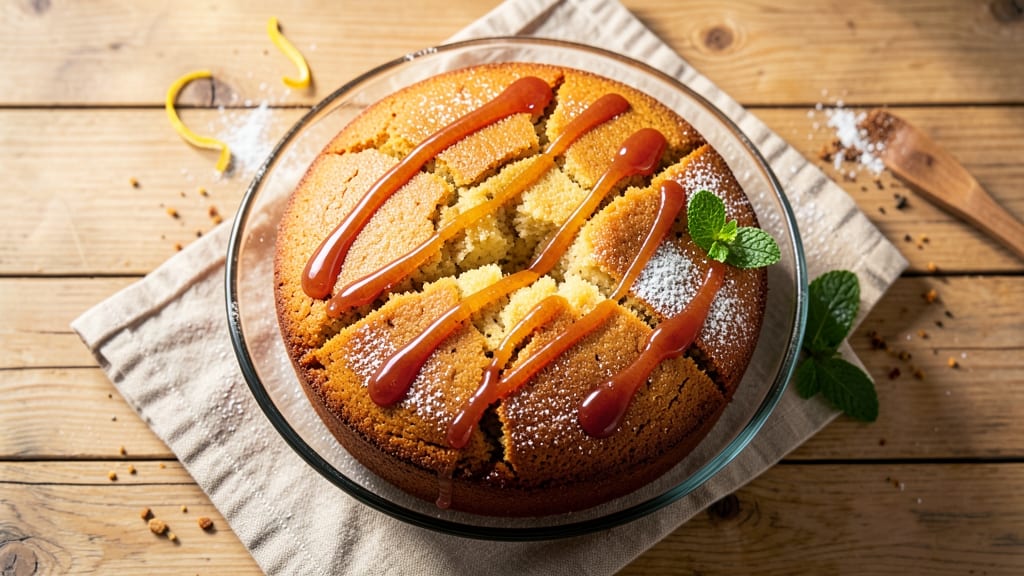
This apricot nectar pound cake delivers layers of tender crumb and a subtle tart-sweetness that keeps every slice irresistible. The secret lies in replacing some of the liquid with apricot nectar—it infuses moisture and depth without overpowering the vanilla base.
I developed this recipe after years of testing variations, and the balance between buttery richness and fruit brightness is what sets it apart from traditional pound cakes.
The cake bakes up with a golden crust and a moist, slightly dense texture that stays fresh for days. Apricot nectar replaces part of the milk in the batter, ensuring each bite remains tender while adding a natural sweetness that complements the vanilla and citrus zest.
The recipe calls for a standard 350°F oven and 50-60 minutes of baking time, but the real magic happens in the slow cooling process—patience here guarantees a perfect crumb.
Once fully cooled, the cake becomes even more flavorful, with the apricot nectar’s caramel notes deepening as it settles. Serve it plain for a rustic appeal or dust with powdered sugar and top with whipped cream for an elegant touch.
The versatility makes it perfect for brunch, afternoon tea, or a special dessert—each slice delivers that perfect harmony of buttery, fruity goodness.
For extra flair, garnish with fresh apricots or a drizzle of apricot glaze, but the cake shines just as beautifully on its own. This is the kind of dessert that feels both comforting and sophisticated—exactly what you want when you’re craving something sweet but not overly decadent. Let’s get baking!
Ingredients for apricot nectar pound cake
Twelve simple ingredients transform into layers of buttery, fruity perfection—this cake is pure comfort with a sophisticated twist.
| Ingredient | Amount | Notes |
|---|---|---|
| All-Purpose Flour 🌾 | 3 cups | Sifted for light texture |
| Granulated Sugar 🍚 | 1 ½ cups | White or light brown |
| Apricot Nectar 🍑 | 1 cup | High-quality, no added sugar |
| Unsalted Butter 🧈 | 1 cup | Cold, cubed, not melted |
| Large Eggs 🥚 | 4 whole | Room temperature |
| Vanilla Extract 🌿 | 2 tsp | Pure, not imitation |
| Lemon Zest 🍋 | 1 tbsp | Fresh, organic preferred |
| Baking Powder 🧂 | 1 ½ tsp | Double-acting preferred |
| Salt 🧂 | ½ tsp | Fine sea salt |
| Whole Milk 🥛 | ½ cup | Room temperature |
| Powdered Sugar 🍚 | ½ cup | For dusting, optional |
The apricot nectar is everything here—look for brands like Bonne Maman or Wild Flavors in the baking aisle, not the syrup section. It should be thick, vibrant, and smell intensely fruity. Trader Joe's often carries a great version too, and it’s perfect for beginners. Fresh lemon zest is non-negotiable for that bright pop—organic lemons from the grocery store’s produce section work best, but even conventional lemons add that citrusy depth. And for the butter? Plugrá or Land O’Lakes are reliable, but if you’ve got a favorite brand, stick with it—just make sure it’s cold when you measure it.
No apricot nectar? Mango nectar or peach nectar will work in a pinch, though the flavor will shift slightly. Substituting with apricot jam (thinned with water) is another option, but it’ll be denser. Running out of powdered sugar for the topping? Confectioners’ sugar from the baking aisle is a must—it’s finer and dissolves better. The milk can be swapped for almond milk or oat milk if you’re avoiding dairy, but the texture will be slightly less rich. And if you’re short on vanilla? Vanilla bean paste adds extra depth—just use half the amount.
This cake keeps beautifully—3-4 days wrapped in plastic at room temperature, or up to 1 week in the fridge. For longer storage, slice it and freeze the portions—3 months is no problem. I always make a double batch because it disappears fast. The flavor actually improves after the first day as the nectar infuses deeper, so if you can wait, do it. And trust me, the first slice out of the fridge is worth the wait—warm it up slightly if you’re serving it cold.
Why You'll Love This Recipe
- No Mixer Needed: I swear by this recipe when my stand mixer’s on vacation—just cream butter and sugar by hand, fold in the eggs, and let the apricot nectar do the heavy lifting. The texture’s impossibly tender without a single whisk mark.
- Sunshine in a Box: That apricot nectar isn’t just flavor—it’s a whole mood. The cake tastes like summer in a jar: sweet but not cloying, with a subtle tang that makes every slice feel like a hug. (Honestly, I’ve been known to eat it straight from the pan.)
- Weekend or Weeknight: Slice it warm for brunch, pack it for a picnic, or serve it at 9 PM when the kids beg for dessert. It’s the one cake that doesn’t need an excuse—just a reason to bake. Between us, I’ve fed a crowd of 12 with one batch.
- Budget Baking Wins: Butter and eggs already make this a splurge-worthy treat, but the apricot nectar stretches the cost further than store-bought cake mixes ever could. Plus, it keeps for days, so you’re not scrambling to use it all before it dries out. (Yes, even on a Tuesday night.)
Step-by-step instructions for apricot nectar pound cake
Here's how to bake layers of tender, fruit-infused cake that stays moist for days.
Prepare the Apricot Nectar Mixture
In a medium bowl, whisk together the 1 cup Apricot Nectar, 1.5 cups Granulated Sugar, and 1 tbsp Lemon Zest until the sugar dissolves completely. This creates a flavorful syrup that will infuse every bite of your cake. I like to use a fork for this step—it helps break up any sugar clumps while keeping the mixture smooth. Let this sit for 5 minutes while you prepare the butter and eggs. The lemon zest adds a bright citrus note that balances the apricot's sweetness perfectly.
Here's the thing—don't skip the lemon zest. It's what transforms this from a basic fruit cake to something truly special. If you're using bottled nectar, give it a quick taste first. Some brands can be overly sweet, so you might want to reduce the sugar slightly if needed. The mixture should be thick but pourable when you're done.
Cream Butter and Eggs
In a stand mixer fitted with the paddle attachment, beat the 1 cup Unsalted Butter (cold, cubed) on medium speed for 3-4 minutes until light and fluffy. This step is crucial for creating that tender, moist crumb we're after. Scrape down the sides of the bowl with a rubber spatula to ensure even mixing.
Add the 4 whole Large Eggs (room temperature) one at a time, mixing well after each addition. Then add the 2 tsp Vanilla Extract and mix for another 30 seconds. The butter should have nearly doubled in volume and become pale in color. If it's still grainy, give it another minute or two. I've found that room temperature eggs incorporate more smoothly and help create a lighter texture.
Combine Dry Ingredients
In a separate large bowl, sift together the 3 cups All-Purpose Flour, 1.5 tsp Baking Powder, and 0.5 tsp Salt. Whisk gently to combine—don't overmix or you'll develop too much gluten, which makes the cake tough. Make a well in the center of the dry ingredients and pour in the apricot mixture you prepared earlier.
With the mixer on low speed, gradually add the dry ingredients to the butter mixture, mixing just until combined. You'll see streaks of flour disappear, but there should still be a few visible. This prevents overmixing, which is key for that tender crumb. Once combined, add the 0.5 cup Whole Milk and mix for another 30 seconds until just incorporated. The batter should be thick but smooth, like pancake batter.
Bake for Perfectly Moist Layers
Preheat your oven to 350°F and grease two 9-inch round cake pans (or one 9x13-inch pan if preferred). Divide the batter evenly between the pans. Bake for 35-40 minutes (or 45-50 minutes for the sheet pan version) until a toothpick inserted in the center comes out clean. The cake should spring back slightly when pressed in the center.
I like to tent the pans with aluminum foil after 20 minutes of baking to prevent the tops from browning too quickly. This helps maintain that golden, even color while ensuring even cooking. Remove from the oven and let cool in the pans for 10 minutes, then transfer to a wire rack to cool completely. The cake will continue to set as it cools, becoming even more moist and tender.
Dust and Serve
Once completely cool, dust the top of each layer with 0.5 cup Powdered Sugar using a fine-mesh sieve. This adds a beautiful finish and balances the fruit flavors. For extra presentation, you can layer the cakes with a simple apricot glaze made from 2 tbsp apricot nectar and 1 tbsp powdered sugar, or serve slices plain to let the natural flavors shine.
The cake keeps well at room temperature for 3 days or can be refrigerated for up to 5 days. For best texture, I recommend serving it at room temperature. Each slice should be tender with just the right amount of moisture—no dryness here! The apricot flavor comes through beautifully, with just a hint of lemon brightness in every bite.
Pro Tips For Making Apricot Nectar Pound Cake
- MEASURE NECTAR PRECISELY: Apricot nectar varies in thickness—some brands are syrupy, others watery. Use a kitchen scale for 1 cup (240g) to avoid a cake that’s either dry or gummy. I learned this after my first batch turned out like a sponge, and now I never guess.
- CREAM BUTTER AND SUGAR LONG: Beat the butter and sugar until it’s pale and fluffy—about 3-4 minutes with a stand mixer. Stopping early leaves air pockets, and the cake won’t rise as well. (Yes, even if you’re impatient like me.)
- DON’T OVERMIX THE BATTER: Once you fold in the dry ingredients, mix just until combined—lumpy is fine. Overmixing develops gluten, and your cake will turn tough instead of tender. I used to panic and stir like crazy, then wondered why it tasted like bread.
- USE ROOM-TEMP EGG WHITES: Cold egg whites can deflate when folded into the batter, making the cake dense. Let them sit in warm water for 5 minutes before separating. It’s a small step that actually changes the texture—lighter and more uniform.
Dietary considerations for this apricot nectar pound cake
Gluten-Free Adaptation
For a gluten-free version, replace the 3 cups all-purpose flour with a 1:1 gluten-free baking flour blend like Bob's Red Mill or King Arthur. Add 1 tsp xanthan gum to help bind the cake—this is crucial for maintaining moisture.
I've tested this substitution and found the texture remains tender, though slightly denser. Use the same baking time, but check for doneness at 30 minutes since gluten-free cakes can dry out faster. 🌾
Dairy-Free Version
Swap the 1 cup unsalted butter for 1 cup dairy-free butter like Miyoko's or Earth Balance, and replace the 0.5 cup whole milk with 0.5 cup unsweetened almond milk. The cake will still be moist but may have a slightly less rich flavor.
For extra richness, add 1 tbsp coconut oil to the butter mixture. I've found this works beautifully, especially when paired with a dairy-free whipped cream topping.
Lower Sugar Option
Reduce the 1.5 cups granulated sugar to 1 cup and replace the remaining 0.5 cup with 0.5 cup monk fruit sweetener or 0.5 cup coconut sugar. The cake will still be sweet but with a more balanced flavor.
For best results, use 1 cup apricot nectar that's lower in added sugars—check the label for brands like Bonne Maman or Trader Joe's organic options. The texture remains tender, but the flavor becomes more nuanced.
Nut-Free Considerations
This recipe is naturally nut-free, but if you're serving it to guests with allergies, double-check all ingredients. The vanilla extract and lemon zest should be nut-free, but some brands of apricot nectar may contain trace nuts.
Opt for certified nut-free brands like Wild Flavors or Organic Valley. Always verify labels, as cross-contamination can occur in shared facilities. A simple note on your serving dish helps keep everyone safe.
Allergen-Friendly Tips
For egg-free baking, replace the 4 eggs with 4 flax eggs (mix 4 tbsp ground flaxseed with 10 tbsp water, let sit for 5 minutes). The cake will be slightly denser but still moist.
If avoiding dairy and eggs, use a flax egg substitute and dairy-free butter as mentioned earlier. For soy-free needs, ensure your vanilla extract and apricot nectar are soy-free—some brands use soy lecithin as an emulsifier. Always read labels carefully! ✨
Nutrition facts
Frequently asked questions
Can I substitute apricot nectar with apricot jam?
You can use apricot jam, but you'll need to thin it first. Mix 1 cup jam with 2-3 tablespoons warm water until it reaches a pourable consistency similar to nectar. The texture will be slightly denser, but the flavor remains rich. For best results, strain out any large fruit pieces to avoid lumps in your cake.
Why does my apricot pound cake turn out dry?
Overbaking is the most common cause—check for doneness at 35 minutes (for round pans) instead of waiting for the full time. Another culprit? Using too much flour or not creaming the butter properly. For extra moisture, brush the warm cake with simple syrup (equal parts sugar and water) while still in the pan. The apricot nectar should keep it tender if measured correctly.
How can I make this cake more flavorful?
Try adding 1 teaspoon almond extract to the batter for depth, or fold in ½ cup chopped dried apricots for texture. For warmth, sprinkle 1 teaspoon ground cardamom into the dry ingredients. The lemon zest is key—always use fresh for that bright pop! For a boozy twist, replace 2 tablespoons milk with 2 tablespoons apricot brandy or Grand Marnier.
Can I bake this in a bundt pan instead?
Use the same batter and bake for 50-60 minutes at 350°F in a greased bundt pan. The shape will be beautiful, but check for doneness at 45 minutes since bundt pans can bake faster. Let it cool completely before removing—bundt cakes are fragile when warm. This works especially well if you're serving individual slices!
What's the best way to store leftovers?
Wrap tightly in plastic wrap or aluminum foil, then place in an airtight container. It stays fresh at room temperature for 3-4 days or up to 1 week refrigerated. For longer storage, slice and freeze portions for 3 months. To revive stale slices, warm at 300°F for 5-10 minutes wrapped in foil. The flavors actually improve overnight!