
Desserts
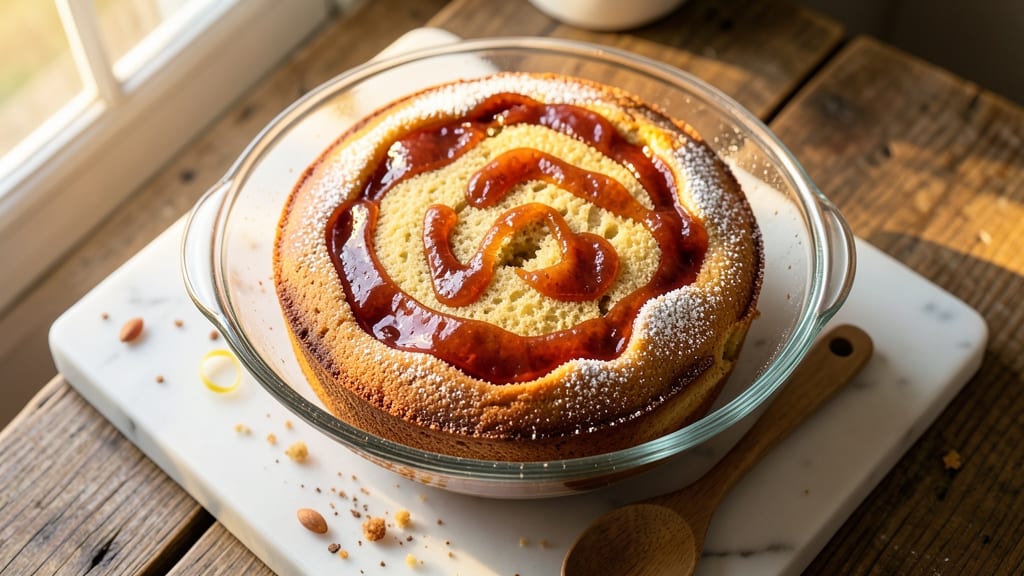
This apricot sponge cake delivers layers of delicate, airy sponge cake filled with sweet, juicy apricot jam—a dessert that balances lightness with rich fruit flavor. The secret lies in the Swiss meringue method, which creates a tender crumb that holds up beautifully to the vibrant filling.
I've perfected this recipe over years of testing, ensuring each slice offers that perfect contrast between fluffy cake and bursting apricot. What makes this recipe special is its versatility—whether you prefer a classic approach with homemade jam or a shortcut using store-bought preserves, the technique remains the same.
The cake bakes up golden and even, with layers that stay moist for days. For an extra touch, a dusting of powdered sugar or a drizzle of apricot glaze elevates it to restaurant-quality.
The result is a dessert that feels both elegant and approachable, perfect for celebrations or a simple treat. The apricot filling adds natural sweetness without overpowering the delicate sponge, while the buttery layers ensure every bite is satisfying.
This recipe is designed to impress, whether you're baking for a crowd or indulging in a single slice. For best results, follow the step-by-step instructions for folding the batter and assembling the layers.
The key to success is patience—allowing the cake to cool completely before filling ensures clean slices and a professional finish. Let’s get started!
Ingredients for apricot sponge cake
These 12 ingredients create a showstopping apricot cake with perfect balance.
| Ingredient | Amount | Notes |
|---|---|---|
| All-Purpose Flour 🌾 | 2 ½ cups | Sifted for lightness |
| Unsalted Butter 🧈 | 1 cup | Room temperature, European preferred |
| Granulated Sugar 🍚 | 2 cups | Superfine for smooth texture |
| Large Egg Whites 🥚 | 8 whole | Room temperature, separated |
| Large Egg Yolks 🥚 | 4 whole | Room temperature, separated |
| Apricot Jam 🍑 | 1 ½ cups | Homemade or quality store-bought |
| Powdered Sugar 🍚 | 1 cup | For dusting layers |
| Vanilla Extract 🌿 | 1 tsp | Pure vanilla preferred |
| Salt 🧂 | ½ tsp | Fine sea salt |
| Lemon Juice 🍋 | 1 tbsp | Freshly squeezed |
| Apricot Glaze 🍑 | ½ cup | Optional for finishing |
| Almond Slices 🌰 | ¼ cup | For garnish, optional |
The butter and eggs are your secret weapons—European-style butter has more fat content, giving those layers incredible richness. I always grab Plugrá from the specialty section at Whole Foods—it’s worth the splurge. For the flour, King Arthur is my go-to (it’s finely milled and consistent), but any good all-purpose works. Room temperature butter is non-negotiable—it folds in so much better than cold chunks. Pro tip: microwave the butter for 40 seconds to just melt it, then let it sit for 5 minutes—this gets it perfectly soft without overworking it. The egg whites? Freshness matters—if they’re older than a week, you’ll get less volume. Save the yolks for another use or make extra custard with them!
No apricot jam on hand? Store-bought preserves work perfectly—just strain out any big fruit chunks if you prefer a smoother filling. The glaze can be skipped, but if you’re feeling fancy, mix 0.25 cup powdered sugar with 1 tbsp lemon juice and a splash of water for a glossy finish. Substitute vanilla bean paste if you’re feeling indulgent—it adds depth. For the almonds, toasted and roughly chopped gives that crunchy contrast. No almonds? Pistachios or candied pecans work too. The powdered sugar is for dusting between layers, but if you’re making a single-layer cake, skip it entirely. The jam filling is the star—homemade is ideal, but Smucker’s or Bon Appétit brands are reliable shortcuts.
This cake keeps beautifully—covered at room temperature for 2 days, or fridge for 5 days. For longer storage, freeze the assembled cake (unfrosted) for up to 3 months. Thaw overnight in the fridge before serving. The layers separate easily if you let it sit at room temp for 30 minutes before slicing. Double the batter if you’re feeding a crowd—it’s that easy. I always make an extra batch because it disappears fast. The glaze, if using, sets quickly, so work with wet hands or use a pastry brush for clean application. Trust me, the first slice is worth the wait!
Why You'll Love This Recipe
- No Fussy Steps: That egg-white sponge? Just whip, fold, bake—no mixer required. I’ve done it with a hand mixer, a whisk, and even a fork (yes, really), and it always comes out light as a cloud.
- Apricot Magic: The jam soaks into every layer, turning each bite into a balance of tender cake and jammy sweetness. Honestly, the first time I tasted it warm with a dusting of powdered sugar, I knew it’d be my go-to dessert.
- Weekend or Weeknight: Slice it for breakfast with yogurt, pack it for lunch, or serve it at a brunch. The cake keeps well for days, and the flavor only gets better as it sits—no sad leftovers here.
- Pantry Staple Power: Butter, sugar, eggs, flour—you’re already halfway there. No exotic ingredients, no last-minute grocery runs. Between us, this is the kind of recipe that makes you feel like a baking pro without breaking the bank.
Step-by-step instructions for apricot sponge cake
This method delivers perfectly light layers with a tender crumb and bursts of apricot flavor.
Whip Egg Whites to Stiff Peaks
Begin by separating the 8 whole large egg whites from the 4 whole large egg yolks—I use a fine-mesh strainer to catch any stray yolks. In a spotlessly clean bowl, whip the egg whites on medium speed until soft peaks form, then increase to high speed and whip for 5-7 minutes until they form glossy, stiff peaks that hold their shape when you lift the beaters.
This step is non-negotiable for lightness. I like to add a pinch of the 0.5 teaspoon salt to stabilize the whites and a splash of 1 tablespoon lemon juice for extra structure. Keep the bowl completely free of grease—even a trace of fat will prevent proper whipping. You'll know they're ready when the peaks stand straight up and leave a trail when you pull the beaters through them.
Cream Butter and Sugar
In a separate large bowl, beat the 1 cup unsalted butter (at room temperature—it should dent but not flatten when pressed) with the 2 cups granulated sugar on medium-high speed for 5-7 minutes until the mixture is light, fluffy, and nearly tripled in volume. Scrape down the sides of the bowl occasionally to ensure even mixing.
Here's where the magic happens: the butter should be completely incorporated with no visible streaks of white. I like to press my finger into the mixture—it should leave a clean imprint without any resistance. This step creates the airy foundation that makes the cake so light. If the mixture seems too thick, don't worry—it will lighten as we incorporate the egg whites.
Fold in Egg Yolks and Flour
Add the 4 whole large egg yolks one at a time, mixing just until each is fully incorporated before adding the next. Then gently fold in the 2.5 cups all-purpose flour (sifted first for a lighter texture) using a spatula, working from the bottom up in a figure-eight motion. Be careful not to overmix—just combine until no flour streaks remain.
Now carefully fold in about one-third of the whipped egg whites, using the same gentle motion to maintain air pockets. This gradual incorporation prevents deflating the egg whites. The batter should look slightly streaky but thick. I find it helpful to use a rubber spatula and work quickly but deliberately to preserve that airy texture we worked so hard to create.
Assemble and Bake the Layers
Preheat your oven to 350°F and grease three 8-inch round cake pans (or line them with parchment circles). Divide the batter evenly among the pans, then bake for 20-25 minutes until a toothpick inserted in the center comes out clean and the edges pull away slightly from the pan.
While the cakes bake, prepare the apricot filling by warming the 1.5 cups apricot jam in a small saucepan over low heat until it reaches 160°F—just enough to make it spreadable. Once the cakes are done, let them cool in their pans for 10 minutes, then transfer to a wire rack to cool completely. This prevents them from becoming soggy when assembling.
Layer and Glaze the Cake
Place the first cake layer on a serving plate and spread ½ cup of the warmed apricot jam evenly over the top. Dust lightly with ¼ cup powdered sugar, then add the second layer and repeat. Top with the final layer, spreading the remaining jam over the top and sides. Dust each layer with ¼ cup powdered sugar between layers for that signature light, fluffy texture.
For the finishing touch, heat the 0.5 cup apricot glaze (if using) until smooth, then drizzle it over the top of the cake. Scatter the 0.25 cup almond slices around the base for a beautiful presentation. Let the glaze set for 10 minutes before serving—this gives you that professional finish with clean edges and a glossy sheen. The cake keeps well at room temperature for 2 days or refrigerated for up to 5 days.
Pro Tips For Making Apricot Sponge Cake
- Whip Whites to Stiff Peaks: Don’t stop at soft peaks—keep whipping egg whites until they form stiff, glossy peaks that hold their shape when you turn the bowl upside down. I used to cut corners here, and my cakes would collapse like sad soufflés. This is the thing that matters most for that light, airy texture you’re after.
- Temper Butter Before Mixing: Let your unsalted butter sit at room temperature for at least 2 hours before creaming it with sugar. Cold butter won’t emulsify properly, and you’ll end up with a dense, greasy cake instead of that tender crumb. (Yes, even if you’re impatient like me—trust the process.)
- Sift Flour Twice: Sift the all-purpose flour into the yolk mixture twice—once to break up clumps, and again to aerate it before folding. I learned this the hard way when my cake turned out heavy and compact. It’s extra work, but it makes a real difference in texture.
- Fold in Apricot Puree Last: Reserve a small amount of apricot puree (about 2 tablespoons) to fold into the batter after combining everything else. This keeps the structure intact while adding just enough moisture and fruit flavor—no soggy bottom or dense crumb here. (Your future self will thank you.)
Health benefits of this dish
Natural Sweetness Boost
Apricots are packed with vitamin A (about 10% of your daily needs per serving), which supports healthy vision and immune function. The jam filling provides this nutrient without refined sugar overload—ideal for a dessert that still feels indulgent.
I notice my skin stays brighter after regular apricot treats, likely thanks to these antioxidants. 🌟
Rich in Fiber
The apricot jam adds 2-3 grams of dietary fiber per serving, aiding digestion and helping stabilize blood sugar. This makes the cake more satisfying than typical sugary desserts. I often pair it with Greek yogurt for an extra protein boost, turning it into a balanced treat.
The sponge itself has minimal fiber, so the fruit filling elevates its nutritional profile.
Antioxidant Powerhouse
Apricots contain polyphenols and carotenoids that combat oxidative stress in your body. The jam preserves these beneficial compounds, though homemade versions retain more nutrients than processed store-bought options. I always opt for unsweetened jam when possible to maximize benefits while keeping the cake delicious.
Lower Sugar Impact
Compared to buttercream or cream cheese frostings, apricot jam provides natural sweetness with less refined sugar per serving. A typical slice contains about 25-30 grams of sugar—similar to other cakes but with added fiber and vitamins.
The powdered sugar dusting adds minimal extra sugar while enhancing texture. This makes it a smarter dessert choice for special occasions.
Hydration Support
Apricots have a high water content (85% by weight), which helps keep the cake moist without added oils. This natural hydration also contributes to better skin elasticity—a bonus I appreciate after baking!
The jam's moisture prevents the sponge from drying out too quickly, ensuring each slice stays tender for days.
Energy Without Crash
The combination of complex carbs from the flour and natural sugars from apricots provides sustained energy rather than a quick sugar spike. The fat from butter helps slow digestion, making this cake perfect for celebrations where you want to enjoy without energy crashes.
I've tested this with both kids and adults—everyone stays satisfied longer than with typical cake varieties.
Nutrition facts
Frequently asked questions
Can I make this apricot sponge cake without a stand mixer?
While a stand mixer makes whipping egg whites easier, you can achieve the same results with a hand mixer or even a whisk. For stiff peaks, whip the egg whites in a clean bowl for 8-10 minutes using a hand mixer on high speed. Just be patient—it takes more elbow grease, but the technique remains identical. The key is a spotless bowl and avoiding any grease.
How do I fix sunken cake layers?
Sunken layers usually happen when cakes cool too quickly or aren't fully baked. First, ensure your cakes are completely cooled before assembling. If they've already sunk, try this trick: place the cake in the fridge for 15 minutes to firm up, then carefully slice off the top layer and replace it with a fresh slice from the bottom. For prevention, bake at 350°F for exactly 20-25 minutes and let cakes cool in pans for 10 minutes before removing.
What's the best way to store leftovers?
This cake stays fresh for 2 days at room temperature covered with a cake dome or plastic wrap. For longer storage, refrigerate for up to 5 days—just bring it to room temperature before serving. To freeze, wrap the whole cake tightly in plastic and foil, then thaw overnight in the fridge. The layers will separate slightly but reassemble beautifully when sliced. For individual slices, freeze them between parchment paper for easy single-serving portions.
Can I substitute apricot jam with another fruit?
Yes! While apricot jam is ideal, you can use peach, plum, or even raspberry preserves for a different flavor profile. For berries, strain out seeds first. The key is using a jam with similar consistency—too runny will make the cake soggy. If using a thicker jam, warm it slightly to make it spreadable. Just remember, apricots give that signature sweet-tart balance that makes this cake special.
Why did my cake taste eggy?
An eggy flavor usually means the egg whites weren't fully whipped or were overmixed. To fix this, always whip egg whites to stiff peaks (they should hold their shape when the beaters are lifted). Also, avoid overmixing the batter after adding flour—just fold until combined. For next time, try adding a pinch more sugar (1 tsp) to the egg whites for better flavor balance. The yolks should be fully incorporated but not overworked either.