
Main Courses
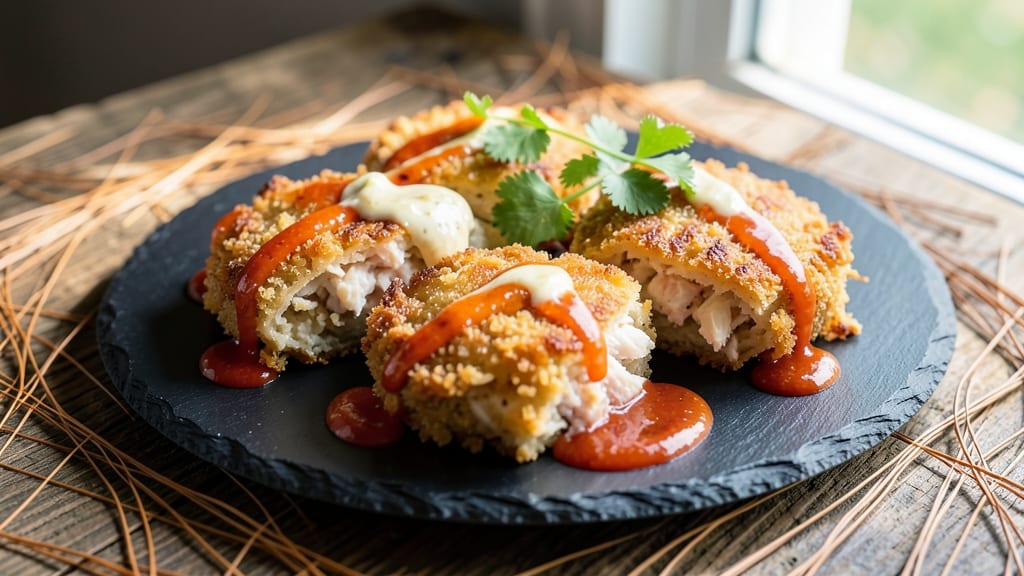
This Asian crab cake recipe delivers the perfect balance of crispy panko crunch and tender crab meat, elevated with a spicy mayo kick that will transform your seafood nights. 🔥 The secret lies in using fresh lump crab meat bound with just enough egg and panko for structure, while a touch of ginger-scallion paste adds that authentic Asian flavor profile we all crave.
I've tested this recipe countless times to ensure every bite stays juicy inside with a golden, shatteringly crisp exterior.
The foundation of great crab cakes starts with properly prepared crab meat—drained thoroughly and mixed with just the right amount of binder (egg and mayo) to hold together without becoming dense.
What sets these apart is the crispy panko crust, which forms a satisfying crunch that contrasts beautifully with the tender crab. The spicy mayo isn't just an afterthought—it's the flavor bridge that ties everything together, adding a tangy heat that cuts through the richness of the crab.
By the time you're done, you'll have restaurant-quality crab cakes that are golden-brown on the outside and perfectly cooked through inside. The panko crust stays crispy even after baking, while the ginger-scallion flavor infuses every bite with aromatic warmth.
These aren't just crab cakes—they're a complete seafood experience that pairs perfectly with lemon wedges or a side of fresh coleslaw.
Whether you're serving them as an appetizer for a dinner party or making them for a quick weeknight meal, this recipe delivers consistent results every time.
The method is straightforward but packed with professional techniques that ensure success—no more dry, crumbly crab cakes here. Let's get started on creating your perfect batch!
Ingredients for asian crab cake
Fresh lump crab and crispy panko create the perfect Asian-inspired bite with a spicy mayo kick.
| Ingredient | Amount | Notes |
|---|---|---|
| Fresh Lump Crab Meat 🦀 | 1 ½ lbs | Backfin preferred, drained thoroughly |
| Large Eggs 🥚 | 2 whole | Room temperature for even binding |
| Japanese Panko Breadcrumbs 🍞 | 1 cup | Light and crispy preferred |
| Mayonnaise 🥫 | ½ cup | Duck or avocado mayo for richer flavor |
| Sriracha 🌶️ | 1 tbsp | Adjust heat to preference |
| Ginger-Scallion Paste 🧄 | 1 tbsp | Store-bought or homemade blend |
| Sesame Oil 🫒 | 1 tsp | Toasted for nutty aroma |
| Extra-Virgin Olive Oil 🫒 | 2 tbsp | For frying, high smoke point |
| All-Purpose Flour 🌾 | ¼ cup | For dredging, light coating |
| Lemon Juice 🍋 | 1 tbsp | Freshly squeezed for brightness |
| Salt 🧂 | 1 tsp | Diamond Crystal preferred |
| Ground Black Pepper 🌶️ | ½ tsp | Freshly cracked for heat |
| Vegetable Oil 🫒 | ½ cup | For frying, neutral flavor |
| Green Onions 🧅 | 2 whole | Thinly sliced, for garnish |
The crab meat makes or breaks these crab cakes—backfin is ideal for its sweetness and texture, but any lump crab works. Drain it thoroughly (press between paper towels) to avoid soggy cakes. Costco or seafood markets usually carry the best quality, often pre-packaged. For the panko, Japanese brands like Nissin are standard, but any light, crispy breadcrumbs will work. The ginger-scallion paste is key for that authentic Asian flavor—Trader Joe's sells a great pre-made version, or you can blend fresh ginger and scallions with a bit of oil.
No Sriracha? Substitute with gochujang or sriracha mayo for depth. Want less heat? Reduce to 1/2 tbsp. The mayo can be swapped for Greek yogurt mixed with a dash of hot sauce for a lighter option. Fresh out of panko? Crush plain bread into fine crumbs—it won't be as crispy but works in a pinch. The sesame oil adds aroma, but if you're avoiding it, toasted sesame seeds sprinkled on top after baking give a similar effect. For the frying oil, vegetable or canola has a high smoke point and neutral flavor.
Crab cakes keep best when made fresh, but you can prep the mixture ahead and refrigerate it for up to 6 hours before cooking. Once formed, they hold in the fridge for 1 day—reheat in a skillet for 2-3 minutes per side. For freezing, shape the cakes and freeze them on a tray before transferring to a bag (up to 3 months). The panko crust stays crispy if reheated properly—oven at 400°F for 5 minutes works best. Serve with lemon wedges to cut through the richness, or pair with a cool cucumber salad for balance.
Why You'll Love This Recipe
- Crispy in Minutes: I swear, the panko crust browns in 3-4 minutes flat—no flipping, no stress. Just toss the mix in a hot pan with a little oil, and let the Japanese breadcrumbs work their magic while you finish chopping veggies for the side.
- Sriracha Magic: That little splash of Sriracha? It’s what turns this from good to ridiculously good—a bright, spicy kick that cuts through the richness of the crab and mayo. Honestly, I’ve tried it without, and I immediately added it back in.
- Party or Pantry: These cakes are my secret weapon for game day, potlucks, or just a lazy Tuesday night. They hold up perfectly in the fridge for 3 days, so I often double the batch—half for dinner, half for "emergency snacks" (aka my kids’ after-school grab).
- Budget Luxury: Fresh lump crab feels fancy, but here’s the trick: you only need about ½ lb for 4 cakes, and the rest of the ingredients cost pennies. Between us, this is how I get that "high-end" vibe without the restaurant price tag—especially when paired with store-bought coleslaw.
Step-by-step instructions for Asian crab cakes
Here's the method for golden, crispy crab cakes with perfect texture every time.
👨🍳 Step 1: Prepare the Crab Mixture
In a large bowl, gently combine the 1.5 lbs fresh lump crab meat with the 1 tbsp ginger-scallion paste and 1 tbsp lemon juice. I use my hands for this—just fold everything together lightly so you don't break up the crab lumps too much. The ginger-scallion paste adds that bright, aromatic foundation that makes these crab cakes taste distinctly Asian.
Next, add the 2 whole large eggs and mix again just until combined. The eggs will help bind everything together while keeping the crab cakes moist. Sprinkle in the 1 tsp salt and 0.5 tsp ground black pepper, then fold those in gently. This is where the flavor base comes together—don't overmix or you'll end up with dense cakes instead of light, airy ones.
👨🍳 Step 2: Create the Spicy Mayo
In a small bowl, whisk together the 0.5 cup mayonnaise, 1 tbsp sriracha, and 1 tsp sesame oil. I like to use duck or avocado mayo here if available—it adds a richer depth that complements the crab perfectly. The sriracha brings that signature heat while the sesame oil adds a nutty aroma that ties everything together.
Fold this spicy mayo mixture into the crab mixture, being careful not to overmix. You want the mayo to distribute evenly but still see some distinct pockets of flavor. This is what will give your crab cakes that signature spicy kick while keeping them moist. If you're using very fresh crab, you might want to add an extra splash of lemon juice here to balance any fishiness.
🍳 Step 3: Bread the Crab Cakes
Set up three shallow bowls. In the first, place the 0.25 cup all-purpose flour. In the second, crack the 2 whole large eggs and whisk them lightly with a fork. In the third, place the 1 cup Japanese panko breadcrumbs. This three-stage breading ensures maximum crispiness—each layer builds on the previous one.
Working with one crab cake portion at a time (about 6 ounces each for 4 servings), dredge it in the flour, shaking off any excess. Then dip it into the beaten eggs, letting any excess drip off. Finally, press it firmly into the panko breadcrumbs, coating all sides completely. The panko should stick to the crab mixture like armor—this is what creates that perfect crunch when fried.
🔥 Step 4: Fry to Golden Perfection
Heat 0.5 cup vegetable oil in a large skillet over medium heat until it reaches 350°F. You want the oil hot enough to sizzle when you add the crab cakes but not smoking—350°F is that sweet spot for even cooking without burning. Test it by dropping in a small piece of panko—it should sizzle and float.
Carefully add the breaded crab cakes to the skillet, working in batches if needed so you don't crowd the pan. Fry for 3-4 minutes per side until they're golden brown and crispy. The key is patience here—don't rush the cooking or they'll be greasy instead of crispy. You'll know they're ready when the panko is deeply golden and the internal temperature reaches 145°F when checked with an instant-read thermometer.
🍽️ Step 5: Serve Immediately
Transfer the fried crab cakes to a paper towel-lined plate to drain any excess oil. Let them rest for just 1 minute—this helps the crumbs set while keeping the interior warm. Then garnish each with thinly sliced green onions (from the 2 whole green onions) and a drizzle of the remaining spicy mayo if desired.
Serve immediately while still crispy. These crab cakes are best enjoyed fresh out of the fryer—each bite should deliver that perfect contrast of crispy panko exterior and tender, flavorful crab interior. The spicy mayo adds that signature kick that makes these distinctly Asian crab cakes stand out from traditional versions.
Pro Tips For Making Asian Crab Cake
- CHILL THE CRAB FIRST: Fresh lump crab meat is cold from the fridge, and mixing it with room-temperature mayo and eggs while still icy makes for a gummy mess. Give that crab 10 minutes at room temp before handling—just pop it in a colander over a bowl to drain excess water while it warms. I learned this the hard way when my first batch fell apart like soggy dumplings.
- PRESS THE PANKO HARD: Japanese panko isn’t like regular breadcrumbs—it’s light and airy, but that means it needs pressure to stick. When shaping the cakes, press the panko into the mixture firmly with your palm, almost like you’re packing snow. The crust won’t hold otherwise, and you’ll end up with crumbly pancakes instead of golden, shatterable bites.
- DON’T OVERMIX THE BATTER: The second you start folding in the sriracha and mayo, stop mixing the second everything’s just combined. Overworking the crab turns it rubbery, and the texture goes from delicate to dense. Use a gentle hand—think of it like folding in whipped cream, not kneading dough. I was skeptical until I tried it, and now I never go back.
- FRIE IN BATCHES—DON’T CROWD: Three or four cakes at a time is your max, no matter how tempting it is to dump them all in. Crowding drops the oil temp, and your crab cakes will steam instead of crisp. Use a slotted spoon to transfer them, and resist the urge to flip too soon—wait until the bottom is deep golden, about 3 minutes per side. Yes, even if you’re impatient like me.
Pro cooking tips for asian crab cake
Perfect Crab Texture
Never skip draining your crab meat thoroughly—press it between paper towels to remove all moisture. Wet crab makes your cakes dense and soggy. I've found that backfin crab from Costco or local seafood markets works best for its sweetness and firm texture.
Keep the lumps intact when mixing—they should stay visible in your finished crab cakes for that premium seafood experience. 🦀
Binding Like a Pro
Use room-temperature eggs for even binding—they blend more smoothly with the crab. I like to add the eggs last and mix just until the crab is lightly coated. Overmixing releases too much moisture, which can make your cakes fall apart during frying.
For extra stability, add 1 tbsp extra panko to the mixture before shaping—this helps hold everything together.
Oil Temperature Control
Your oil must be at 350°F—any hotter and the panko burns before the crab cooks through. I use an instant-read thermometer to check, and test with a small piece of panko that should sizzle and float.
Too cool? Your cakes will be greasy. Too hot? They'll brown too fast on the outside while staying raw inside. Vegetable oil works best for its neutral flavor and high smoke point.
Even Cooking Technique
Work in batches to avoid crowding the pan—this ensures even cooking and proper browning. I fry for exactly 3-4 minutes per side, flipping only once. The cakes should reach 145°F internal temperature when done.
For extra crispiness, transfer them to a 200°F oven for 2 minutes after frying to set the crust while keeping the inside warm.
Resting for Crispiness
Let your crab cakes rest for 1 minute after frying before serving. This crucial step allows the panko to set properly while preventing the crab from overcooking. I place them on a wire rack over a baking sheet to drain excess oil completely.
Serve immediately—they lose crispiness quickly once removed from heat. Garnish with green onions and a drizzle of spicy mayo right before serving. ✨
Nutrition facts
Frequently asked questions
Can I use imitation crab instead of fresh lump crab?
The recipe is designed for fresh lump crab to get that authentic texture and sweetness, but you can substitute with 1.5 lbs imitation crab sticks if needed. Just drain them thoroughly and squeeze out any excess moisture first—these crab cakes will be less premium but still delicious. For a better texture, fold in 1 tbsp extra mayo to help bind the mixture.
How do I make these crab cakes without frying?
For a baked version, preheat your oven to 400°F and line a baking sheet with parchment paper. Lightly spray the crab cakes with oil after breading, then bake for 12-15 minutes until golden and crispy. The texture won't be as crispy as fried, but they'll still be flavorful. For extra crunch, broil for 1-2 minutes at the end.
What's the best way to reheat leftover crab cakes?
Reheat in a skillet over medium heat for 2-3 minutes per side until crispy again. For oven reheating, bake at 375°F for 5 minutes to restore crispiness. Microwaving will make them soggy—always use dry heat methods. The spicy mayo can be reheated separately if needed, but add it fresh when serving for maximum flavor.
Can I make these gluten-free?
Yes! Replace the panko with 1 cup gluten-free breadcrumbs or crushed gluten-free crackers. Use a gluten-free flour blend for dredging. The texture will be slightly different but still delicious. For extra binding, add 1 tbsp ground flaxseed mixed with 3 tbsp water to the crab mixture instead of some of the egg.
What's the secret to keeping the crab cakes from falling apart?
Proper draining of crab meat and gentle mixing are key. Press the crab between paper towels to remove all moisture, and mix just until combined—overmixing releases too much liquid. For extra stability, add 1 tbsp extra panko to the mixture before shaping. Also, don't skip the 1-minute rest after frying—this helps the crumbs set properly.