
Main Courses
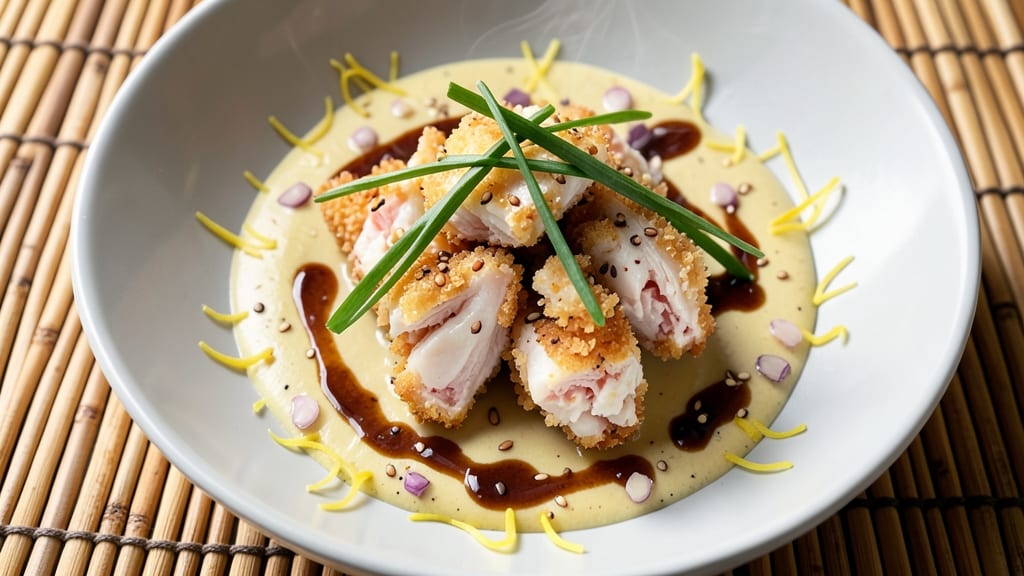
This Asian-style crab cake recipe delivers restaurant-quality bites with a crispy panko crust and tangy-sweet glaze that balances heat and umami. The secret lies in blending fresh lump crab with aromatic ginger, garlic, and sesame oil, then encasing it in a light batter that fries to golden perfection.
Unlike traditional crab cakes, this version incorporates subtle Asian flavors—like a hint of chili and fish sauce—that elevate every bite without overpowering the delicate crab.
The technique is straightforward but requires precision: chilling the crab mixture before shaping ensures clean cuts, while frying in small batches guarantees a crispy exterior that stays intact. The sweet chili glaze, brushed on just before serving, adds a glossy finish and a perfect balance of sweetness and spice.
What makes these stand out is how the flavors come together—creamy crab, crunchy crust, and a sauce that ties it all into one addictive bite.
These crab cakes shine as an appetizer for dinner parties or a satisfying lunch with a side salad. The glaze pairs beautifully with cool, crisp greens or a tangy mango salsa, while the crispy texture makes them irresistible on their own.
With just 15 minutes of active prep and 10 minutes of frying, you’ll have a dish that feels special without requiring hours in the kitchen.
Serve with extra glaze on the side for dipping or sprinkle with sesame seeds for added texture. The key to success? Don’t overcrowd the pan, and keep the oil at a steady 350°F—this ensures every bite is crispy on the outside and tender within.
Ready to impress with minimal effort? Let’s get cooking.
Ingredients for asian style crab cake
Fresh lump crab and aromatic Asian flavors create these restaurant-style crab cakes with crispy panko crusts.
| Ingredient | Amount | Notes |
|---|---|---|
| Fresh Lump Crab Meat 🦀 | 1 ½ lb | Backfin or jumbo lump preferred |
| Japanese Panko Breadcrumbs 🍞 | 1 cup | For extra crispiness |
| All-Purpose Flour 🌾 | ½ cup | For light batter |
| Large Eggs 🥚 | 2 whole | Beaten for binding |
| Fresh Ginger 🌿 | 1 ½ tbsp | Finely grated, aromatic |
| Garlic Cloves 🧄 | 3 cloves | Minced, aromatic |
| Sesame Oil 🫒 | 1 tbsp | Toasted for depth |
| Mayonnaise 🥫 | ¼ cup | Full-fat preferred |
| Dijon Mustard 🍯 | 1 tbsp | For tangy flavor |
| Fish Sauce 🐟 | 1 tsp | Red Boat preferred |
| Vegetable Oil 🫒 | 2 cups | For frying at 350°F |
| Red Chili Flakes 🌶️ | ½ tsp | Adjust for heat |
| Salt 🧂 | 1 tsp | Kosher preferred |
| Black Pepper 🌶️ | ½ tsp | Freshly ground |
| Sesame Seeds 🌱 | 1 tbsp | For garnish |
The crab makes or breaks this dish—fresh lump crab is non-negotiable. Backfin or jumbo lump holds together best, and you can find it at seafood markets or well-stocked grocery stores like Whole Foods or Trader Joe's. Look for crab that's bright white and has a clean, briny smell. Panko is key for that perfect crispy texture, but if you can't find Japanese panko, regular breadcrumbs toasted in a dry pan work in a pinch. The ginger and garlic should be freshly grated/minced—pre-minced garlic lacks flavor, and dried ginger is too strong here. For the sesame oil, toasted sesame oil adds depth, while regular sesame oil works for frying.
No fish sauce? Soy sauce or coconut aminos work in a bind, though the umami won't be quite the same. Short on Dijon? Yellow mustard at half the amount gets you close. The mayo keeps the crab cakes tender—full-fat is essential for that creamy texture. For the glaze, Red Boat fish sauce is the gold standard, but Thai Kitchen brand is a budget-friendly alternative. The chili flakes can be swapped for Sriracha at one-third the amount, though you'll lose that smoky depth. If you're serving these to guests who dislike heat, skip the chili flakes entirely—they're optional but add great contrast.
Keep the crab cakes shaped on a tray in the fridge for up to 4 hours before frying—this ensures clean cuts. The fried crab cakes reheat best in a 350°F oven for 5-7 minutes, though they're best served fresh. Store leftover glaze in an airtight container in the fridge for 1 week, and the panko mixture (without crab) can be prepped 1 day ahead. For extra crispiness, double-fry the crab cakes: fry once, cool, then fry again before glazing. These keep well for 2 days in the fridge, though the crust loses some crunch over time.
Why You'll Love This Recipe
- No-Fuss Assembly: I swear by this recipe because it’s almost no work. Mince the ginger, mix the crab with panko and egg—done. No rolling, no shaping stress, just fold and pan-fry. Even my lazy Sundays appreciate this.
- Crispy-Creamy Magic: That first bite? The panko gives a shatteringly crisp crust while the crab stays buttery inside. Add the fresh ginger’s zing, and it’s like a tiny flavor explosion—no heavy sauces needed.
- Weeknight to Dinner Party: Make a batch on Monday, reheat for lunch all week. Or double it for a crowd—these disappear at gatherings. Serve with spicy mayo or just plain, they’re always a hit. (Yes, even my picky uncle.)
- Budget-Friendly Luxury: Fresh lump crab feels fancy, but a few dollars’ worth goes a long way here. Stretch it with rice or noodles, or freeze extras for later. Fancy dinner without the restaurant price tag.
Step-by-step instructions for Asian style crab cakes
Here's how to achieve that perfect balance of crispy exterior and tender interior with our signature Asian-inspired technique.
Prepare the Crab Mixture
In a large mixing bowl, combine the 1.5 lb fresh lump crab meat with the 0.25 cup mayonnaise, 1 tbsp Dijon mustard, 1 tsp fish sauce, 1.5 tbsp finely grated fresh ginger, and 3 minced garlic cloves. Gently fold everything together with your hands or a rubber spatula until just combined—you want to preserve the crab's delicate texture without overworking it.
This mixture should be moist but not soupy. If it feels too dry, add 1-2 teaspoons of cold water to help bind everything together. The mayonnaise acts as a natural binder while the mustard and fish sauce provide that signature Asian tang. Don't skip the ginger and garlic—these aromatics form the flavor foundation of our crab cakes.
Create the Crispy Panko Crust
In a separate medium bowl, whisk together the 0.5 cup all-purpose flour, 1 cup Japanese panko breadcrumbs, 1 tsp salt, 0.5 tsp black pepper, and 0.5 tsp red chili flakes until evenly distributed. The panko should look like it's coated with a fine flour dusting—this ensures maximum crispiness when fried.
I like to toast the panko briefly in a dry skillet over medium heat for 1-2 minutes while stirring constantly. This enhances its nutty flavor and removes any potential moisture that could make your crust soggy. Let it cool completely before proceeding—warm panko will absorb too much of the egg mixture and create a gummy coating instead of a crispy crust.
Form and Chill the Crab Cakes
Create a well in the center of the flour-panko mixture and gently crack the 2 whole large eggs into it. Using a fork, whisk the eggs lightly until they're just combined with the flour mixture. Then carefully fold in the crab mixture until everything is evenly incorporated. The batter should be thick but still hold together when pressed.
Using your hands, form the mixture into 4 equal patties, about ¾-inch thick each. Place them on a parchment-lined baking sheet and cover with plastic wrap. Refrigerate for at least 30 minutes—this chilling step is crucial. It firms up the crab cakes so they hold their shape when frying and helps develop that perfect crispy crust. I usually chill mine for 45 minutes to be safe, especially if my kitchen is warm.
Fry to Golden Perfection
Heat 2 cups vegetable oil in a deep skillet to 350°F—this is the sweet spot for achieving that crispy exterior while keeping the interior tender. You'll know the oil is ready when a small piece of bread dropped in browns immediately. Maintain this temperature consistently using a thermometer.
Working in batches to avoid overcrowding, carefully slide the chilled crab cakes into the hot oil. Fry for 2-3 minutes per side until they're deep golden brown and the edges are crispy. Don't press down on them with your spatula—this will make them dense. Instead, let them cook undisturbed until they release easily from the pan.
Finish and Serve
Transfer the fried crab cakes to a paper towel-lined plate to drain any excess oil. Immediately brush the top of each cake with 1 tbsp toasted sesame oil and sprinkle with 1 tbsp sesame seeds while they're still hot. This final step adds that authentic Asian touch and helps the seeds stick to the crispy surface.
Serve immediately while the crab cakes are still hot and crispy. The exterior should be a beautiful golden brown with a satisfying crunch, while the interior remains tender with juicy crab pieces throughout. For extra flavor, you can serve them with a side of sweet chili sauce or a simple cucumber salad to complement the rich, savory crab.
Pro Tips For Making Asian Style Crab Cake
- Chill the Crab First: Fresh lump crab meat is delicate—handle it like it’s fragile. Pop it in the fridge for 10-15 minutes before mixing to firm it up slightly. This keeps the cakes from falling apart when you flip them, especially if your crab’s still warm from the sea. (Yes, even if you’re impatient like me.)
- Toast Panko in Stages: Don’t just dump panko in the pan—it burns faster than you think. Lightly toast half in a dry skillet over medium heat until golden, then set aside. Repeat with the rest. This adds texture without sacrificing crispiness, and the extra step guarantees that crunch you’re paying for.
- Mince Ginger Like You Mean It: Skip the grater and use a sharp knife. Finely mince the ginger into a paste—no big chunks. This blends seamlessly into the mix, giving you that bright, aromatic kick without the texture surprise. (Your future self will notice the difference.)
- Press Cakes Firm, Not Flat: When shaping the cakes, press them just enough to hold together—think dense sushi, not pancakes. Over-flattening makes them dry out faster. A light hand keeps them moist inside while still crisp on the outside. (And yes, they’ll still hold their shape when frying.)
Pro cooking tips for asian style crab cake
Chill for Crispy Success
Never skip the 30-45 minute chill before frying—this is non-negotiable for perfect texture. The cold temperature firms up the crab mixture so it holds together when fried, preventing crumbly edges.
I place my shaped crab cakes on a tray lined with parchment paper and cover them with plastic wrap to prevent drying. For extra insurance, especially in warm kitchens, chill them for the full 45 minutes before frying. This step also helps the panko crust develop maximum crispiness. 🥶
Oil Temperature Matters
Use a deep-fat thermometer to maintain oil at exactly 350°F—this is the sweet spot for a crispy exterior without burning. I test the oil by dropping in a small piece of bread; if it browns in 30 seconds, the oil is ready.
Avoid overcrowding the pan—fry in batches of 2 crab cakes at a time to maintain even heat. If the oil temperature drops below 340°F, your crab cakes will absorb too much oil and lose crispiness. 🌡️
Double-Fry for Extra Crunch
For restaurant-quality crispiness, try the double-fry method: fry the crab cakes once for 2 minutes per side, then let them cool on a wire rack for 5 minutes. Return them to the oil for another 1-2 minutes per side until golden again.
This second fry reactivates the starches in the panko, creating an even crunchier crust. I only do this for special occasions, but it’s worth the effort for gatherings. ✨
Shape Uniformly
Use a small ice cream scoop or ¼-cup measuring cup to portion the crab mixture evenly for consistent results. Each patty should be ¾-inch thick—too thick and they’ll stay undercooked inside, too thin and they’ll burn before cooking through.
Press the mixture gently but firmly to eliminate air pockets, which can cause uneven cooking. I like to use my hands for shaping, but a wet spatula works too. 🍴
Sesame Oil Finishing
Brush the hot crab cakes with toasted sesame oil just before serving—this adds an aromatic depth that regular sesame oil can’t match. I use a small pastry brush for even coverage, then immediately sprinkle with sesame seeds while the oil is still warm.
This step should happen right after frying, as the seeds need the heat to stick properly. For extra flair, lightly dust with smoked paprika or a pinch of chili flakes for a smoky kick. 🌶️
Frying Troubleshooting
If your crab cakes turn out oily or greasy, your oil temperature was too low or the batter was too wet. For soggy crusts, either the panko wasn’t toasted enough or the crab cakes weren’t chilled properly.
If they fall apart, the mixture wasn’t bound well—add 1 extra egg or 1 tbsp extra flour to the batter next time. Always drain fried crab cakes on a wire rack (not paper towels) to keep them crispy longer. 💡
Nutrition facts
Frequently asked questions
Can I use frozen crab meat instead of fresh?
Frozen lump crab works in a pinch, but fresh is ideal for texture. If using frozen, thaw it completely in the fridge overnight first. Drain any excess liquid and pat the crab dry with paper towels before mixing—this prevents soggy crab cakes. For best results, look for "pre-cooked" frozen lump crab labeled for crab cakes.
How do I make these gluten-free?
Replace the panko with gluten-free breadcrumbs (toasted in oil) and swap all-purpose flour for a 1:1 gluten-free flour blend. Use tamari instead of soy sauce in the glaze. The texture will be slightly different but still crispy. For extra binding, add 1 tbsp cornstarch to the batter mixture.
What's the best way to reheat leftover crab cakes?
Reheat in a 375°F oven for 5-7 minutes on a wire rack to maintain crispiness. For stovetop, pan-fry in 1 tbsp neutral oil over medium heat for 2 minutes per side. Avoid microwaving—it makes the crust soggy. The glaze can be reheated separately in a small saucepan over low heat.
Can I bake these instead of frying?
Yes! Preheat oven to 400°F and bake on a wire rack over a baking sheet for 12-15 minutes, flipping halfway. Brush with sesame oil and bake 2-3 more minutes for color. The texture will be lighter than fried but still delicious. For extra crispiness, broil for 1 minute at the end.
How do I adjust the heat level?
For milder flavor, reduce chili flakes to ¼ tsp or omit entirely. For extra heat, add ½ tsp gochujang to the batter or 1 tsp Sriracha to the glaze. The fish sauce already provides umami depth, so adjust chili to taste after tasting the batter—remember it intensifies when fried.