
Desserts
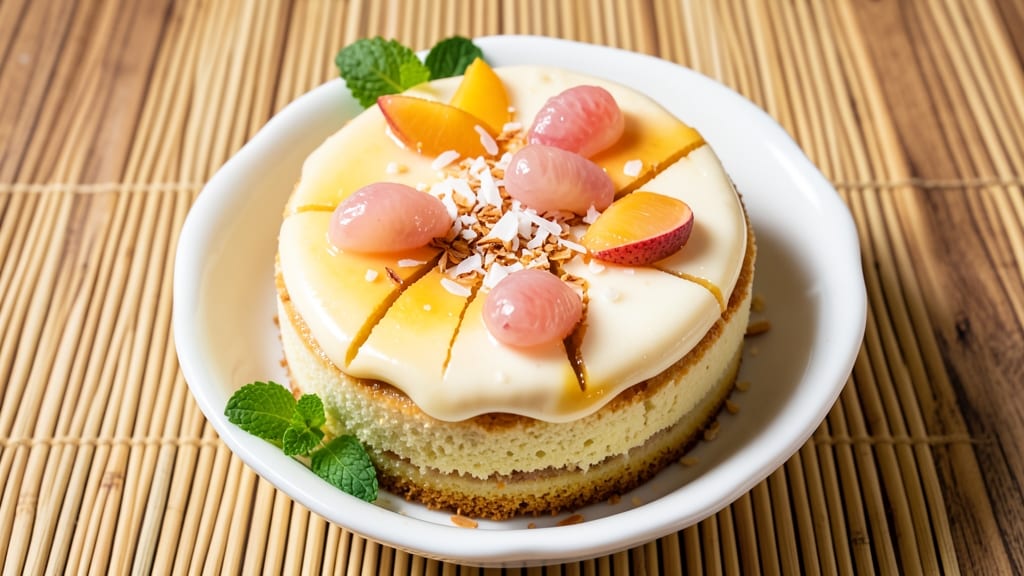
This Asian fruit cream cake recipe transforms ordinary baking into a celebration of tropical flavors and delicate textures. The layers of light, airy sponge cake are infused with fragrant pandan, while vibrant fruit fillings—think mango, lychee, or passionfruit—add bursts of brightness that balance the creamy custard layers.
I developed this recipe after years of experimenting with Asian desserts, seeking the perfect harmony between traditional techniques and modern tastes.
The secret lies in the three-step assembly: baking a tender sponge cake, preparing a velvety custard that’s neither too sweet nor too rich, and layering it with fresh fruit purées or whole fruit for natural sweetness.
You’ll need just a few key ingredients—flour, eggs, cream, and your choice of tropical fruits—along with a touch of pandan extract for that signature aromatic depth. The result is a cake that’s light enough to feel indulgent yet substantial enough to satisfy a crowd.
What makes this recipe stand out is its versatility—swap in seasonal fruits like rambutan or dragonfruit, or adjust the sweetness to your preference. The custard layers stay silky and cohesive even when chilled, and the fruit fillings keep their natural vibrancy without turning mushy.
Perfect for special occasions or a weekend treat, this cake is as beautiful as it is delicious.
Serve it with a dusting of powdered sugar, a drizzle of caramel, or a sprinkle of toasted coconut for added texture. Pair it with a cup of jasmine tea or a glass of lychee-infused wine to elevate the experience.
Let’s bake this tropical masterpiece together—your kitchen will smell like a paradise.
Ingredients for asian fruit cream cake
Tropical flavors meet delicate textures in this vibrant fruit cream cake.
| Ingredient | Amount | Notes |
|---|---|---|
| All-Purpose Flour 🌾 | 2 ½ cups | Sifted for light texture |
| Granulated Sugar 🍚 | 1 ½ cups | Superfine preferred for smoothness |
| Large Eggs 🥚 | 6 whole | Room temperature for even mixing |
| Unsalted Butter 🧈 | 1 cup | Softened to room temperature |
| Pandan Extract 🌿 | 1 tbsp | Pure extract for authentic aroma |
| Vanilla Extract 🌸 | 1 tsp | Pure vanilla preferred |
| Baking Powder 🧂 | 1 tbsp | Freshly opened for lift |
| Salt 🧂 | ½ tsp | Fine sea salt preferred |
| Heavy Cream 🥛 | 3 cups | Cold for whipped cream |
| Whole Milk 🥛 | ½ cup | For custard smoothness |
| Cornstarch 🌾 | 2 tbsp | For custard thickening |
| Mature Cheddar Cheese 🧀 | 8 oz | Shredded for custard richness |
| Fresh Mango 🥭 | 2 cups | Puréeed for fruit layer |
| Fresh Lychee 🍈 | 1 ½ cups | Peeled and chopped for filling |
| Powdered Sugar 🍚 | 1 cup | For dusting layers |
| Toasted Coconut Flakes 🥥 | ¼ cup | For garnish and crunch |
The pandan extract is non-negotiable for that signature aroma—Trader Joe's carries it, or look for it in Asian markets. For the butter, grab unsalted (the salted kind throws off the delicate balance). The flour should be all-purpose, but if you want extra tenderness, swap in half a cup of cake flour. Eggs? Room temperature is key—they mix better and give you that perfect lightness. I always buy my eggs from the local farm stand when they're on sale, but grocery store eggs work just fine. The baking powder needs to be fresh—if it's over a year old, toss it. For the custard, heavy cream is a must—light cream won't whip up properly.
No pandan extract? Vanilla bean paste at double the amount gives a similar floral note. Running out of mango? Passionfruit or rambutan work beautifully—just adjust the sweetness to taste. The custard can be made a day ahead (it actually tastes better after chilling), but don't skip the cornstarch—it's what keeps that silky texture. For the cheese, mature cheddar gives the best flavor, but Gouda or Gruyère work too. If you're feeling adventurous, add a splash of lychee liqueur to the custard for extra depth. The fruit purée should be smooth—blend until silky, then strain if there are any fibers.
This cake keeps beautifully—3 days in the fridge, covered tightly. The custard layers stay firm, and the fruit flavors actually intensify. For serving, I like to dust with powdered sugar right before cutting—it keeps the layers from sticking. The toasted coconut flakes? Toast them in a dry pan for 2-3 minutes until golden—don't walk away, or they'll burn. Portion into individual slices for parties, or keep it whole for a showstopping centerpiece. The flavors meld even better after a night in the fridge, so make it ahead if you can.
Why You'll Love This Recipe
- No-Fuss Layers: This cake’s magic is in its simplicity—just creamed butter, sugar, and eggs folded into flour, then topped with that dreamy fruit cream. No fancy techniques, no stressing over exact measurements. I’ve made it while chatting on the phone, and it still turns out fluffy.
- Pandan Perfection: That little bottle of pandan extract? Game-changer. It gives the cake this subtle, floral warmth that makes every bite taste like a tropical vacation. Honestly, it’s the secret ingredient that makes this feel special without extra effort.
- Party or Picnic: Slice it for a potluck, pack it for a lunchbox, or serve it at a birthday—this cake adapts. The fruit cream layer keeps it moist, so it travels well, and the vanilla-pandan flavor is universally loved. (Yes, even my picky nephew asks for seconds.)
- Budget-Friendly Luxury: Butter, eggs, and flour? Pantry staples. No pricey shortcuts here. I’ve made this for under $10 and still felt like I’d served something from a bakery. Plus, leftovers stay fresh for days—perfect for when you bake once and eat twice.
Step-by-step instructions for Asian fruit cream cake
Here's how to build this layered masterpiece with vibrant fruit and silky cream filling.
Prepare the Tropical Fruit Layers
Start by puréeing the 2 cups of fresh mango until completely smooth—no chunks should remain. Strain through a fine-mesh sieve to remove any fibers for a velvety texture. In a separate bowl, peel and finely chop the 1.5 cups of fresh lychee, removing the pits completely. Set both fruit preparations aside—they'll form your cake's signature vibrant layers.
For the lychee, I like to toss them with 1 tablespoon of the powdered sugar to enhance their natural sweetness. This step ensures your fruit layers stay fresh and bright rather than soggy. Keep both fruit mixtures covered in the fridge until ready to assemble—this prevents browning and maintains their fresh flavor.
Bake the Light Spiced Layers
Preheat your oven to 350°F and grease three 8-inch round cake pans. In a large mixing bowl, combine the 2.5 cups of sifted all-purpose flour, 1.5 cups of granulated sugar, 1 tablespoon of baking powder, and 0.5 teaspoon of salt. In a separate bowl, beat the 6 whole large eggs until frothy, then gradually add the 1 cup of softened unsalted butter while mixing on medium speed.
Slowly incorporate the dry ingredients into the butter-egg mixture, alternating with the 0.5 cup of whole milk, beginning and ending with the flour. Stir in the 1 tablespoon of pandan extract and 1 teaspoon of vanilla extract until just combined—don't overmix. Divide the batter evenly among the prepared pans and bake for 25-30 minutes or until a toothpick inserted comes out clean. Let the layers cool completely before assembling.
Create the Signature Cream Filling
In a medium saucepan, combine the 3 cups of cold heavy cream, 2 tablespoons of cornstarch, and 8 ounces of shredded mature cheddar cheese. Cook over medium heat, stirring constantly with a wooden spoon, until the mixture thickens to a smooth, custard-like consistency—about 5-7 minutes. Remove from heat and let cool completely, stirring occasionally to prevent a skin from forming.
While the cream cools, whip the remaining 1 cup of powdered sugar into it until light and fluffy. This step is crucial for achieving that signature airy texture. The cream should hold its shape when spooned—it should be thick enough to pipe but still spreadable. If it's too thick, chill it for 10 minutes before proceeding.
Assemble the Layered Cake
Place the first cake layer on a serving plate and spread an even layer of the mango purée over the top. Add the second layer and spread the lychee mixture, followed by the third layer. Now comes the fun part—spread the cream filling evenly between each layer, using a spatula to create a smooth surface. The key here is to work quickly to prevent the cream from melting.
For that final touch, dust the top and sides of the cake with the remaining powdered sugar and sprinkle the 0.25 cup of toasted coconut flakes evenly over the top. Chill the assembled cake in the refrigerator for at least 2 hours before serving. This chilling time allows the layers to set properly and the flavors to meld together beautifully.
Serve with Confidence
Slice the cake with a sharp, hot knife for clean cuts and serve each piece immediately. The contrast of the warm cake layers with the cool cream filling creates a truly magical eating experience. Each bite should deliver the tropical sweetness of mango and lychee, balanced by the subtle pandan aroma and the creamy richness of the custard.
This cake keeps well in the refrigerator for up to 3 days, though I promise you won't have leftovers. For an extra special touch, garnish each serving with a few extra lychee slices or a sprinkle of toasted coconut flakes just before serving to maintain that restaurant-quality presentation.
Pro Tips For Making Asian Fruit Cream Cake
- Whisk Butter Slowly: If you dump cold butter into your sugar and eggs at once, you’ll end up with lumps that never dissolve—no matter how much you beat it. Instead, break the butter into small cubes and add them one at a time, letting each melt into the mixture before adding the next. I learned this the hard way when my first cake turned out greasy instead of creamy.
- Weigh Your Flour: Scooping flour from the bag packs in air, which means your cake will be dense instead of light. Use a kitchen scale and measure flour by weight (usually 120-150g for this recipe) for consistent results. Yes, it’s a pain, but your texture will thank you—especially if you’re using all-purpose flour, which can vary wildly in density.
- Skip Overmixing Batter: The moment your batter turns pale and rubbery, stop. Overmixing develops gluten, which makes the cake tough instead of tender. Fold in any fruit or cream layers gently with a spatula—just until combined. I used to ignore this and ended up with a cake that tasted more like a dense bread than a fluffy dessert.
- Chill the Batter: If your kitchen’s warm, give the batter a 30-minute rest in the fridge before baking. This lets the flour absorb moisture and prevents cracks or a domed top. I was skeptical until I tried it—now I never skip it, especially in humid weather. Just don’t let it get cold; room temp is all you need.
Best sauces and condiments for this asian fruit cream cake
Tropical Fruit Purées
Fresh fruit purées are the star of this cake, and they need to be silky smooth. For the mango layer, I blend 2 cups of ripe fruit with 1 tablespoon lime juice to prevent browning—this keeps it vibrant for hours.
Strain through a fine-mesh sieve to eliminate any fibers that could make the texture gummy. For the lychee layer, I toss 1.5 cups chopped lychee with 1 tablespoon powdered sugar to enhance their natural sweetness while keeping them intact for texture contrast. 🥭
Coconut Caramel Drizzle
A light coconut caramel drizzle elevates this cake to restaurant-level elegance. Melt ½ cup coconut sugar with 2 tablespoons coconut cream over low heat until golden, then whisk in 1 tablespoon toasted coconut milk for richness.
Let it cool slightly before drizzling over the assembled cake—this adds a subtle caramelized depth that complements the fruit flavors beautifully. The key is patience: simmer for 5-7 minutes until it reaches a 230°F candy thermometer reading.
Pandan Custard Glaze
For an extra layer of pandan flavor, whip ½ cup heavy cream with 2 tablespoons powdered sugar and ½ teaspoon pandan extract until soft peaks form. Drizzle this lightly over the top of the cake before chilling—it adds a fragrant, floral finish that ties all the flavors together.
This glaze also serves as a moisture barrier, keeping the cake layers tender for up to 3 days in the fridge. A light dusting of powdered sugar on top gives it that professional bakery look.
Spiced Honey Syrup
Infuse ¼ cup honey with ½ teaspoon ground cinnamon and ¼ teaspoon star anise by simmering for 3 minutes. Strain and drizzle lightly over the cake layers before assembling—this adds warmth that balances the tropical fruit's brightness.
The syrup also helps the layers adhere better during chilling. For extra depth, add 1 teaspoon lime zest to the syrup for a citrusy kick that brightens every bite. 🍯
Toasted Sesame Crunch
For a nutty contrast, toast 2 tablespoons sesame seeds in a dry pan over medium heat for 2-3 minutes until golden brown. Sprinkle them over the cake just before serving—they add a satisfying crunch that cuts through the creaminess.
I also like to mix them with the toasted coconut flakes for a dual-texture finish. Store-bought sesame seeds work, but freshly toasted ones have a much more intense flavor. Keep a small batch in an airtight container for up to 1 week.
Lychee Liqueur Infusion
For a boozy twist, add 1 tablespoon lychee liqueur to the custard filling while it's still warm. This enhances the fruit flavors and adds a sophisticated depth that pairs beautifully with the pandan.
If you're serving this to guests who don't drink alcohol, simply add 1 tablespoon extra powdered sugar to the custard instead. The liqueur should be added gradually—start with ½ tablespoon and taste before adding more to avoid overpowering the delicate cake layers.
Nutrition facts
Frequently asked questions
Can I make this cake without pandan extract?
While pandan gives that signature floral aroma, you can substitute with 2 teaspoons vanilla bean paste or 1 teaspoon vanilla extract plus ½ teaspoon almond extract for a similar depth. For a fruitier twist, try 1 tablespoon passionfruit purée in the cake batter. The key is balancing flavors—reduce the sugar slightly if using very sweet substitutes.
How do I prevent the fruit layers from making the cake soggy?
Use fresh, not canned fruit and strain all purées thoroughly to remove excess liquid. For lychee, toss with 1 tablespoon powdered sugar to absorb moisture. Chill the assembled cake for at least 2 hours before slicing, and store it in the fridge. The custard layers act as a natural barrier against sogginess when properly chilled.
What's the best way to store leftovers?
Wrap individual slices in plastic wrap and store in an airtight container for up to 3 days. The cake actually tastes better the next day as flavors meld! For longer storage, freeze slices (up to 1 month))—thaw at room temperature for 30 minutes before serving. The custard layers stay firm when frozen properly.
Can I use canned fruit instead of fresh?
While fresh fruit gives the best texture, you can use canned fruit in a pinch. Drain thoroughly and mix with 1 tablespoon cornstarch to absorb excess moisture. For purées, blend canned fruit with 1 tablespoon lime juice to brighten flavors. Just be prepared for slightly less vibrant colors and a denser texture compared to fresh fruit.
How do I adjust the sweetness level?
Taste the custard before assembling—reduce sugar by 1 tablespoon increments if it's too sweet. For fruit layers, add ½ teaspoon lime zest to enhance natural sweetness without sugar. The cake batter's sugar can be reduced by ¼ cup if using very ripe fruit. Remember: tropical fruits vary in sweetness—adjust gradually!