
Desserts
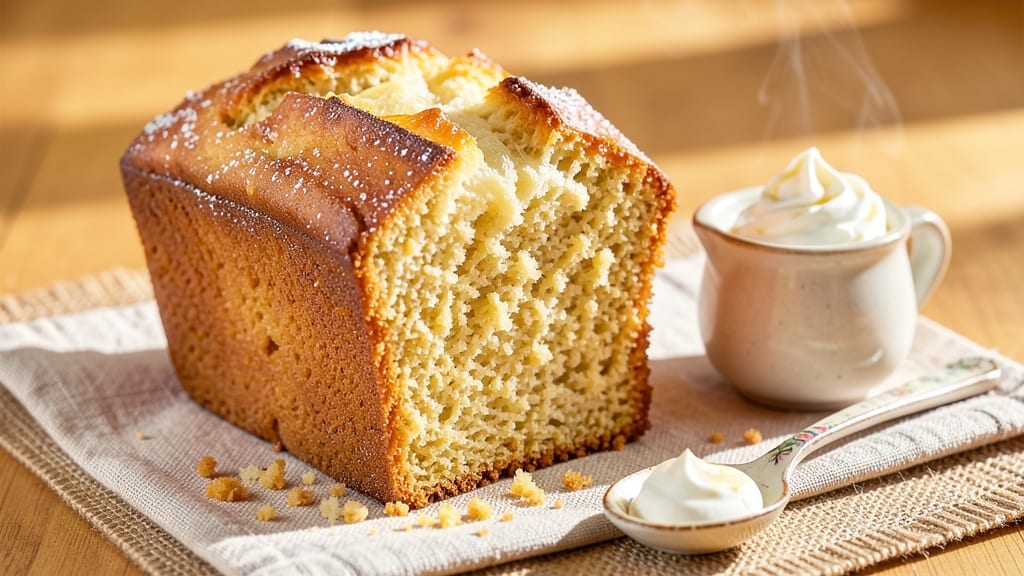
Aunt Sue's famous pound cake recipe delivers layers of buttery richness with vanilla-kissed moisture that stays fresh for days. This classic Southern dessert has been a family heirloom for generations, known for its tender crumb and perfect balance of sweetness.
The secret lies in precise measurements and gentle folding to maintain that signature light texture.
The cake begins with a simple yet essential mix of butter, sugar, and eggs, whipped together until pale and fluffy—a technique that creates the signature fine crumb. Flour and vanilla extract are folded in just until combined, ensuring no overmixing that could make the cake dense.
Baked at 350°F for about 60 minutes, the result is a golden, domed cake with a delicate interior.
What makes this pound cake truly special is its ability to stay moist even after cooling, thanks to Aunt Sue’s signature touch of not overbaking. The vanilla adds depth without overpowering, while the butter ensures every slice is rich and satisfying.
This recipe is perfect for celebrations, gifts, or simply enjoying a slice with tea.
Optional variations include adding citrus zest for brightness or a splash of bourbon for warmth, but the classic version remains timeless. Whether you're baking for a special occasion or just craving a classic treat, this recipe delivers restaurant-quality results at home.
Ingredients for aunt sue's famous pound cake
Butter, sugar, and vanilla form the golden trio for this timeless Southern treasure.
| Ingredient | Amount | Notes |
|---|---|---|
| Unsalted Butter 🧈 | 1 lb | Room temperature, European-style preferred |
| Granulated Sugar 🍚 | 2 cups | Superfine for smoother texture |
| Large Eggs 🥚 | 4 whole | Room temperature for even mixing |
| All-Purpose Flour 🌾 | 2 cups | Sifted, spooned and leveled |
| Pure Vanilla Extract 🌿 | 2 tbsp | Bourbon-infused for depth |
| Baking Powder 🧂 | 1 tsp | Aluminum-free for tender crumb |
| Salt 🧂 | ½ tsp | Fine sea salt preferred |
| Lemon Zest 🍋 | 1 tbsp | Optional for brightness |
| Milk 🥛 | ½ cup | Whole milk for richness |
The butter makes or breaks this cake. European-style unsalted butter has higher fat content, giving that signature tender crumb. Kirkland Signature or Plugrá are my go-tos—both deliver that buttery richness without overpowering. Room temperature is non-negotiable; cold butter won't whip properly. For the sugar, superfine sugar dissolves faster, but if you only have granulated, pulse it in a food processor first. The vanilla? Bourbon-infused adds depth, but pure Madagascar bourbon works too. I always buy a small bottle of high-quality vanilla—it's worth the investment for this recipe.
No European butter? Land O'Lakes or Parkay work in a pinch, but expect slightly less richness. Short on vanilla? Vanilla bean paste at half the amount gives you those little specks of joy. The milk can be swapped for heavy cream or buttermilk—either adds moisture. For the flour, King Arthur or Gold Medal are reliable, but any all-purpose will do. Need a gluten-free version? Bob's Red Mill 1:1 baking flour works well. The lemon zest is optional but adds that bright pop that keeps the cake from feeling too heavy—worth the extra minute to zest fresh.
Butter and eggs should sit at room temperature for at least 2 hours before mixing. The cake keeps beautifully wrapped in parchment at room temperature for 3 days, or in the fridge for 1 week. For longer storage, slice and freeze portions between parchment—thaws in 30 minutes. The secret to that signature moistness? Don't overbake. The cake will still be slightly jiggly in the center when done. I always bake two cakes at once—one for the table, one to slice and freeze for lazy mornings.
Why You'll Love This Recipe
- No-Fuss Mixing: I swear by the creaming method here—just butter and sugar until it’s light and fluffy, then fold in eggs one at a time. No electric mixer? A sturdy wooden spoon works just as well. The dough comes together in minutes, and honestly, that’s half the battle won.
- Vanilla-Kissed Magic: That single teaspoon of pure vanilla extract isn’t just flavor—it’s the soul of this cake. The butter and sugar create this rich, tender crumb, but the vanilla ties it all together into something so comforting, it’s the kind of dessert that makes you pause mid-bite. (Yes, even on a Tuesday night.)
- Classic Crowd-Pleaser: Birthday? Brunch? A simple "I’m home" celebration? This cake fits every occasion without needing frosting or fuss. Between us, I’ve seen it disappear at family gatherings faster than the good plates. The simplicity is what makes it work—no one’s complaining about the taste.
Step-by-step instructions for Aunt Sue's famous pound cake
Here's how to achieve that legendary buttery texture and perfect moisture every time.
Cream the Butter and Sugar to Light and Fluffy
In a stand mixer fitted with the paddle attachment, beat the 1 lb unsalted butter and 2 cups granulated sugar on medium speed for 5-7 minutes. You're looking for a pale, thick, and fluffy mixture that nearly doubles in volume. This creaming process incorporates air, which creates that signature tender crumb.
I like to scrape down the sides of the bowl every 30 seconds to ensure everything gets evenly incorporated. The butter should look smooth and completely homogeneous by the end—no streaks of white should remain. This step is critical for achieving that classic pound cake texture that's both rich and light.
Add Eggs and Vanilla Extract
Add the 4 whole large eggs, one at a time, mixing on low speed for 30 seconds after each addition. This gradual incorporation prevents the eggs from scrambling. After all eggs are added, increase the speed to medium and mix for another 2 minutes until the mixture is fully combined and slightly thickened.
Next, add the 2 tbsp pure vanilla extract and mix for 30 seconds on low speed. The vanilla will blend seamlessly, infusing the batter with its rich, aromatic flavor. I always use bourbon-infused vanilla extract for that extra depth of flavor that makes this cake truly special. The mixture should now be smooth and well-emulsified.
Combine Dry Ingredients and Milk
In a separate bowl, whisk together the 2 cups all-purpose flour, 1 tsp baking powder, 0.5 tsp salt, and 1 tbsp lemon zest. The lemon zest adds a subtle brightness that complements the vanilla beautifully. Sift the dry ingredients together to remove any lumps and ensure even distribution.
With the mixer running on low speed, gradually add the dry ingredients to the butter mixture in three batches, alternating with the 0.5 cup milk. Begin and end with the dry ingredients. Mix just until combined—you should still see a few streaks of flour. Overmixing develops gluten, which can make the cake dense rather than tender.
Prepare the Cake Pans and Bake
Preheat your oven to 350°F. Generously butter and flour two 9-inch round cake pans or one 9x13-inch pan. I prefer the round pans for individual servings, but the sheet pan works well for a larger gathering. Pour the batter evenly into the prepared pans, filling them about two-thirds full.
Bake for 50-60 minutes or until a toothpick inserted into the center comes out clean. The cake should be golden brown on top and pull away slightly from the edges of the pan. If the top browns too quickly, tent the pans with aluminum foil to prevent over-browning while allowing the cake to cook through evenly.
Cool and Serve
Remove the cakes from the oven and let them cool in the pans for 10 minutes. Then, invert them onto a wire rack to cool completely. This gradual cooling process helps the cake set properly and prevents it from becoming gummy. Once fully cooled, you can slice and serve.
Aunt Sue's pound cake is best enjoyed at room temperature, allowing the flavors to fully develop. Each slice should be rich, moist, and perfectly balanced with buttery layers and vanilla-kissed sweetness. Store any leftovers in an airtight container at room temperature for up to 3 days or refrigerate for up to 5 days. For longer storage, wrap tightly in plastic wrap and freeze for up to 3 months.
Pro Tips For Making Aunt Sue'S Famous Pound Cake
- Cream Butter Slowly: I used to dump the butter and sugar in at once and crank the mixer, but that just traps air like a cheap balloon. Instead, add the butter in stages—about 1 tablespoon at a time—while mixing on medium. Let each addition fully incorporate before adding more, or you’ll end up with a cake that’s dense as a brick.
- Room-Temp Eggs Matter: Cold eggs? Forget it. Pull them out of the fridge at least 30 minutes before cracking—better yet, let them sit in warm water for 5 minutes if you’re in a rush. Cold yolks won’t emulsify right, and your cake will turn out greasy instead of tender. (Yes, even if you’re impatient like me.)
- Don’t Overmix the Flour: Once you fold in the flour, stop after 10-12 strokes. I learned this the hard way—overmixing develops gluten, and suddenly your pound cake turns into a dry, chewy loaf instead of that classic moist crumb. Less is more; trust the process.
- Bake Until Internal Temp Hits 210°F: The recipe might say “bake until golden,” but that’s not enough. Use an instant-read thermometer and pull it out at 210°F—this guarantees even doneness without overbaking. (I skipped this once and ended up with a dry top slice that tasted like sawdust.)
Perfect pairings for these flavors
Classic Tea Pairings
This rich, buttery pound cake pairs beautifully with classic Southern teas like Earl Grey or Chamomile. The vanilla notes in the cake complement the bergamot in Earl Grey, while Chamomile's floral aroma enhances the cake's warmth.
I always keep a pot of Bigelow's Southern Charm tea brewing—its peach and blackberry flavors create a delightful contrast. Serve the tea slightly warmed to let the flavors meld together perfectly. 🍵
Creamy Coffee Companions
Aunt Sue's pound cake is a match made in heaven with cold brew coffee or a vanilla latte. The cake's buttery richness cuts through the bitterness of coffee beautifully.
For an extra touch, I drizzle a little honey over the cake and serve it with a Starbucks Vanilla Sweet Cream Cold Brew—the sweetness balances the cake's density. If you prefer hot coffee, a light roast with notes of caramel and fruit highlights the cake's vanilla and citrus undertones.
Fruit Compote Contrasts
Bright fruit compotes elevate this classic dessert. A warm peach compote made with 2 cups sliced peaches, 2 tbsp sugar, and 1 tbsp lemon juice adds a refreshing contrast to the cake's richness.
For a more decadent option, try a blackberry bourbon compote—simmer 1 cup blackberries, 1 tbsp bourbon, and 1 tbsp sugar until thickened. The bourbon ties back to the vanilla extract in the cake, creating a cohesive flavor profile. 🍑
Boozy Additions
For an adult-friendly twist, pair the cake with a bourbon old-fashioned or a glass of Moscato. The caramel and vanilla notes in the cake mirror the flavors in bourbon, while the bubbles in Moscato cleanse the palate.
I like to serve a small glass of Woodford Reserve bourbon neat or on the rocks—its smoothness complements the cake's buttery texture. For a lighter option, a dry Riesling with its citrus notes balances the cake's sweetness beautifully.
Seasonal Variations
In summer, pair the cake with sparkling lemonade or iced tea to cut through the richness. For fall and winter, a spiced chai latte or mulled wine adds warmth and depth.
I also love serving the cake with a warm apple cider during the holidays—its tartness contrasts the cake's sweetness perfectly. The key is to match the temperature of the beverage to the season while keeping the flavors complementary. ❄️
Nutrition facts
Frequently asked questions
Why does this pound cake stay moist longer than others?
The secret lies in Aunt Sue's technique of not overbaking and using European-style butter with higher fat content. The cake's structure remains tender because we mix just until combined (no overmixing) and bake until a toothpick comes out clean but still slightly jiggly. The milk also adds moisture that keeps it fresh for days.
Can I make this cake in a bundt pan instead of round pans?
A 10-12 cup bundt pan works beautifully—just reduce the baking time to 45-50 minutes since bundt cakes cook faster. Grease the pan thoroughly with butter and dust with flour. The cake will have the same rich texture but with stunning decorative ridges. For extra flair, add 1 tsp poppy seeds to the batter before baking.
What's the best way to store leftovers?
Wrap cooled slices in plastic wrap and store at room temperature for 3 days or refrigerate for 5 days. For longer storage, freeze slices between parchment paper for up to 3 months. Thaw at room temperature for 30 minutes before serving. The cake actually improves overnight as flavors meld!
How do I fix a cake that's cracked on top?
Cracking usually happens from sudden temperature changes. If it's minor, simply slice off the cracked top before serving. For prevention: Don't open the oven door early and tent with foil if browning too quickly. If the crack is deep, brush with simple syrup (equal parts sugar and water) to restore moisture. The texture underneath will still be perfect!
Can I substitute the vanilla extract?
Yes! Use 2 tbsp vanilla bean paste (for those little specks of joy) or 1 vanilla bean scraped plus 1 tbsp bourbon> for depth. For a citrus twist, replace half the vanilla with 1 tbsp orange extract. Just remember: pure vanilla extract gives the most authentic flavor to this classic recipe.