
Desserts
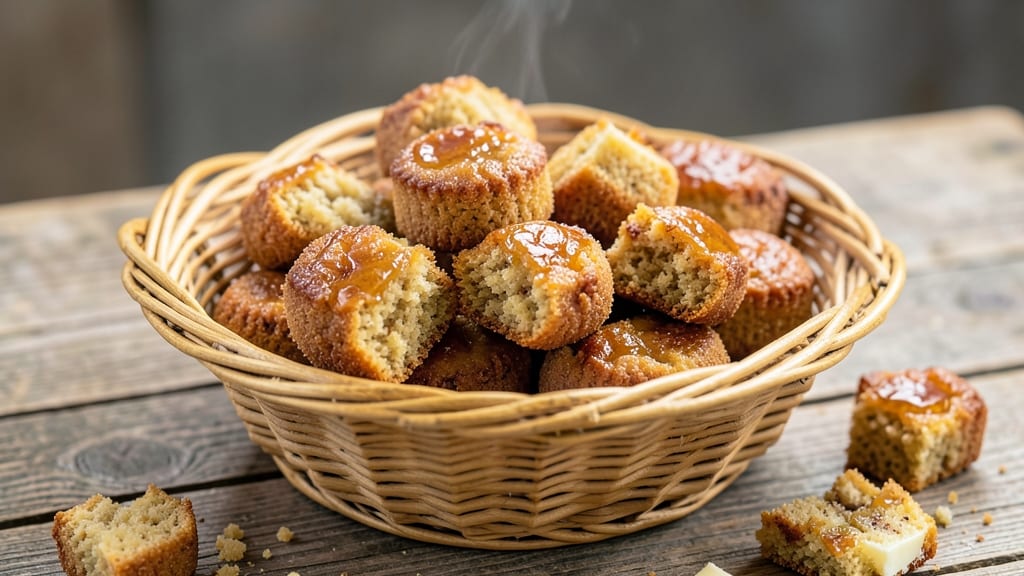
This Australian tea cake recipe delivers the perfect balance of golden spice and buttery crunch that's been a staple at British afternoon tea for generations. 💛 The secret lies in the precise ratio of flour, sugar, and butter, baked just until the edges turn golden and the center remains tender.
I've perfected this version after years of testing, ensuring every bite offers that signature crumbly texture with just the right amount of sweetness.
What makes these tea cakes truly special is their versatility—they're perfect for serving with tea, as a snack with coffee, or even packed in lunchboxes.
The recipe uses simple pantry staples like golden syrup (a traditional Australian ingredient) and vanilla extract, which elevate the flavor without overpowering the delicate spice notes. The baking time is critical: too long and they become dry, too short and they lack that satisfying crunch.
By following this method, you'll achieve tea cakes with a beautifully caramelized top and a tender, crumbly interior that practically melts in your mouth. The aroma alone will transport you to a cozy afternoon in an Australian countryside kitchen.
These treats are especially wonderful when served warm, straight from the oven, with a cup of tea for the full experience.
For those looking to add their own twist, dried fruit or citrus zest can be incorporated into the dough, but the classic version remains timelessly delicious. The recipe yields about 24 small, bite-sized cakes that disappear quickly, so you may want to double the batch.
Perfect for sharing or enjoying solo—either way, these golden spice bites are guaranteed to impress.
Ingredients for australian tea cake
Golden syrup, butter, and flour—these pantry staples create the perfect bite-sized tea cake magic.
| Ingredient | Amount | Notes |
|---|---|---|
| All-Purpose Flour 🌾 | 2 ½ cups | Sifted for light texture |
| Golden Syrup 🍯 | ¾ cup | Traditional Australian ingredient |
| Unsalted Butter 🧈 | 1 cup | Cold, cubed for flaky layers |
| Granulated Sugar 🍚 | ¾ cup | White or light brown |
| Pure Vanilla Extract 🌸 | 1 tbsp | High-quality for rich flavor |
| Ground Cinnamon 🌿 | 1 ½ tsp | Freshly ground preferred |
| Ground Ginger 🌶️ | ½ tsp | Freshly ground for warmth |
| Baking Powder 🧂 | 1 ½ tsp | Aluminum-free for best rise |
| Salt 🧂 | ½ tsp | Fine sea salt preferred |
| Heavy Cream 🥛 | ½ cup | Cold for flaky texture |
| Milk 🥛 | ½ cup | Whole milk for richness |
| Vanilla Bean Seeds 🌸 | 1 tsp | Scraped from 1 bean |
Golden syrup is the heart of these tea cakes—look for authentic Australian brands like Munmorah at specialty stores or online. If you can't find it, light corn syrup works in a pinch, though it lacks that signature caramel depth. For the butter, Plugrá or Land O'Lakes are reliable, but any good-quality unsalted butter will do. The flour should be all-purpose, sifted—this prevents lumps and ensures that signature crumbly texture. Freshly ground spices make all the difference here, so if you've got a spice grinder, toast the cinnamon and ginger seeds first for extra warmth.
No golden syrup? Maple syrup or agave nectar can stand in, but reduce the liquid by 1 tbsp to keep the dough from getting too sticky. Short on vanilla? Vanilla bean paste works beautifully, or even vanilla sugar at half the amount. For a twist, swap 2 tbsp of the milk for orange or lemon zest-infused milk—trust me, it's a game-changer. If you're feeling adventurous, add 1/4 cup of chopped dried apricots or cranberries to the dough for a fruity surprise. Just make sure they're finely chopped so they distribute evenly.
These tea cakes keep for 5 days in an airtight container at room temperature, though they're best enjoyed fresh. For longer storage, freeze the dough balls for up to 3 months—bake straight from frozen, adding 1-2 extra minutes. The aroma alone will have your kitchen smelling like a cozy Australian afternoon tea. I always double the batch because they disappear faster than you can say 'cuppa.' Serve warm with a spot of tea for the full experience—English Breakfast or Earl Grey pairs perfectly.
Why You'll Love This Recipe
- No Mixer Needed: I swear by this recipe when my hands are full—just fold the golden syrup into the butter until it’s like a rich, sticky paste. No electric beaters, no fuss, just a dough that comes together faster than I can wipe flour off my counter.
- Golden Syrup Magic: That thick, caramel-like syrup isn’t just sweet—it’s the secret. It gives these cakes a deep, buttery richness that store-bought vanilla cakes can’t touch. Honestly, one bite and you’ll understand why Aussie bakeries sell out so fast.
- Morning or Midnight Fix: I keep a batch in the fridge for when I need something quick—slice one for breakfast with butter, or warm a couple for a late-night treat. The vanilla’s subtle but enough to make it feel special, even at 2 AM.
- Budget-Friendly Staples: Flour, sugar, butter—these are ingredients I already have. The golden syrup might be the priciest part, but a little goes a long way, and it lasts forever. Plus, these cakes freeze like a dream, so I’m never scrambling for dessert.
Step-by-step instructions for golden spice tea cakes
Here's how to make these buttery, spiced Australian treats—perfectly golden and crunchy every time.
👨🍳 Step 1: Mix Dry Ingredients to a Light Cloud
In a large bowl, sift together the 2.5 cups all-purpose flour, 1.5 teaspoons baking powder, 1.5 teaspoons ground cinnamon, 0.5 teaspoon ground ginger, 0.5 teaspoon salt, and 1 teaspoon vanilla bean seeds. Use a whisk to break up any lumps and create a fine, airy texture—this ensures light, tender tea cakes instead of dense ones.
I like to press the mixture through a fine-mesh sieve to eliminate any remaining clumps. This step is crucial for that signature Australian crumb. Set the dry mixture aside while you prepare the wet ingredients—don't skip this prep work, as it makes mixing easier later.
🍳 Step 2: Cream Butter and Sugars to Fluffy Perfection
In a stand mixer fitted with the paddle attachment, beat the 1 cup cold unsalted butter (cut into cubes) with the 0.75 cup granulated sugar on medium speed for 3-4 minutes. You're looking for a pale, fluffy mixture that nearly doubles in volume—this incorporates air that will create those beautiful flaky layers.
Here's the thing—don't rush this step. The butter should be completely creamed and light in color. If it looks grainy or doesn't increase in volume, let it sit at room temperature for 10 minutes and try again. This is where the magic happens for that perfect crunchy exterior.
👨🍳 Step 3: Combine Wet Ingredients for Rich Flavor
Add the 0.75 cup golden syrup, 1 tablespoon pure vanilla extract, 0.5 cup heavy cream, and 0.5 cup milk to the butter-sugar mixture. Mix on low speed until just combined—you should see a smooth, slightly thick batter. The golden syrup adds that authentic Australian flavor while keeping the texture moist.
I always use cold heavy cream and milk for this step. The cold temperature helps prevent the butter from melting too quickly, which keeps the final texture light and flaky. Scrape down the sides of the bowl with a spatula to ensure even mixing.
🥘 Step 4: Bring It All Together
With the mixer on low speed, gradually add the dry ingredients to the wet mixture. Mix just until combined—about 30 seconds—being careful not to overmix. The dough should be soft and slightly sticky. If it's too dry, add 1 tablespoon milk to help bind it together.
This is where the spices really shine. The cinnamon and ginger will give your tea cakes that warm, comforting flavor that makes them perfect with tea. Once fully combined, the dough should hold its shape when pressed but still be soft enough to pipe easily.
🔥 Step 5: Pipe and Bake to Golden Crunch
Preheat your oven to 350°F and line two baking sheets with parchment paper. Using a piping bag fitted with a ½-inch round tip, pipe 1-inch tall mounds of dough onto the prepared sheets, spacing them about 2 inches apart. For a rustic look, you can also use a spoon to drop the dough and gently shape it with a fork.
Bake for 18-20 minutes until the tea cakes are golden brown at the edges and just beginning to pull away from the parchment. They should smell like warm spices and caramelized butter. Don't overbake—they'll continue cooking slightly as they cool. Let them rest on the baking sheets for 5 minutes before transferring to a wire rack to cool completely.
Pro Tips For Making Australian Tea Cake
- MEASURE SYRUP PRECISELY: Golden syrup is thicker than you think—use a kitchen scale for 200g, not a measuring cup. I learned this after my first cake turned out sticky and dense; the syrup’s viscosity messes with volume measurements.
- CREAM BUTTER AND SUGAR LONG: Mix the butter and sugar until the bowl is ice cold to the touch, about 5 minutes. Rushing this step means the butter melts too fast, and your cake will spread instead of rising properly.
- DON’T OVERMIX THE BATTER: Stop folding in the flour once it’s just combined—lumps are fine. Overworking the dough makes tea cakes tough, and you’ll end up with a brick instead of a tender crumb.
- USE COLD EGGS FOR LAYERS: Whisk the eggs separately and add them to the batter one at a time, mixing gently. Cold eggs keep the butter from melting prematurely, which guarantees those perfect, clean layers. (Yes, even if you’re impatient like me.)
Storing and reheating your leftovers
Room-Temp Storage
Store your tea cakes in an airtight container at room temperature for up to 5 days—the golden syrup keeps them moist without needing refrigeration. I use glass containers with tight-sealing lids like Pyrex to maintain freshness.
The spices actually deepen in flavor over time, making them taste even better the next day. Just let them cool completely before storing to prevent condensation. 💛
Freezing Fresh Dough
For make-ahead convenience, shape the dough into balls and freeze them on a tray for 1 hour before transferring to a ziplock bag. This prevents sticking and allows for 3 months of storage.
Bake straight from frozen, adding 2 extra minutes to the baking time. The cold dough helps create those signature flaky layers even when baked from frozen. 🥶
Reheating Perfection
Warm tea cakes in a 350°F oven for 5-7 minutes to restore their crispy edges and tender centers. For a quick fix, pop them in the microwave for 15-20 seconds—just watch closely to avoid drying them out.
I love reheating a few at a time for an instant tea-time treat. The golden syrup caramelizes beautifully when warmed, making them taste freshly baked. ✨
Reviving Dried Cakes
If your tea cakes lose their crunch, brush them lightly with melted butter and warm in the oven for 3-4 minutes. The butter rehydrates the surface while restoring that buttery crunch.
For extra moisture, place a damp paper towel in the container overnight—this works wonders for keeping them fresh longer. 💡
Portion Control
Individual tea cakes freeze beautifully for 1 month when stored in single-serving portions. Wrap each one in parchment paper before freezing to prevent freezer burn. To serve, simply thaw at room temperature for 10 minutes or warm in the oven.
This makes them perfect for quick snacks or packed lunches—just like they were made fresh that morning. 📅
Tea Pairing Tip
Serve reheated tea cakes with a hot cup of tea—Earl Grey or English Breakfast complements the spices perfectly. The warmth of the tea enhances the buttery, caramelized flavors.
I always keep a thermos of tea ready when baking these, so they're ready to enjoy straight from the oven. 🍵
Nutrition facts
Frequently asked questions
Can I substitute golden syrup in this recipe?
Yes, but the flavor will differ slightly. For 1:1 substitution, use maple syrup or light corn syrup. Reduce the liquid by 1 tablespoon to prevent a sticky dough. For deeper caramel notes, try molasses at ½ the amount—it's stronger, so adjust to taste. The golden syrup's unique flavor comes from its Australian sugar cane source, so substitutions won't be identical but still delicious.
Why did my tea cakes turn out dense instead of crumbly? Overmixing or under-creaming the butter are the most common culprits.
Can I make these tea cakes gluten-free?
Replace the 2.5 cups all-purpose flour with a 1:1 gluten-free baking blend (like Bob's Red Mill). Add ½ teaspoon xanthan gum if your blend doesn't include it. For best results, chill the dough for 30 minutes before baking, as gluten-free doughs can spread more. The texture will be slightly denser but still flavorful.
How do I get the perfect golden-brown color?
Preheat your oven to 350°F and bake for 18-20 minutes—no longer! For extra browning, place the baking sheet on the middle rack and rotate the pans halfway through. If your oven runs hot, reduce the temperature to 325°F. The golden syrup helps with caramelization, but watch closely after 15 minutes to avoid overbaking.
Can I add dried fruit to these tea cakes?
Yes! Finely chop ¼ cup dried apricots, cranberries, or citrus peel and fold them into the dough after mixing. Use small pieces so they distribute evenly. For extra moisture, reduce the milk by 1 tablespoon. The fruit adds a lovely chewy contrast to the crumbly texture.